


Edwardian Oak Console
Edwardian oak console tables bring grounded utility and honest timber grain to hallways and living spaces, drawing on sturdy Victorian and Arts and Crafts traditions.
Edwardian Oak Console
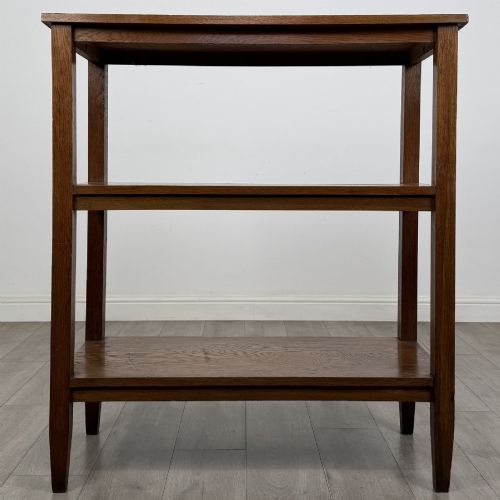
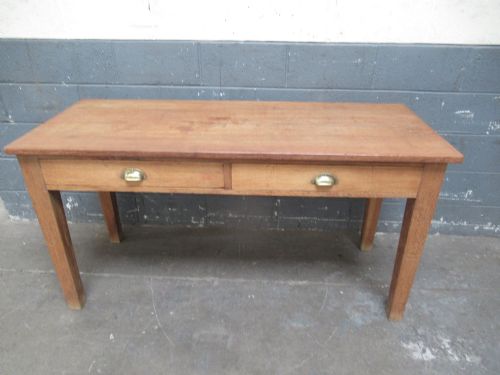
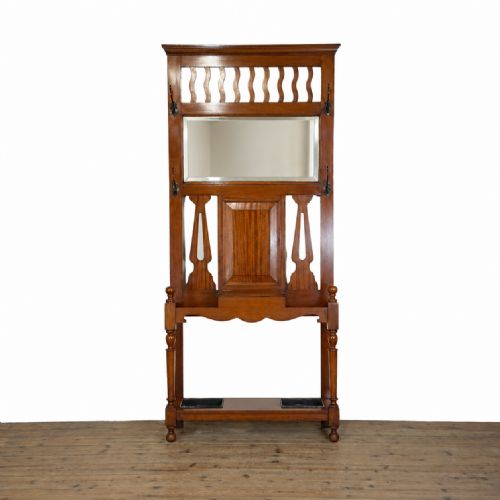
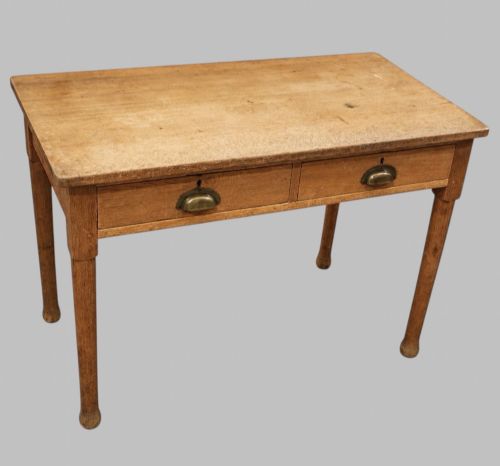
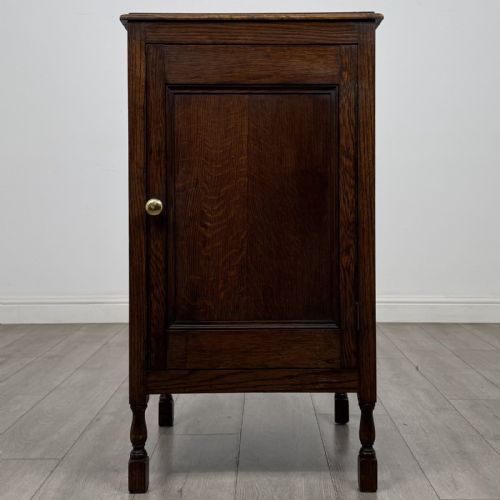
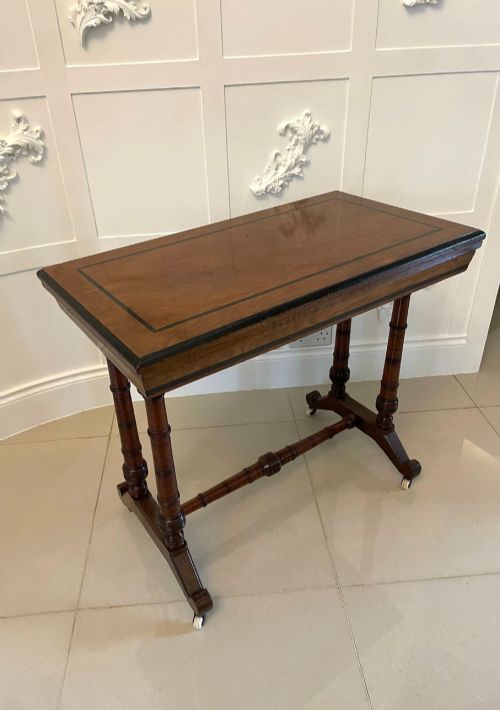
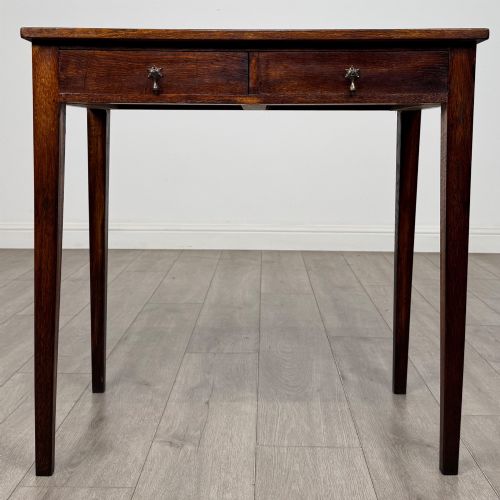
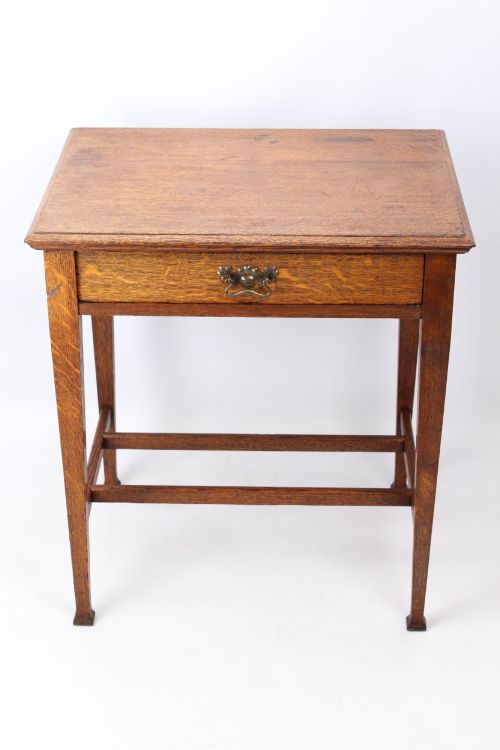
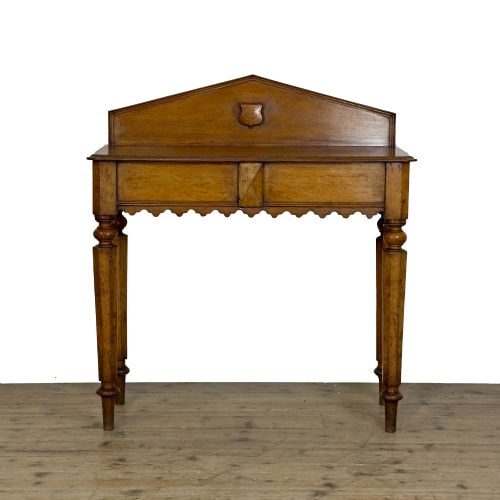
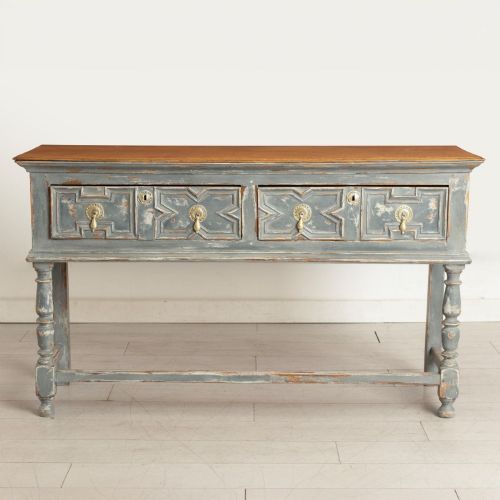
An edwardian oak console is a narrow table designed for halls, corridors and reception rooms, fulfilling a need for surface space without blocking domestic traffic. The selection on this page ranges from side tables and desks to dresser bases and hall tables, reflecting how versatile these domestic pieces were.
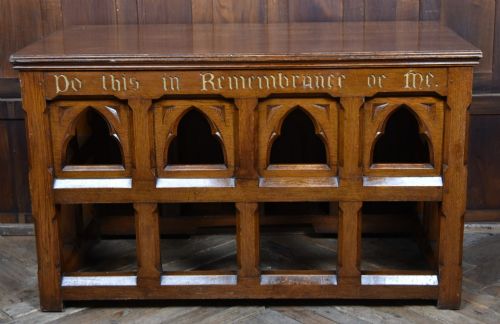
The most frequent examples carry the plain charm of the Edwardian period or the distinct simplicity of the Arts and Crafts movement. Makers of the era also drew on earlier Victorian designs, resulting in pieces that vary from utilitarian hall stands to carved Gothic revival forms.
Originating in decades spanning the late nineteenth and early twentieth centuries, these tables employ durable timbers suited to daily household use. Buyers encounter pieces equipped with drawers, pot boards and marble tops, showing how domestic furniture met specific functional demands.
Construction and materials
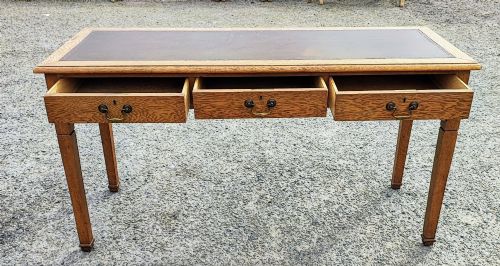
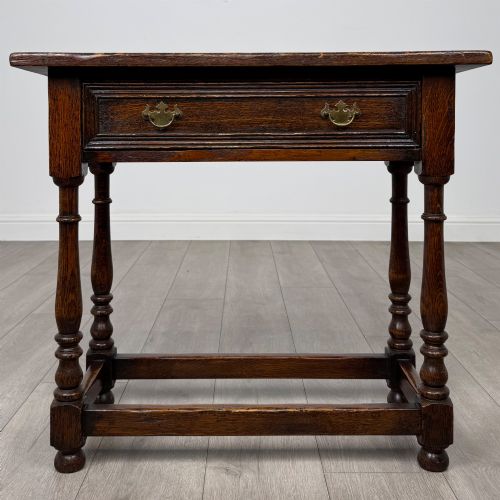
Solid oak forms the primary body of these consoles, frequently complemented by brass hardware, iron fittings or leather surfaces. Cabinet makers utilised traditional joinery techniques, combining sturdy timber frames with hand-cut drawers and panelled backs.
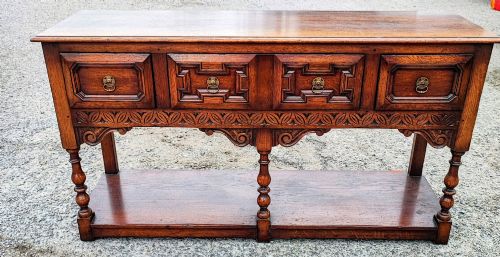
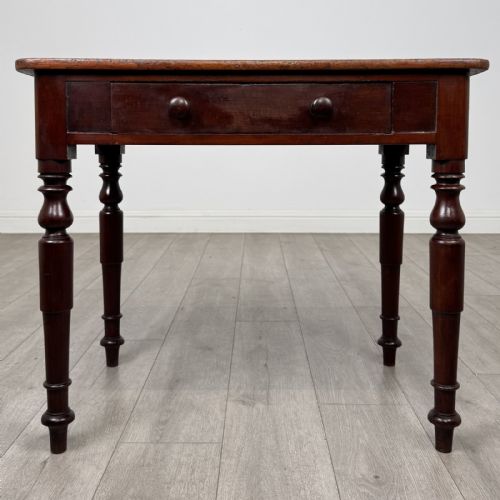
Surface decoration relies on carving, turned bobbin legs and ebony inlay rather than heavy veneers, matching the structural honesty favoured by Arts and Crafts designers. Some variations incorporate marble tops or cast iron supports, introducing contrasting textures to the foundational wood.
Edwardian Oak Console Retail Price Guide 2026
Typical asking prices for edwardian oak console among the pieces listed under this phrase on Sellingantiques today, from the lower quarter to the upper quarter. They describe what is for sale here now, not the wider market.
Some tables served for sorting morning post, holding heavy ledgers or even storing gentlemen's cloaks near the front door.
Judging quality
Quality rests upon the selection of the timber and the crispness of the hand-carved detail. Dense grain patterns and carefully matched boards separate standard utility tables from more ambitious cabinet work.
Proportion and structural integrity dictate the standing of a piece, where tight joints and original brass fittings indicate superior workshop production. The retention of original drawer linings and uncompromised timber patination mark the upper tier of the range.
Beresford & Hicks London·Jenners
The Edwardian Oak Console Glossary
- Dresser base
- A low cabinet featuring drawers or cupboards beneath a flat top, frequently adapted for use as a serving table or console. These items provide substantial storage while maintaining a shallow footprint.
- Arts and Crafts
- A design movement prioritising simple forms, local materials and visible hand craftsmanship over mass production. It heavily influenced furniture styling around the turn of the twentieth century.
- Gothic Revival
- An architectural and decorative style drawing inspiration from medieval forms, noticeable in pointed arches, heavy carvings and dark timber. It experienced a strong resurgence during the Victorian and Edwardian eras.
- Pot board
- An open lower shelf built into the base of a table or dresser, historically utilised for storing pots and earthenware. It adds structural bracing while offering extra display space.
- Bobbin leg
- A turned wooden furniture leg shaped to resemble a series of rounded bobbins or spools stacked together. This decorative turning technique appears frequently on nineteenth-century tables.
Edwardian Oak Console: Frequently Asked Questions
How were these tables used originally?
Households placed these narrow tables in entrance halls, libraries and parlours as functional furniture for writing, displaying ornaments or sorting everyday items. Versions with drawers offered secure storage for letters and household keys.
Larger variants functioned as serving tables in dining rooms or as support surfaces in communal spaces, adapting easily to the changing demands of Edwardian domestic life.
How do I style an oak console?
An oak console works well in an entrance hall or living room, grounded against a neutral wall to let the natural timber grain stand out. Pairing the table with a wall-hanging mirror or a ceramic lamp enhances both function and visual balance.
Keeping the surface styling restrained allows the construction details and carved accents of the timber to remain the focal point of the interior space.
How can I tell the period apart?
Victorian examples often feature heavier proportions, darker finishes and more elaborate carved ornamentation, reflecting nineteenth-century tastes. Edwardian and later pieces lean towards lighter golden oak tones, cleaner lines and understated Arts and Crafts influence.
Examining the construction methods, drawer dovetails and hardware provides clear clues regarding the decade of manufacture and the prevailing design movement of the workshop.