



Edwardian Music Stand
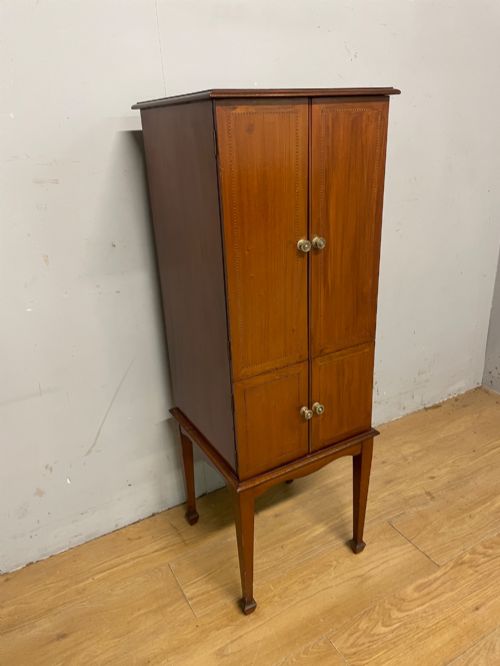
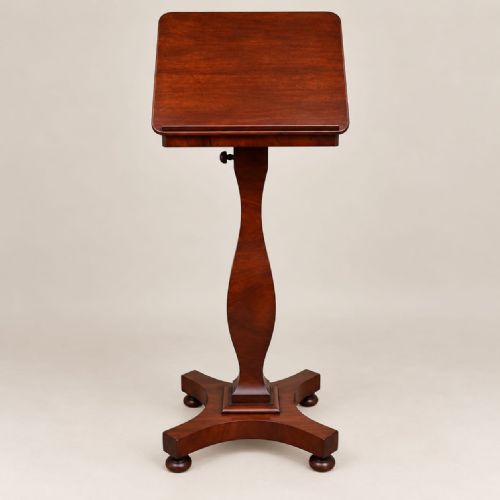
An edwardian music stand brings upright elegance to a room, holding sheet music or books with slender grace.
Edwardian Music Stand
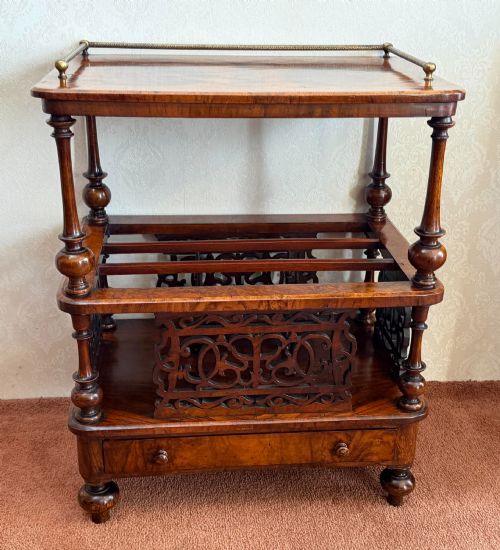
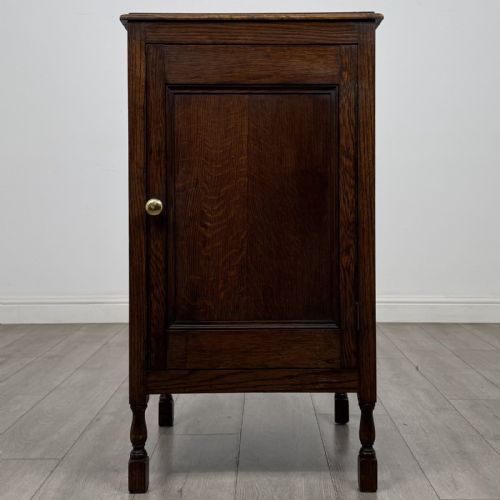
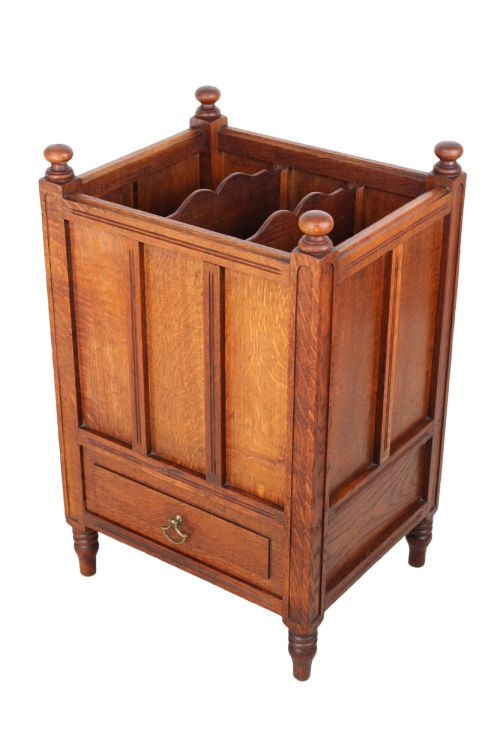
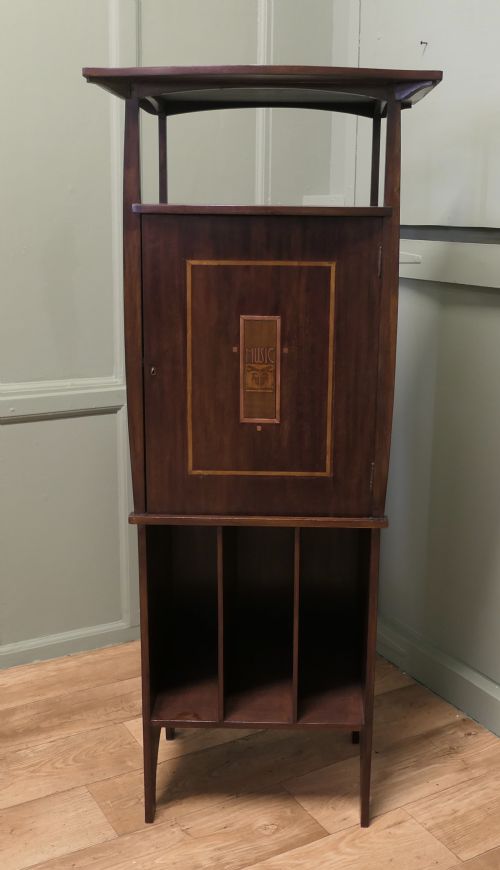
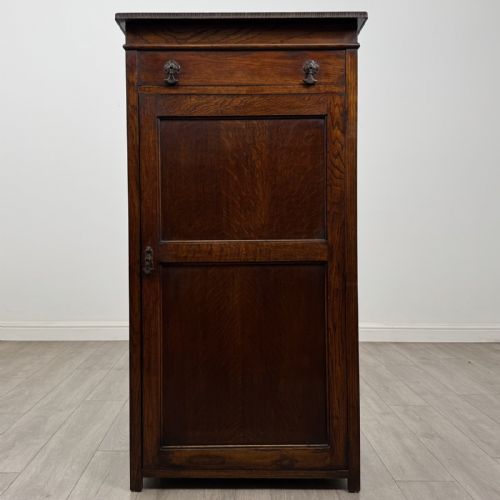
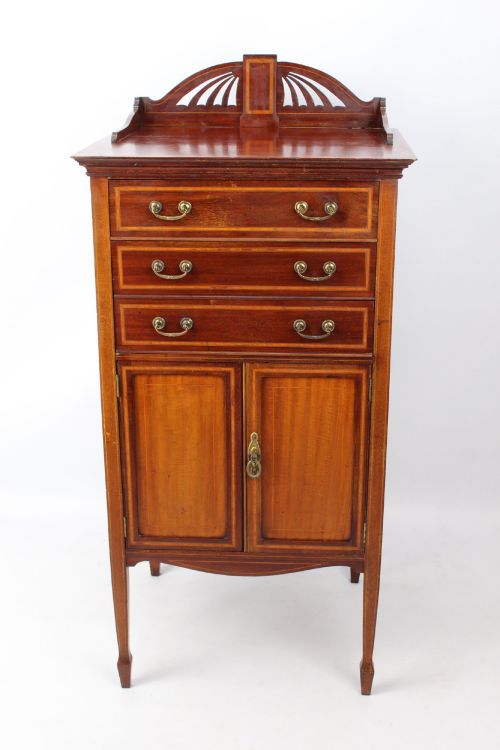
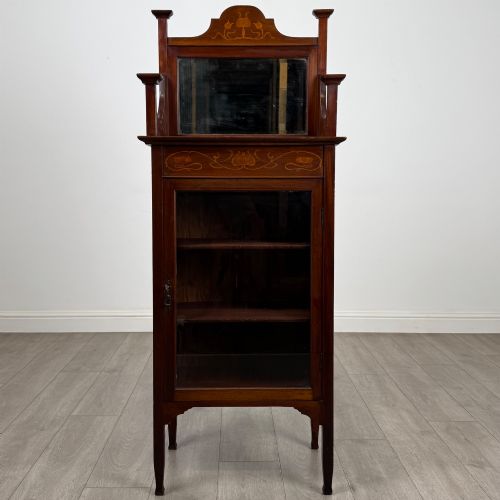
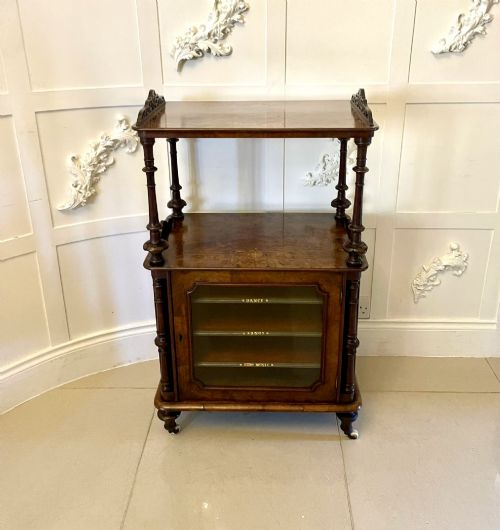
When you search for an edwardian music stand, you meet pieces designed to hold sheet music, folios and books in homes of the early twentieth century. The selection ranges from upright cabinets to adjustable reading tables and specialised stands made of mahogany, walnut, oak and rosewood. These items span periods from the nineteenth century into the nineteen-twenties, though the Edwardian era predominates.
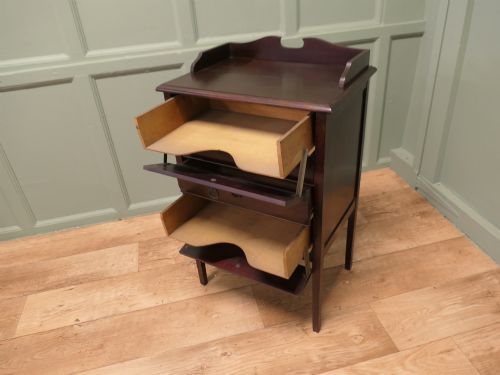
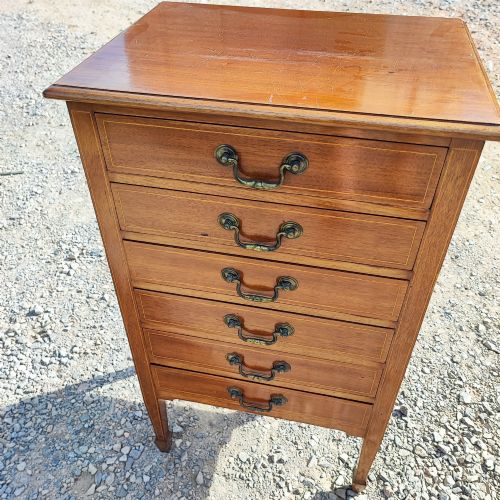
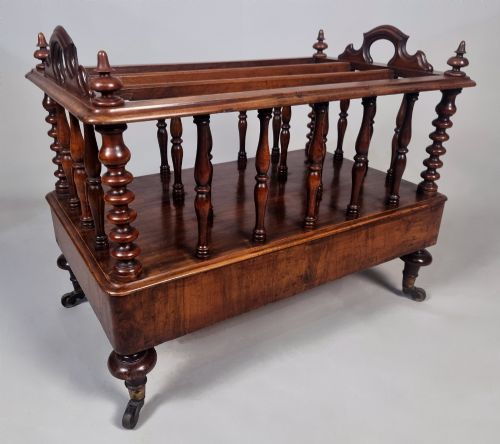
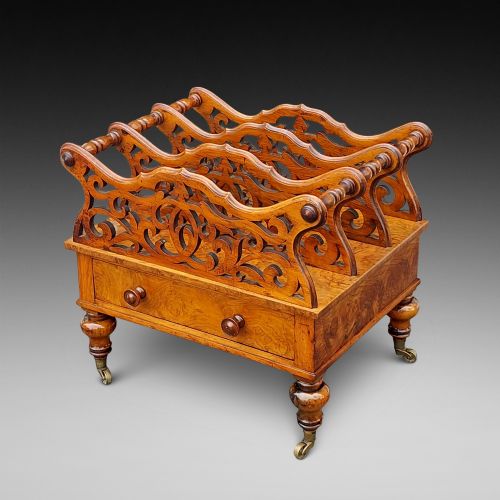
You find music cabinets, canterburys, magazine racks and lecterns sharing the category. Many examples incorporate inlaid decoration, brass fittings and adjustable rests for musicians and readers alike. Each form reflects the domestic musical life of its period, whether standing in a parlour or beside a piano.
How they were made
Cabinet makers utilised solid timbers and decorative veneers, applying mahogany, walnut, burr walnut and oak across the pieces. Inlaid satinwood, boxwood and brass details frequently accent the main structure, adding linear definition to drawer fronts and door panels.
Mechanisms for reading stands and adjustable ledges rely on brass ratchets, screws and pivoting brackets. Joinery combines traditional housing and dovetail methods to support the weight of heavy folios and bound sheet music.
Edwardian Music Stand Retail Price Guide 2026
Typical asking prices for edwardian music stand among the pieces listed under this phrase on Sellingantiques today, from the lower quarter to the upper quarter. They describe what is for sale here now, not the wider market.
Listings span the Victorian and Edwardian eras, encompassing mahogany, walnut, burr walnut, oak, rosewood and brass.
What varies in quality
The refinement of the timber selection dictates much of the distinction between pieces, with carefully matched burr veneers and subtle string inlay setting apart the finer examples. Simple utility pieces rely on plain oak or pine, whereas salon furniture receives decorative marquetry and polished brass mounts.
The complexity of the internal configuration also marks the grade of a piece. Dedicated pigeonholes, partitioned filing compartments and smoothly operating mechanical adjustments demonstrate superior workshop execution.
GM Elwood·JS Henry·Denby and Spinks·U Phone of Leeds
The Edwardian Music Stand Glossary
- Canterbury
- A low stand with vertical partitions, originally built to hold sheet music or books near a piano or seating area.
- Lectern
- A reading desk with a slanted top, designed to support a book or music score at a comfortable angle for standing or sitting.
- Inlay
- A technique where contrasting woods or metals are set into the surface of a piece to create decorative patterns.
- Upstand
- A raised decorative edge along the back or top of a cabinet or table to prevent items from sliding off.
- Duet stand
- A music stand wide enough to accommodate two musicians reading from a shared score.
Edwardian Music Stand: Frequently Asked Questions
What is an edwardian music stand used for?
These pieces served to organise and display sheet music, folios and books in Edwardian parlours and music rooms. Musicians utilised them beside pianos or as adjustable lecterns for practice and performance.
Today, they function well as book stands, an office surface for tablet computers, or as decorative accent furniture in a living space.
How do I tell an Edwardian stand from a Victorian one?
Edwardian examples tend to show lighter timbers, simpler lines and restrained inlay work such as satinwood stringing. Victorian pieces often display heavier proportions, darker rosewood or burr walnut, and more exuberant carved detail.
Cabinet construction and hardware can also offer clues, with Edwardian pieces occasionally adopting simpler joinery methods alongside traditional dovetailing.
Are these stands adjustable?
Many reading stands and lecterns feature adjustable mechanisms using brass ratchets or screw hinges. These allow the user to alter the height and angle of the music rest.
Enclosed music cabinets and canterburys remain fixed in height, focusing instead on internal compartmentalisation for filing scores.
What woods were commonly used?
Mahogany and walnut predominate among surviving examples, frequently enhanced with burr veneers and fine line inlay. Oak appears in Arts and Crafts pieces, while rosewood and satinwood feature in more elaborate salon furniture.
Secondary timbers like pine often line the interiors of drawers and cabinet compartments.