
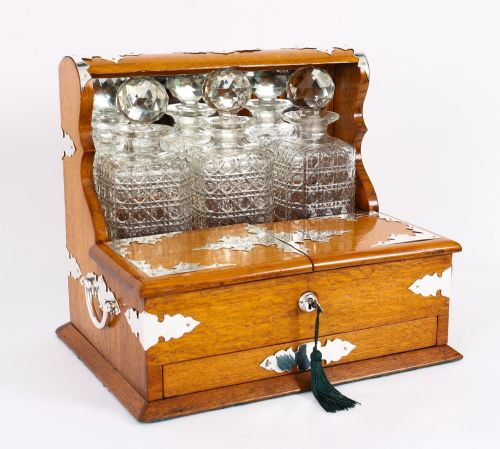
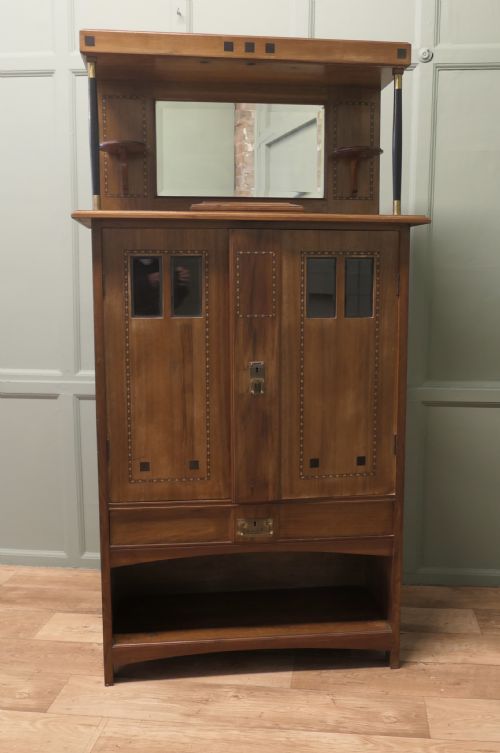
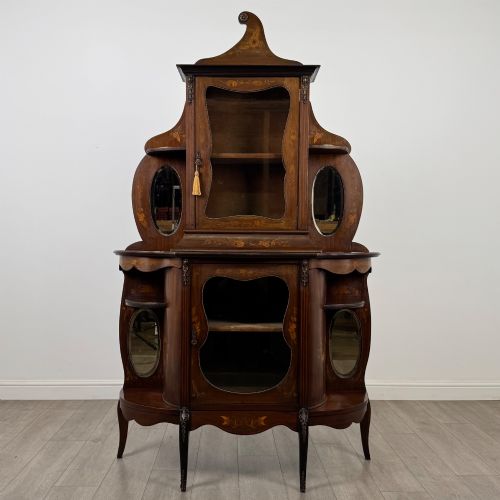
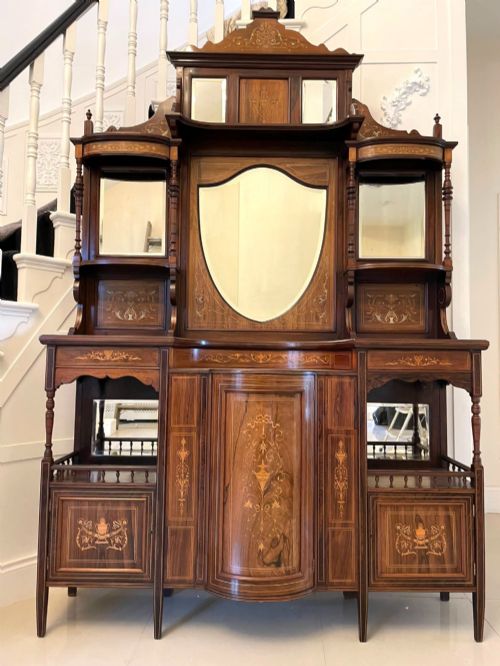
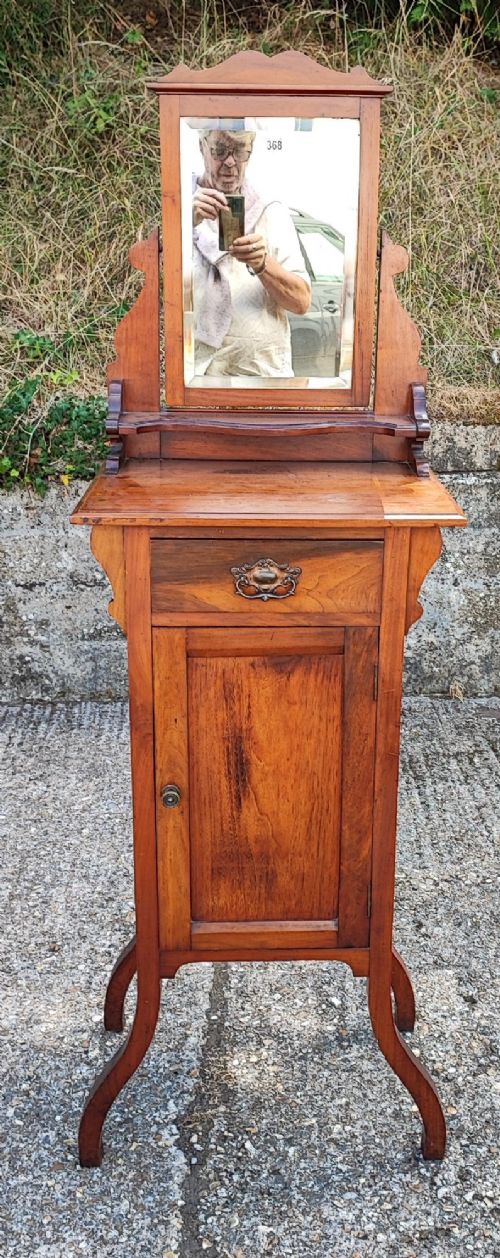
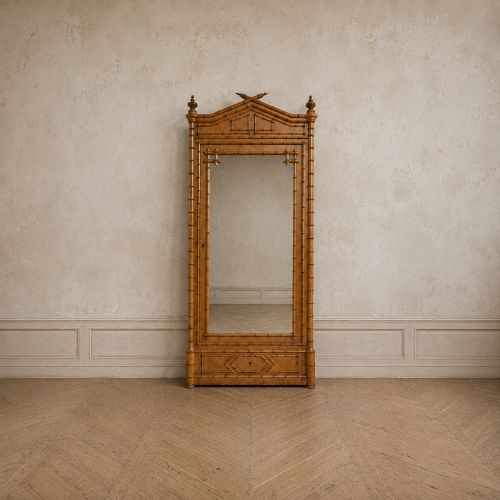
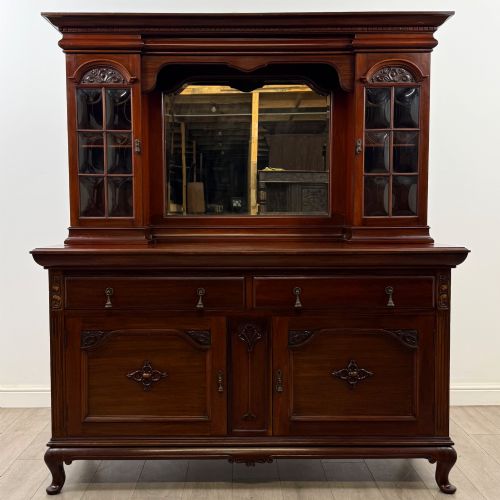
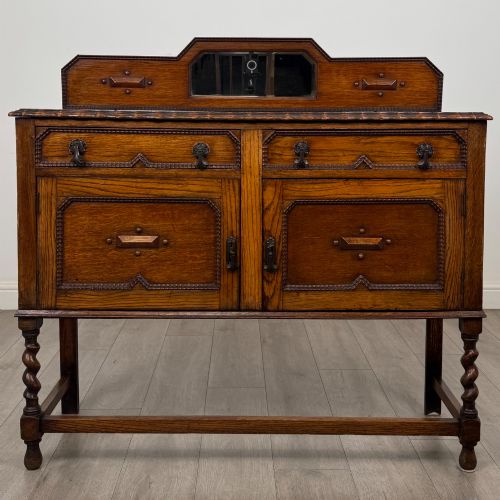
Edwardian Mirrored Cabinet
An edwardian mirrored cabinet brings depth and reflective light to a room, combining practical storage with polished display surfaces from the period.
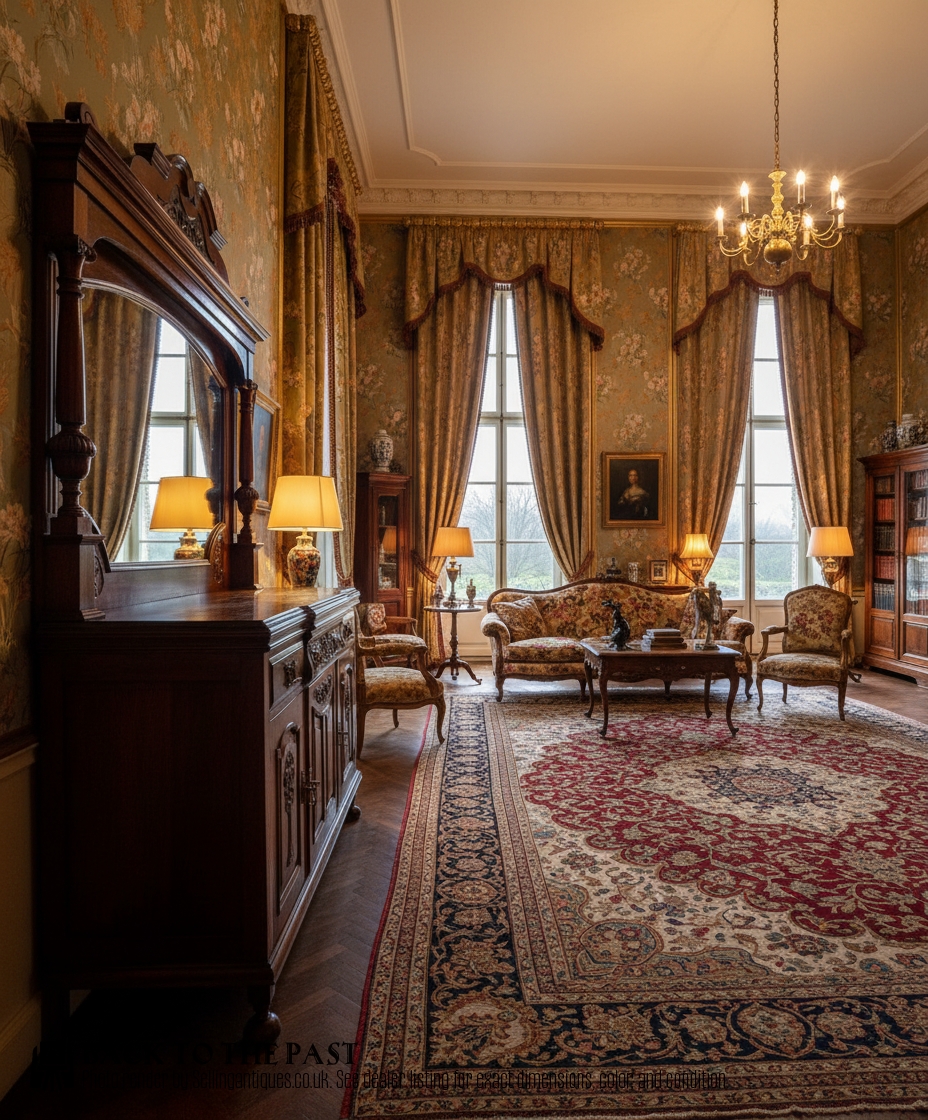
Edwardian Mirrored Cabinet
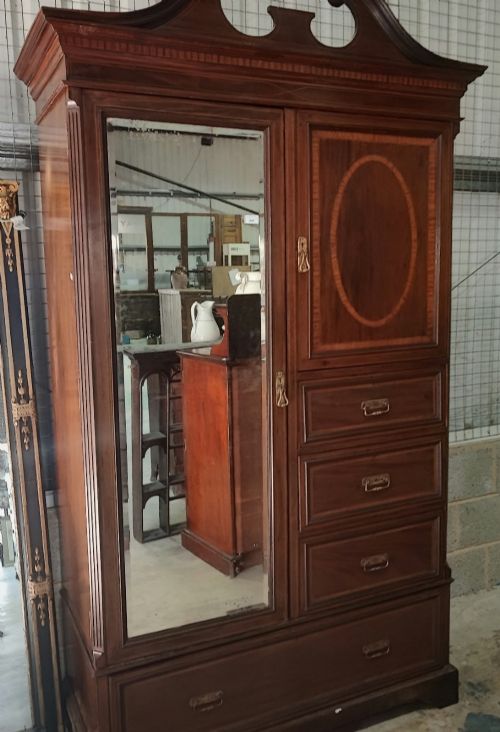
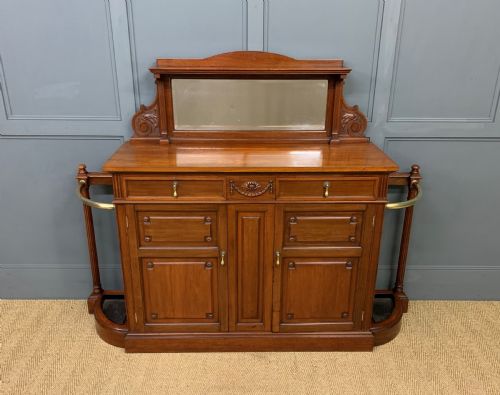
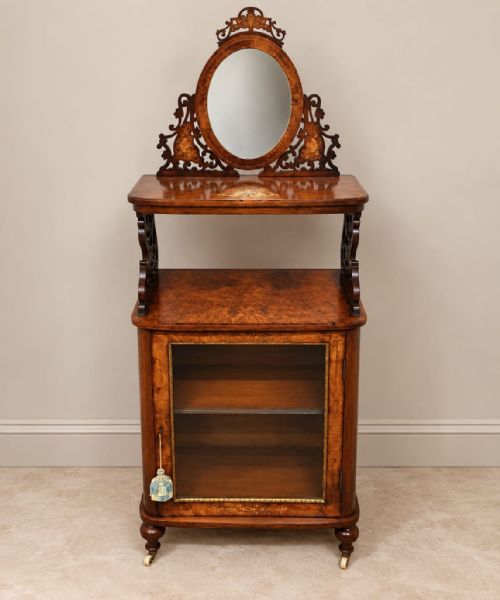
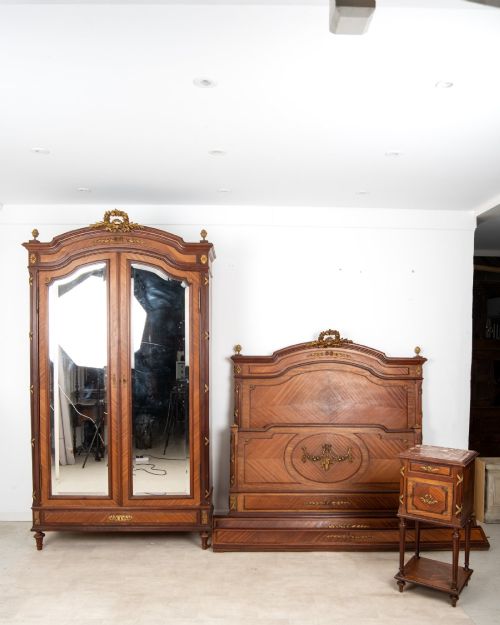
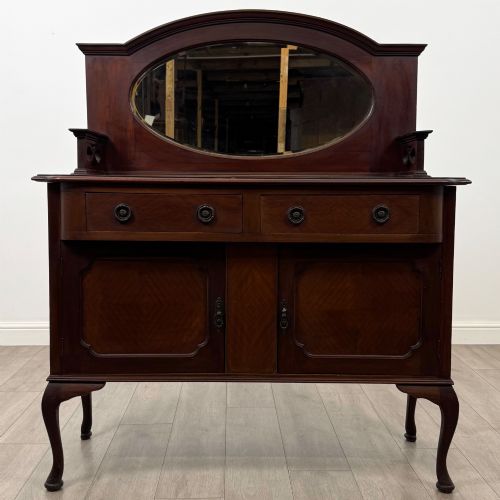
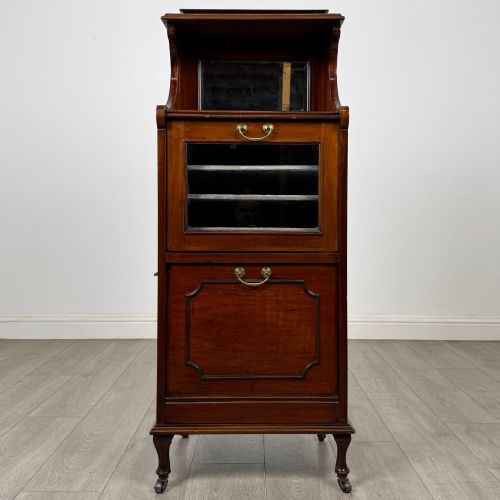
When you examine an edwardian mirrored cabinet, you encounter pieces originating primarily from the Edwardian era and the late Victorian period, extending from the late nineteenth century into the early twentieth century. These items appear in various forms including display cabinets, sideboards, wall cabinets, and wardrobe combinations featuring reflective glass panels.
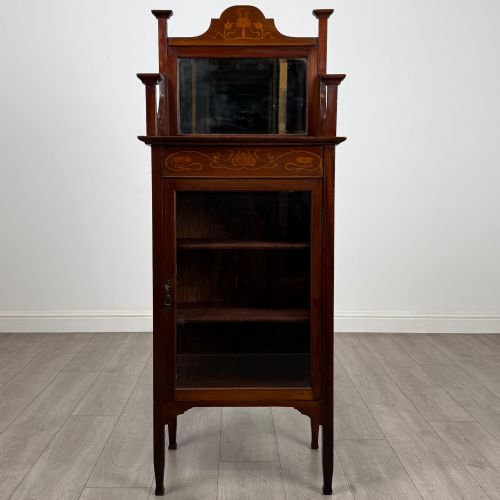
The version you are most likely to meet on this page is constructed from mahogany, often enhanced with satinwood inlay, incorporating a mirror-back or mirrored door alongside display shelving or enclosed storage cupboards.
Materials and Technique
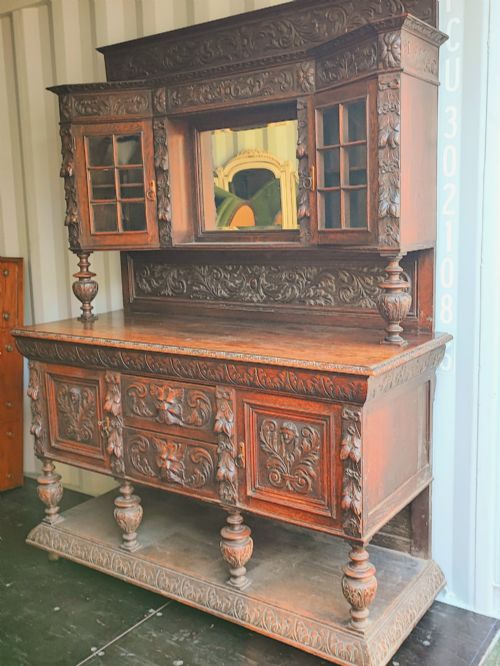
Cabinetmakers utilised hardwoods such as mahogany, oak, walnut, and rosewood as structural timber, frequently applying delicate marquetry and contrasting satinwood inlays to enrich the flat surfaces. Glass integration required precise framing, securing bevelled mirrors and glazed display panels within the timber structure.
Joinery methods relied on traditional cabinet construction, complemented by brass hardware, gilt mounts, and carved decorative details typical of Edwardian, Arts and Crafts, and Art Nouveau influences.
Some Edwardian dressing cabinets managed to squeeze a tilting mirror, a jewellery compartment, and several hidden drawers into a footprint no larger than a hatbox.
Markers of Quality
The distinction between standard items and superior examples rests in the depth of timber selection, the precision of the marquetry inlay, and the crispness of any hand-carved ornamentation. Finer cabinets display thoughtful proportions, well-figured wood grains, and original brass fittings that integrate seamlessly with the carcase.
Quality also shows in the condition of the glass, the integrity of the joints, and the sophistication of stylistic details such as Secessionist or Arts and Crafts motifs rather than mass-produced uniformity.
Edwards and Roberts·Shoolbred and Co·Waring and Gillows·Harrods
The Edwardian Mirrored Cabinet Glossary
- Inlay
- A technique where contrasting woods or other materials are inserted into recessed portions of a base timber to create decorative patterns. This method is frequently seen on mahogany surfaces from the period.
- Compactum
- A large, multi-functional wardrobe or cabinet designed to incorporate various internal storage compartments such as drawers, shelves, and hanging space. These pieces maximise storage capacity within a single footprint.
- Marquetry
- Elaborate veneer work arranged in pictorial or geometric patterns across furniture panels. It requires considerable skill to assemble different wood grains and colours cohesively.
- Aesthetic Movement
- A late nineteenth-century design style that emphasised visual beauty and artistic expression over utilitarian function. Pieces from this movement often feature refined lines and distinctive decorative motifs.
Edwardian Mirrored Cabinet: Frequently Asked Questions
What is an edwardian mirrored cabinet?
An edwardian mirrored cabinet is a piece of storage or display furniture produced during the early twentieth century featuring one or more mirror panels. These items combine practical organisation with reflective glass surfaces designed to brighten interior spaces.
They appear in forms ranging from wall-mounted cupboards to large display units and sideboards, reflecting the domestic requirements and stylistic preferences of the era.
How were these cabinets used originally?
These cabinets served various domestic functions depending on their specific form, acting as display spaces for porcelain and ornaments in reception rooms or as grooming aids in bedrooms. The inclusion of mirrors helped amplify natural light in period homes before the widespread use of electric illumination.
Smaller wall cabinets held toiletries or medical supplies, while larger pieces accommodated glassware, dining accessories, or personal attire.
How do I identify an Edwardian piece?
Identifying an Edwardian piece involves examining the timber species, inlay work, and structural hardware characteristic of the period between nineteen hundred and the First World War. Lighter woods like satinwood and polished mahogany frequently replaced the heavier, darker tones associated with mid-Victorian furniture.
Stylistic influences often draw upon Arts and Crafts simplicity, Art Nouveau curves, or neoclassical revivals, distinguishing them from earlier nineteenth-century designs.
How do I care for antique mirrors?
Caring for antique mirror glass requires gentle cleaning methods that avoid harsh chemical ammonia sprays which can damage the silvering behind the glass. Use a soft, dry microfibre cloth to remove dust, and apply mild cleaning solutions directly to the cloth rather than the mirror surface.
Protect the timber frame by keeping the cabinet away from direct sunlight and fluctuating radiator heat to prevent wood shrinkage and veneer lifting.