



Edwardian Mirror Desk
An Edwardian mirror desk combines a compact writing surface with an integrated glass looking-glass, offering practical elegance for morning correspondence.
Edwardian Mirror Desk
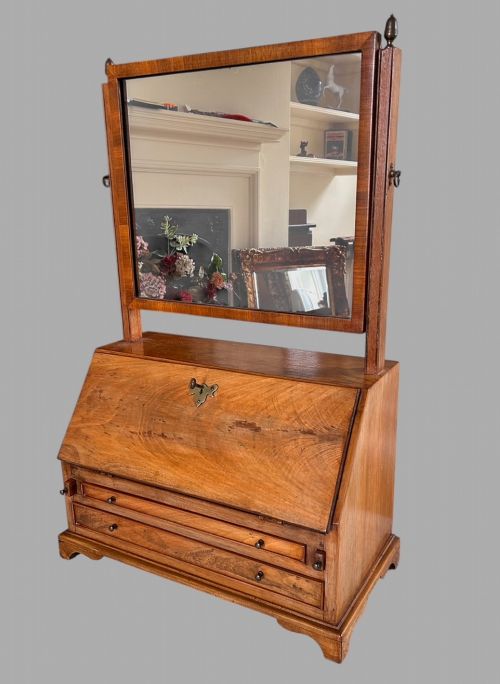
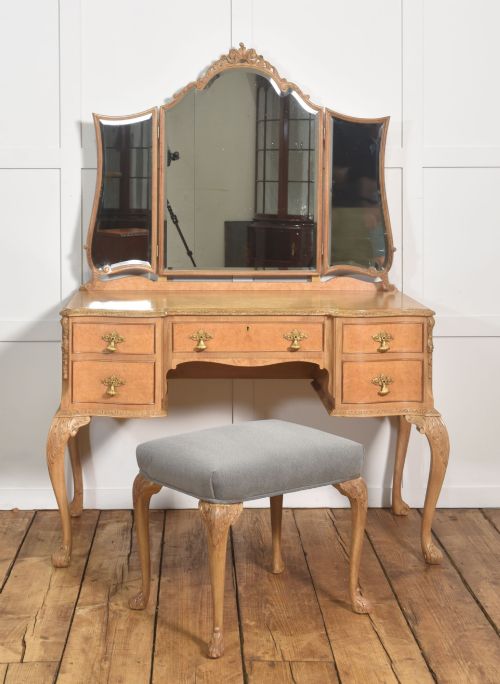
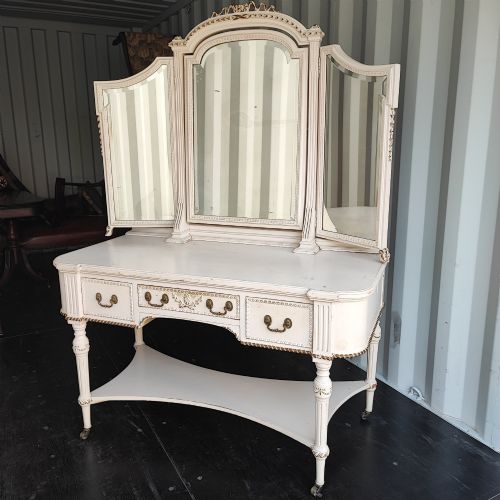
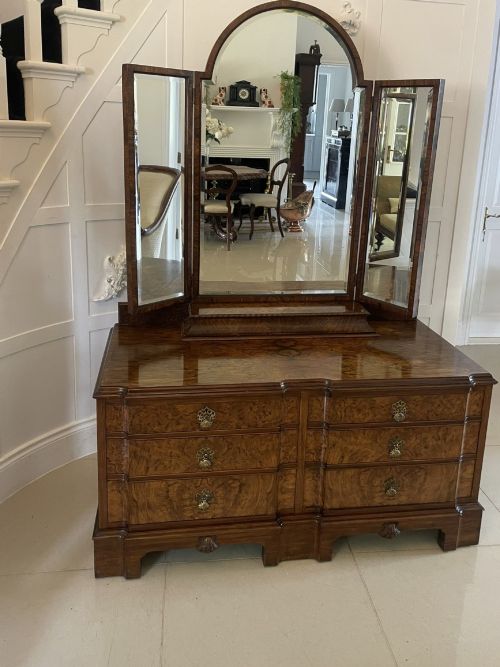
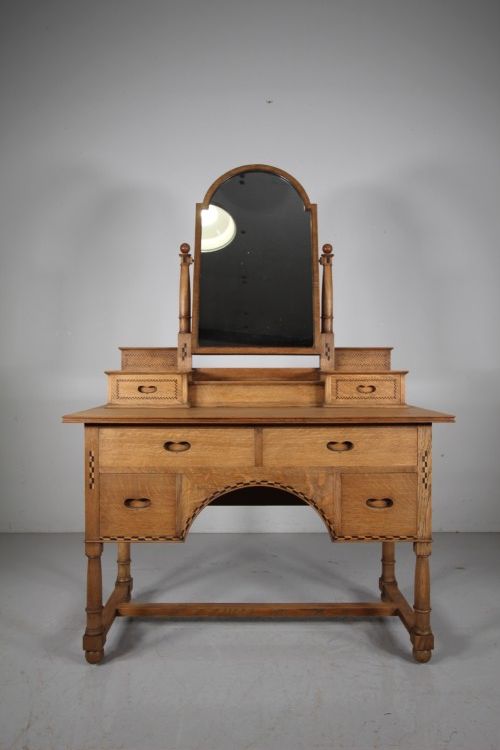
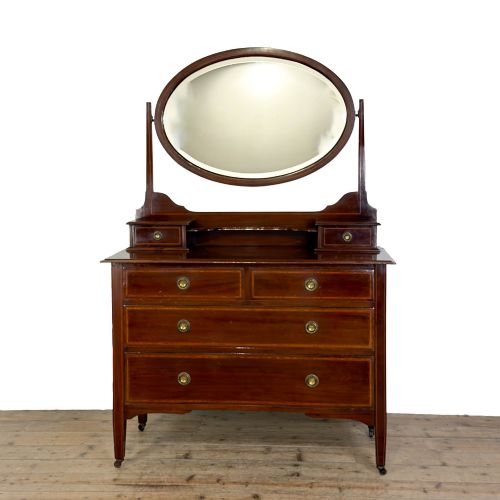
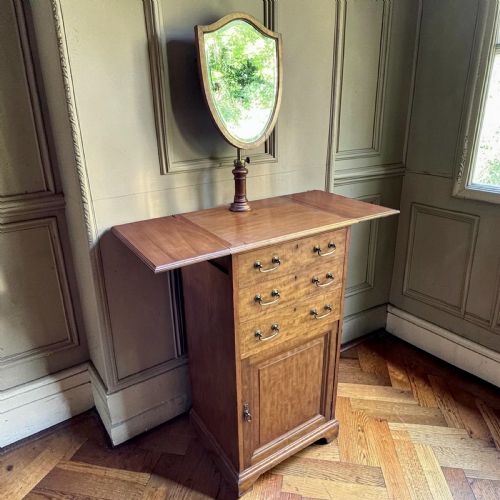
When you search for an edwardian mirror desk, you encounter versatile hybrid furniture pieces that bridge the gap between a traditional writing table and a bedroom dressing chest. The forms span writing desks with mirrored superstructures, tabletop bureaux, and dressing tables equipped with adjustable swing mirrors.
Most examples date from the Edwardian era and the late nineteenth century, though the selection includes Victorian and early twentieth-century interpretations. Makers utilised various formats, from inlaid mahogany ladies writing tables to oak Arts and Crafts pieces and satinwood bureau units.
Materials and construction
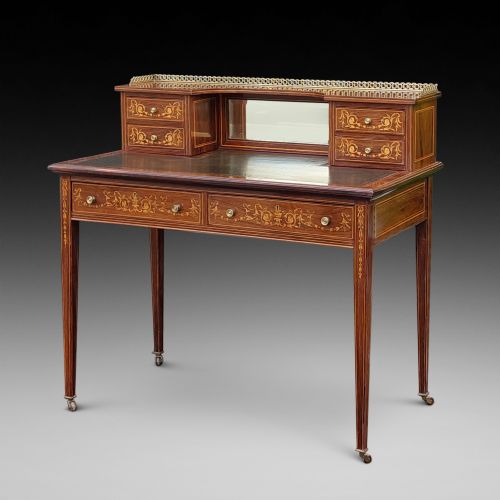
Makers constructed these pieces using solid hardwoods and decorative veneers such as mahogany, satinwood, walnut, and oak, often accented with intricate marquetry and brass hardware. Glass formed the essential mirror plates, which were housed in adjustable shield, oval, or triple mirror frames fixed to the desktop or superstructure.
Surface details included inset leather writing panels and hand-painted motifs on lighter woods like satinwood. Cabinetmakers incorporated fitted drawers and compartments into the upper sections to house writing implements and personal items.
The listings feature pieces constructed from mahogany, satinwood, walnut, and oak, incorporating both simple utility forms and elaborate marquetry.
Assessing quality and execution
Quality reveals itself in the choice of timber and the precision of the cabinetwork, particularly where veneers and marquetry meet solid frames. Finer pieces display thoughtful proportions, balanced brass fittings, and clean joinery within the drawer linings rather than relying solely on surface decoration.
The integration of the mirror superstructure dictates much of the visual success of the piece. Superior examples feature securely mounted, original glass plates and robust support arms that allow smooth adjustment without straining the underlying writing surface.
Maples of London and Paris·Heals of London·Shapland and Petter·Wright and Hunter of Belfast·Edwards and Roberts·Gillows·Jas Shoolbred
The Edwardian Mirror Desk Glossary
- Bonheur du jour
- A light lady's writing desk featuring a small cabinet, shelves, or drawers upon the top surface. This French form gained popularity in various revival styles during the nineteenth century.
- Marquetry
- Decorative veneer patterns formed by fitting together small pieces of different coloured wood, ivory, or shell. Craftsmen applied this technique to drawers and tabletops to create floral or geometric designs.
- Superstructure
- An upper tier of small drawers, pigeonholes, or mirror frames mounted to the rear of a desk. It adds vertical storage and display space without enlarging the main footprint.
- Satinwood
- A durable, lustrous hardwood with a natural golden yellow sheen used extensively for fine cabinetmaking and decorative inlay work. It forms the primary surface of many high-status lighter desks.
Edwardian Mirror Desk: Frequently Asked Questions
How do I distinguish an Edwardian mirror desk from a dressing table?
Many pieces function as both, as cabinetmakers frequently combined writing surfaces with mirrored superstructures to serve multiple domestic purposes in smaller rooms. The primary distinction lies in the depth of the writing area and the presence of dedicated letter compartments or pigeonholes.
Examine the layout of the surface and drawers to determine if the design prioritised correspondence or grooming. Both forms share similar periods and construction methods in the current selection.
Were these desks used in bedrooms or reception rooms?
These hybrid pieces found placement in private chambers, ladies' boudoirs, and multi-purpose dressing rooms where space economy mattered. They provided a private space for morning correspondence and personal grooming in one unified item.
The inclusion of lockable drawers and compact writing flaps suited personal letter-writing away from the formal downstairs study.
How do I care for the mirror glass and wood finish?
Protect antique wood surfaces by avoiding direct sunlight and maintaining stable room humidity to prevent veneer lifting. Clean mahogany, satinwood, and walnut with appropriate wax polish rather than modern chemical sprays.
Clean the mirror glass gently with a soft cloth, taking care not to let moisture seep behind the old silvering at the edges of the plate.