

Edwardian Metal Bed Frame
An edwardian metal bed frame brings robust structural engineering and decorative ironwork together to anchor a bedroom with period character.
Edwardian Metal Bed Frame
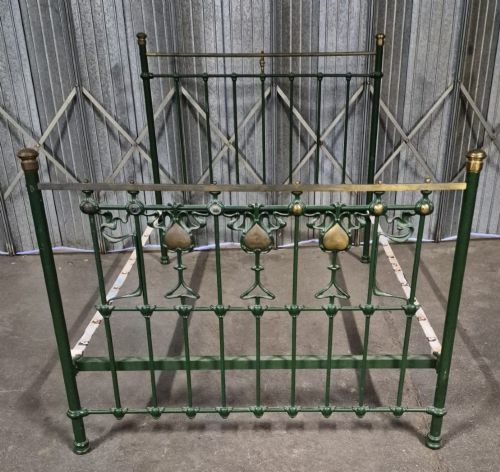
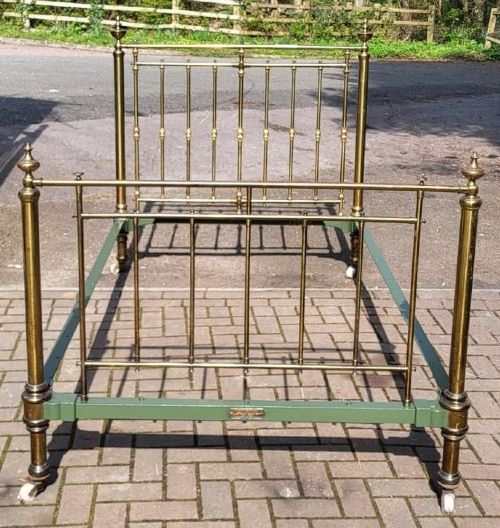
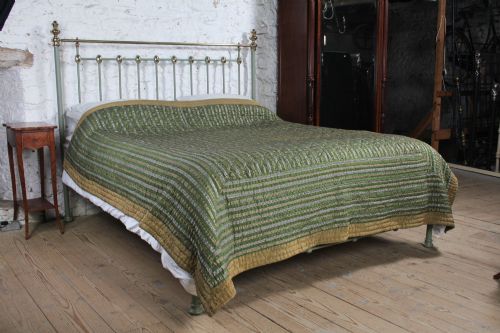
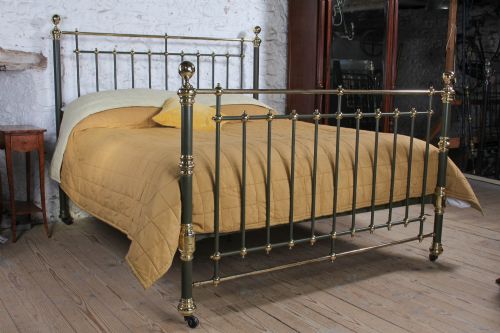
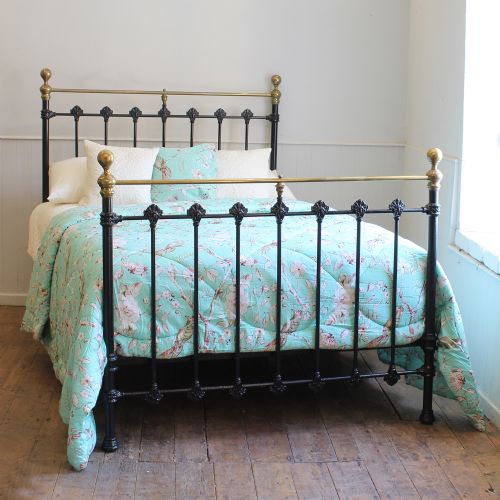
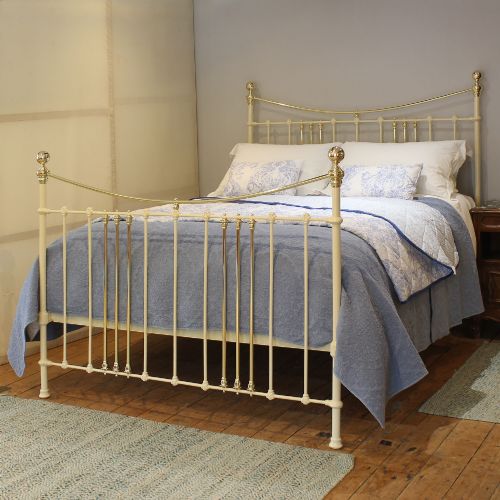
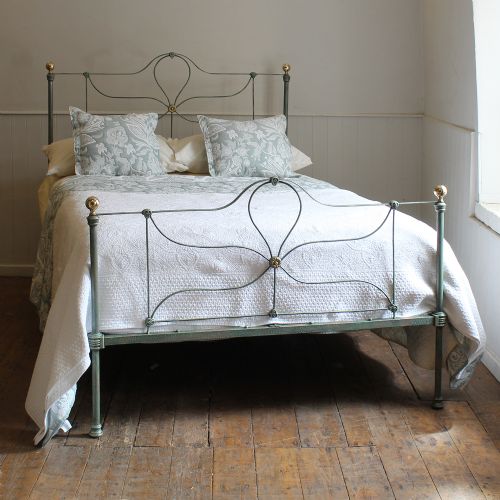
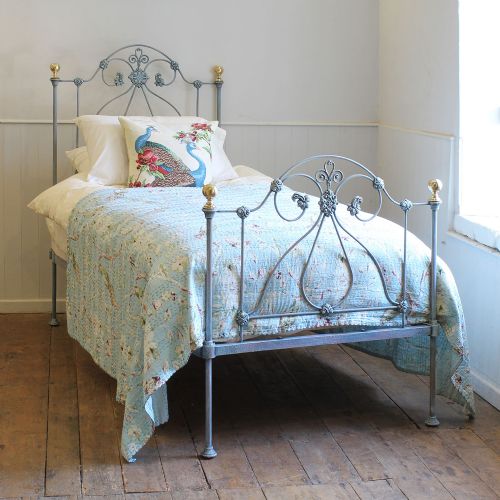
An edwardian metal bed frame unites the sturdy framing traditions of the late nineteenth and early twentieth centuries with distinctive domestic forms. Buyers searching this phrase meet single beds, double bedsteads, and larger formats tailored for period interiors.
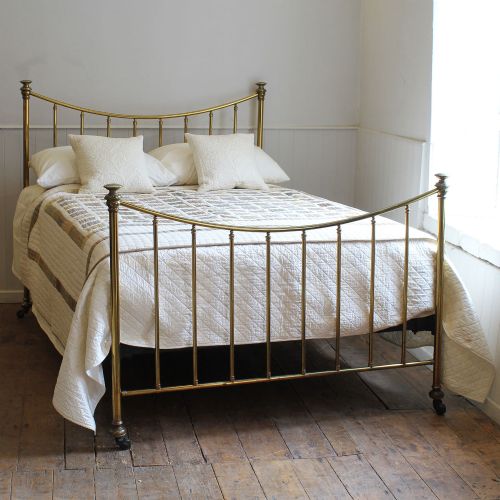
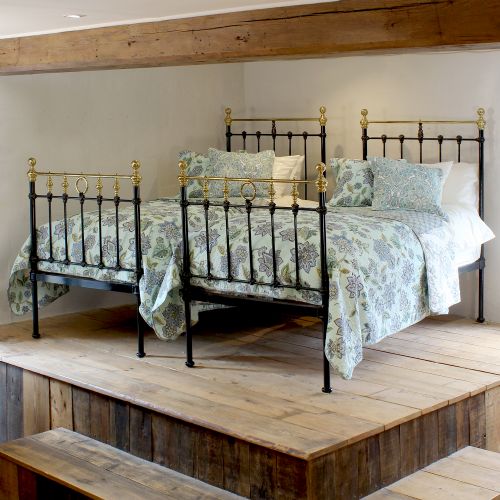
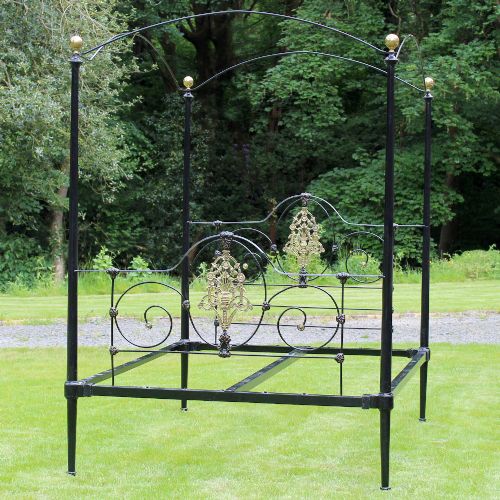
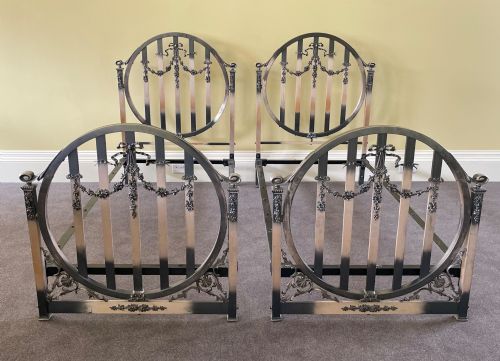
The selections span standard widths alongside specialised configurations such as pairs of single beds designed to join together or four poster formats. Many examples display the characteristic dip rail shaping or square tube construction typical of the era.
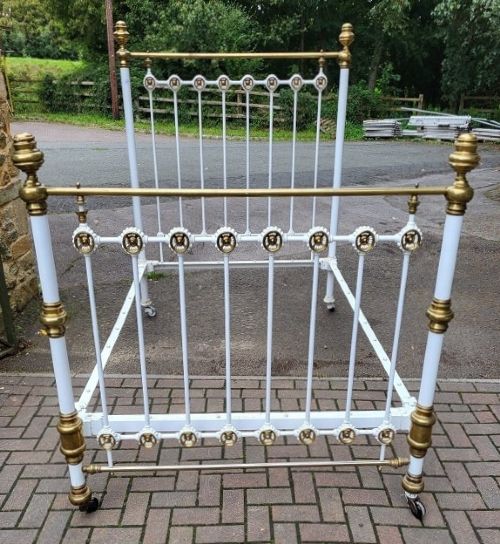
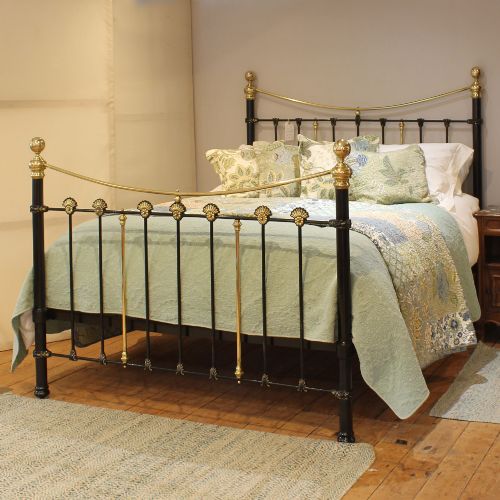
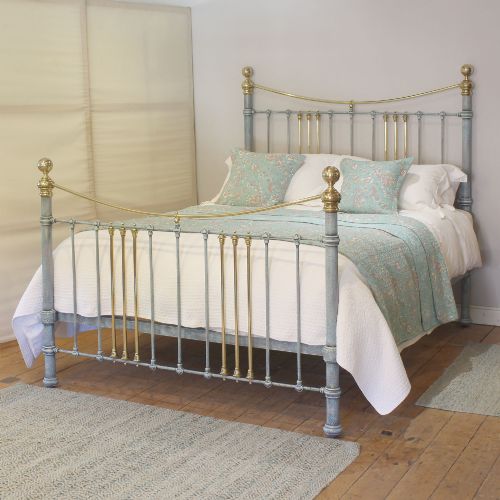
Origins stretch across Edwardian and Victorian stylistic vocabularies, incorporating French provincial influences and Art Nouveau curves alongside traditional British ironfounding. The dominant aesthetic balances utilitarian metalwork with decorative brass mounts, ceramic castors, and painted finishes.
Qualities of Construction
Quality rests upon the weight of the metalwork, the crispness of any cast brass or iron ornamentation, and the original integrity of the joints. Finer examples retain undamaged structural tubing, smooth operation of castors, and well-preserved decorative metal mounts without crude replacements.
The distinction between standard output and superior manufacture lies in the complexity of the shaping, such as dip rails and ribbon reed detailing, alongside the purity of materials like unplated brass or nickel.
Edwardian Metal Bed Frame Retail Price Guide 2026
Typical asking prices for edwardian metal bed frame among the pieces listed under this phrase on Sellingantiques today, from the lower quarter to the upper quarter. They describe what is for sale here now, not the wider market.
Several beds include the option to be joined together as a pair, perfect for when ironmongery meets matrimonial logistics.
Maple Co·Winfield
The Edwardian Metal Bed Frame Glossary
- Dip rail
- A headboard or footboard top rail that curves downwards toward the centre. This configuration was popular for softening the visual weight of iron and brass beds.
- Square tube
- Tubing formed with square cross-sections rather than standard round profiles. It appears frequently on Edwardian frames to provide a clean, rectilinear structure.
- Verdigris
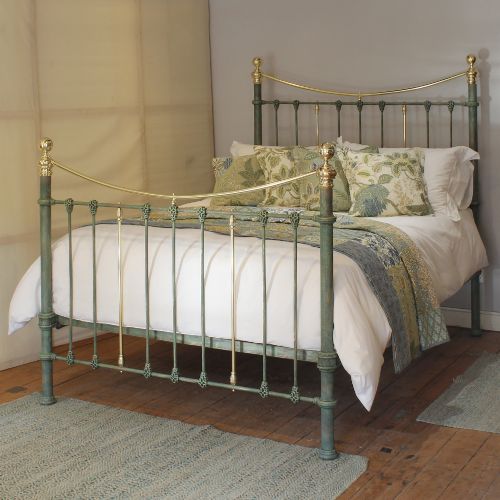
- A green patina formed naturally or artificially on copper, brass, or bronze surfaces. It is used on certain metal beds to impart an aged, weathered coloration.
- Castor
- A small wheel mounted on a swivel attached to the base of the bed legs. These facilitate movement and often incorporate ceramic or brass roller wheels.
Edwardian Metal Bed Frame: Frequently Asked Questions
Will an antique bed frame take a standard modern mattress?
Many older frames were built to nineteenth or early twentieth-century sizing conventions which may differ slightly from modern standard dimensions. Checking the exact internal width and length measurements against contemporary mattress sizes ensures a proper fit.
Additional slats or a modern concealed base platform can often be added to support contemporary foam or pocket-sprung mattresses securely within the antique frame.
How do I assemble a metal bed frame safely?
Most antique metal bed frames use a simple wedge or drop-in slot system at the four corners where the side rails meet the headboard and footboard. Tapping these joints gently with a rubber mallet helps seat the tapered wedges firmly without damaging the surrounding metal.
It is advisable to assemble the bed in its final room location because moving a fully constructed iron and brass bedstead can place undue lateral stress on the corner joints.
How do I care for painted and brass metal surfaces?
Painted iron surfaces require only gentle dusting with a dry cloth and should be kept away from excessive moisture to prevent rust forming beneath the paint layer. Avoid harsh chemical solvents that can strip original verdigris or enamel finishes.
Exposed brass components can be maintained with a soft cloth, using dedicated non-abrasive metal cleaners sparingly if polishing is desired, though many collectors prefer preserving a natural aged patina.
How can I distinguish an Edwardian frame from a Victorian one?
Victorian frames typically favour heavier, highly ornate brass and iron castings with elaborate crestings and gothic or classical revival motifs. The construction leans toward massive proportions and dense ornamentation.
Edwardian examples often introduce lighter proportions, cleaner lines, and geometric forms such as square tubing or simplified dip rails, reflecting the changing aesthetic preferences of the early twentieth century.