





Cream Bed Frame
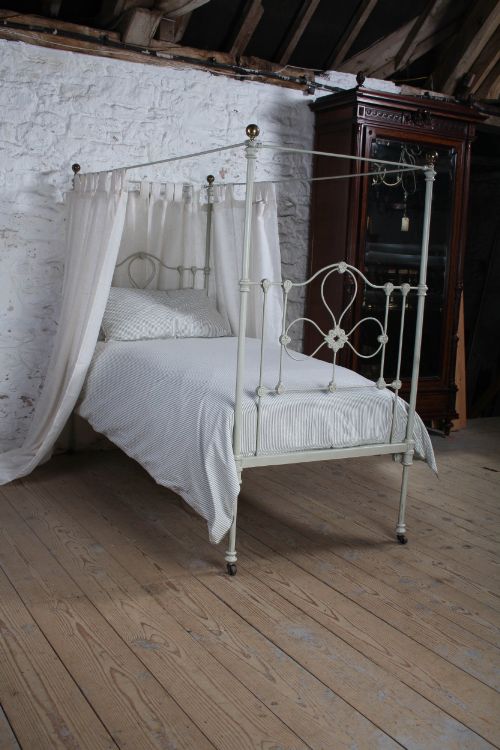
A cream bed frame brings lightness to a room, offering sturdy metal or painted wood construction across nineteenth and twentieth-century styles.
Cream Bed Frame
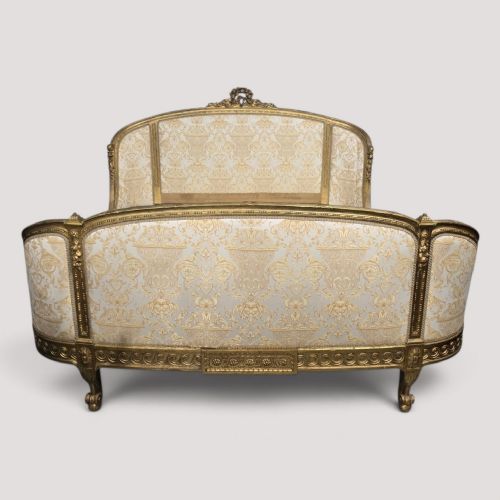
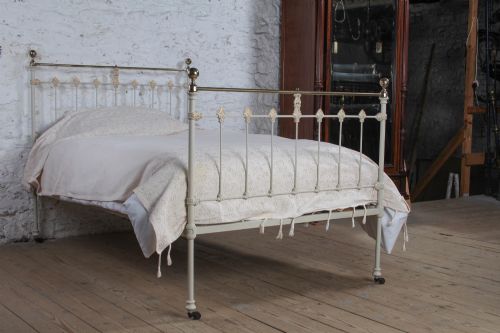
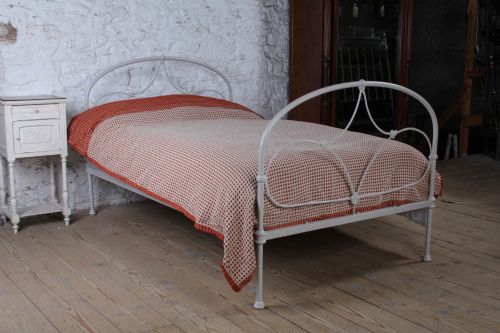
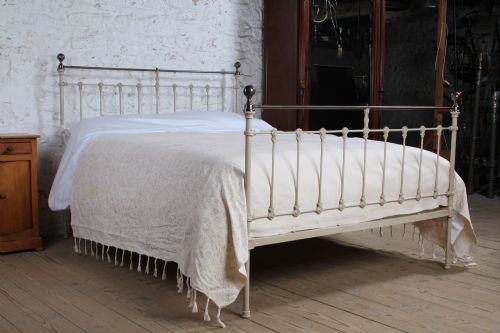
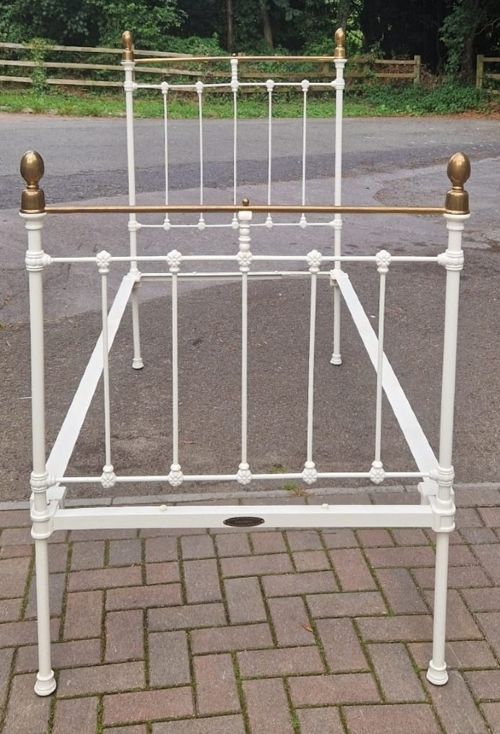
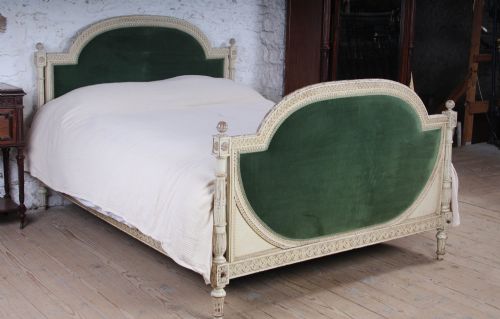
A cream bed frame comprises nineteenth and twentieth-century bedsteads in double, king, and single sizes, often finished in pale paint, ivory, or cream tones. These pieces span robust Victorian iron designs and ornate French styles including Louis XVI and provincial forms.
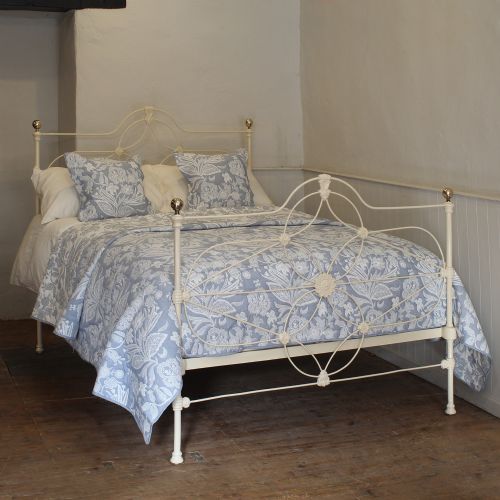
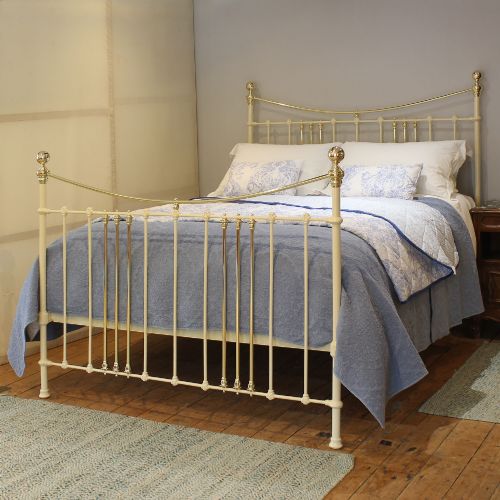
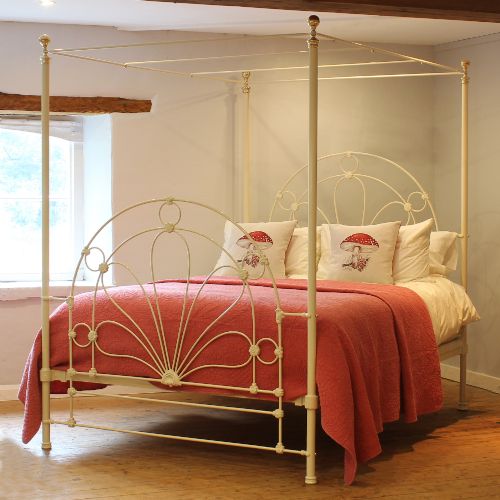
Buyers will frequently meet cast iron and brass combinations or painted wood structures on this page, originating from British, Irish, and continental workshops. Forms range from standard low-end frames to half testers, four posters, and daybeds.
How they were made
Construction relies heavily on durable cast iron and wrought iron frames, frequently accented with polished brass finials and mountings. Wooden variants employ carved timber finished with hand-applied paint, polychrome panels, or woven cane inserts.
Upholstered editions incorporate padded fabric panels, leather embossing, or rich textiles secured to carved wooden and painted frameworks. Metal components utilise traditional foundry casting methods, joining heavy iron rails with structural footboards and headboards.
Cream Bed Frame Retail Price Guide 2026
Typical asking prices for cream bed frame among the pieces listed under this phrase on Sellingantiques today, from the lower quarter to the upper quarter. They describe what is for sale here now, not the wider market.
One standout French king size bed arrives directly with a starring film credit from the television series The Great.
What varies in quality
Quality rests in the crispness of the iron casting, the depth of hand-carved wooden details, and the integrity of applied paint finishes. Superior examples display refined proportions, intact brass detailing, and original hand-painted panels rather than utilitarian replacement parts.
The sophistication of the joinery and the resilience of the structural rails separate standard functional frames from finer decorative pieces. Original upholstery work and integrated cane panels demand precise craftsmanship that elevates the piece.
R W Winfield·Howard And Sons
The Cream Bed Frame Glossary
- Bedstead
- The complete framework of a bed, including headboard, footboard, and side rails. It supports the mattress platform independently of modern divan bases.
- Half Tester
- A bed featuring a partial canopy extending only partway over the head of the mattress. This style creates a commanding focal point without occupying the full length of the bed.
- Corbeille
- A French bed style characterised by curved, rounded headboards and footboards resembling a basket. These frames often feature detailed carved wood and painted surfaces.
- Caning
- Woven material made from rattan or cane strips, utilised for decorative headboard and footboard panels. It adds texture and lightness to painted wooden frames.
- Polychrome
- Decoration utilising multiple colours, seen on hand-painted portrait panels within specific bed designs. This technique adds pictorial depth and bespoke artistic value.
Cream Bed Frame: Frequently Asked Questions
What periods do these cream bed frames cover?
The selection spans from the nineteenth century through the early twentieth century, encompassing Victorian, Edwardian, and various continental periods.
Craftsmanship reflects the industrial iron founding and decorative woodworking traditions of those eras.
Are these beds available in standard mattress sizes?
Frames appear in single, small double, double, king, and super king dimensions, alongside specific platform and four-poster formats.
Buyers should verify internal measurements against modern mattress dimensions prior to purchase.
How do I distinguish French styles from Victorian ones?
Victorian frames typically emphasise heavy cast iron and brass combinations with straight or robust structural lines.
French styles showcase painted wood, carved floral motifs, cane inserts, and curved corbeille profiles.
Can iron and brass beds be disassembled?
Most antique metal bed frames use wedge-locked or bolted side rails that allow complete dismantling for transport.
This construction method makes moving and assembling these substantial pieces straightforward.