

Cast Iron Bed Finials
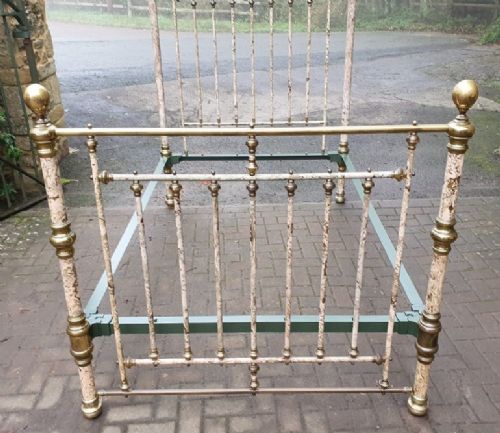
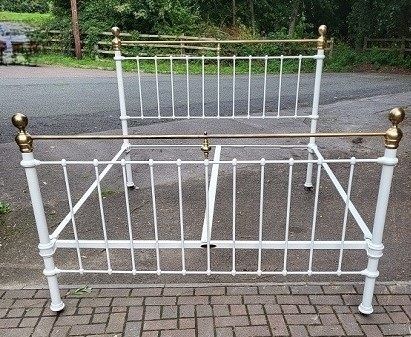
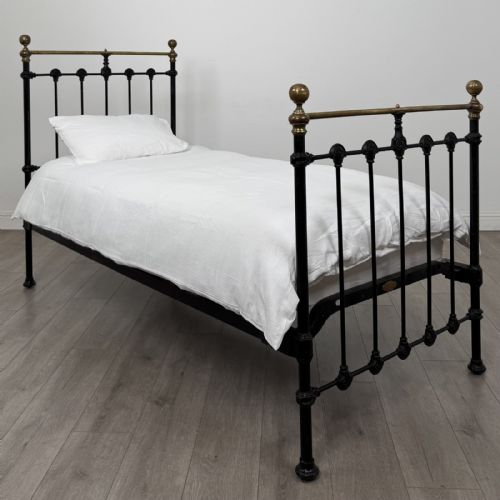
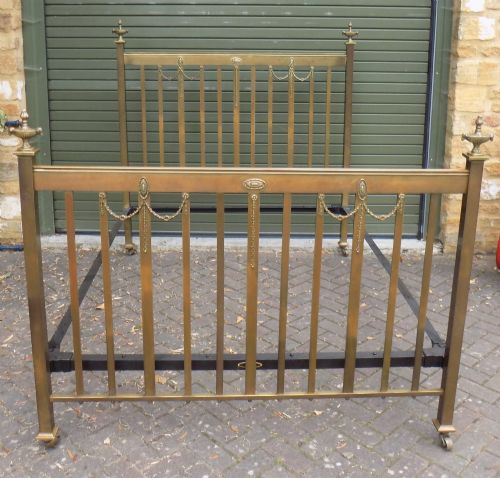
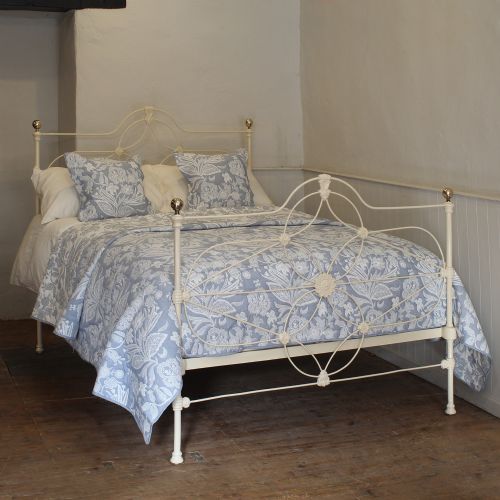
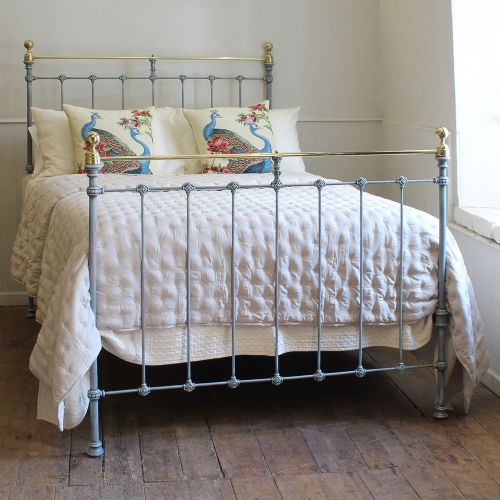
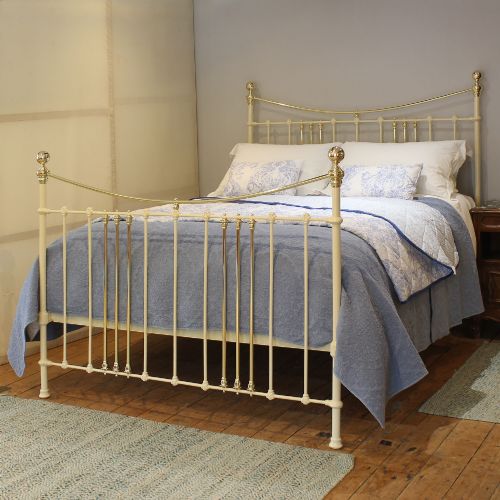
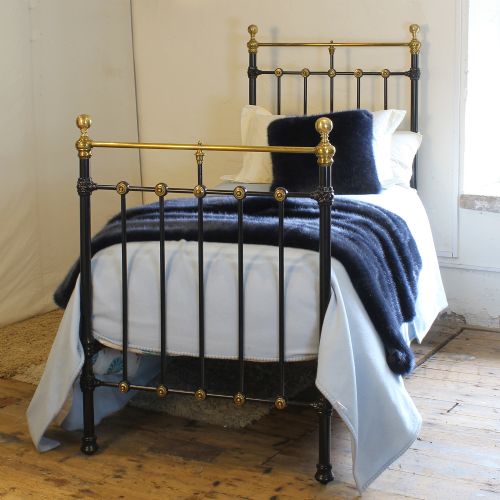
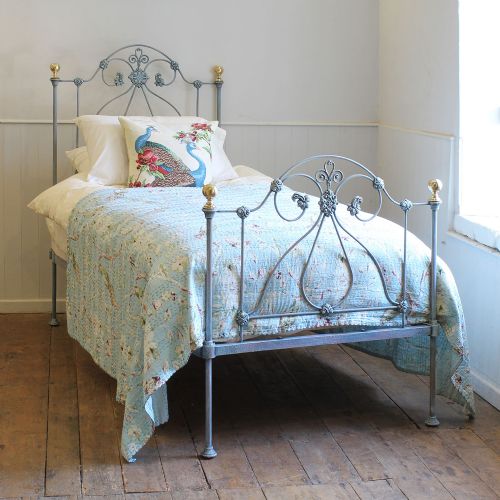
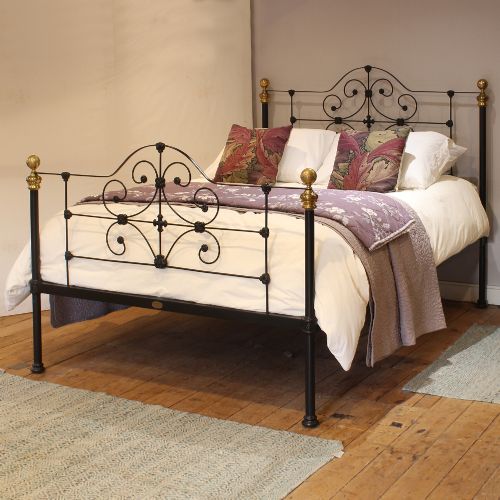
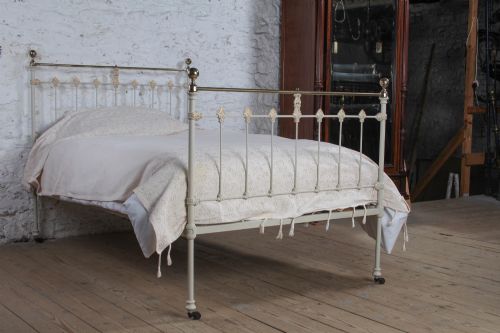
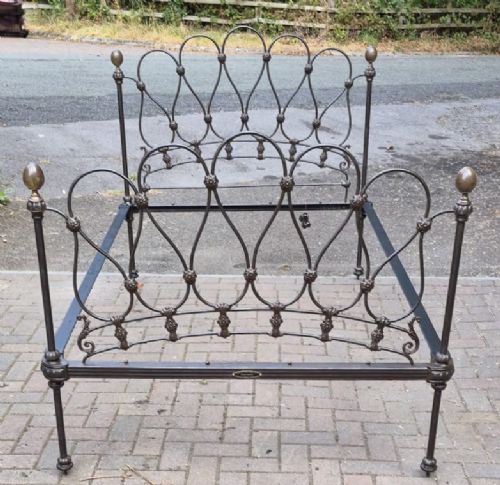
Cast iron bed finials are the decorative terminal caps and knobs that finish off metal bed frames, bringing period character to antique furniture.
Cast Iron Bed Finials
When you search for cast iron bed finials, you are looking for the decorative metal terminals that cap the vertical posts of nineteenth-century bedsteads. The evidence across these listings centres entirely on Victorian iron and brass beds, spanning the decades from eighteen fifty to nineteen hundred.
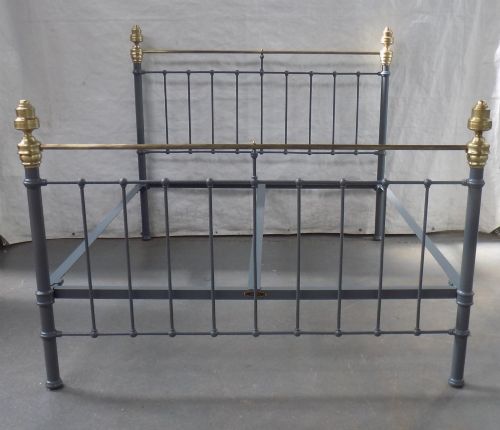
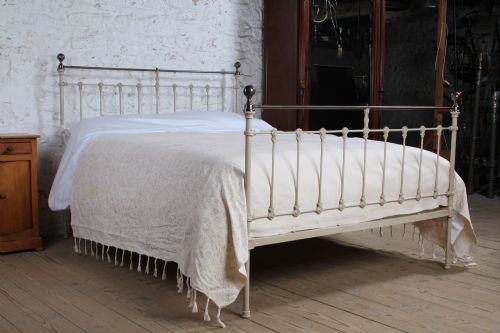
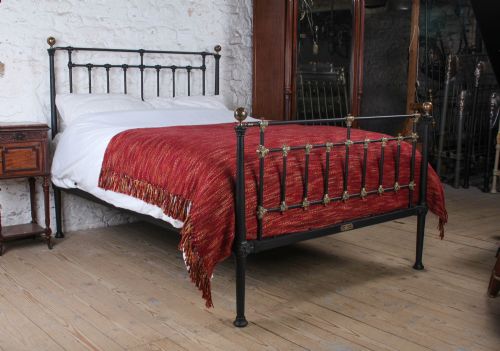
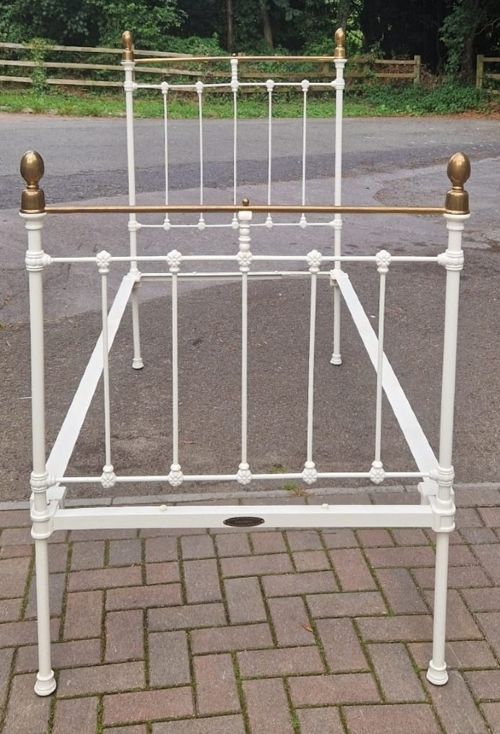
Most pieces on this page belong to full metal bed frames and bedsteads rather than loose components. They appear on double, single, and king-size Victorian beds rendered in cast iron, wrought iron, and brass.
Makers such as Winfield and Maple & Co. produced these robust metal frames during the Victorian period. You encounter them finished in black, cream, blue verdigris, and original japanned lacquer.
How they were made
The construction combines heavy cast iron frames with contrasting brass decoration and tapered posts. Foundries utilised traditional casting and moulding techniques to shape the molten metal into sturdy structural forms.
Surface treatments recorded in the evidence include applied paint finishes and traditional japanned lacquer. These coatings protected the underlying iron and brass while offering distinctive period colours like cream and black.
Cast Iron Bed Finials Retail Price Guide 2026
Typical asking prices for cast iron bed finials among the pieces listed under this phrase on Sellingantiques today, from the lower quarter to the upper quarter. They describe what is for sale here now, not the wider market.
The listings span the Victorian era from eighteen fifty to nineteen hundred, utilising cast iron, wrought iron, brass, paint, and japanned lacquer.
What varies in quality
Quality rests on the crispness of the casting work and the integration of brass components upon the iron framework. Finer examples display clean lines and well-preserved decorative details rather than softened edges.
The integrity of the original surface finish, whether japanned lacquer or coloured paint, marks the difference between standard production and better-preserved specimens. Maker attributions to firms like Winfield or Maple & Co. also influence standing.
Winfield·Maple & Co.
The Cast Iron Bed Finials Glossary
- Cast iron
- A strong, hard iron-carbon alloy produced by pouring molten metal into a mould. It forms the primary structural body of these Victorian bed frames.
- Japanned lacquer
- A dense, dark protective resin finish applied in imitation of Japanese lacquer work. It provides a durable and glossy black coating on nineteenth-century metalwork.
- Brass
- A yellow alloy of copper and zinc used extensively for decorative trim and contrast on iron bedsteads. It brings a bright metallic accent to the dark iron structure.
- Verdigris
- A green patina formed naturally on copper and brass surfaces through atmospheric oxidation. On these beds, it appears as an intentional or aged blue-green coloration.
Cast Iron Bed Finials: Frequently Asked Questions
What periods do these beds come from?
The listings on this page span the Victorian era, specifically covering decades from eighteen fifty to nineteen hundred. Most pieces date from the latter half of the nineteenth century.
Foundries and makers operating during this period produced robust iron and brass bedsteads featuring the styles recorded in our evidence.
What materials are used in these frames?
The primary materials are cast iron, wrought iron, and brass. Many examples combine iron structural components with polished brass decoration and tapered posts.
Surfaces are finished in plain iron, applied paint schemes including cream and blue verdigris, or traditional japanned lacquer.
Are these full beds or parts?
The evidence on this page consists entirely of complete beds, bed frames, and bedsteads rather than isolated components. You will find double, single, and king-size formats.
These pieces originate from nineteenth-century makers and retain their original structural configurations and decorative terminals.
How do I identify a Winfield bed?
Winfield pieces in the listings are nineteenth-century iron and brass bedsteads featuring tapered posts and distinctive metalwork. The attribution relies on maker documentation associated with the specific pieces.
Such beds combine structural iron framing with high-quality brass details characteristic of the firm's Victorian production.