


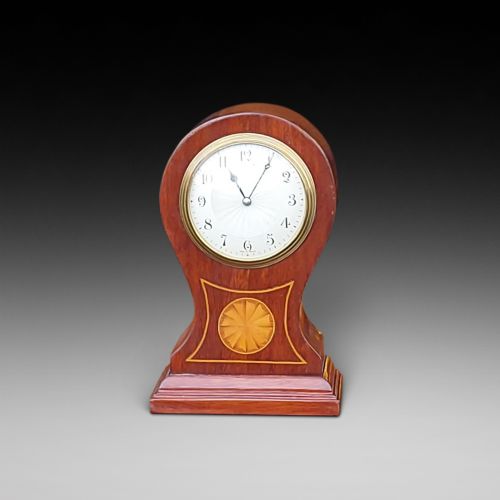


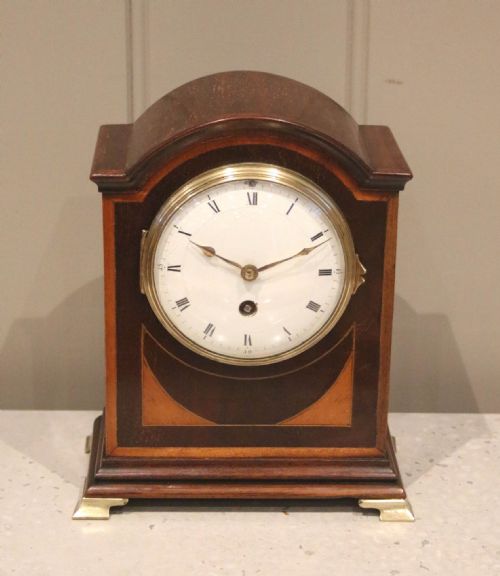

Edwardian Inlaid Timepiece
An edwardian inlaid timepiece brings architectural polish and precise desk or mantel timekeeping into a room, combining rich timber with delicate stringing.

Edwardian Inlaid Timepiece
When you search for an edwardian inlaid timepiece, you encounter compact mantel clocks and desk pieces originating predominantly from the Edwardian era, alongside related nineteenth century examples. These objects serve both a domestic timekeeping function and function as decorative wooden ornaments for mantels and desks.
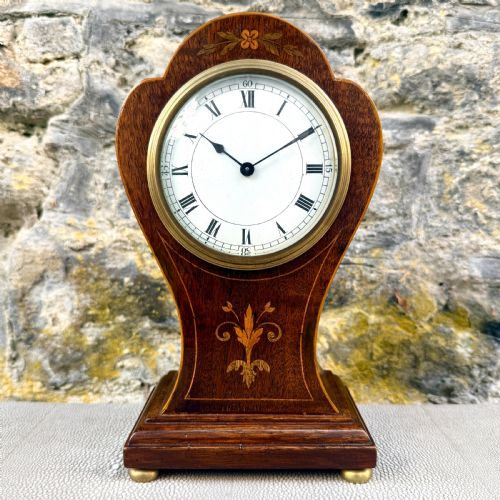
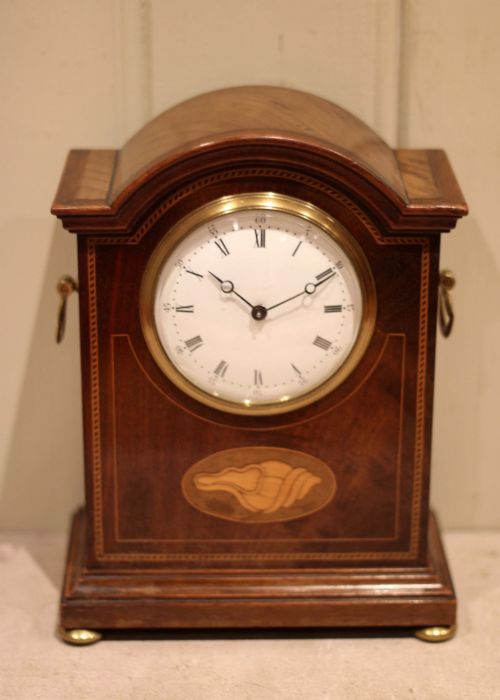
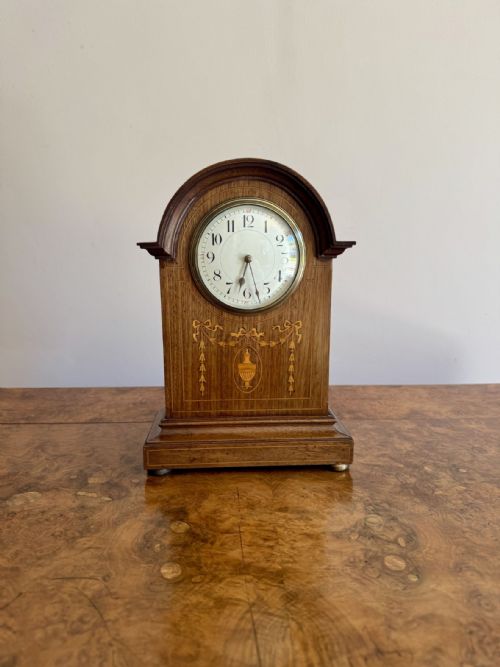
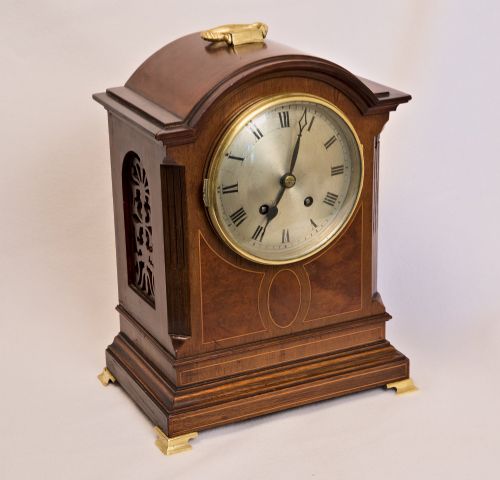
The dominant forms on this page include mahogany balloon clocks, lancet top designs, and architectural arch pieces. Many of these clocks incorporate satinwood stringing, marquetry, or specific botanical motifs such as poppies.
While the majority of the selection sits firmly within the Edwardian period or around nineteen hundred, the listings also draw upon Victorian, Art Nouveau, and Belle Epoque aesthetic influences. This variety ensures buyers find everything from austere lancet shapes to flowing floral inlay.
Materials and construction
Makers built the structural carcases of these clocks using solid timbers like mahogany, oak, and occasionally rosewood. They applied finely figured veneers and contrasting satinwood inlay to the exterior surfaces to create visual depth and geometric or organic patterns.
Glazed bezels protect the enamel dials and brass fittings from dust and damage. The joinery relies on traditional cabinet-making techniques suited to housing delicate mechanical movements securely within wooden housings.
Some Edwardian mantel clocks traded plain wooden cases for inlaid poppies, letting a tired Victorian hearth burst into botanical bloom.
Distinctions in quality
Quality reveals itself in the precision of the cabinetwork and the subtlety of the timber selection. Finer examples display crisp herringbone stringing, well-matched veneer grains, and balanced proportions across architectural or balloon silhouettes.
The artistry of the inlay work further separates standard production from superior pieces. Hand-cut marquetry depicting floral subjects like poppies or delicate brass details demonstrate greater workshop skill than plain or heavy-handed decoration.
The Edwardian Inlaid Timepiece Glossary
- Timepiece
- A clock that tells the time without striking the hours or chiming. These movements focus purely on keeping time.
- Balloon clock
- A mantel clock featuring a curved, bulbous silhouette that tapers toward the base. This shape gained popularity during the late nineteenth and Edwardian periods.
- Lancet top
- A clock case design terminating in a pointed, Gothic-arch peak. It offers a vertical, architectural presence on a mantelpiece.
- Satinwood inlay
- Contrasting light-yellow timber inserted into a darker ground wood to form decorative borders or motifs. It provides a sharp visual accent against mahogany.
- Drop-dial wall clock
- A wall-mounted clock featuring a circular dial above an extended wooden trunk. These pieces often hung in hallways and functional rooms.
Edwardian Inlaid Timepiece: Frequently Asked Questions
What is an edwardian inlaid timepiece?
An edwardian inlaid timepiece is a mechanical desk or mantel clock housed in a wooden case decorated with contrasting wood veneers. These decorative objects date primarily from the early twentieth century and combine utility with cabinet-maker artistry.
They sit easily on mantelpieces, desks, and shelves, providing both accurate timekeeping and a polished decorative accent for a room.
How do I wind the clock?
Winding requires a key inserted into the winding arbor on the enamel dial face. Turn the key gently until you feel firm resistance, taking care not to overwind the mainspring.
Most timepieces require attention weekly or at regular intervals to maintain continuous operation. Consult the specific movement requirements before adjusting the hands.
Where should I place it?
These clocks belong on stable, level surfaces away from direct sunlight, moisture, and extreme temperature fluctuations. Mantelpieces and sturdy wooden desks provide ideal placement.
Ensure the surface does not experience heavy vibrations that could disrupt the pendulum or balance wheel mechanism inside the wooden case.
How do I identify the period?
Dating relies on examining the timber, the style of the enamel dial, and the exterior decorative motifs. Edwardian pieces frequently feature satinwood stringing, mahogany cases, and subtle Art Nouveau influences.
Comparing the silhouette against documented architectural arch, balloon, and lancet forms helps narrow down the manufacturing decade.