


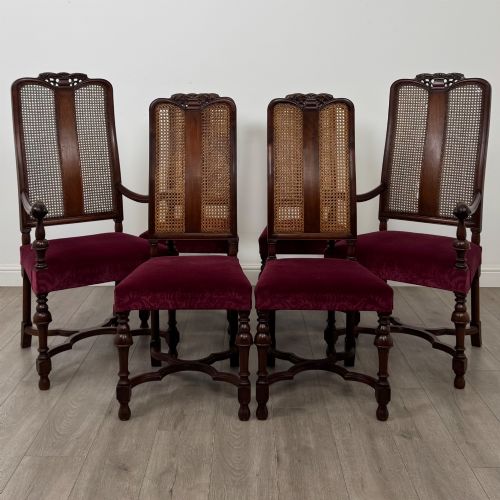
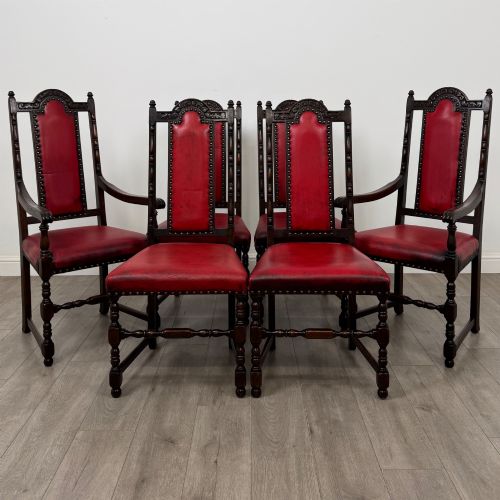
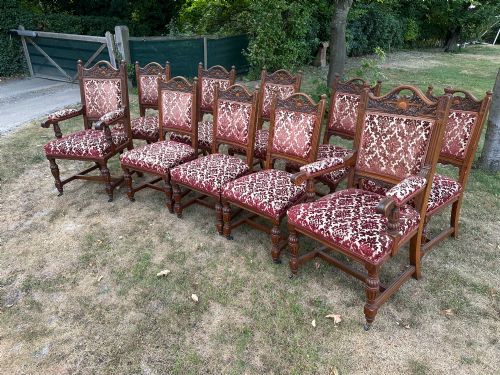
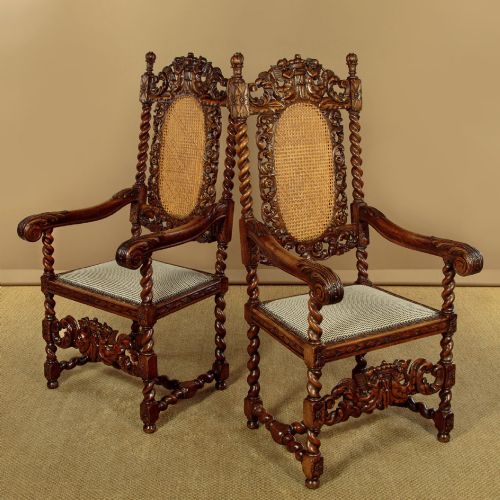


Edwardian High Back Armchair
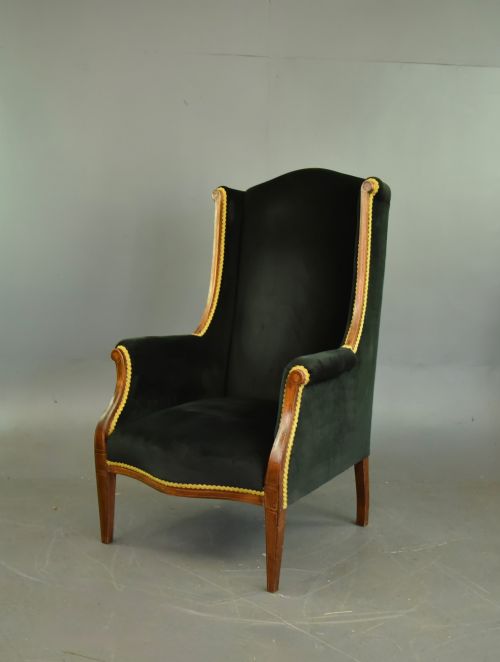
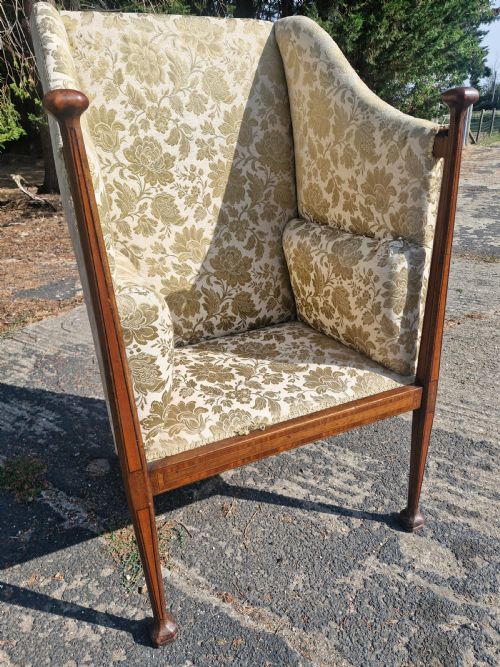
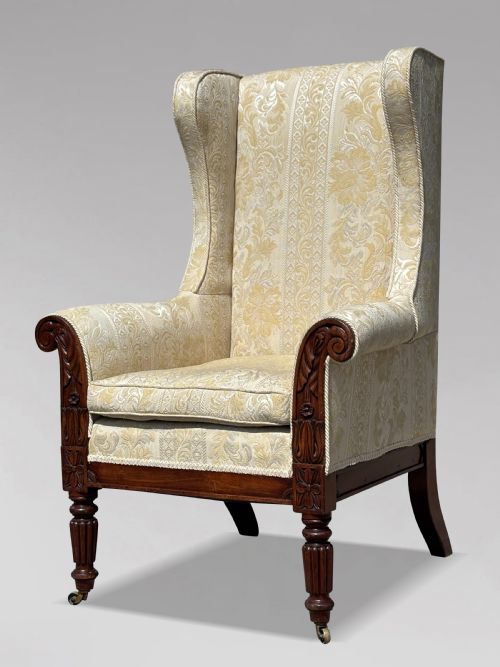
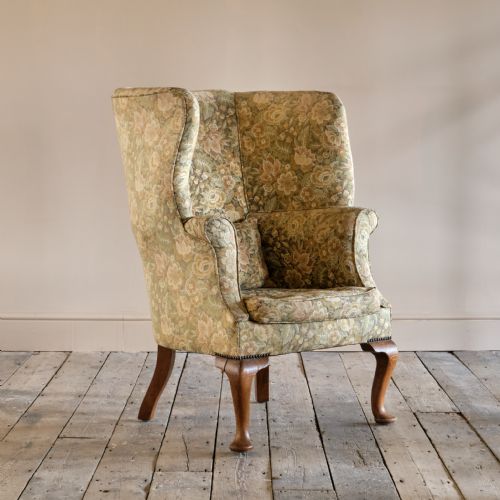
An edwardian high back armchair combines tall timber framing with deep upholstered comfort, offering a commanding seat for fireside or study.
Edwardian High Back Armchair
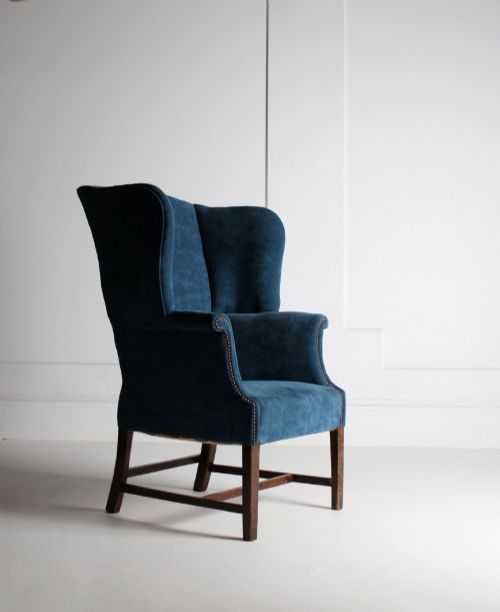
An edwardian high back armchair is a substantial seating form designed to support the head and shoulders, frequently emerging in periods such as the Edwardian era, 1900, and 1910. The selection includes wingback chairs, library chairs, and salon models that reflect diverse revivals from Jacobean to Queen Anne.
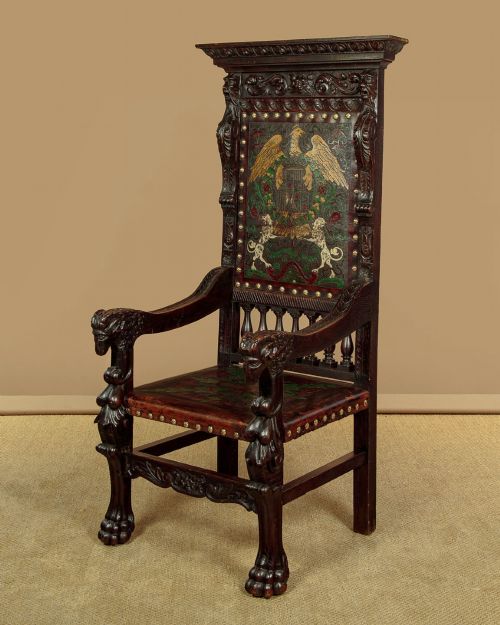
Makers and workshops of the early twentieth century produced these chairs in mahogany, oak, and walnut, often pairing timber frames with leather, velvet, or woven cane. Pieces span simple country house seating to elaborate carved thrones and refined inlaid designs.
How they were made
Frames rely on sturdy timbers like mahogany, oak, and walnut, shaped through turning, joinery, and detailed carving in styles ranging from Arts and Crafts to Gothic Revival. Makers integrated structural elements such as high wooden backs and broad arms to support heavy upholstery.
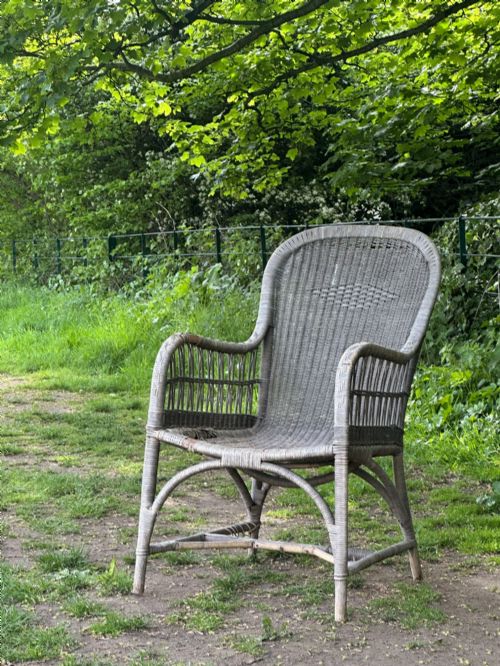
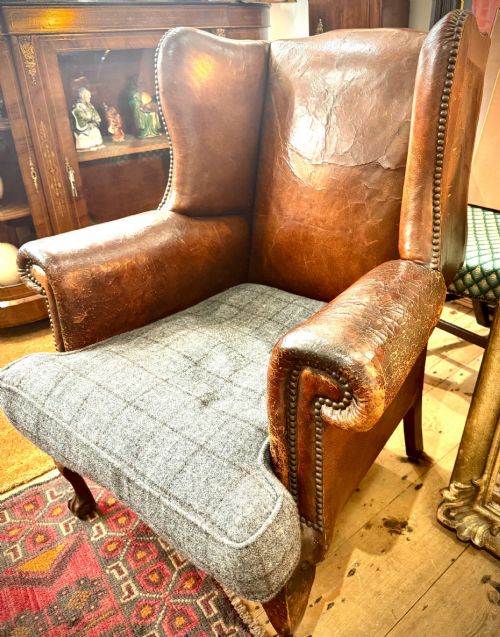
Upholstery techniques utilise traditional materials including leather, tapestry, velvet, and handwoven cane panels, secured with buttoning or stud work. Inlays of lighter woods and painted leather details further embellish the primary timber structures.
Some high back chairs required tall timber frames simply to keep aristocratic ears warm away from drafty castle windows.
What varies in quality
The standard of timber selection and the crispness of hand carving dictate the visual weight of the frame, distinguishing standard production from exceptional workshop output. Grain alignment in mahogany and walnut frames demonstrates superior cabinet-making.
The integrity of the upholstery materials, from supple leather to handwoven cane and dense velvet, determines the depth of the finish. Original surface patination and restrained mahogany inlay separate refined pieces from simpler utility seating.
Liberty Morris And Co·Dryad of Leicester·Whytock And Reid·Howard And Sons
The Edwardian High Back Armchair Glossary
- Bergère
- An enclosed upholstered armchair with wooden framing, frequently featuring cane sides or backs. This French-inspired form appears across Edwardian seating.
- Wingback
- An armchair with flanking side panels designed to shield the sitter from draughts. The tall back version provides distinct head support.
- Art Nouveau
- A stylistic movement characterised by organic flowing lines and natural motifs. It appears on inlaid mahogany and upholstered chair frames around nineteen hundred.
- Arts and Crafts
- A design movement prioritising traditional handcraftsmanship and honest materials. Oak framing and exposed construction define these pieces.
- Jacobean Revival
- A style emulating seventeenth-century heavy carved furniture. Pieces display dark oak timbers and formal turned supports.
Edwardian High Back Armchair: Frequently Asked Questions
What is an edwardian high back armchair?
An edwardian high back armchair is a tall seating piece designed during the early twentieth century to provide head and shoulder support by the fireside or in a library.
These chairs combine sturdy timber frames in mahogany, oak, or walnut with deep upholstery in leather, velvet, or fabric.
How do I date an edwardian high back armchair?
Dating relies on observing timber choices, upholstery methods, and stylistic details such as Edwardian inlay or Arts and Crafts framing.
Comparative pieces from related periods like 1900 or 1910 share construction traits that help narrow the decade of manufacture.
Where were these armchairs used?
These armchairs served in formal libraries, country house drawing rooms, and studies where tall backs offered protection from cold draughts.
Their commanding proportions made them central seating elements in domestic interiors of the early twentieth century.
What materials are used in these chairs?
Frames are constructed primarily from hardwoods including mahogany, oak, walnut, and occasional fruitwood.
Seating surfaces and panels incorporate leather, velvet, tapestry, cane, and woven rush.