


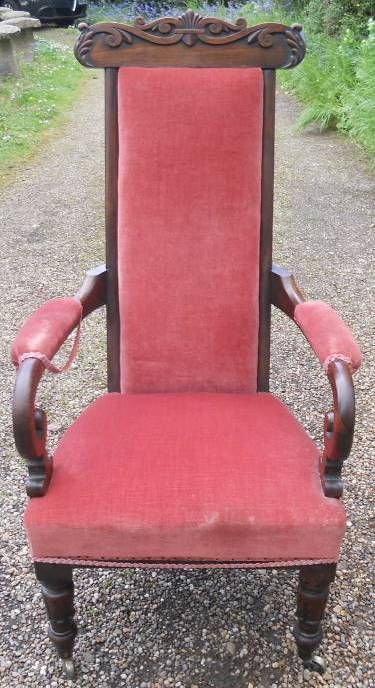
Rosewood Elbow Chair
A rosewood elbow chair brings striking timber grain and sturdy support to a room, offering both comfort and decorative presence.
Rosewood Elbow Chair
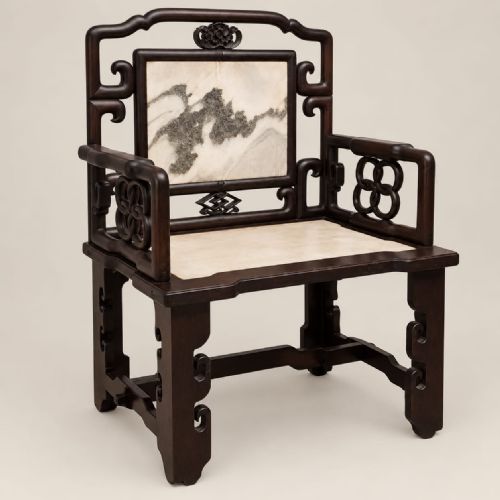
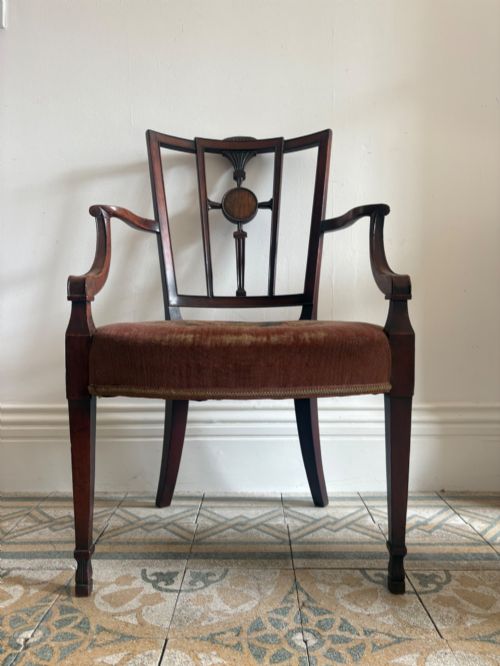
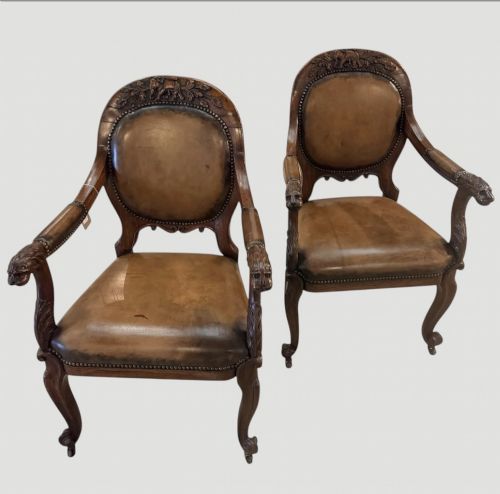
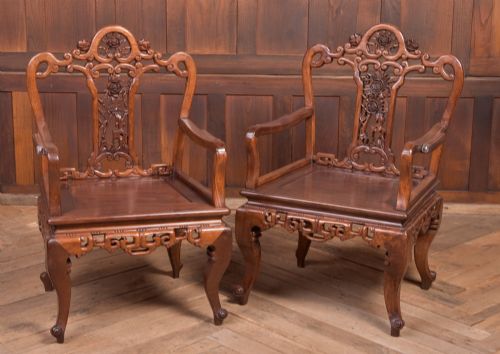
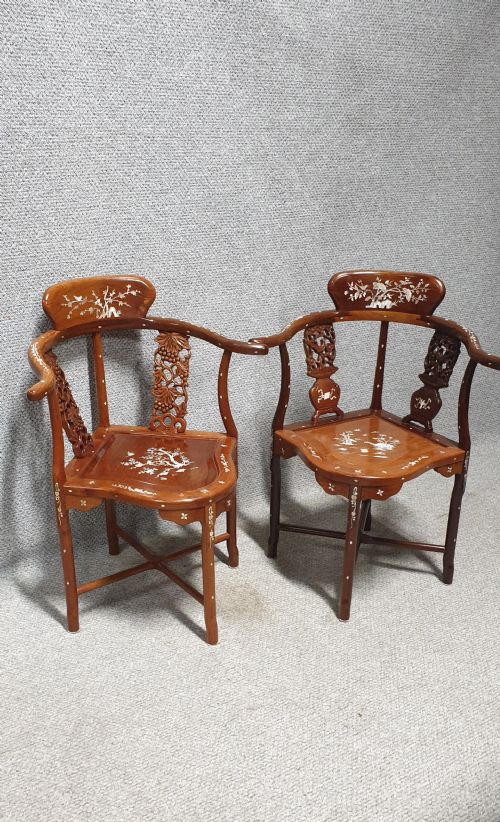
When searching for a rosewood elbow chair, you encounter seating designed with supportive side arms, spanning periods from the eighteenth century through to the early twentieth century. These pieces encompass diverse regional traditions, including English Regency, Victorian, and Anglo-Indian designs.
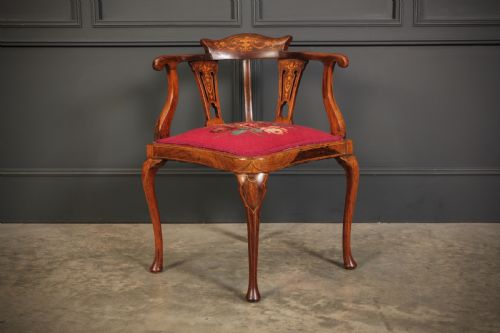
The most common examples on this page date from the nineteenth century, reflecting Victorian and Regency preferences for rich timber and formal framing. Many incorporate upholstered seats or cane panels, whilst others present solid wood construction suited to libraries or desks.
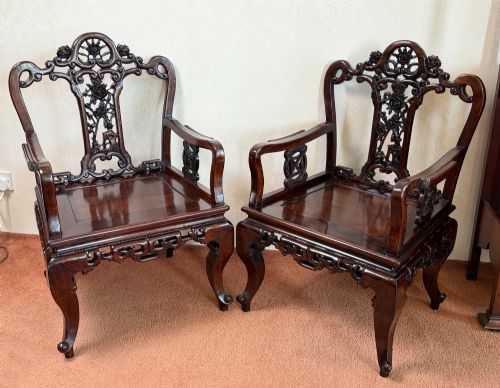
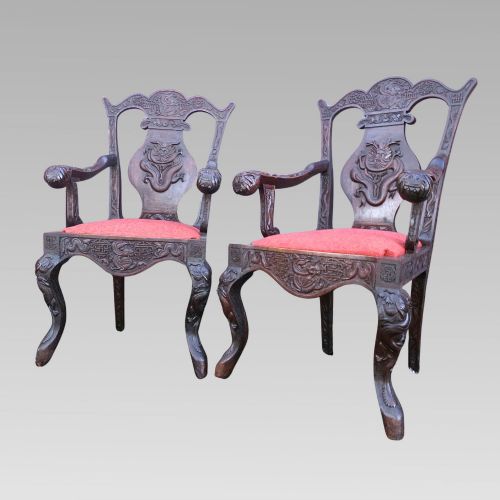
Origins stretch from British workshops to Chinese Qing Dynasty productions and Anglo-Indian iterations. This variety means you might select a brass-inlaid Regency model or a heavily carved hardwood throne chair depending on your interior space.
How they were made
Maker workshops built these chairs using dense rosewood alongside secondary timbers like mahogany and hardwood, frequently embellishing the primary surfaces with brass inlay or marquetry details. Structural integrity relied on traditional joinery techniques to support the characteristic elbow rests and upright frames.
Upholstery methods varied widely, utilising velvet, fabric, or woven cane inserts to provide seat comfort. Surface finishes were polished to highlight the natural grain variations of the rosewood and simulated rosewood treatments.
Some nineteenth-century makers evidently decided that dragon carvings and brass stringing belonged in the exact same room.
What varies in quality
The distinction between standard examples and finer pieces lies in the crispness of the carving, the precision of brass inlay work, and the integration of the arm supports into the main frame. Superior items demonstrate careful timber selection that showcases rich grain patterns evenly across the backrest and legs.
Condition of the original upholstery, cane work, and structural joins heavily influences the integrity of each piece. Maker attribution, such as stamps from established cabinet makers, elevates the standing of certain nineteenth-century examples.
Gillows·Maple and Co
The Rosewood Elbow Chair Glossary
- Elbow chair
- A seating form equipped with side arms for support, often used as a desk or library chair. These pieces provide a wider frame than standard side chairs.
- Regency
- A design period spanning the early nineteenth century characterised by classical restraint and decorative brass inlays. Pieces from this era often draw inspiration from Greco-Roman forms.
- Marquetry
- The art of applying pieces of veneer to a structure to form decorative patterns. This technique frequently ornaments eighteenth and nineteenth-century furniture surfaces.
- Cane
- Woven rattan material used for chair seats and backs. It provides a lightweight, resilient surface often found on nineteenth-century seating.
- Anglo-Indian
- Furniture made in India by local craftsmen for British residents or export during the colonial period. These items typically combine European forms with intricate local carving traditions.
Rosewood Elbow Chair: Frequently Asked Questions
How do I date a rosewood elbow chair?
Dating relies on examining the construction methods, timber choice, and stylistic markers corresponding to periods like the Regency or Victorian eras. Secondary woods and framing techniques often reveal the approximate decade of manufacture.
Comparing the decorative motifs, such as brass inlay or carved oriental dragons, against known period examples helps narrow down the timeframe further.
Were these chairs used at desks?
Many elbow chairs served specific functional roles in libraries, studies, and offices as desk or carver chairs. Their supportive side arms made them suitable for writing and prolonged sitting.
Over time, owners also placed them in parlours and reception rooms for decorative seating rather than active workspace use.
How should I care for rosewood furniture?
Rosewood benefits from stable indoor humidity levels and protection from direct sunlight to prevent the timber from drying out or fading. Gentle dusting with a dry cloth maintains the polished surface without damaging the grain.
Avoid placing these chairs near direct heat sources, which can destabilize traditional joinery and veneer work.
What is the difference between solid and simulated rosewood?
Solid rosewood utilises the actual dense tropical timber throughout the primary structural components of the chair. This provides substantial weight and authentic natural grain depth.
Simulated rosewood typically involves painting or graining a more common timber, such as beech or birch, to mimic the appearance of the exotic hardwood.