


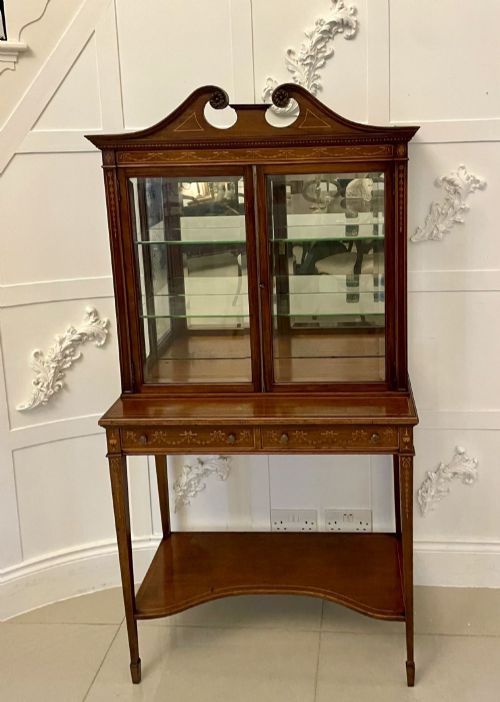
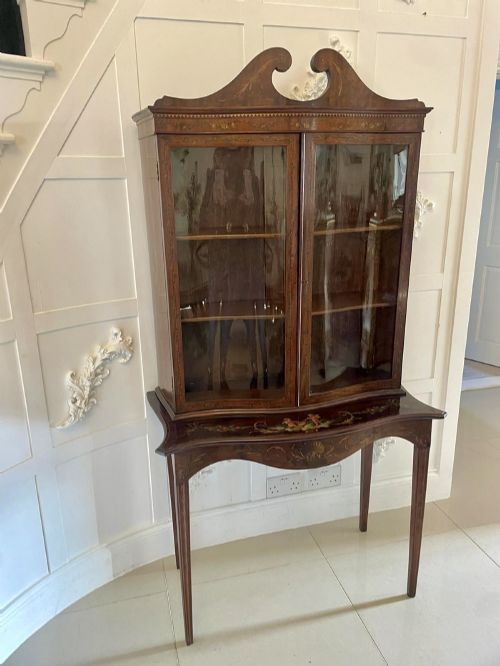
Edwardian Glazed Cupboard
An edwardian glazed cupboard brings proportion and light into a room, serving as a handsome home for books and ceramics.
Edwardian Glazed Cupboard
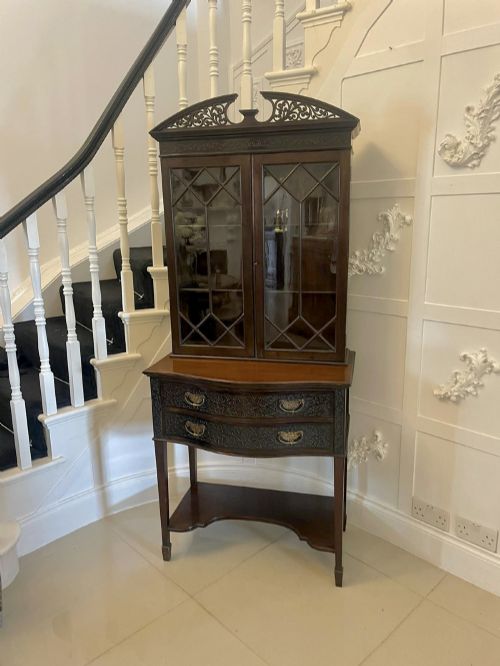
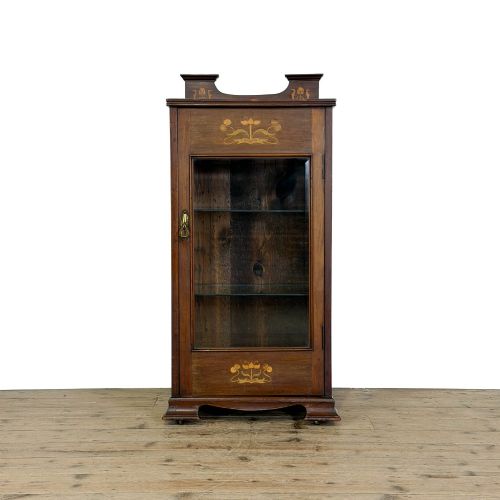
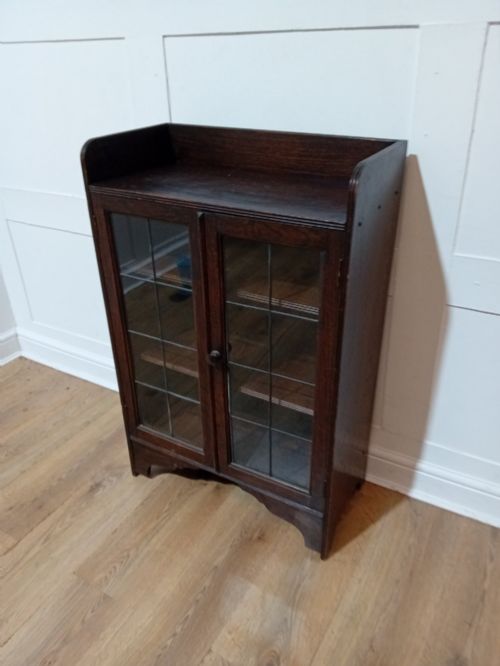
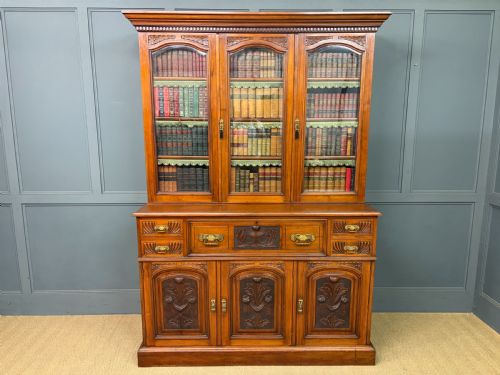
When you search for an edwardian glazed cupboard, you encounter a variety of storage and display furniture originating predominantly from the early twentieth century and the late nineteenth century. These forms encompass display cabinets, bookcases, corner cabinets, music cabinets, and dressers, reflecting the domestic needs of the period.
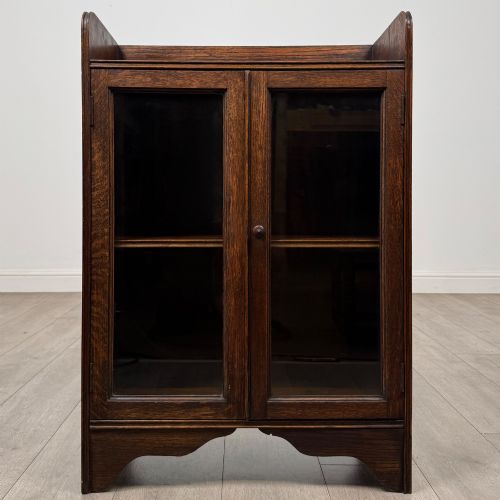
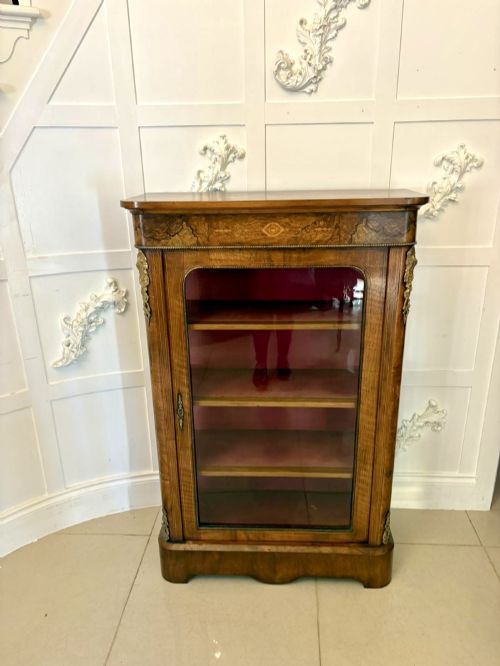
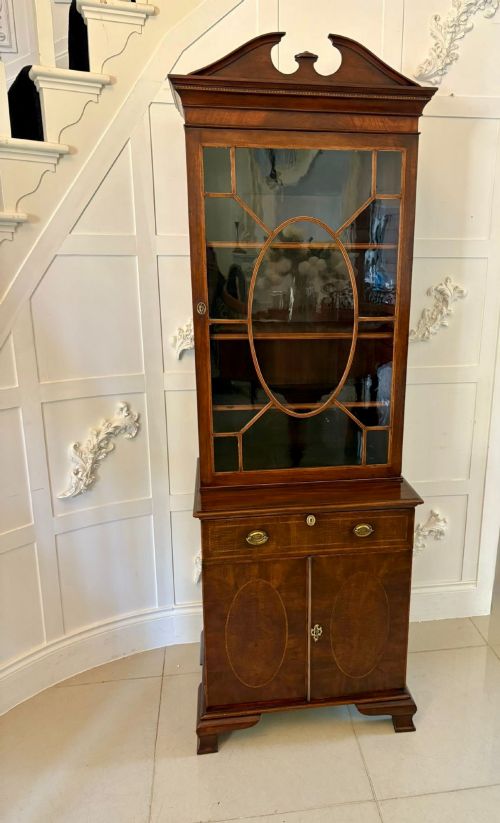
The version you are most likely to meet on this page is a freestanding mahogany display cabinet or corner cupboard, often embellished with satinwood inlay or Sheraton Revival motifs. Pieces constructed from oak, walnut, and figured walnut also appear frequently, spanning floor-standing formats and smaller wall-mounted variations.
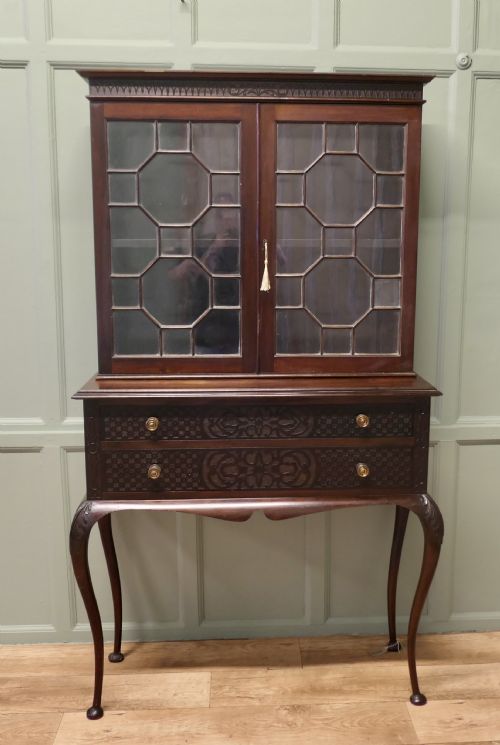
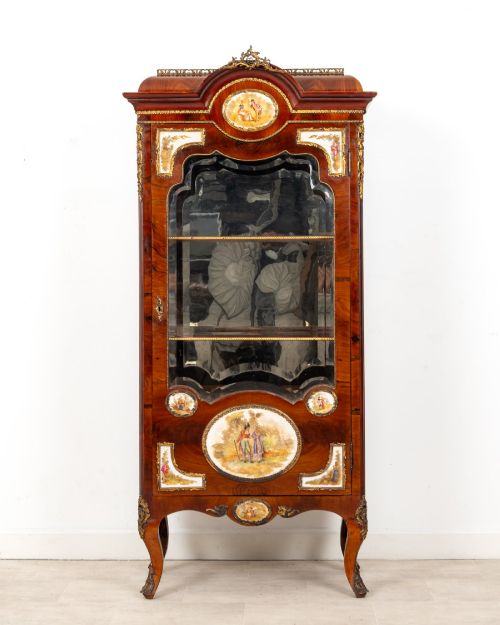
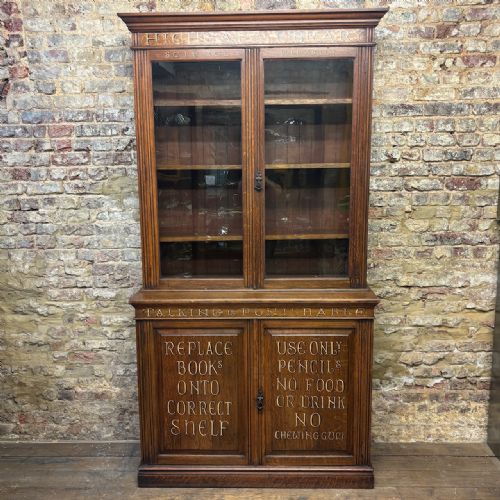
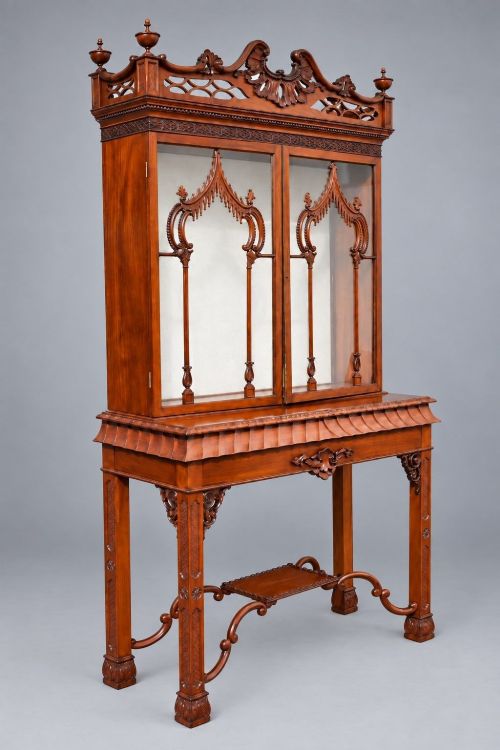
The selection bridges several stylistic revivals, including Chinese Chippendale, Arts and Crafts, and Art Deco influences alongside standard Edwardian and Victorian tastes. Pieces range from straightforward school library bookcases to elaborately decorated cabinets featuring painted decoration and porcelain plaques.
How they were made
Makers utilised solid timbers and selected veneers such as mahogany, oak, walnut, and satinwood, applying intricate marquetry and satinwood inlay to enrich the primary surfaces. Glazing bars, often configured in astragal patterns, divide the glass panels to secure the contents while maintaining visual transparency.
Brass hardware, including hinges, handles, and escutcheons, provides functional and decorative accents across the various display cabinets and bookcases. Interior elements occasionally incorporate fabric linings or mirror-backs to enhance the display of stored items.
Edwardian Glazed Cupboard Retail Price Guide 2026
Typical asking prices for edwardian glazed cupboard among the pieces listed under this phrase on Sellingantiques today, from the lower quarter to the upper quarter. They describe what is for sale here now, not the wider market.
Music cabinets share floor space with bookcases, proving that Edwardian sheet music deserved its own glazed sanctuary.
What varies in quality
The refinement of the timber selection and the precision of the inlay work distinguish standard production from exceptional examples. Figured veneers, balanced grain patterns, and carefully matched marquetry indicate a higher grade of craftsmanship.
Joinery execution, particularly in the shaping of astragal glazing bars and the fitting of doors, separates superior pieces from utilitarian items. The presence of original decorative elements, such as hand-painted details or stamped maker signatures, further elevates a piece within the range.
Edwards & Roberts·Maple & Co
The Edwardian Glazed Cupboard Glossary
- Astragal
- A moulding profile used to divide panes of glass within a glazed door or window. In these cabinets, astragal bars often form delicate geometric patterns.
- Marquetry
- The art of applying pieces of veneer to a structure to form decorative patterns and pictures. Makers utilised contrasting woods to achieve pictorial and geometric designs.
- Sheraton Revival
- A late nineteenth and early twentieth century design movement inspired by the furniture of George Sheraton. It relies on neoclassical motifs, light veneers, and tapered legs.
- Vitrine
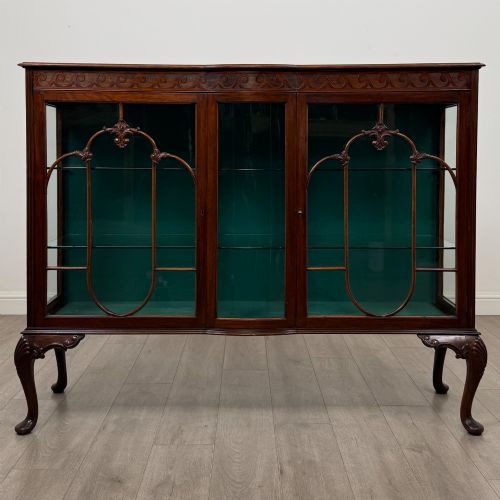
- A glass-panelled cabinet designed specifically for the display of porcelain, curiosities, and objects d'art. These pieces prioritise visibility through glazed sides as well as doors.
- Satinwood
- A pale, durable timber with a characteristic sheen, frequently employed for stringing, banding, and inlay work on mahogany furniture.
Edwardian Glazed Cupboard: Frequently Asked Questions
What rooms suit an edwardian glazed cupboard?
These cabinets suit sitting rooms, dining rooms, and studies where enclosed storage for books or collections is desirable. The glass fronts keep contents visible while protecting them from dust.
Corner formats make efficient use of unutilised wall space, while larger floor-standing double-door variants anchor a main wall as a principal furniture piece.
How do edwardian pieces differ from victorian ones?
Edwardian furniture generally exhibits a lighter, more restrained aesthetic compared to the heavier, darker proportions often found in mid-Victorian pieces. The use of satinwood inlay and Sheraton Revival motifs became particularly prominent after the turn of the twentieth century.
Victorian examples frequently employ denser carved mahogany and walnut, leaning towards styles that emphasise mass and deep relief carving.
Were these cupboards used for books or display?
They served both purposes depending on the internal configuration of shelves and the transparency of the glazing. Many surviving examples functioned interchangeably as bookcases or display cabinets for ceramics.
Music cabinets and specialised corner cupboards also catered to specific domestic storage requirements of the era.
How do I identify a sheraton revival piece?
Sheraton Revival pieces display characteristic neoclassical elements such as symmetrical inlay, bellflower husks, urn motifs, and tapered legs. They utilise light-coloured timbers like satinwood against a mahogany background.
These designs reinterpreted eighteenth-century aesthetics for Edwardian homes, favouring elegance over heavy ornamentation.