
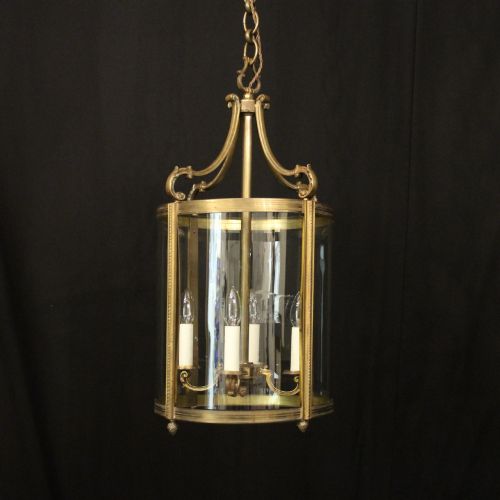
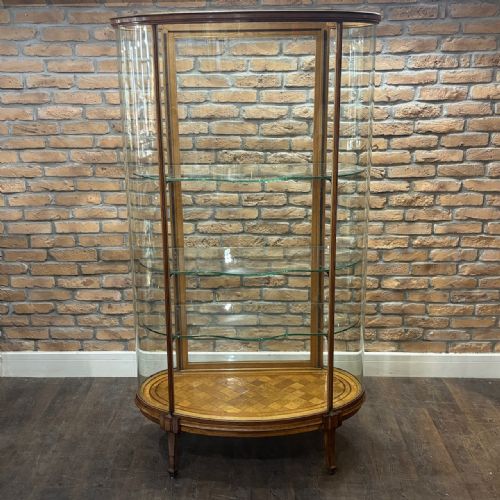


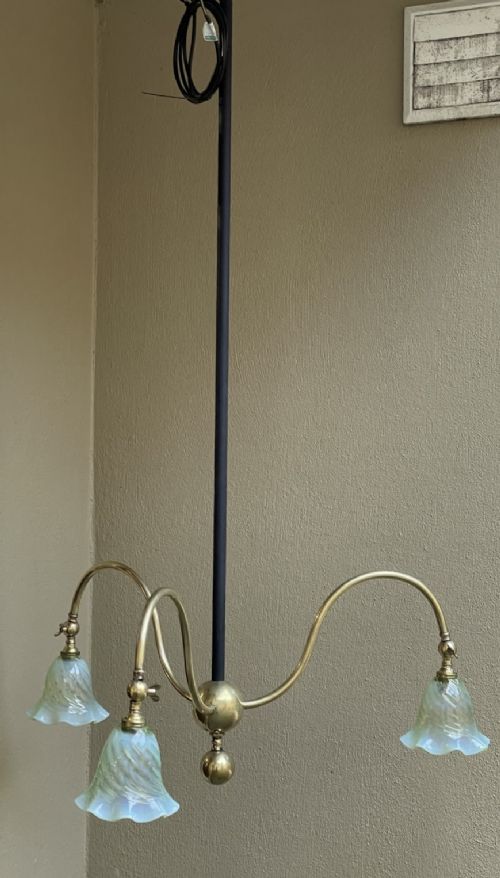
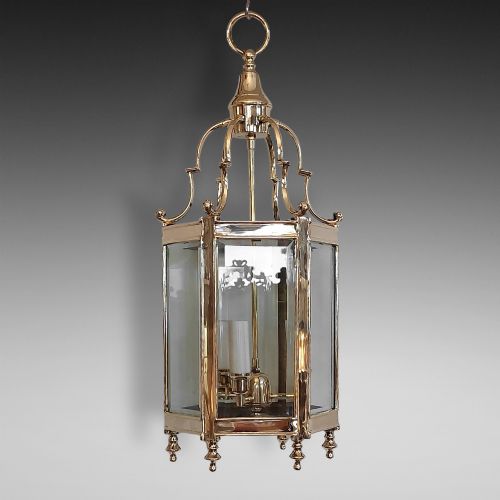
Edwardian Glass Light
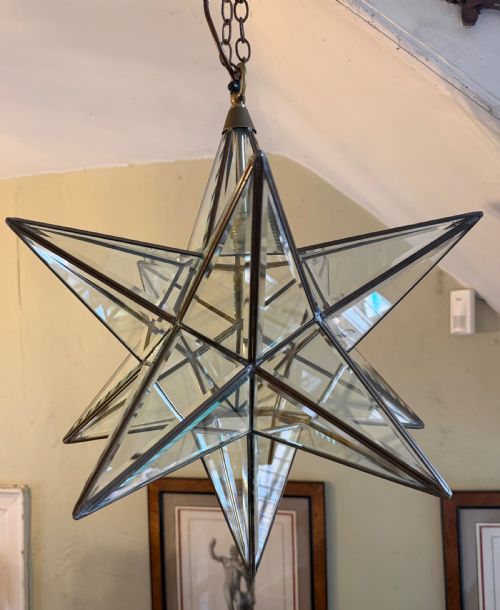
An edwardian glass light brings the warm, diffused illumination of the early twentieth century into a modern home.
Edwardian Glass Light
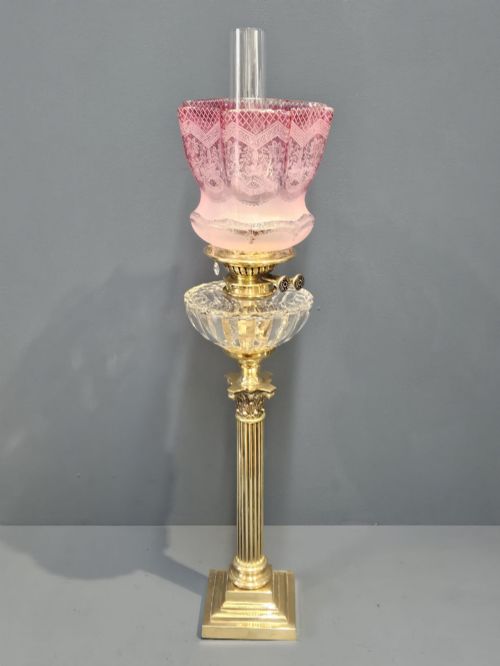
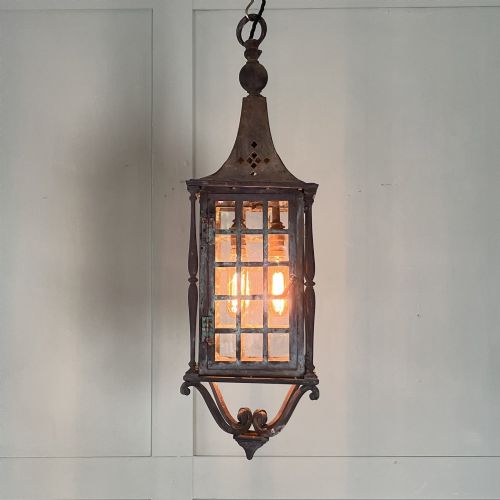
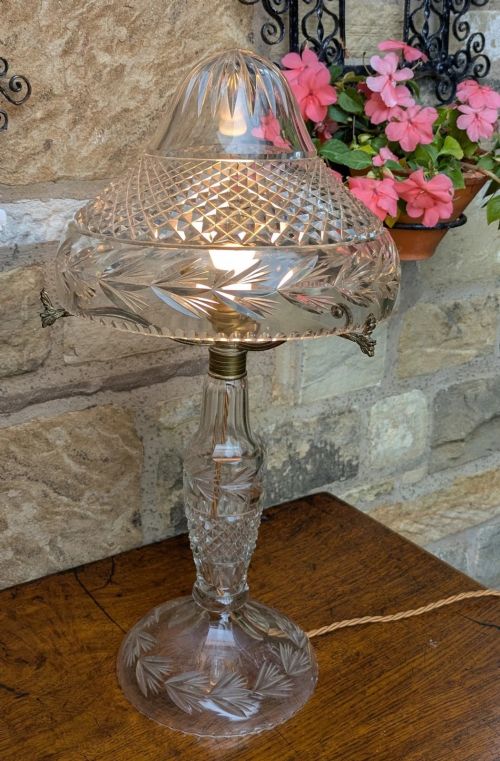
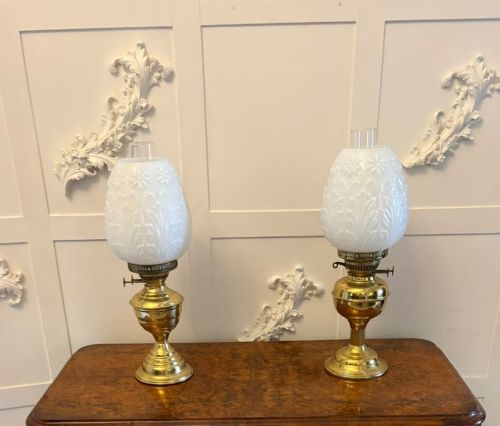
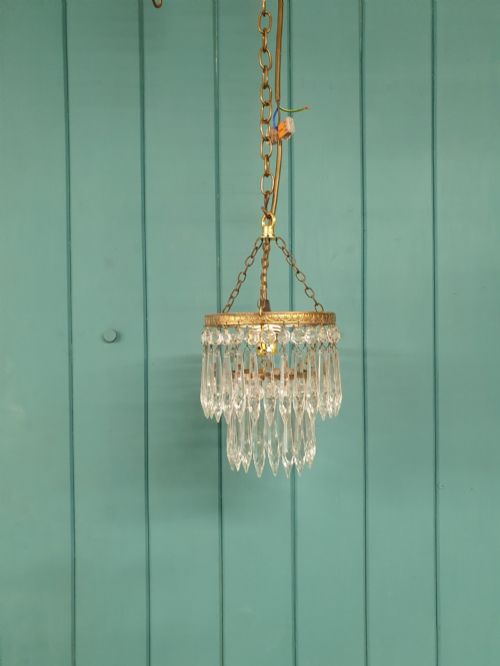
When searching for an edwardian glass light, buyers encounter hanging fixtures designed for ceilings and halls, alongside table lamps and oil conversions. The selection spans straightforward ceiling shades and elaborate cut crystal chandeliers, reflecting the domestic lighting requirements of the period.
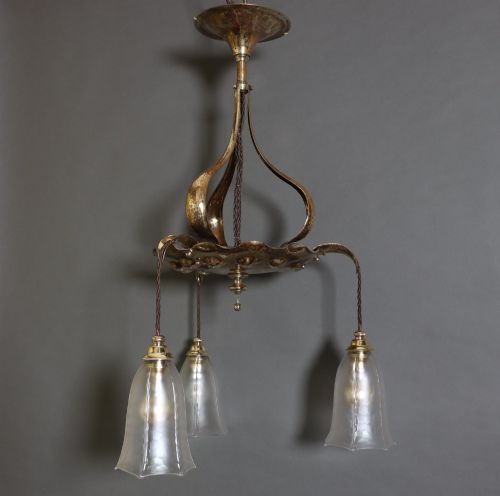
The most common examples on this page are pendant lights and plafonniers featuring moulded, frosted, or moonstone glass suspended from brass galleries. These functional fittings illuminated hallways, parlours, and landings during the Edwardian era and subsequent decades.
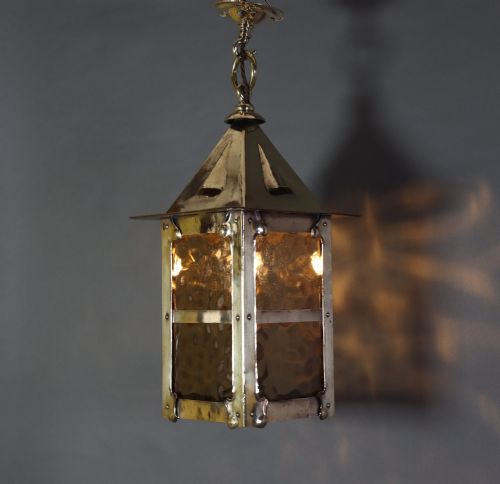
Pieces frequently incorporate cut glass, opaline, or cranberry glass housed within brass or copper frames. Alongside domestic ceiling lighting, the evidence includes lanterns, wall lights, and specialised commercial pieces such as Holophane pendants.
How they were made
Makers utilised brass and copper to form the structural frames, galleries, and chains that support the glass elements. These metal components were cast, spun, or pierced into decorative shapes before receiving various patinations.
The glass elements were produced through moulding, blowing, or heavy cutting, resulting in surfaces that range from smooth opaline to deeply faceted crystal. Coloured variants like cranberry and vaseline glass gained their hues through specific mineral additions during the melting process.
Assembly relied on mechanical joints, screws, and metal galleries to secure the heavy glass shades safely to the suspension hardware.
Listings feature Edwardian, Victorian, and Arts & Crafts styles alongside industrial Holophane shades and French gilt bronze lanterns.
What varies in quality
Quality reveals itself in the weight and thickness of the glass, where deeper hand-cutting and heavier crystal create sharper refraction and greater durability. Finer examples display crisper moulding without surface ripples or internal bubbles.
The metalwork tells a similar story, distinguishing between solid cast brass or bronze components and thin plated alternatives. Heavier galleries, more intricate fretwork, and substantial mounting chains indicate superior original manufacture.
The integrity of the design and the harmony between the metal mount and the glass shade dictate the overall success of the piece.
F. Sage & Co·Globe Wernicke·Moser
The Edwardian Glass Light Glossary
- Plafonnier
- A ceiling light that fits flush or close to the ceiling surface rather than hanging on a long suspension cord or chain. These bowls often feature decorative cut glass or moulded patterns.
- Opaline glass
- An opaque, milky-white glass developed to diffuse light softly without harsh glares. It appears frequently in period shades.
- Holophane
- A specific brand of prismatic glass engineered to direct and diffuse light efficiently. These ribbed industrial and commercial shades remain sought after for their optical qualities.
- Gallery
- The metal ring or collar that grips the top rim of a glass shade to suspend it from a chain or rod. It forms the structural connection between glass and ceiling.
- Electrolier
- A decorative ceiling fixture designed specifically for electric illumination, often featuring multiple arms holding individual shades or crystals.
Edwardian Glass Light: Frequently Asked Questions
How do I hang a heavy glass pendant?
Suspension requires secure attachment to a ceiling joist using appropriate weight-bearing hooks and fixings that match the heft of the brass gallery and glass shade.
Because original wiring is rarely suitable for modern standards, professional rewiring ensures safety while retaining the antique metal components and ceiling rose.
Are these lights compatible with modern bulbs?
Most antique fittings accommodate standard modern lamp holders once they are professionally rewired by an electrician. Consideration must be given to the physical dimensions of the glass shade to ensure the bulb fits comfortably inside.
LED bulbs that mimic the warm glow of period illumination work particularly well inside frosted, moonstone, and opaline shades.
How do I clean antique glass shades?
Gentle washing in warm soapy water removes dust and grime accumulated over the decades without harming the delicate glass surfaces. Metal galleries should be cleaned separately to avoid harsh chemicals reaching the antique brass or copper patina.
Submerging weighted cut glass requires care to prevent chipping against porcelain sinks during the cleaning process.
What is the difference between a plafonnier and a chandelier?
A plafonnier mounts closely to the ceiling as a single bowl or dome, directing light downward into hallways and smaller rooms. Chandeliers drop further from the ceiling on arms and chains, spreading light across a wider area from multiple points.
Both styles utilise Edwardian glass techniques, but they serve different spatial proportions within a historic interior.