

Three Light Pendant
A three light pendant brings focused downward illumination and period character to a room, ranging from simple brass stems to ornate crystal chandeliers.
Three Light Pendant
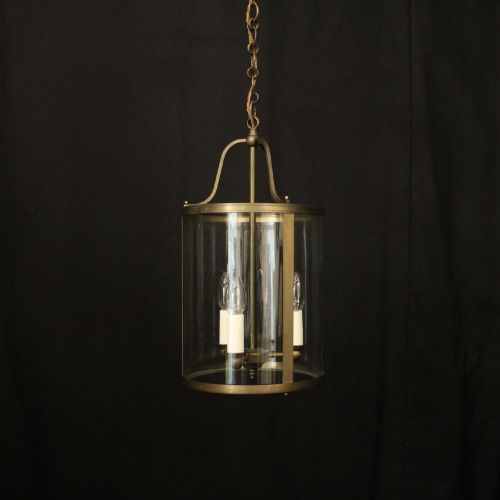
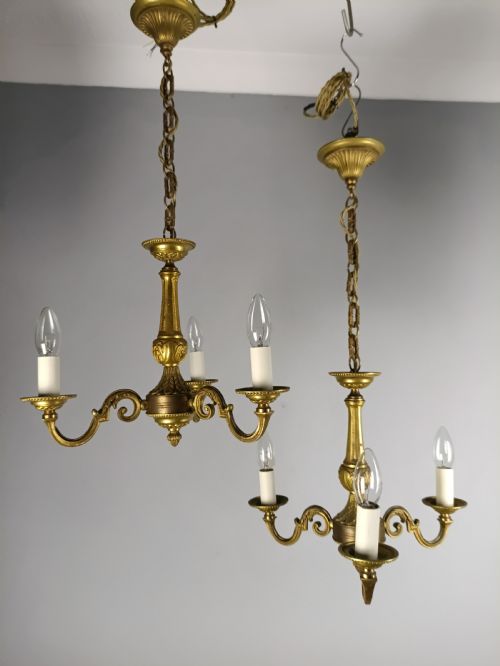
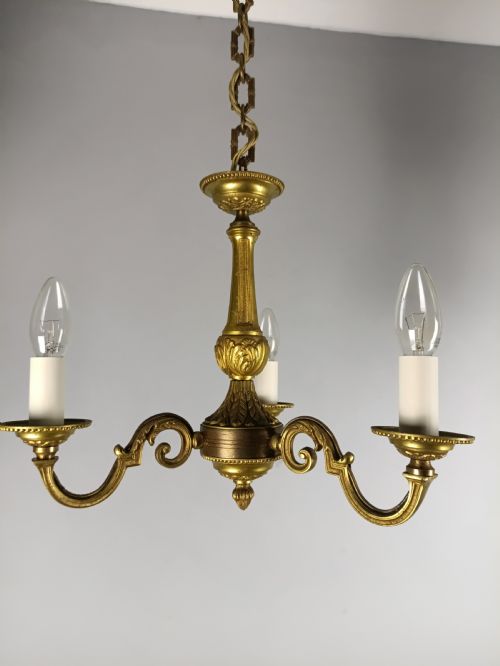
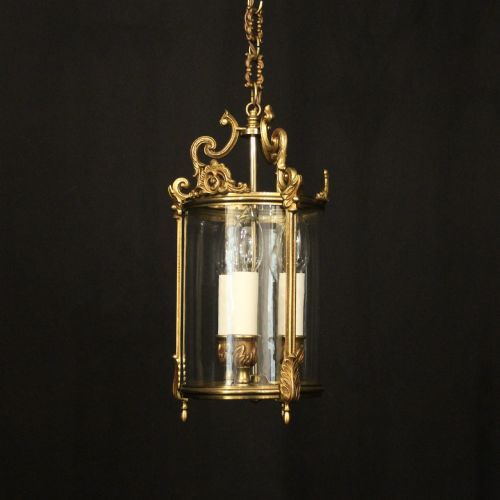
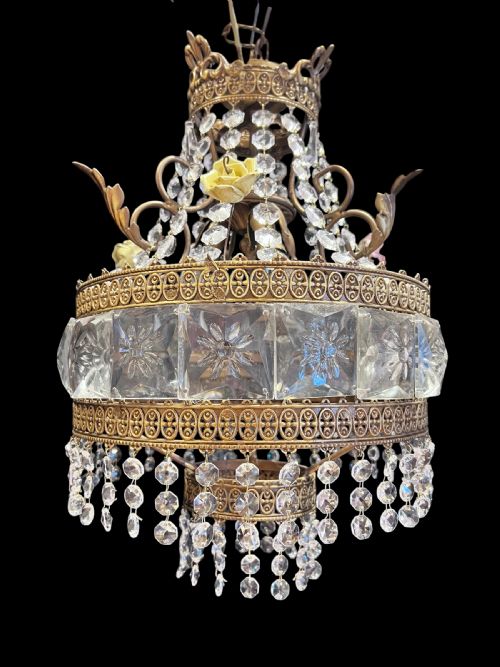
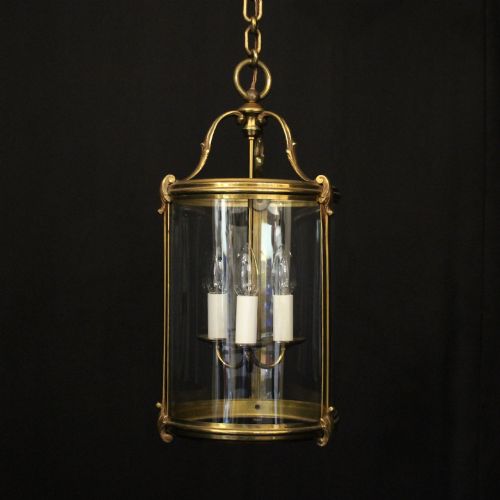
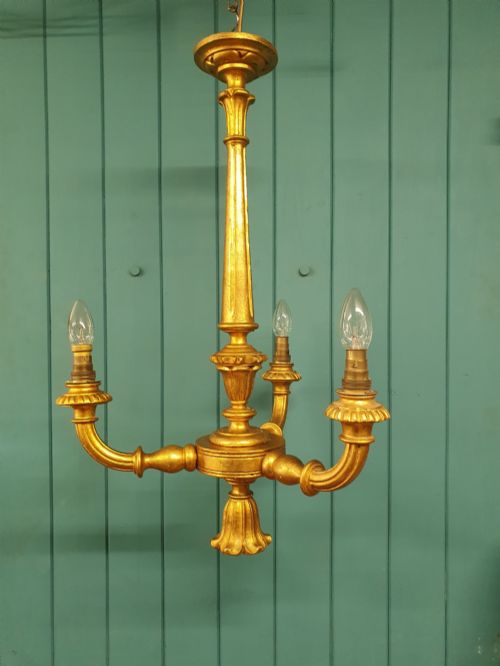
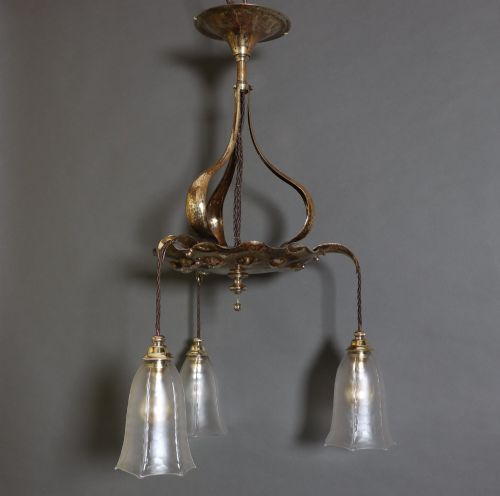
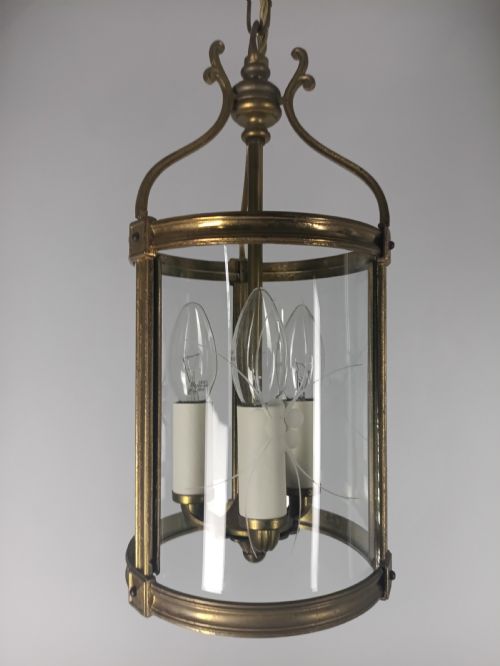
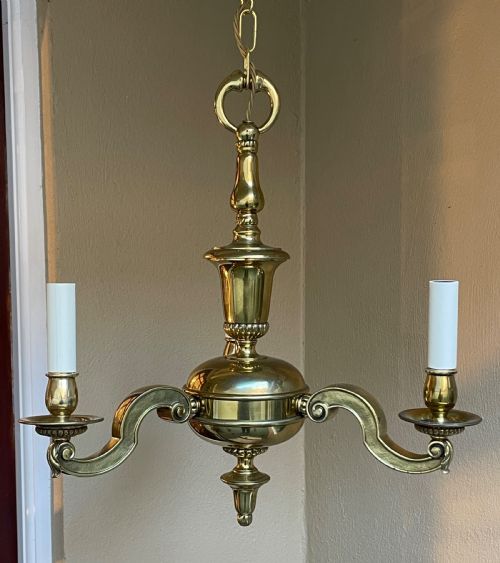
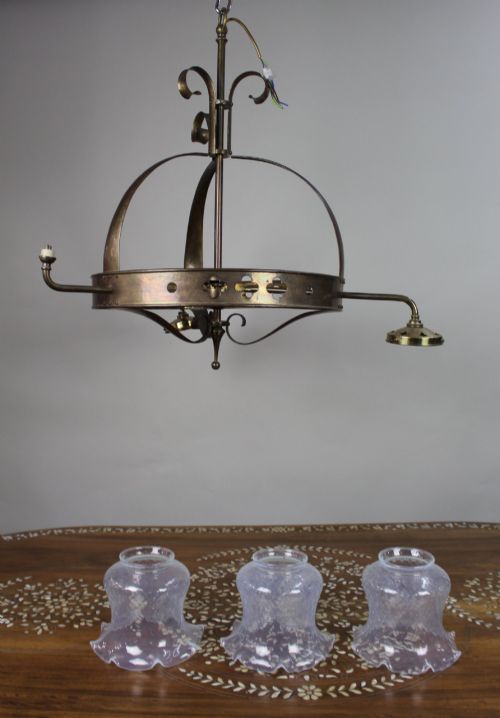
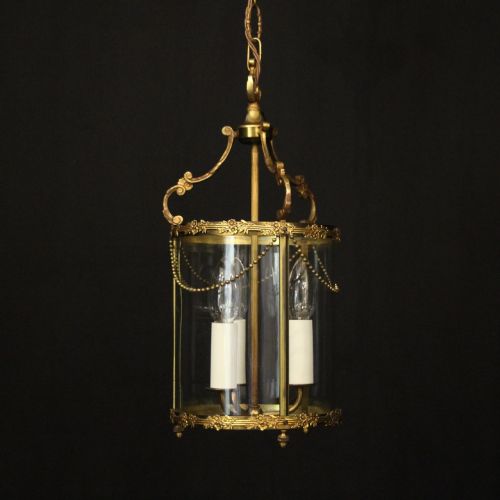
When you search for three light pendant, you encounter hanging light fixtures designed with three arms, branches, or shades to distribute illumination evenly across a space. The selection spans ceiling lights, hall lanterns, and chandeliers originating from the nineteenth century through the art deco and mid-century periods.
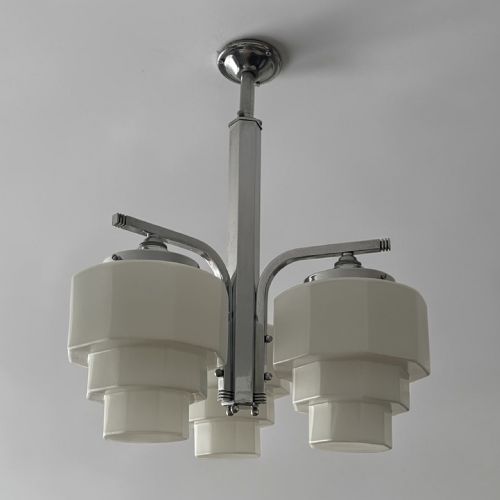
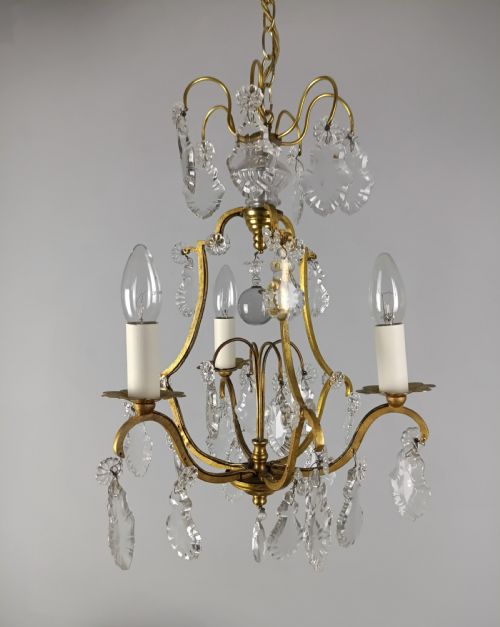
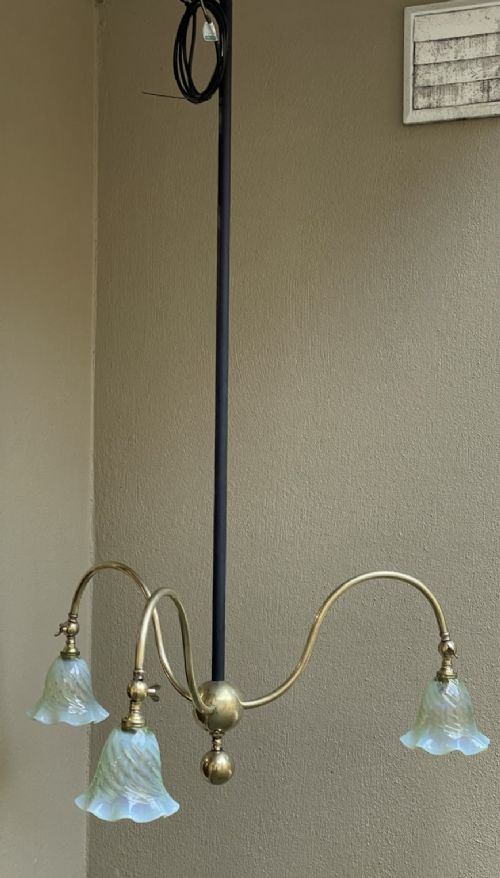
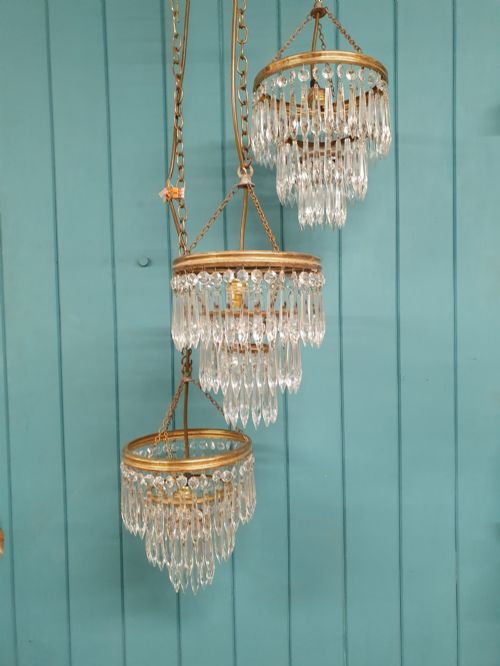
You are most likely to meet French gilded brass and bronze lanterns, alongside English and Italian chandeliers featuring three distinct branches. Styles encompass Edwardian elegance, arts and crafts simplicity, French rococo, and striking art deco slip shade designs.
The form functions equally well in grand entrance halls and domestic reception rooms, suspended closely to the ceiling or dropped on chains depending on the original room proportions. Materials range from humble cast brass to elaborate crystal and carved giltwood.
How they were made
Metalwork forms the structural backbone of these fixtures, utilising cast brass, gilt bronze, silver, and forged iron shaped into branches and lantern frames. Artisans employed traditional casting, chasing, and gilding techniques to finish the metal surfaces.
Glass elements were blown, etched, frosted, or cut by hand, resulting in specialised shades such as opalescent bowls, pink crimped glass, and cascading crystal drops. Manufacturers integrated porcelain flowers, carved alabaster, and giltwood to enrich the decorative vocabulary of the period.
Three Light Pendant Retail Price Guide 2026
Typical asking prices for three light pendant among the pieces listed under this phrase on Sellingantiques today, from the lower quarter to the upper quarter. They describe what is for sale here now, not the wider market.
Several bronze frames secretly harbour cheerful cherub arms ready to watch over your hallway.
What varies in quality
The distinction between standard production and exceptional manufacture lies in the crispness of the metal casting and the depth of the hand-applied gilding. Superior examples display refined chisel work on bronze and brass components rather than soft, mass-produced contours.
Glass quality also dictates the tier of the piece, with hand-etched patterns, heavy lead crystal drops, and thick opaline or slip shades standing apart from thinner, machine-pressed alternatives. Original provenance and untouched period wiring components further elevate the standing of a fixture.
F&C Osler
The Three Light Pendant Glossary
- Hall Lantern
- An enclosed hanging light fixture, often glazed with glass panels and framed in brass or bronze, traditionally used in entrance corridors.
- Slip Shade
- A type of moulded glass shade that fits directly into a metal frame, commonly found on art deco ceiling lights.
- Gasolier
- An antique lighting fixture originally designed to burn coal gas before being converted to electricity.
- Opalescent Glass
- Glass containing minerals that create a milky, iridescent appearance with a soft diffusion of light.
Three Light Pendant: Frequently Asked Questions
How do I hang a pendant light?
Suspension height depends on ceiling clearance and the room function, typically allowing sufficient headroom in hallways or hanging above dining tables.
Professional installation is recommended to secure the weight of brass and crystal fixtures safely to ceiling joists.
Are these lights wired for modern use?
Many period fixtures retain older electrical components or require rewiring to meet contemporary safety standards.
A qualified electrician can easily adapt internal lamp holders while preserving the exterior antique metal and glass work.
How do I clean antique brass and glass?
Dust glass shades and crystal drops gently with a soft dry cloth to avoid scratching delicate surfaces or disturbed wiring.
Avoid harsh chemical metal cleaners on aged gilt brass to preserve the authentic historic patina.
Can I replace missing crystal drops?
Matching replacement crystals requires careful measurement of the pin holes, cut patterns, and glass clarity of existing drops.
Specialist antique lighting restorers often supply period-appropriate glass components to complete partial sets.