


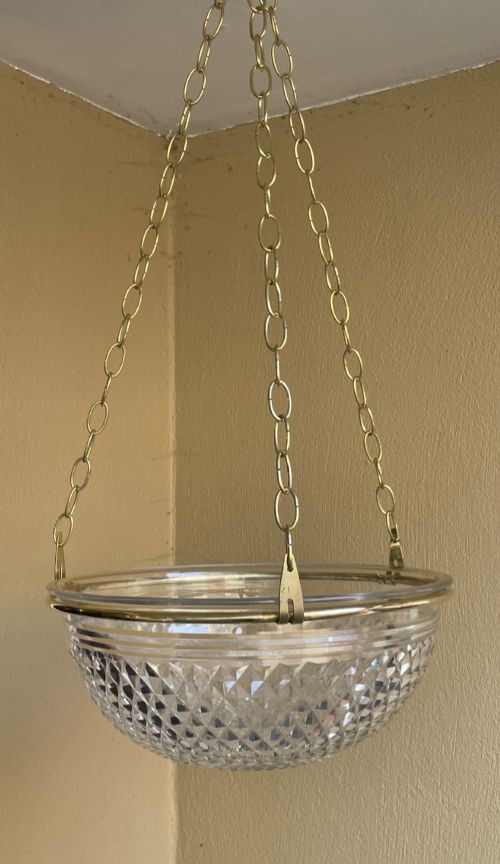
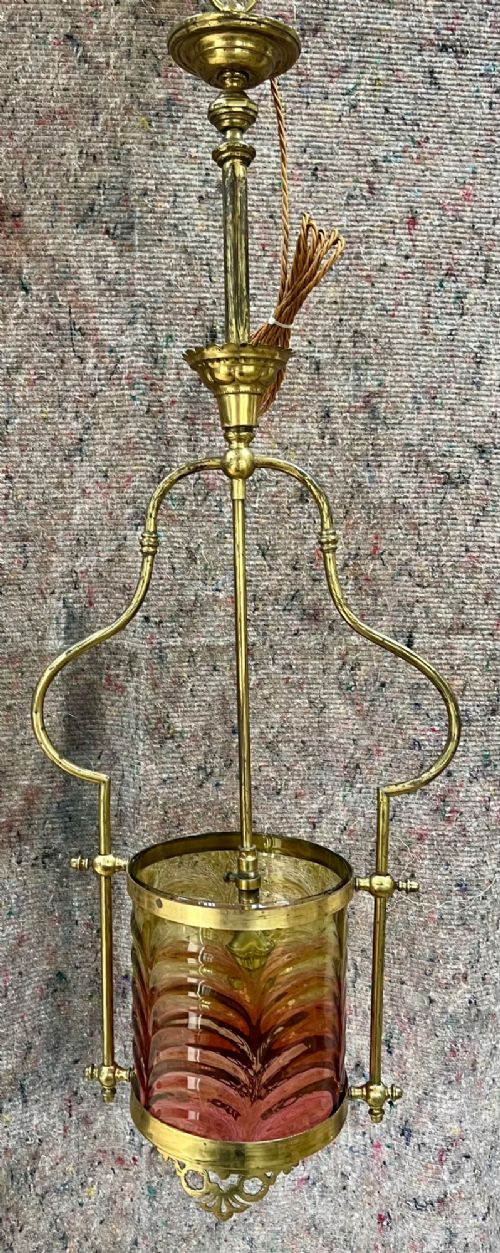
Edwardian Glass Lamp
When you search for edwardian glass lamp, you find illumination combining brass mounts with heavy cut or opaline shades.

Edwardian Glass Lamp
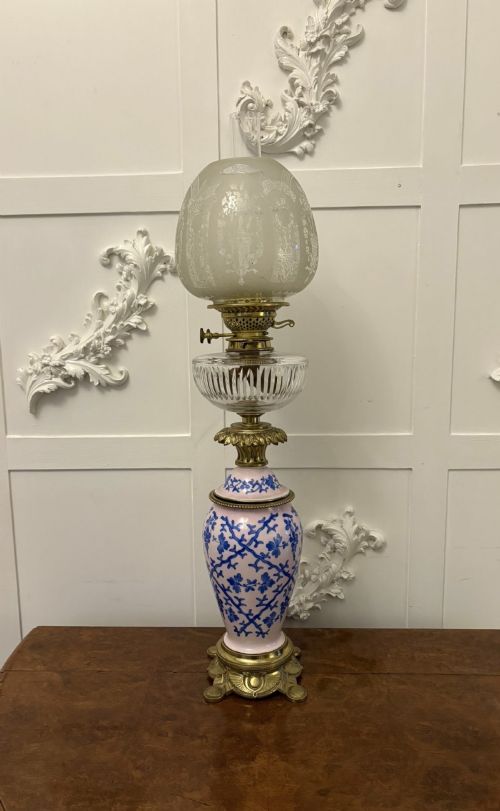
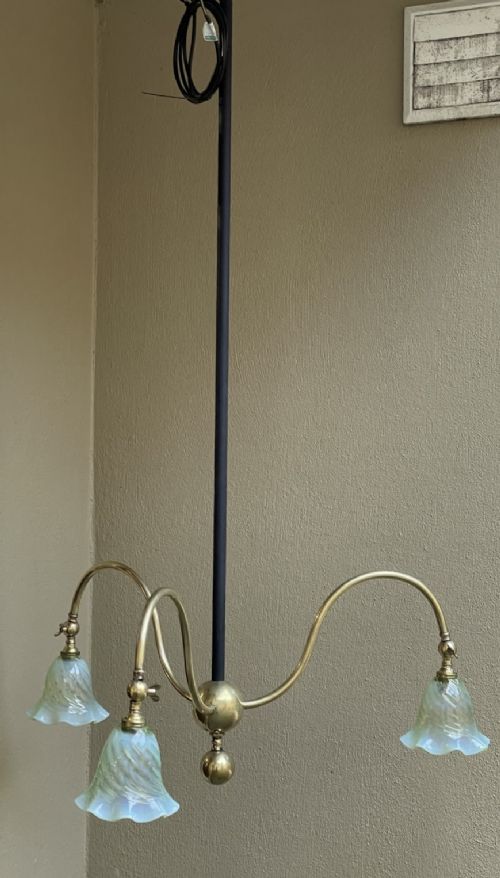
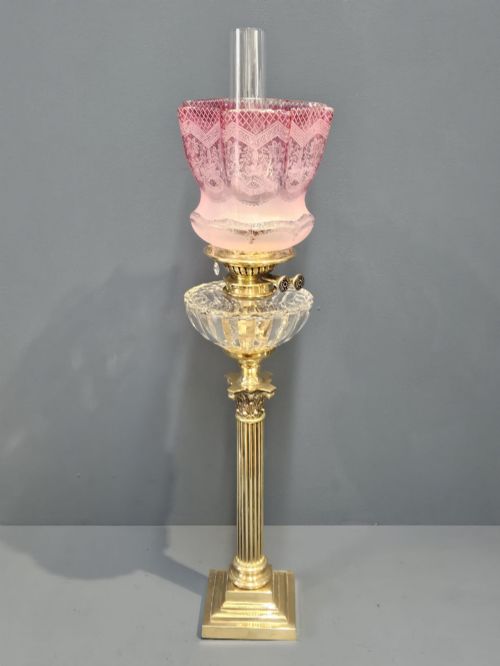
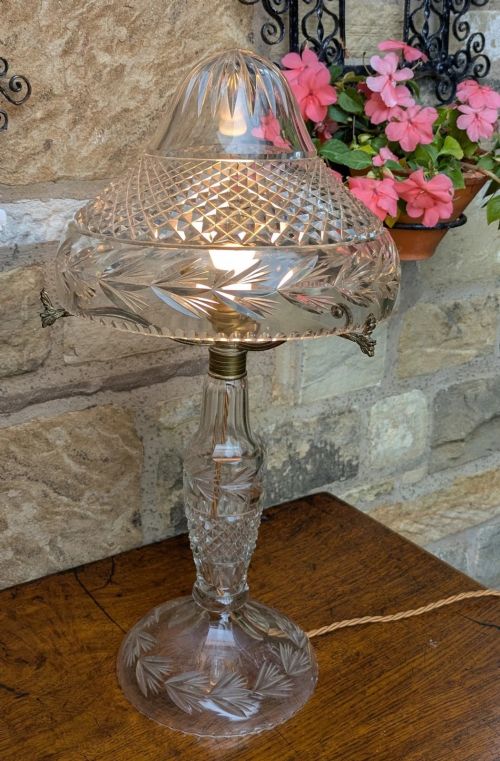
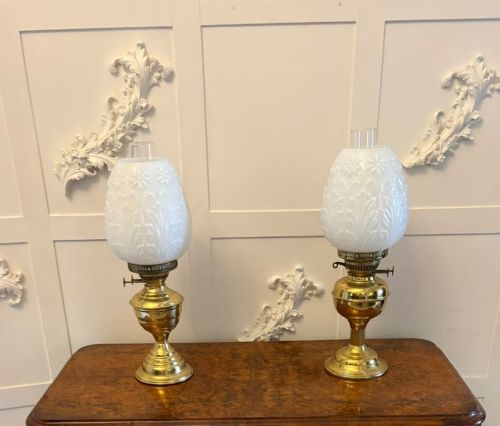
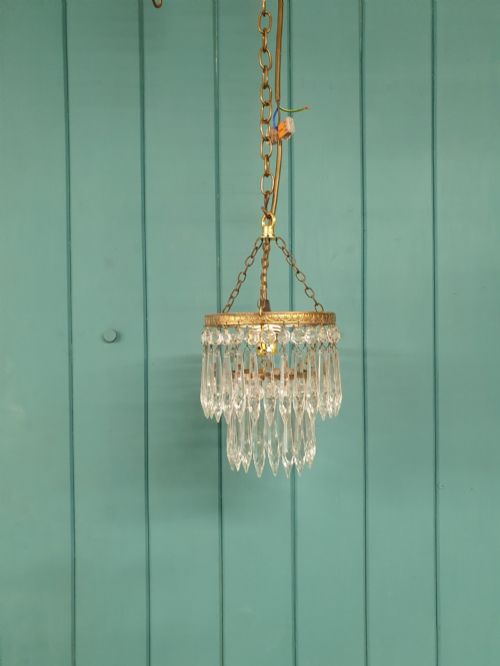
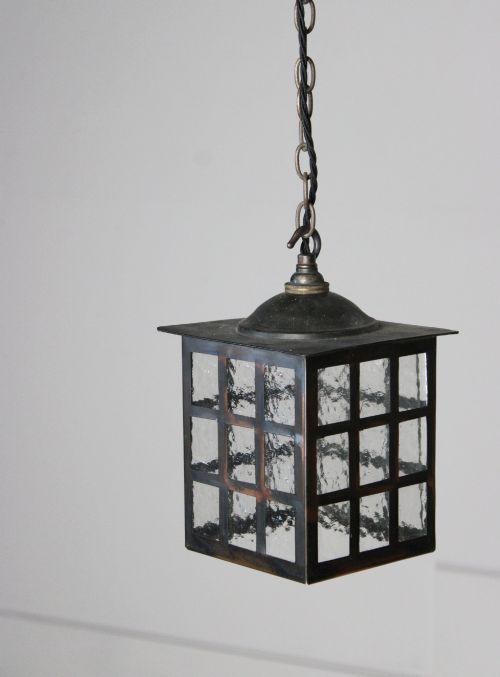
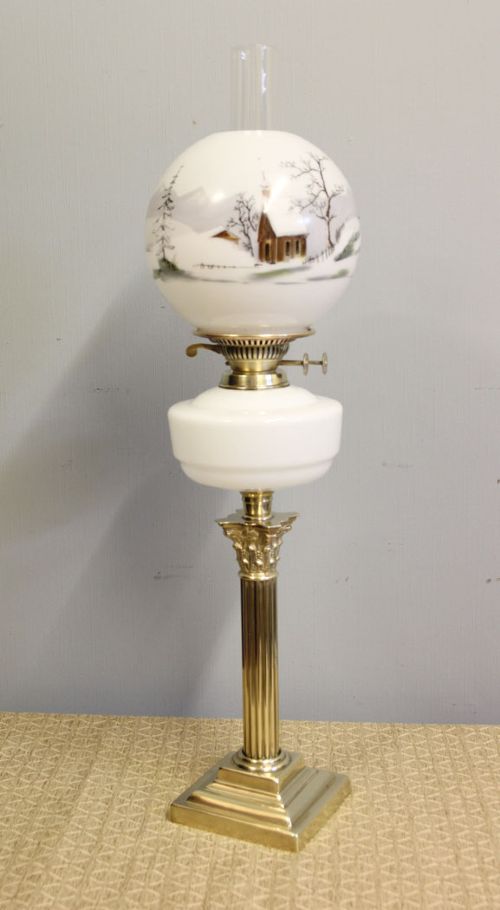
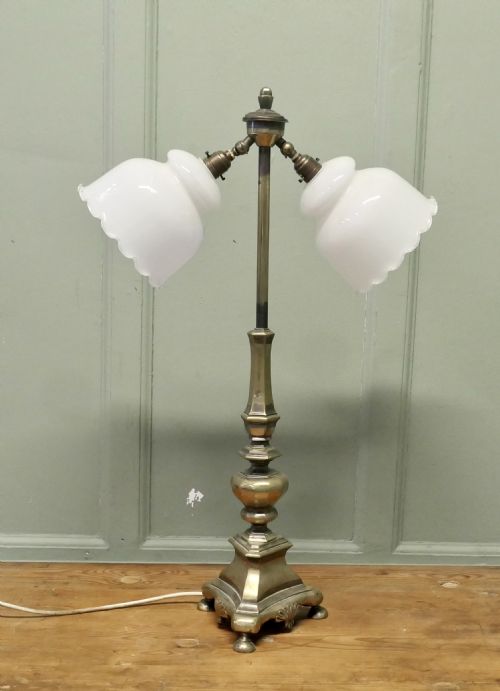
An edwardian glass lamp brings together the structural weight of brass or bronze with the tactile qualities of moulded, cut, or opaline glass. Collectors searching this phrase encounter table lamps, column forms, and hanging shades spanning the early twentieth century alongside adjacent Victorian and later styles.
The material pairings range from straightforward brass frames holding frosted shades to elaborate cut crystal columns and delicate cranberry or vaseline glass fonts. These domestic and hall lights reflect the lighting technology transitions of the period, moving between paraffin oil burners and early electrical wiring.
How they were made
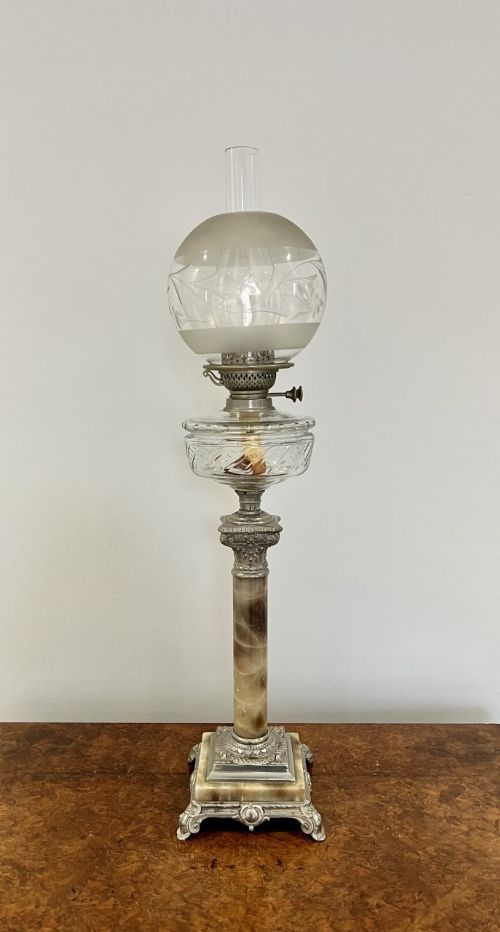
The fabrication relies heavily on cast and spun brass combined with heavy lead glass or crystal, often shaped into fluted columns or acorn plafonniers. Metal components are frequently joined via threaded rods, while glass elements show evidence of period moulding, wheel-cutting, or hand-painting.
Makers utilised specialised techniques for colouring and casing glass, producing distinct hues such as deep cranberry, opaline white, and uranium vaseline tints. Burner assemblies and metal mounts incorporate proprietary mechanisms from period specialists like Hinks.
Some heavy desk lamps were weighted so securely that clerks could lean on them entirely without tipping the inkpot.
What varies in quality
The distinction between standard production and top-tier pieces rests on the weight of the cast brass and the depth of the hand-cut facets in the glass. Heavier gauges of metal and crisper optical clarity in the crystal separate high-end salon lighting from routine utility pieces.
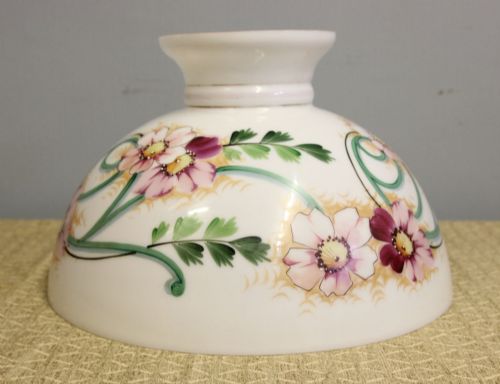
Subtleties in finish also dictate standing, such as finely chased or ormolu mounts, intact hand-painted enamel details on shades, and original weighted bases rather than later replacements.
Hinks·Taylor Tunnicliff·Jefferson·F. & C. Osler·Mc Gary
The Edwardian Glass Lamp Glossary
- Plafonnier
- A ceiling-mounted bowl light that sits close to the surface, typically formed from moulded or cut glass in Edwardian interiors.
- Vaseline glass
- A transparent yellow-green glass containing uranium dioxide, which glows brightly under ultraviolet light.
- Corinthian column
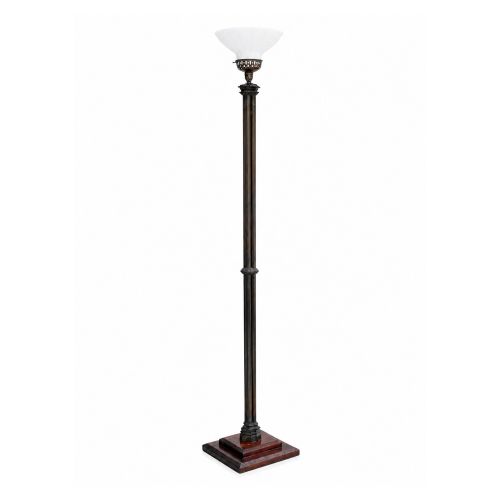
- A classical architectural column form frequently adapted as the vertical standard for tall oil and electric table lamps.
- Opaline glass
- An opaque, milky-white glass used for shades and fonts to diffuse light softly across a room.
- Font
- The reservoir portion of an oil lamp that holds the fuel beneath the burner assembly.
Edwardian Glass Lamp: Frequently Asked Questions
How do I power an antique lamp?
Most surviving examples are now professionally converted to standard electrical wiring for modern use.
Original burners and fonts remain intact on many pieces, allowing collectors to appreciate the mechanical history without necessarily burning fuel.
Were these originally oil or electric?
Many pieces began as paraffin oil lamps before being updated during subsequent decades.
Ceiling fixtures and certain table lamps were produced specifically for early domestic electric circuits as the century progressed.
How do I clean coloured glass shades?
Warm water and mild soap safely remove dust from heavy cut or opaline glass without risking painted details.
Harsh chemical solvents and abrasive scourers should be avoided to protect delicate hand-painted enamel and gilt highlights.
Can I tell if a shade is original?
Fit, collar dimensions, and matching wear patterns between the base and shade offer key indicators of originality.
Period manufacturing tolerances mean that shades and bases were frequently paired together during their working lives.