
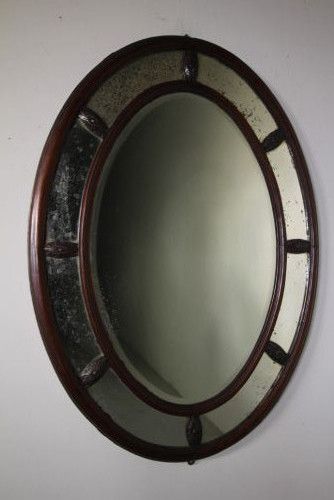
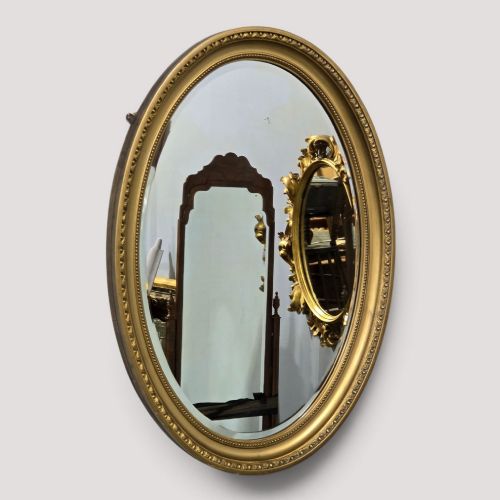
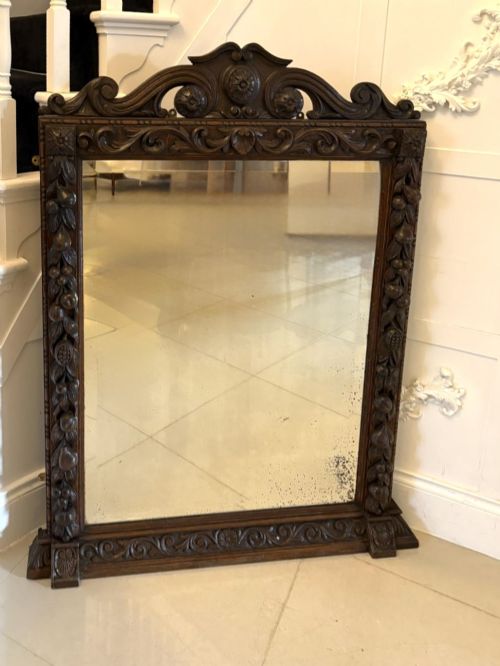
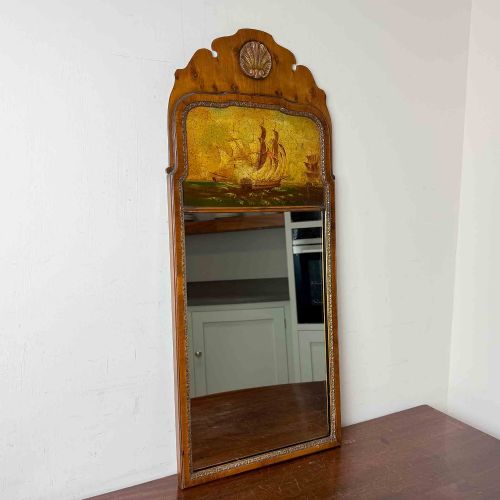

Edwardian Framed Wall Mirror
An Edwardian framed wall mirror brings period character to a hallway or drawing room through simple timber or gilt mouldings.
Edwardian Framed Wall Mirror
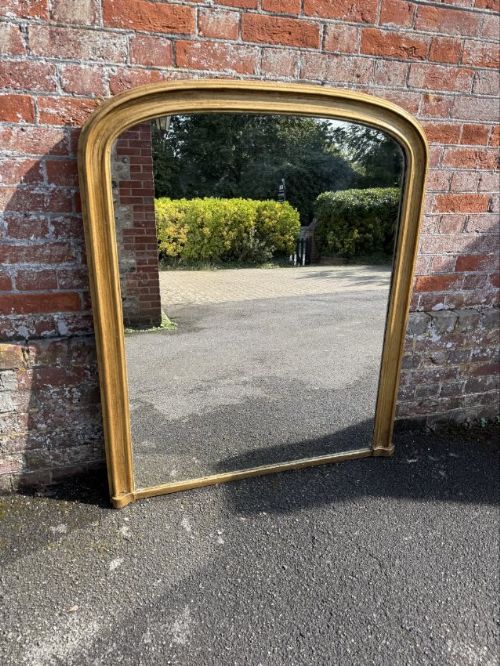
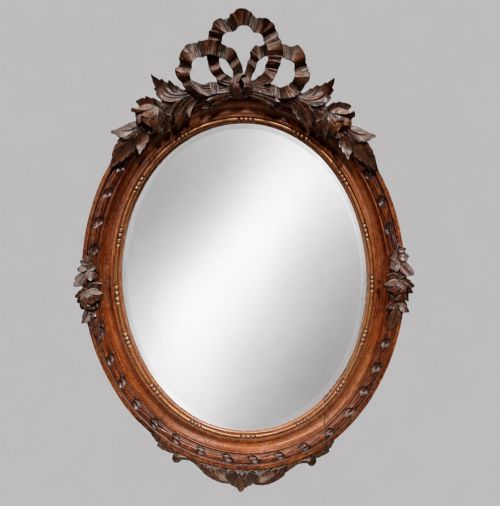
An edwardian framed wall mirror spans forms from compact oak ovals to large overmantels, drawing on stylistic currents from Victorian robustness to Arts and Crafts simplicity. The pieces recorded here range across Edwardian production alongside nineteenth-century precursors and early twentieth-century variations.
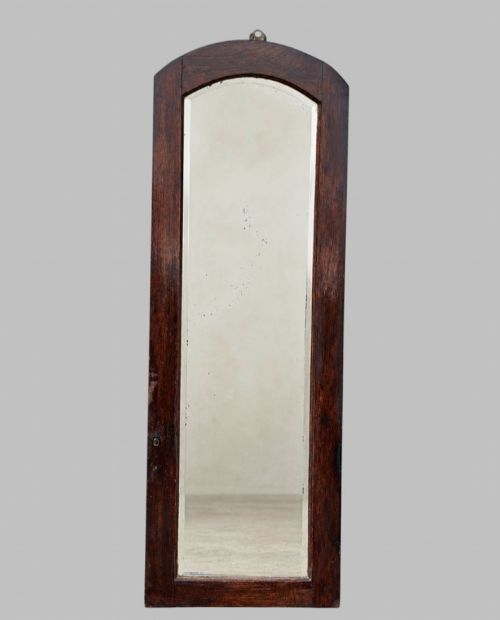
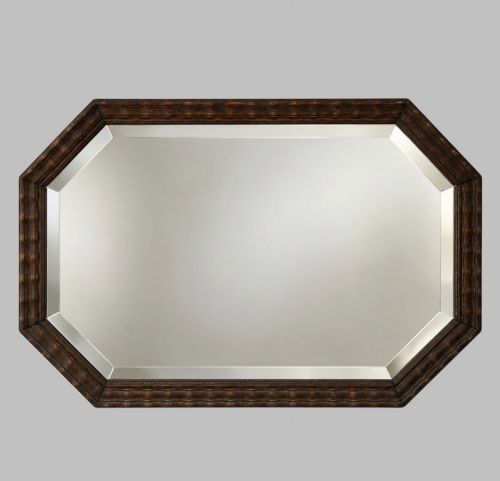
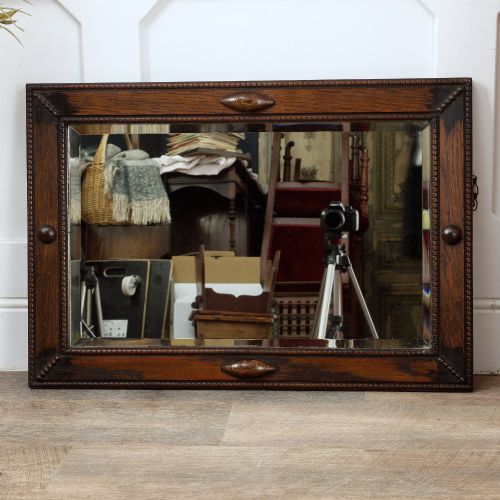
Buyers encounter oak, mahogany, and giltwood frames alongside copper and brass mounts, reflecting domestic interiors from country houses to urban reception halls. Many examples feature bevelled glass plates set into timber or gesso frames.
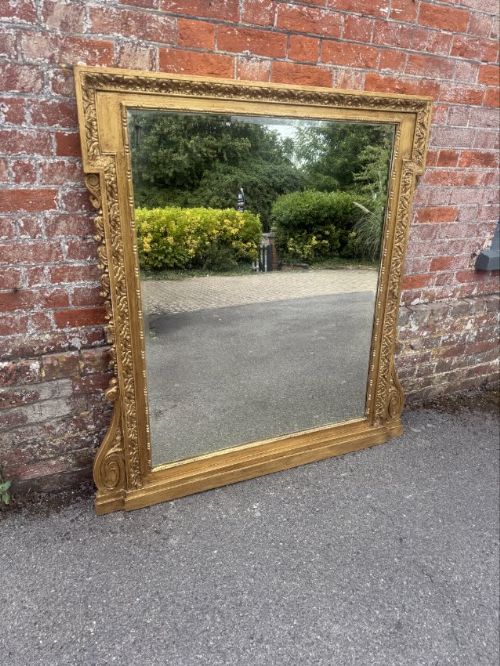
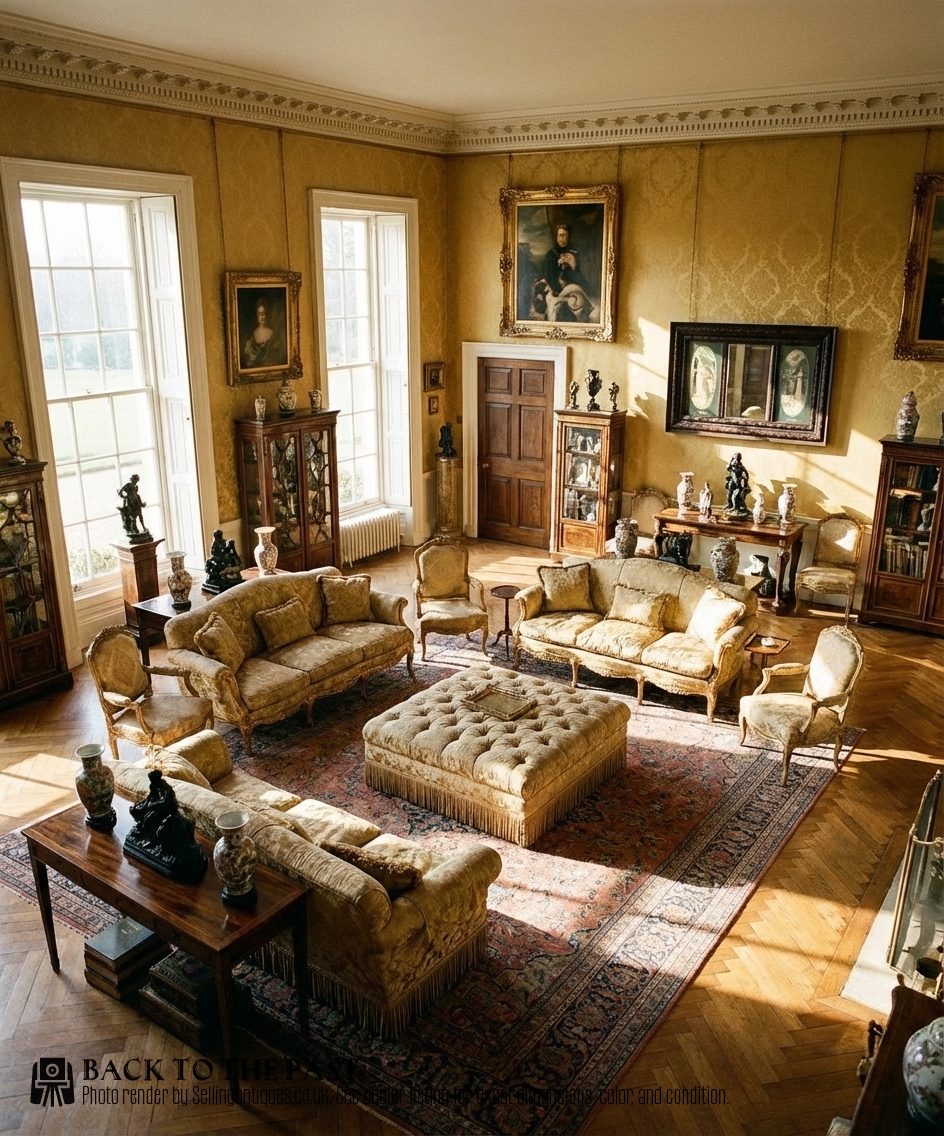
The selection includes specialised forms such as dressing mirrors, pier mirrors, and overmantel mirrors alongside straightforward wall-hanging variants. These objects served functional and decorative roles in period rooms, often matching other furniture in the hall or parlour.
How They Were Made
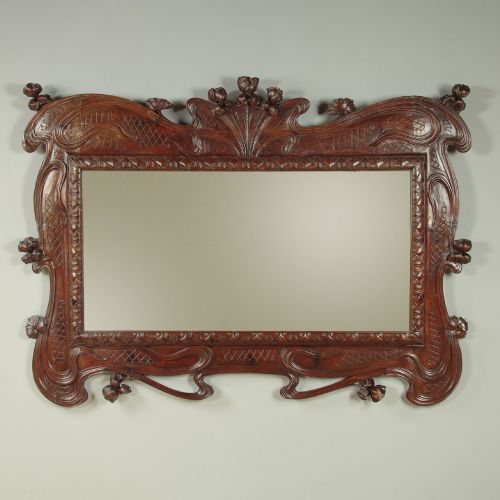
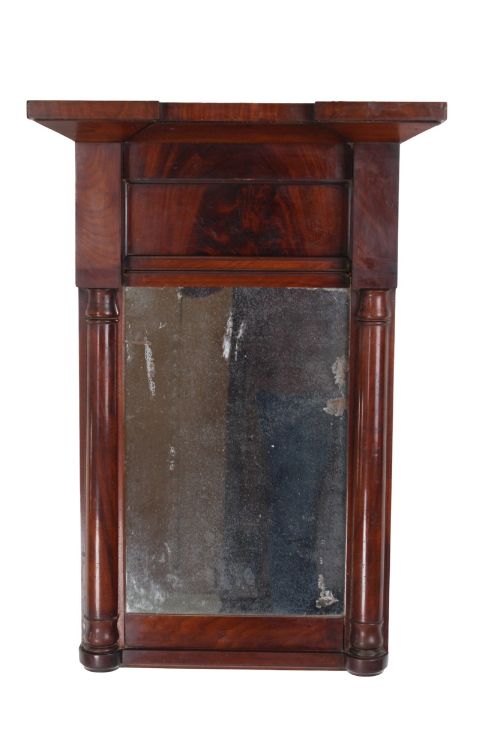
Carpenters and joiners constructed wooden frames from oak, mahogany, walnut, and yew, frequently employing carved details or inlaid decoration. Giltwood and gesso pieces relied on skilled moulding and application of gold leaf over carved wooden bases.
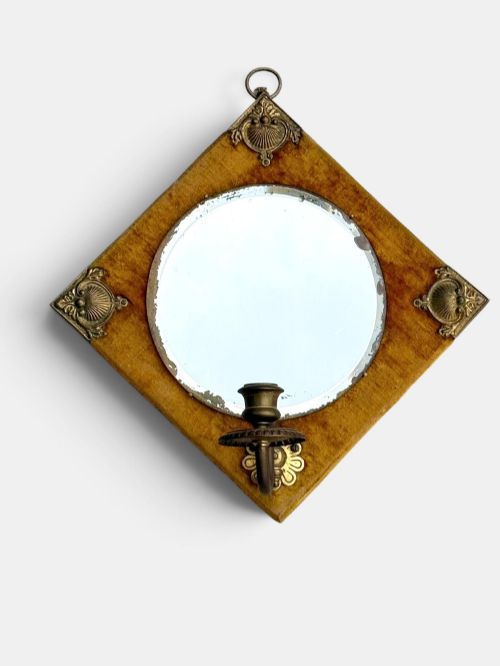
Metalworking techniques defined Arts and Crafts examples, where craftsmen shaped beaten copper and brass into frames, occasionally incorporating stylised tree designs or metal mounts. Glass cutting produced bevelled edges on mirrors designed to catch and reflect light across a room.
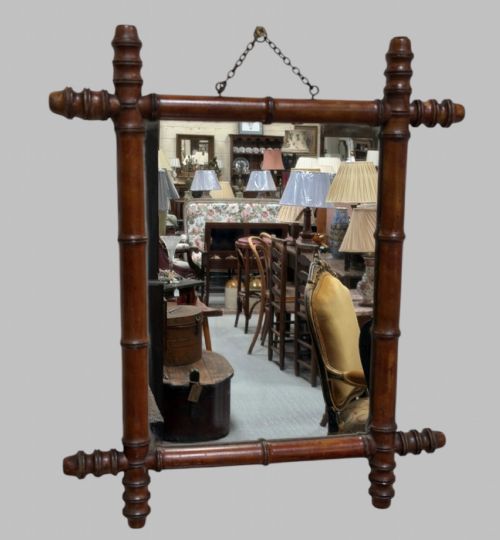
Haberdashery shop mirrors and faux bamboo frames appear among the domestic overmantels and vanity glasses.
What Varies in Quality
The refinement of the carving and the depth of the timber frame distinguish standard production from exceptional pieces. Hand-beaten metalwork and crisp gesso mouldings indicate higher workshop standards than simple cast or pressed alternatives.
The clarity and original state of the glass plate, alongside the integrity of the original backing and mounts, set finer examples apart. Surviving gilding and untouched surface patinas on woods like mahogany and oak indicate better preservation over time.
Waring & Gillow·Liberty & Company
The Edwardian Framed Wall Mirror Glossary
- Overmantel mirror
- A large mirror designed to hang specifically on the wall above a fireplace mantelpiece. These often feature arched tops and substantial giltwood or carved wooden frames.
- Bevelled glass
- Glass whose edges are cut and polished at an angle thinner than the rest of the pane. This technique creates a prismatic border that catches light.
- Gesso
- A plaster-like mixture applied to wood frames to create a smooth surface for gilding or painting. Carved gesso allows for ornate relief decoration.
- Pier mirror
- A tall, narrow mirror designed to hang on the wall space between two windows. They frequently match smaller console tables placed beneath them.
- Arts and Crafts
- A design movement valuing handcraftsmanship, natural materials, and simple forms over mass production. Copper, brass, and plain oak frames are typical of this style.
Edwardian Framed Wall Mirror: Frequently Asked Questions
How do I hang an overmantel mirror safely?
These heavy wooden and gesso frames require secure fixings screwed directly into wall studs or masonry. Professional mirror hangers use heavy-duty brackets suited to the weight of the piece.
Position the mirror at a height that reflects eye level or room lighting effectively, ensuring the hanging wire or brackets distribute the load evenly.
How do I clean antique mirror glass?
Wipe the glass gently with a soft cloth dampened slightly with distilled water or mild glass cleaner. Avoid spraying liquid directly onto the glass to prevent moisture seeping behind the plate.
Old mirror silvering can be fragile, so treat the edges and back of the plate with care during maintenance.
What is the difference between Edwardian and Victorian mirrors?
Victorian mirrors tend to feature heavier, highly ornate carved wood and gesso frames with dark finishes or rich gilding. Edwardian designs often display lighter oak or mahogany framing, reflecting a shift toward simpler domestic interiors.
Arts and Crafts influences during the Edwardian period also introduced beaten copper and brass mounts to domestic wall mirrors.
How do I identify an Arts and Crafts mirror?
Look for hand-beaten copper or brass frames displaying visible tool marks and stylised motifs such as trees or floral patterns. The woodwork is typically plain oak with exposed construction details rather than heavy carving.
These pieces often bear attribution to makers like Liberty and Company or follow the distinct aesthetic of that period.