
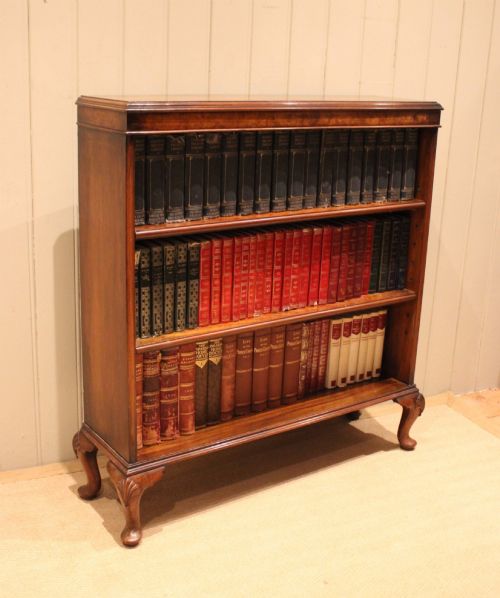
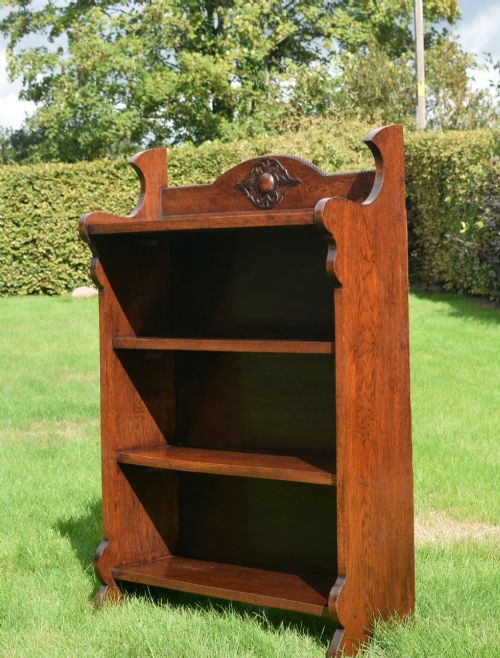
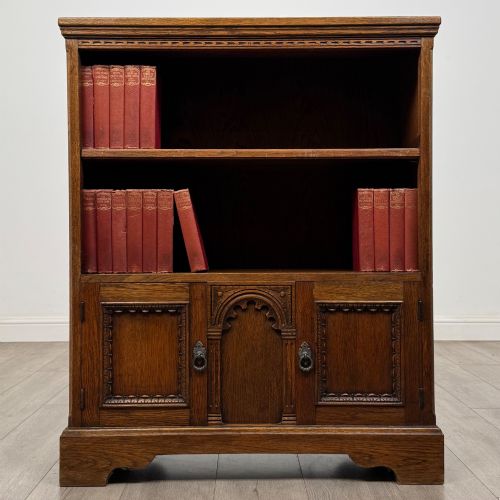
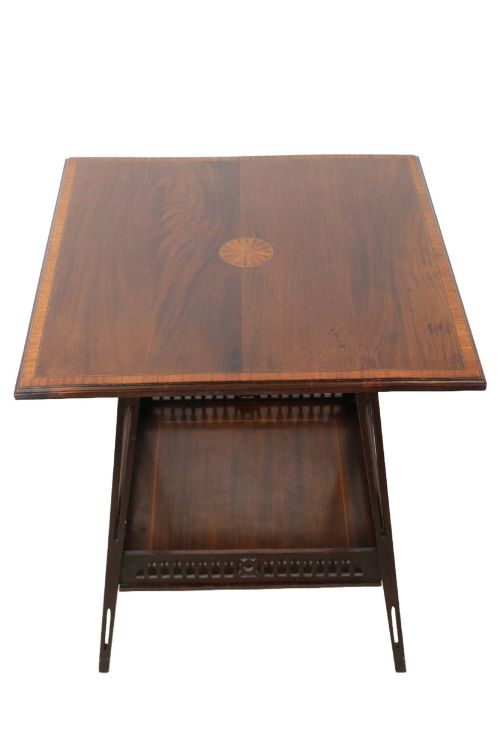
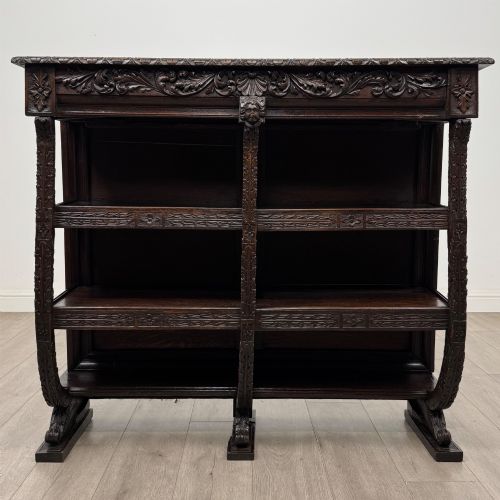
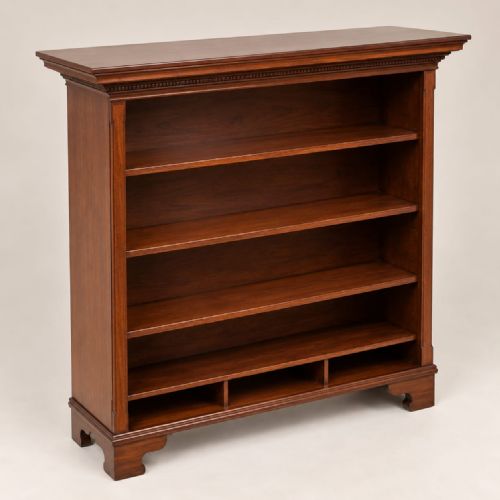

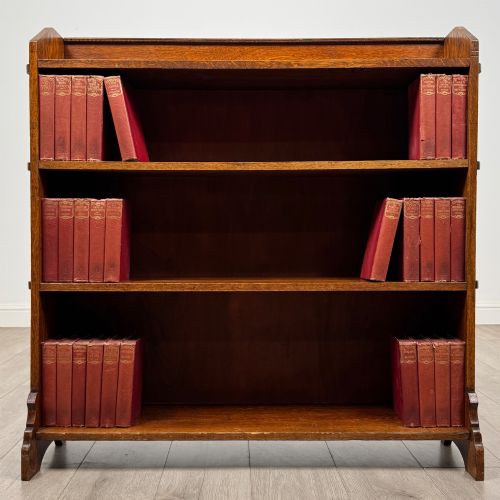
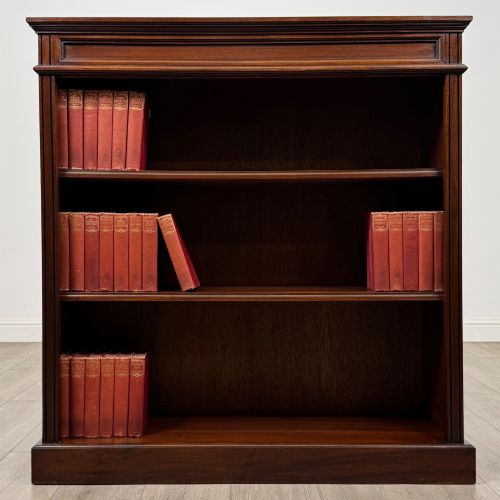
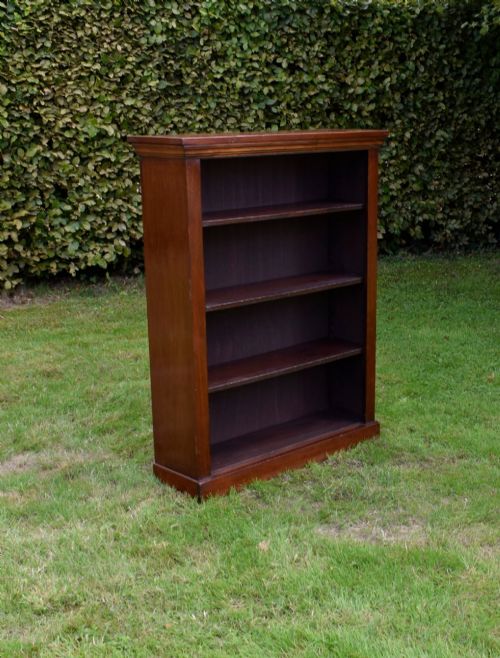
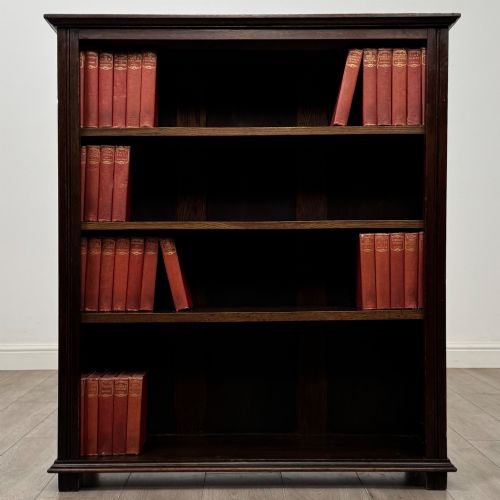
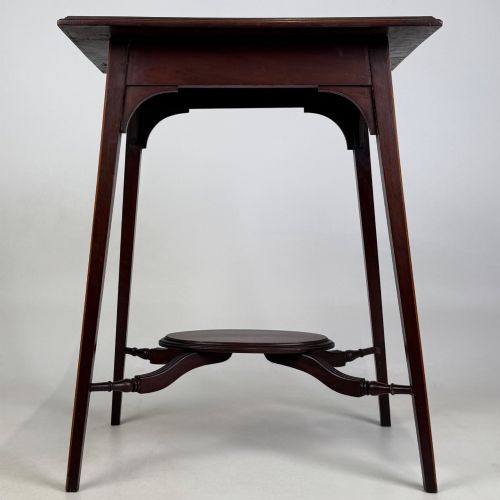
Edwardian Display Shelves
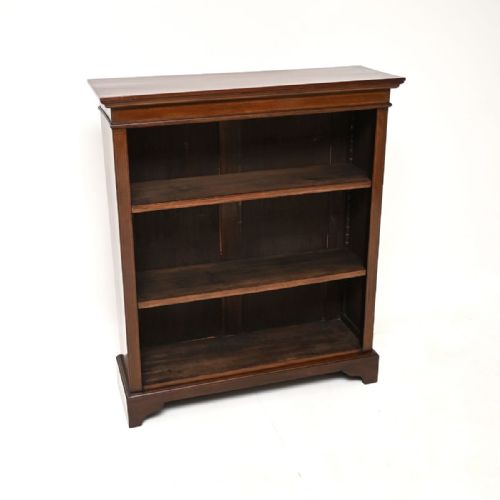
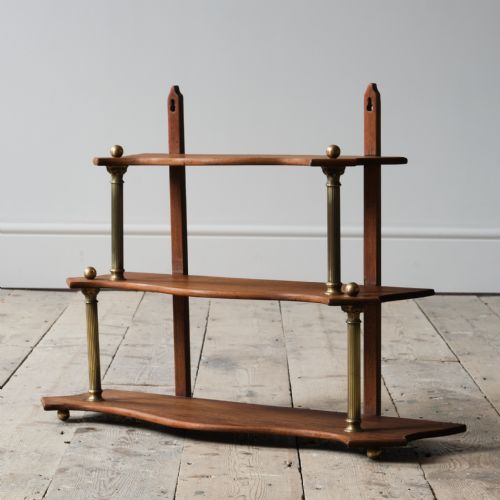
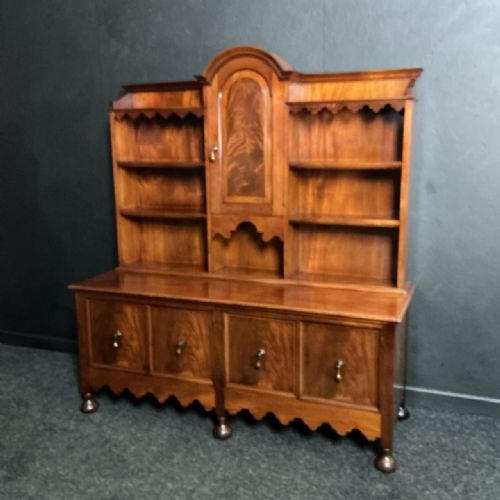
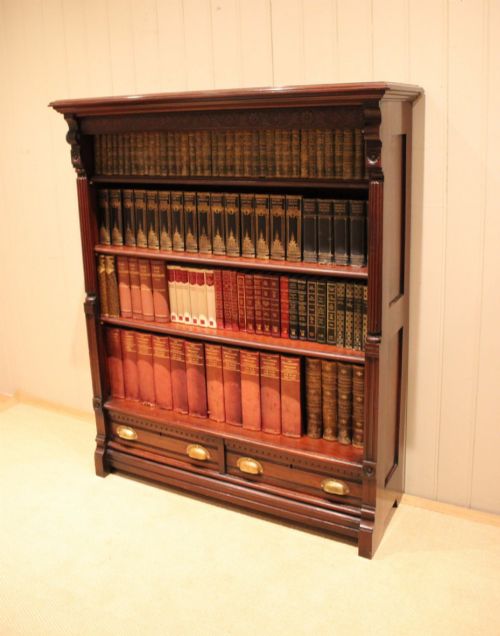
Edwardian display shelves bring period character to a room, offering practical storage and surface space for books and ornaments.

How they were made
Cabinet makers relied predominantly on solid oak, mahogany and walnut, occasionally utilising burr walnut or satinwood for contrasting panels and decorative borders. Timber selection dictated the physical weight and visual warmth of each piece.
Construction techniques combined traditional joinery with brass hardware such as castors and hanging brackets. Inlaid details, carved edgings and glazed doors demonstrate the standard carpentry methods of the late nineteenth and early twentieth centuries.
What varies in quality
Quality rests on timber selection, the crispness of cabinet joints and the finesse of any decorative inlay. Finer examples display carefully matched wood grain and robust structural framing that withstands decades of handling.
Simpler utility items offer straightforward construction without decorative enrichment, whereas elevated pieces incorporate refined carvings, brass castors, or specialised glazing bars that elevate their visual presence.
Listings feature oak, mahogany, walnut and brass elements across Edwardian, Victorian, and Arts and Crafts styles.
Trevor Page & Co
The Edwardian Display Shelves Glossary
- Whatnot
- A set of open shelves standing on legs, designed for displaying small ornaments and bric-a-brac. They originate from the Victorian era and continued into the Edwardian period.
- Etagere
- A piece of furniture consisting of a number of open shelves for displaying articles, often fitted with slender supports. These items appeared in refined drawing rooms.
- Waterfall bookcase
- A standing bookcase where each successive shelf is shallower than the one below, creating a stepped profile. This form gained popularity during the late nineteenth century.
- Inlay
- A technique where pieces of contrasting wood, such as satinwood, are inserted into the primary timber surface to form decorative patterns. It adds distinct visual contrast.
- Brass castors
- Small wheel attachments fitted to the legs of heavier furniture to ease movement across floors. They frequently appear on larger cabinets and tables from this era.
Edwardian Display Shelves: Frequently Asked Questions
How do I clean wooden display shelves?
Dust surfaces regularly with a dry, soft cloth to prevent particle buildup. Avoid silicone-based polishes that can degrade historical finishes over time.
Apply a traditional beeswax sparingly if the timber appears dry, buffing it gently to maintain a natural lustre without leaving a sticky residue.
Are these shelves sturdy enough for heavy books?
Most floor-standing bookcases and open shelves feature robust timber construction suited to holding substantial volumes. Units with adjustable shelving allow you to configure shelf heights for larger books.
Wall-hanging versions require secure fixing to appropriate wall anchors to support the combined weight of timber and contents safely.
How can I tell Edwardian pieces from Victorian ones?
Edwardian furniture generally exhibits lighter proportions, brighter mahogany or oak tones, and simpler neoclassical or arts and crafts influences. Heavy dark ornamentation is less common.
Victorian pieces tend to be heavier in build, utilising dense tiger oak or dark mahogany with deep carvings and more elaborate aesthetic movement details.
Can I use these in a modern living room?
These wooden shelves complement contemporary spaces by adding natural texture and historical contrast. Open designs keep rooms feeling light while providing functional organisation.
Compact wall shelves and small occasional bookcases fit easily into alcoves or beside modern seating without overwhelming the room layout.