


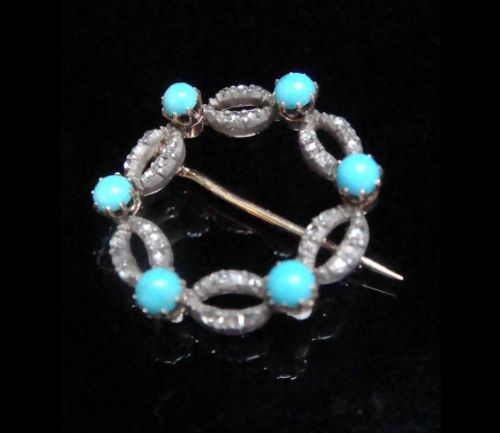


Edwardian Diamond Lapel Pin
When you handle an edwardian diamond lapel pin, you hold delicate platinum, gold, and sparkling stones designed to secure a gentleman's lapel or a lady's collar with refined elegance.
Edwardian Diamond Lapel Pin
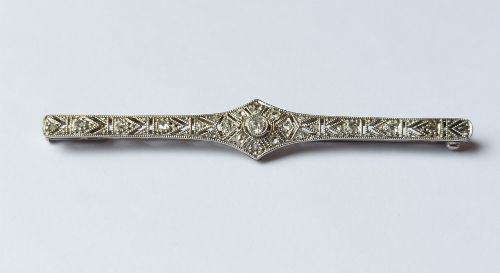
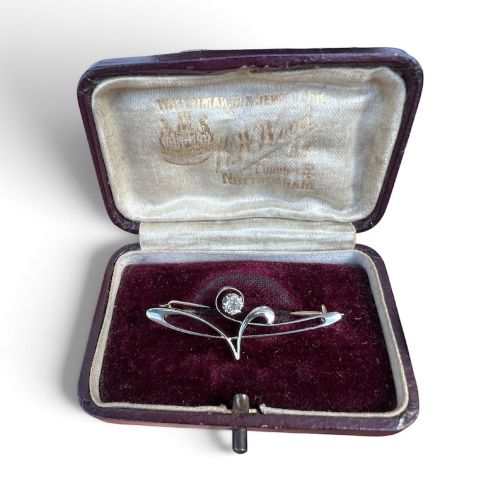
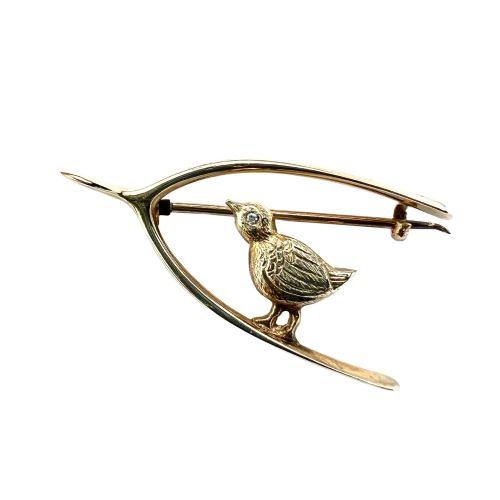
The selections on this page span the Edwardian, Victorian, Art Nouveau, and Art Deco periods, crossing into the nineteen-twenties and nineteen-forties. You will frequently encounter natural motifs such as birds, insects, crescents, and floral subjects alongside geometric bar designs.
While many pieces originate from the Edwardian era proper, others draw on late Victorian traditions or transition into early twentieth-century styles. The unifying element is the inclusion of diamonds set in gold, silver, or platinum.
How they were made
Goldsmiths utilised combinations of yellow gold, rose gold, white gold, and platinum, often backing gold settings with silver to enhance the brightness of early diamond cuts. Pliable platinum allowed artisans to create intricate, lace-like wirework without adding excessive weight to a garment.
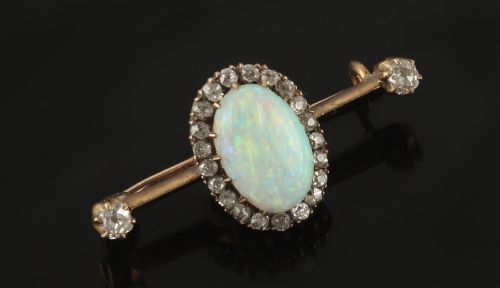
Stones include rose-cut and old brilliant-cut diamonds, sometimes paired with rubies, sapphires, emeralds, turquoise, pearls, or plique-a-jour enamel. Metal pins and secure catches were engineered to fasten firmly onto thick wool lapels or delicate silk collars.
Gemstones recorded in the inventory include diamonds, rubies, sapphires, emeralds, turquoise, pearls, and plique-a-jour enamel.
What varies in quality
The standard of a pin rests on the precision of the metalwork and the harmony of the design, whether it depicts a naturalistic chick or a symmetrical geometric bar. Master jewellers balanced substantial gemstone carat weights with airy, lightweight mountings.
The choice of materials also dictates distinction, such as the transition from early silver-topped gold settings to solid platinum frameworks. Original fitted presentation boxes and documented provenance further elevate the standing of a piece.
Cartier
The Edwardian Diamond Lapel Pin Glossary
- Bar brooch
- A horizontal pin featuring gems or metal ornamentation arranged in a straight line. They are frequently found in Edwardian and Art Deco collections.
- Stick pin
- A long pin topped with a decorative ornamental head, originally designed to secure a cravat or lapel. The evidence records examples set with diamonds and green stones.
- Old-cut diamond
- A hand-faceted diamond cut before modern machine precision, typically displaying a small table and deep pavilion. These stones catch candlelight and early electric illumination uniquely.
- Rose-cut diamond
- A stone featuring a flat base and a domed crown with triangular facets arranged in a symmetrical pattern. This cut gives a soft, translucent glow.
- Plique-a-jour
- An enamelling technique where the enamel is applied without a backing, resembling miniature stained glass. It allows light to pass directly through the coloured vitreous material.
Edwardian Diamond Lapel Pin: Frequently Asked Questions
How were these pins worn historically?
Gentlemen wore stick pins in their cravats or jacket lapels, while ladies secured brooches and pins to collars, scarves, and hats. The sturdy pin mechanisms were designed to anchor securely through heavy fabrics.
Many pieces feature subject matter like birds, insects, or lucky symbols, making them personal accessories for daily wear during formal or social occasions.
How do I care for antique jewellery?
Clean these delicate items gently with a soft brush and warm soapy water, avoiding harsh chemical dips that can damage pearls, emeralds, or enamel work. Store each piece separately to prevent the harder diamonds from scratching neighbouring metals or stones.
Inspect the pin stems and catches periodically to ensure the fastenings remain secure before wearing them on garments.
How do I tell Edwardian pieces apart from Victorian ones?
Edwardian jewellery often utilises platinum and white gold to create light, airy garland styles and lace-like diamond settings. Victorian pieces more commonly rely on yellow gold, heavier bezels, and distinct regional motifs.
Overlap in production dates means styles sometimes blend, but the introduction of platinum marks a distinct technological shift toward the Edwardian aesthetic.