
Edwardian Desk Light
These edwardian desk light examples bring period brass and glass to a workspace, combining practical illumination with the warmth of early twentieth-century metalwork.
What these pieces are
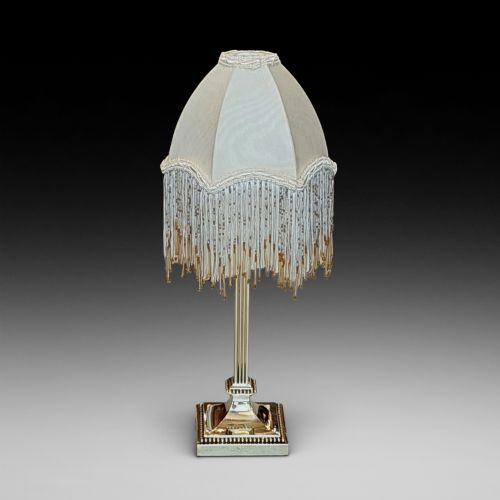
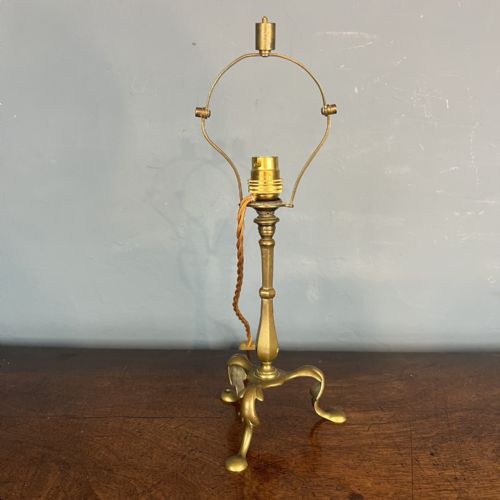
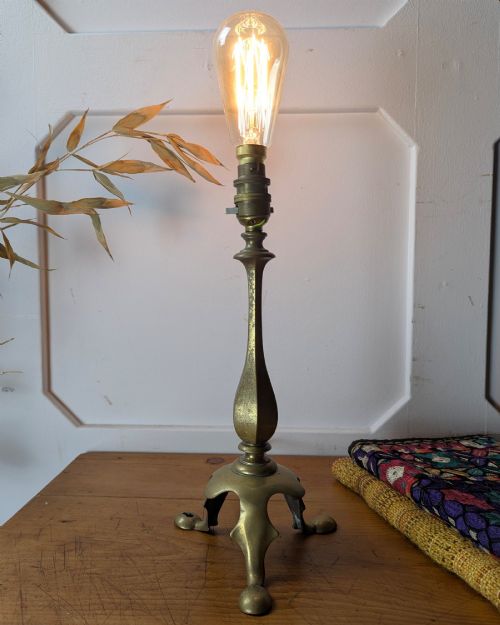
An edwardian desk light typically takes the form of an adjustable reading lamp or table lamp designed for focused work. The pieces appearing here span the Edwardian period alongside late Victorian, 1900, 1910, and 1920 examples.
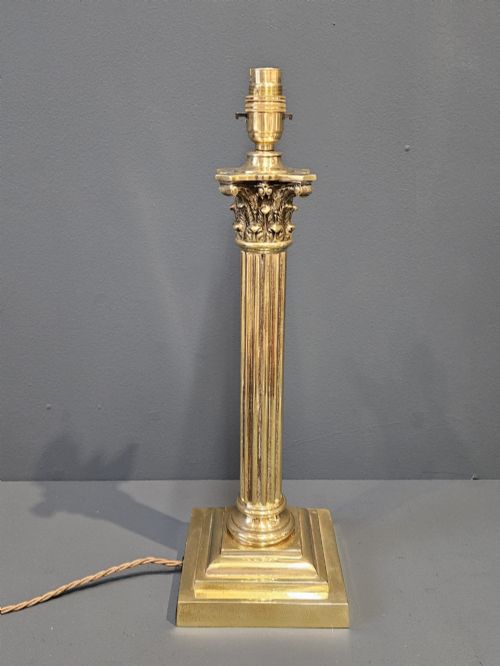
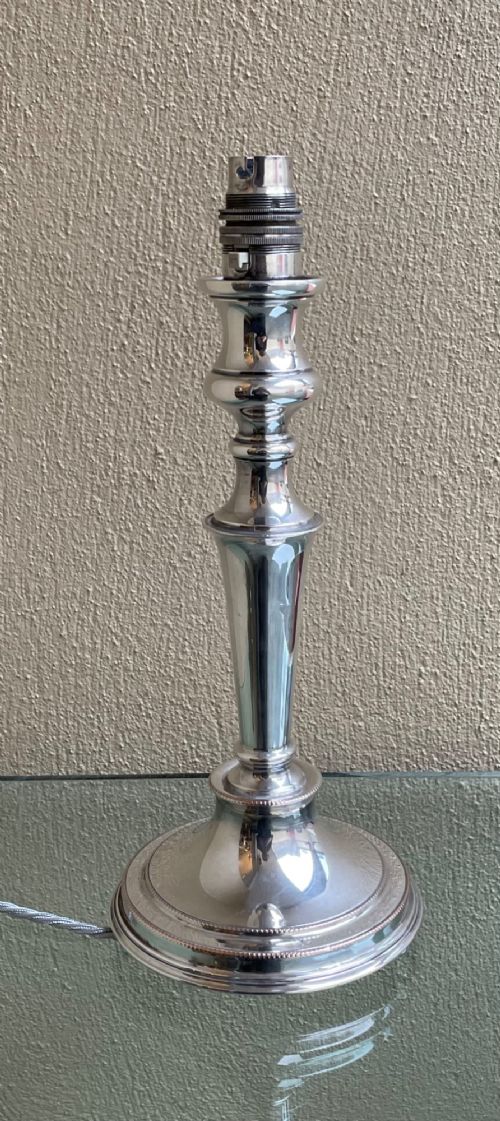
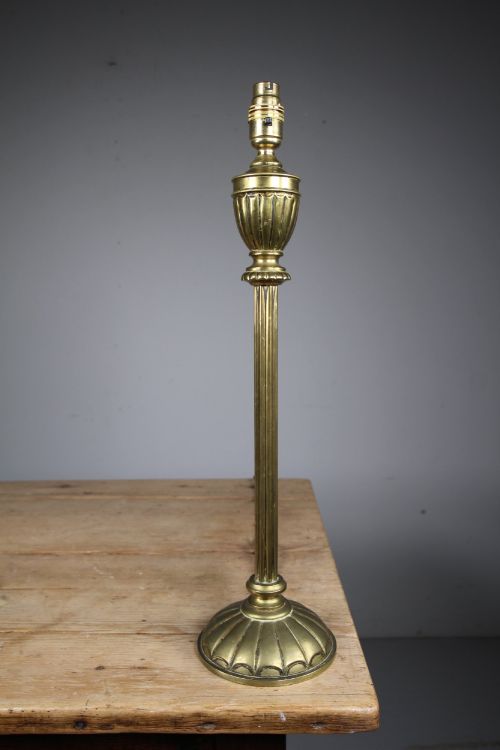
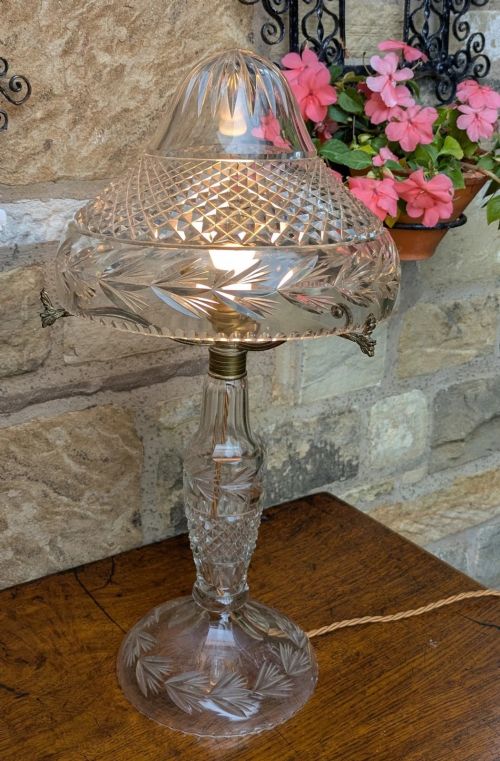
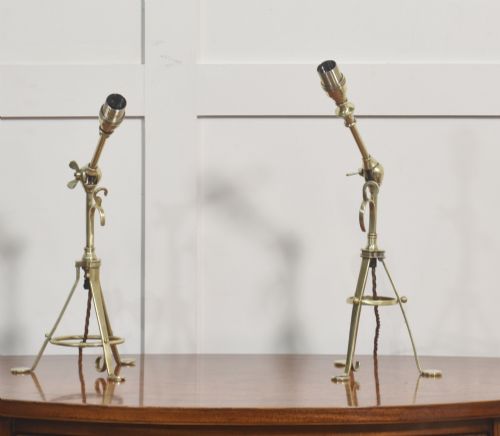
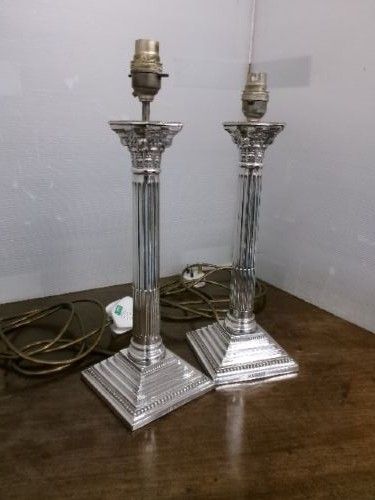
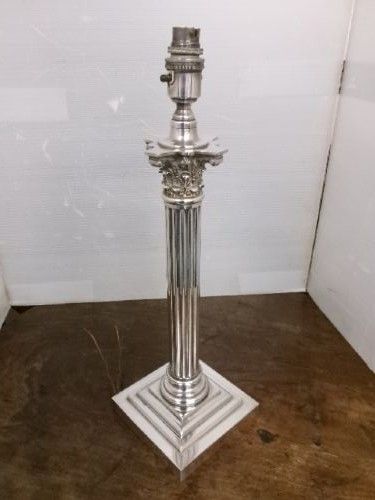
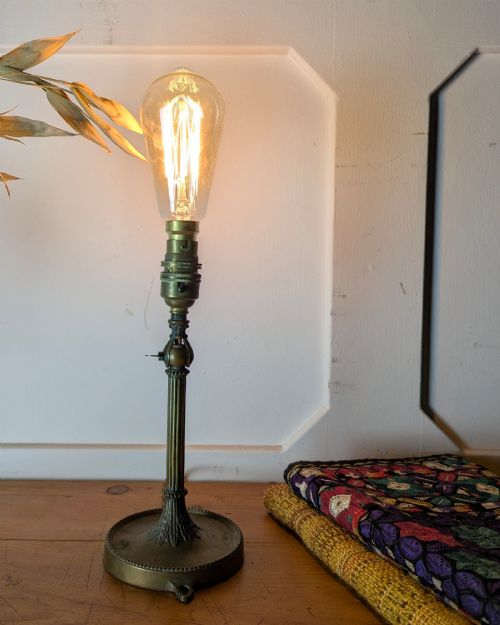
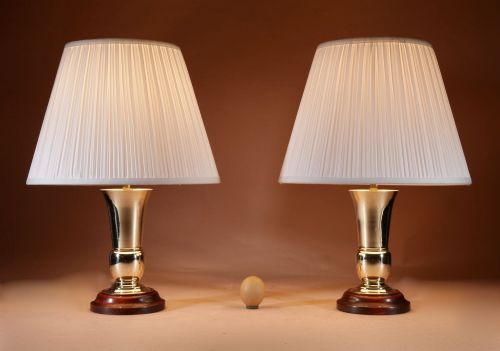
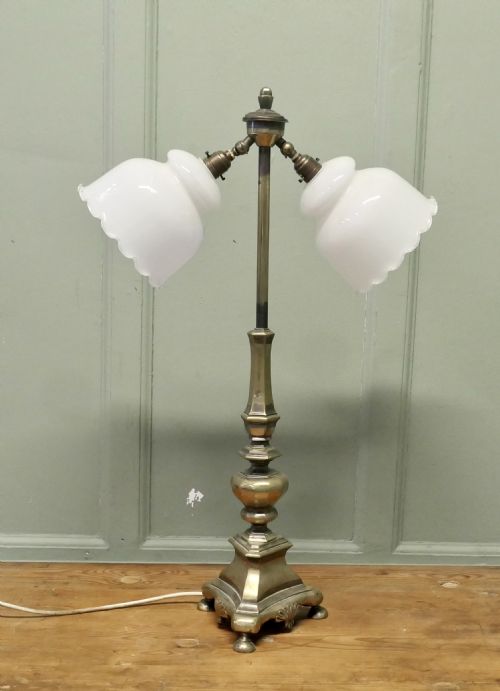
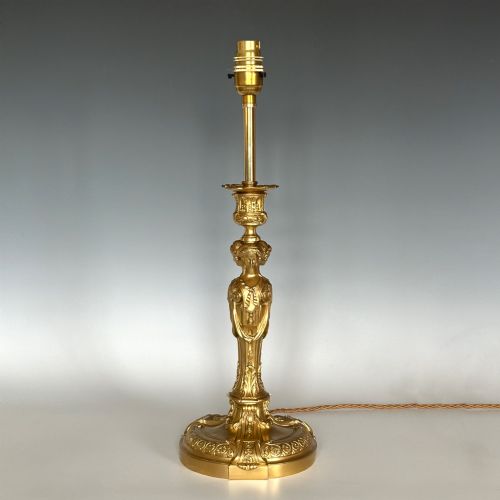
Forms include reeded column table lamps, bankers desk lamps, and double helix designs. Materials such as brass, bronze, glass, porcelain, and fabric appear across the selection.
While most examples are dedicated table and desk lamps, the broader record also includes related writing desks and light fittings from the same era.
How they were made
Makers utilised cast and spun brass or bronze to form the main structural components, often incorporating adjustable joints to direct the beam. Metal columns feature decorative reeding or twist forms like the double helix.
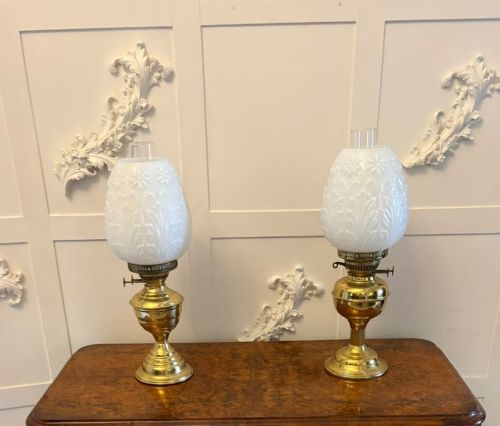
Shades utilise contrasting materials including cranberry glass, plain glass, and porcelain, paired with wiring such as braided fabric flex. Components are assembled mechanically through threaded fittings and joints.
Retail Price Guide 2026
Typical UK retail prices for edwardian desk light, calculated from the Sellingantiques database of over a million retail prices indexed since 2003. This retail price guide relies exclusively on Sellingantiques data; no external sources or auction records are used, so the figures do not describe the wider market.
The listings combine brass, bronze, glass, and porcelain across table lamps, desk lamps, and light fittings from Edwardian and Victorian periods.
What varies in quality
The sophistication of the mechanics dictates the quality of an adjustable desk lamp, distinguishing smooth movement in the joints from stiffness or slackness. The weight and gauge of the brass or bronze foundation determine the overall stability.
Material combinations elevate certain pieces, particularly where hand-blown cranberry glass or fine porcelain shades accompany heavy metal bases. Original surface patination and surviving braided fabric flex preserve the integrity of the period manufacture.
Maple & Co
The Edwardian Desk Light Glossary
- Edwardian
- Pertaining to the reign of King Edward VII, spanning from 1901 to 1910, characterised by lighter proportions and refined classical details.
- Reeded column
- A vertical cylindrical shaft decorated with parallel convex mouldings resembling bundled reeds.
- Cranberry glass
- Transparent red glass produced by adding gold chloride to the molten batch during manufacturing.
- Braided fabric flex
- Flexible electrical cord covered in a woven textile outer sheath, typical of early twentieth-century lighting.
- Double helix
- A decorative twisting structural form featuring two congruent curves winding about an axis.
Frequently Asked Questions
What is an edwardian desk light?
An edwardian desk light is a period task lamp designed to illuminate a workspace using brass, bronze, glass, or porcelain materials.
These pieces often feature adjustable arms or shades to direct light onto documents and writing surfaces.
How do I adjust the lamp?
Many examples utilise mechanical joints, hinges, or pivoting mechanisms built into the metal stem or shade mount.
Care should be taken with antique metalwork and original fittings when altering the position.
What materials were used?
Construction relies heavily on cast brass and bronze for the weighted bases and structural columns.
Shades are commonly formed from cranberry glass, standard glass, or porcelain, sometimes wired with braided fabric flex.