
Edwardian Table Light
When you search for an edwardian table light, you uncover functional illumination crafted in brass, glass, and oak from the early twentieth century.
Edwardian Table Light
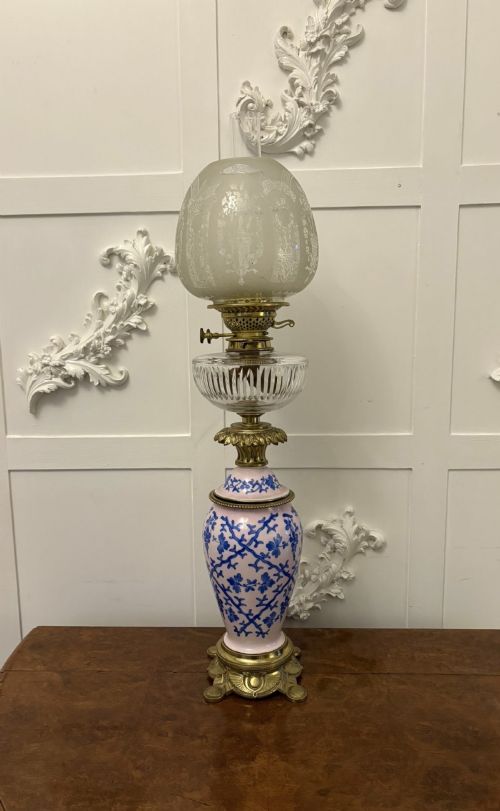
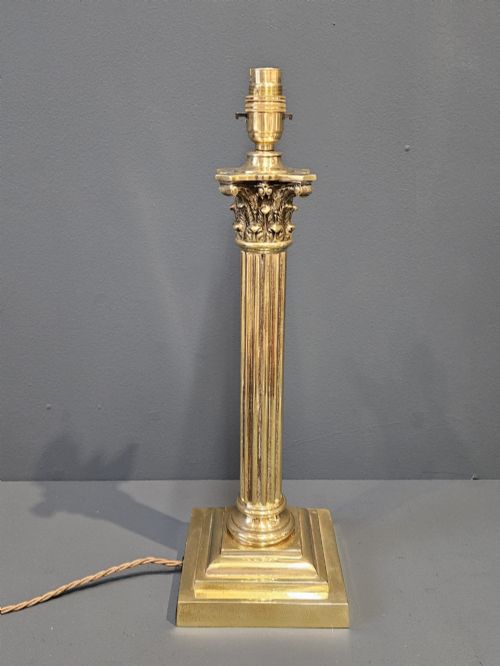
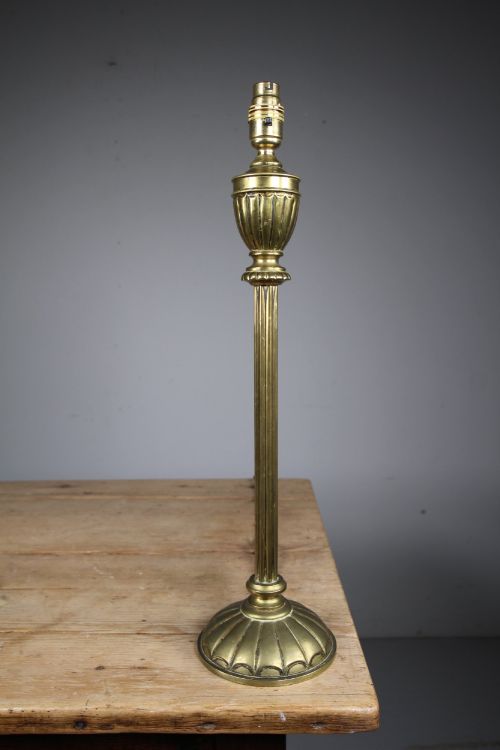
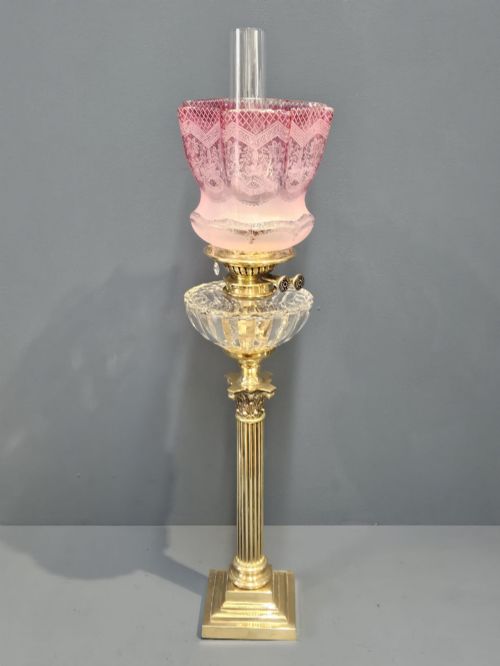
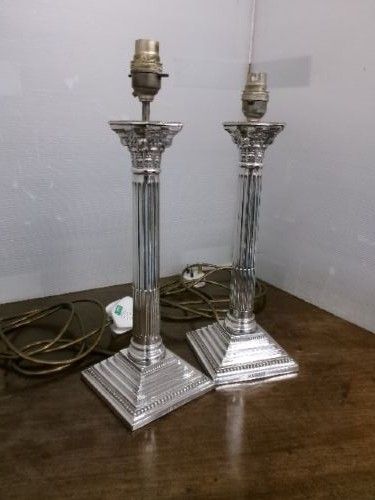
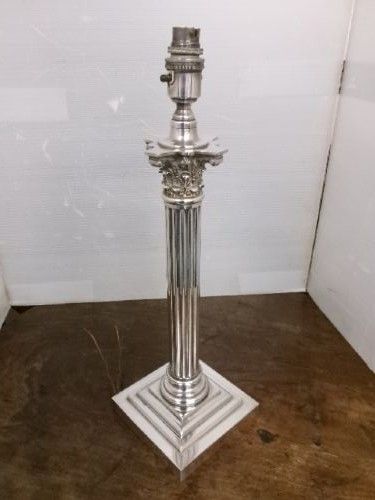
An edwardian table light encompasses a variety of domestic illumination from the opening decades of the twentieth century, bridging late Victorian tastes and early modern design. You will frequently encounter tall Corinthian column lamps, adjustable reading fixtures, and converted oil lamps that utilise electricity.
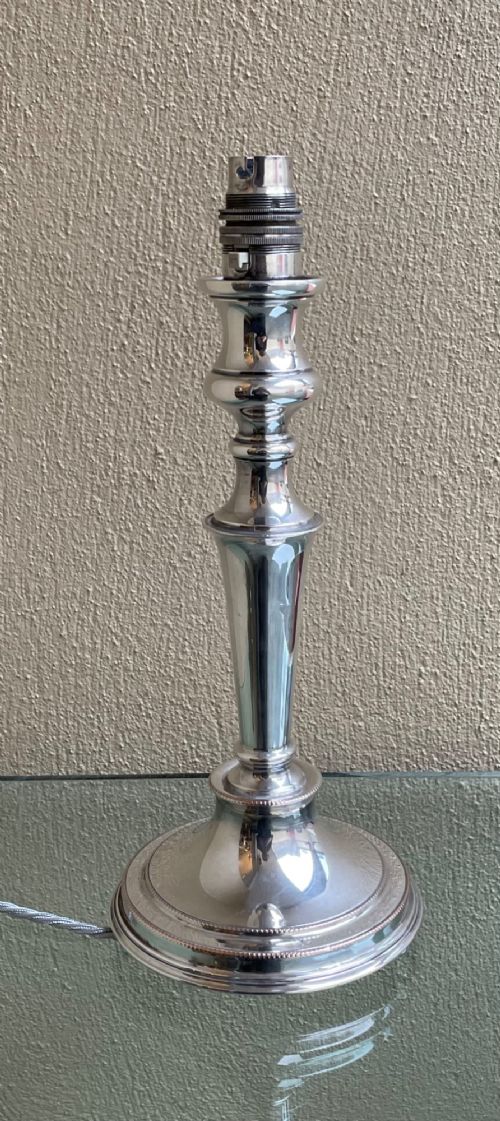
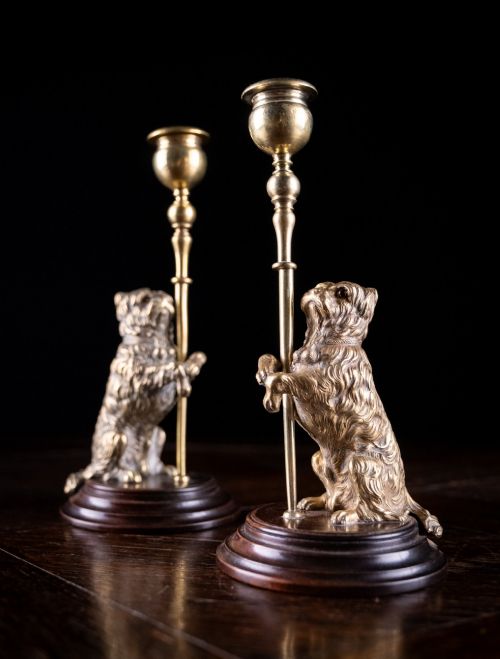
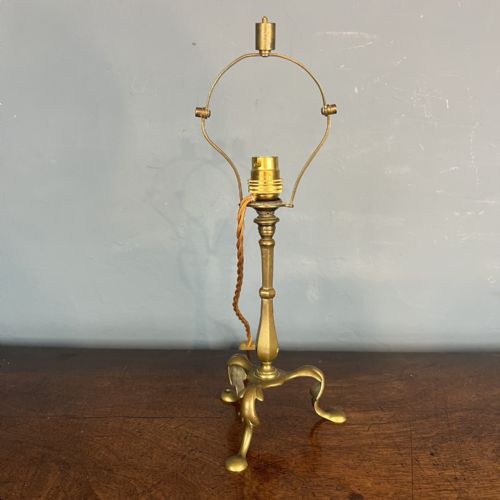
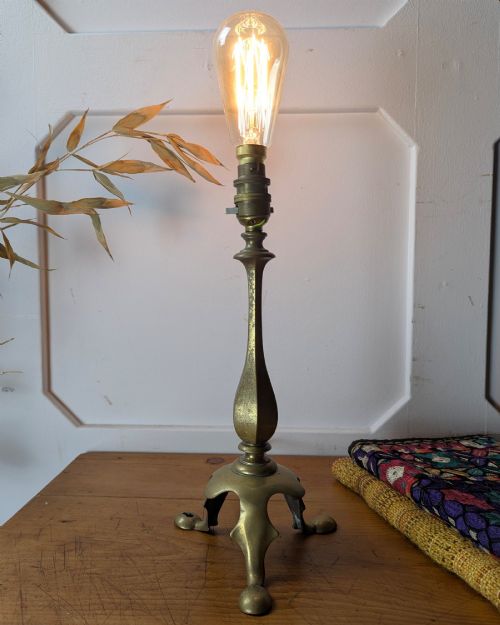
The selections span standard brass desk lamps, heavy cast metal bases, and small silver table lighters alongside occasional oak examples. Many items reflect the prevailing Arts and Crafts movement or Neoclassical Revival styles popular among households of the era.
How they were made
Metalworking dominates the construction, utilising heavy cast brass, silver plate, and gilt bronze often formed into reeded columns or hexagonal baluster shapes. Workshops combined these metallic elements with blown glass shades, cut crystal bodies, and occasionally natural stone such as onyx.
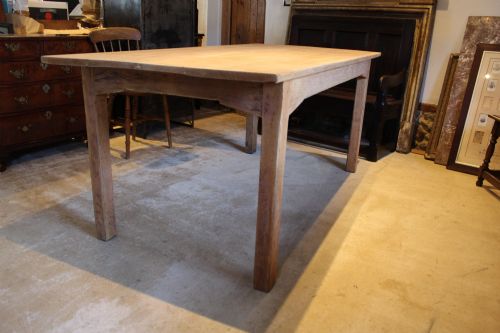
Wooden components rely on solid oak, ash, and mahogany, shaped into turned stems or supportive bases. Fabric elements and specialised glass shades complete the fixtures, diffusing the electric light or oil flame.
Edwardian Table Light Retail Price Guide 2026
Typical asking prices for edwardian table light among the pieces listed under this phrase on Sellingantiques today, from the lower quarter to the upper quarter. They describe what is for sale here now, not the wider market.
Listings demonstrate a strong presence of brass and glass materials applied to table lamps, oil lamps, and desk lights spanning 1900 to 1920.
What varies in quality
The distinction between standard commercial output and superior craftsmanship rests upon the weight of the cast metal and the crispness of classical detailing. Heavy brass columns with deeply chased acanthus leaves and substantial weighted bases represent finer manufacturing than thin, pressed sheet metal alternatives.
Material integration also separates the range, demonstrated by heavy cut crystal reservoirs, uncompromised gilt bronze mounts, and matched opaline or cranberry glass shades rather than simple replacement globes.
W.A.S. Benson·Royal Worcester·Shapland & Petter·William Comyns
The Edwardian Table Light Glossary
- Corinthian column
- A classical architectural column form featuring ornate acanthus leaf capitals, frequently adapted for heavy brass and silver plated lamp bases. This silhouette was immensely popular during the late nineteenth and early twentieth centuries.
- Opaline glass
- An opaque or semi-translucent glass, often white, pink, or pale green, used extensively for lamp shades to soften and diffuse light evenly. It provides a characteristic soft glow when illuminated.
- Gilt bronze
- An alloy of copper and zinc treated with a gold amalgam or finish, also known as ormolu, utilised for decorative mounts and trimmings on high-end French and English lamps. The technique adds a rich golden lustre to the metallic structure.
- Arts and Crafts
- A design movement emphasising handcraftsmanship, simple structural forms, and the natural qualities of materials like oak and hammered brass. Pieces from this tradition avoid excessive machine-made ornamentation in favour of honest construction.
Edwardian Table Light: Frequently Asked Questions
What is an edwardian table light?
These pieces comprise lighting fixtures made around the first two decades of the twentieth century, typically constructed from brass, silver plate, or glass. They include adjustable reading lamps, Corinthian column designs, and converted oil lamps.
Many reflect styles ranging from austere Arts and Crafts ideals to ornate Neoclassical Revival motifs. They served to illuminate studies, dining rooms, and parlours during a period of transition toward widespread household electricity.
How were they used?
Households placed these portable lights on desks, side tables, and sideboards to provide targeted illumination for reading, writing, and dining. Adjustable models allowed users to direct the beam precisely where needed for tasks.
Before electrification became universal, many functioned as oil lamps or table lighters before being rewired for modern bulbs in later decades. Their mobility made them versatile accessories for various rooms in the home.
How do I live with one?
Integrating these items into modern interiors requires a compatible electrical setup, as many vintage examples have been rewired with period-appropriate or contemporary flex. Pairing a heavy brass base with a simple fabric shade ensures stability and balanced light distribution.
They function effectively on sideboards, desks, and bedside tables where their materials can complement wooden furniture. Regular dusting and careful handling of glass components maintain their physical condition.
How do I tell periods apart?
Distinguishing the era involves examining the decorative motifs, switch mechanisms, and construction techniques. Victorian examples tend to feature heavier, highly ornate classical casting, whereas early twentieth-century designs often incorporate cleaner lines influenced by the Arts and Crafts movement.
Materials like oak, unlacquered brass, and hand-blown opaline glass are strong indicators of the Edwardian era. Hallmarks on silver components or stamped maker marks on the metalwork provide definitive chronological markers.