
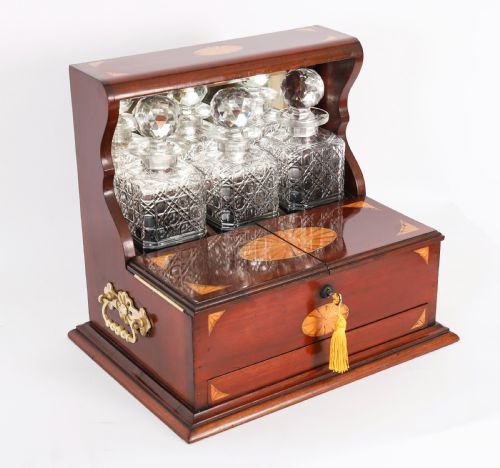


Edwardian Cut Crystal Box
An edwardian cut crystal box brings heavy faceted glass and polished metal mounts to the dressing table or desk, offering both storage and display.
Edwardian Cut Crystal Box
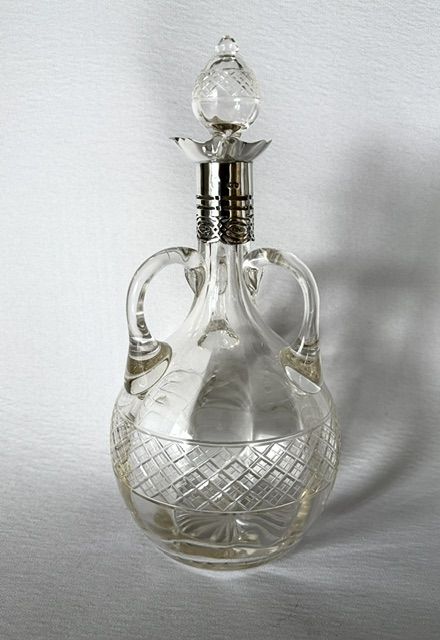
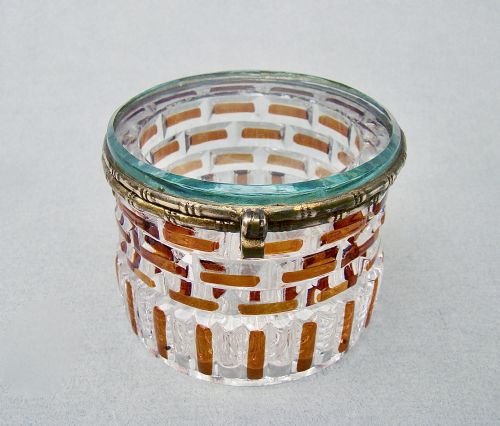
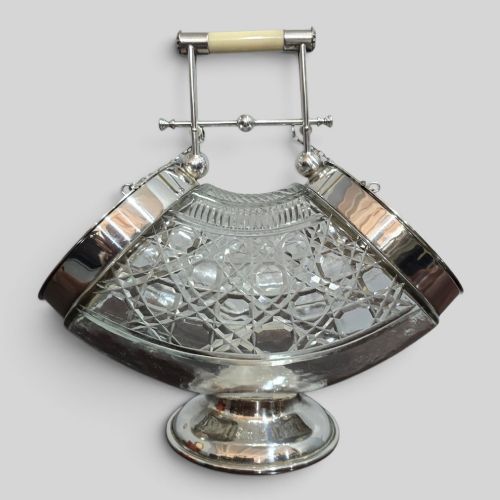
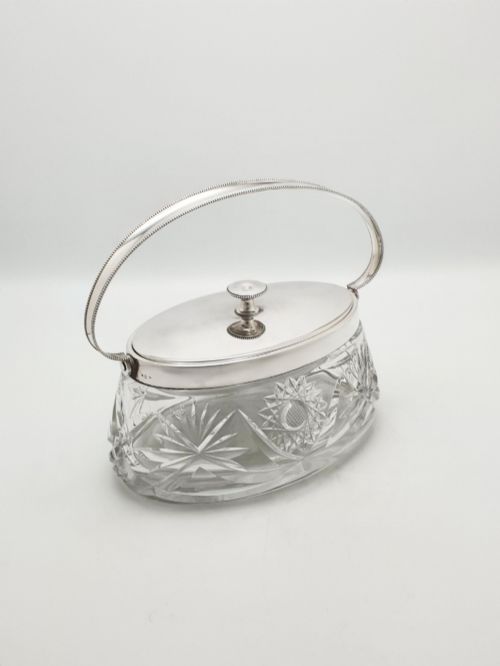
An edwardian cut crystal box encompasses small receptacles designed for trinkets, pins, stamps, and vanity items, alongside larger vessels like biscuit barrels and tantalus sets. The pieces on this page span the Edwardian period and neighbouring Victorian, 1920s, and 1930s eras, reflecting diverse domestic uses from the bedroom to the drawing room.
Most examples combine thick cut glass or crystal bodies with hinged lids of sterling silver, silver plate, or brass, occasionally featuring fitted wooden frames in oak or satinwood. These containers range from simple heart-shaped pin boxes to substantial compendiums housing decanters and games.
Design influences stretch across British Edwardian workshops and continental European centres, showing styles from late Victorian classicism to French Belle Epoque and Jugendstil. The surviving selection demonstrates how these objects served both utilitarian storage and decorative display in period interiors.
How they were made
Makers formed the crystal bodies through heavy cutting and hobnail patterns pressed or ground into lead glass, creating deep facets that catch the light. This labour-intensive glass cutting produced thick, durable walls designed to withstand daily use on dressing tables and sideboards.
Metal mounts, including sterling silver lids, silver-plated rims, and brass hinges, were hand-fitted to the glass edges, often bearing hallmarks from assay offices such as Birmingham. Wooden components like oak and satinwood frames utilised traditional joinery to house decanters and glass inserts securely.
Listings feature items spanning the Victorian, Edwardian, and 1930s periods, executed in cut crystal, sterling silver, oak, and tortoiseshell.
What varies in quality
The crispness and depth of the glass cutting distinguish standard production from finer work, with sharp facets and intricate hobnail patterns indicating superior craftsmanship. The weight and thickness of the crystal body further mark the standard of the piece.
The gauge of the metal used for lids and mounts, alongside the presence of clear hallmarks, separates simple plated items from substantial sterling silver examples. Fitted interiors and the integration of secondary materials like tortoiseshell or inlaid wood also elevate the standing of an object.
James Dixon and Sons·Baccarat·WMF
The Edwardian Cut Crystal Box Glossary
- Hobnail cut
- A glass-cutting pattern featuring rows of small, pointed pyramids that create a textured, light-catching surface. This technique appears frequently on biscuit barrels and heavy boxes.
- Tantalus
- A locked wooden frame holding decanters with visible contents while preventing access to the liquor inside. These frames often incorporate silver-plated mounts and games compartments.
- Sterling silver
- An alloy of silver containing 92.5 percent pure silver and 7.5 percent other metals, typically copper. Lids and mounts made from this standard usually display British hallmarks.
- Biscuit barrel
- A cylindrical lidded container designed for storing dry biscuits on the dining table or sideboard. Examples in this category combine cut glass bodies with silver-plated or ceramic covers.
- Vanity jar
- A small glass container with a metal or tortoiseshell lid intended for cosmetics, powder, or hairpins on a dressing table. These pieces often feature detailed repoussé work on the silver top.
Edwardian Cut Crystal Box: Frequently Asked Questions
What were edwardian cut crystal boxes used for?
These boxes served practical functions across different rooms, holding small personal items like pins, stamps, and trinkets on dressing tables. Larger variations stored biscuits in dining rooms or held decanters and games in drawing rooms.
Their dual role as storage and decorative objects made them standard fixtures in middle and upper-class Edwardian homes, combining utility with visible displays of wealth.
How do I clean the crystal and silver?
Cleaning requires warm soapy water and a soft cloth for the crystal, avoiding harsh abrasives that can scratch the deep cuts. Metal mounts need specific silver or brass polish applied carefully to avoid contact with the glass.
If the box includes fabric linings or wooden frames, moisture must be kept away from those sections to prevent warping or staining.
Are these boxes fragile for daily use?
The thick lead crystal used in these pieces provides substantial weight and durability, making them less fragile than thin glassware. The metal hinges and silver lids are securely anchored to the body for regular opening and closing.
Care is still required around hard surfaces, as heavy crystal can chip upon impact and antique hinges benefit from gentle handling.
How can I tell an Edwardian box from a Victorian one?
Edwardian pieces often display lighter, airier proportions and influences from Art Nouveau or Belle Epoque design compared to heavier Victorian forms. Hallmarks on the silver mounts provide exact dates of manufacture through assay office symbols and date letters.
Stylistic shifts between late 19th-century oak tantalus sets and early 20th-century vanity jars help establish the approximate decade of production.