



Edwardian Copper Pot
These pieces of edwardian copper pot combine utility and decorative craft, bringing tactile warmth and period character to any interior scheme.

Edwardian Copper Pot
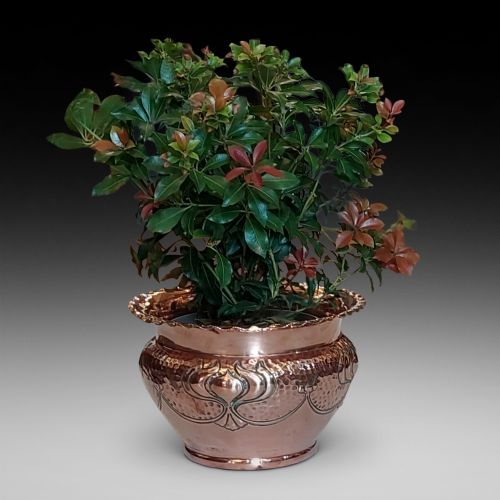
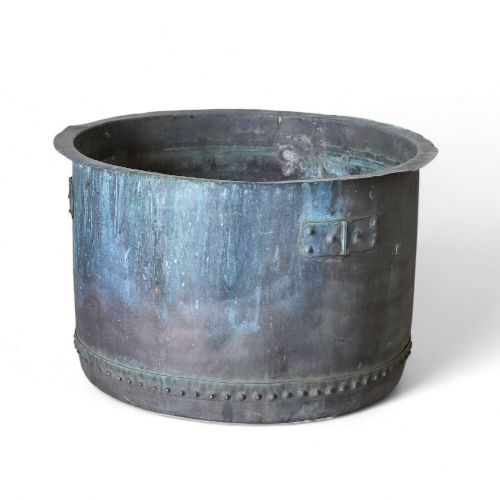
An edwardian copper pot typically manifests as a jardiniere, planter, or kettle designed for domestic display and practical use. Buyers searching for an edwardian copper pot are often drawn to utilitarian vessels that served functional roles in homes from the late nineteenth and early twentieth centuries. These objects range from heavy planters to coal buckets and kettles, reflecting the domestic habits of the period.
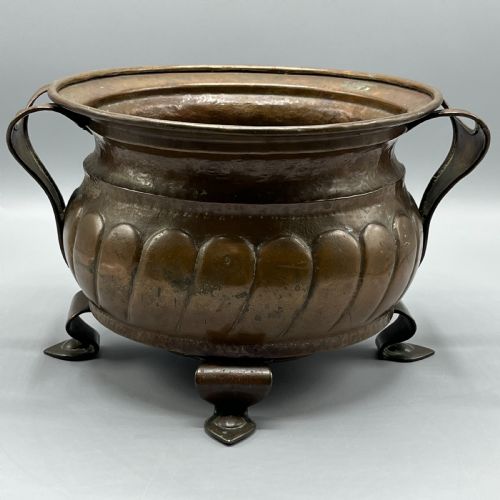
The pieces appearing under this heading frequently cross over into Arts and Crafts and Art Nouveau aesthetics, displaying characteristic hammered surfaces and structural riveting. The most common forms are indoor planters and jardinieres intended to house household greenery and ferns. Such vessels demonstrate how practical household metalwork absorbed the decorative impulses of the Edwardian era.
How they were made
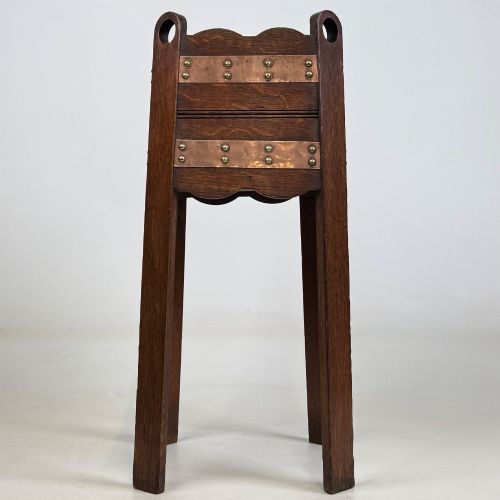
Makers formed these vessels predominantly from sheet copper, often combining them with brass handles, iron fittings, or oak stands to add structural stability. The manipulation of the metal involved hand-beating and riveting, which created robust joints and textured exterior finishes.
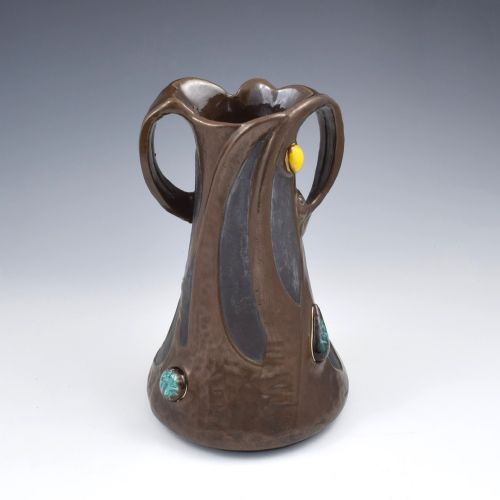
Details such as applied cabochons, wrought iron supports, and glazed ceramic elements appear on specific decorative variations. These construction methods prioritised durability alongside aesthetic appeal, ensuring the pots could withstand daily household demands.
Listings incorporate items spanning from the Victorian era through the Edwardian period, utilising copper, brass, wrought iron, and oak.
What varies in quality
Quality in these metal vessels depends upon the thickness of the copper sheet and the integrity of the hand-riveted joints. Substantial weight and careful attention to structural proportions distinguish superior items from standard utilitarian output.
The refinement of decorative details, such as hammered surface texturing or integrated brass and wrought iron mounts, further elevates certain pieces. Superior examples exhibit harmonious integration between the primary metal body and any auxiliary materials like oak or ceramic.
The Edwardian Copper Pot Glossary
- Jardiniere
- An ornamental pot or stand for holding flowers or plants, typically designed for indoor placement. These vessels form a significant portion of domestic metalwork from the period.
- Arts and Crafts
- A design movement that championed traditional craftsmanship, simple forms, and visible construction methods. This style heavily influences the surface treatment and construction of many period pots.
- Art Nouveau
- A style of art and design characterised by fluid, organic lines and stylised natural motifs. Pieces from this movement often incorporate sinuous handles or plant-inspired decorative elements.
- Patina
- The natural surface alteration and coloration developed on metal through age and environmental exposure. A rich natural patina indicates authentic oxidation over decades of existence.
- Cabochon
- A polished, convex gem or decorative stone lacking facets, frequently set into metalwork as an accent. Such ornaments appear on specific decorative vases and planters from the era.
Edwardian Copper Pot: Frequently Asked Questions
How were these pots used?
These vessels functioned primarily as indoor plant holders, coal containers, or water heating receptacles in domestic settings. Planters and jardinieres housed ferns and potted greenery to bring natural elements into Victorian and Edwardian parlours.
Larger pots and buckets managed solid fuel for hearths, while smaller vessels served breakfast or beverage preparation roles. Their dual utility combined robust metal construction with decorative interior display.
How do I clean copper?
Cleaning depends upon whether you prefer to maintain the aged surface oxidation or restore a bright metallic shine. Gentle washing with warm soapy water removes dust without disturbing the historic surface.
Abrasive compounds should be avoided unless a polished appearance is explicitly desired by the owner. Most collectors prefer to preserve the accumulated patina that reflects the age of the piece.
How do I date an edwardian copper pot?
Dating relies upon examining manufacturing techniques, stylistic indicators, and material combinations typical of the period. Hand-riveted construction and hammered surface marks often point towards late nineteenth or early twentieth-century production.
Association with specific design movements like Arts and Crafts or Art Nouveau helps narrow the timeframe. Comparing the form and fittings with documented examples establishes a reliable chronology.