
Victorian Brass and Copper
When you search for victorian brass and copper, you enter a world of hearthside metalwork and domestic vessels forged from warm, durable alloys.

Victorian Brass and Copper
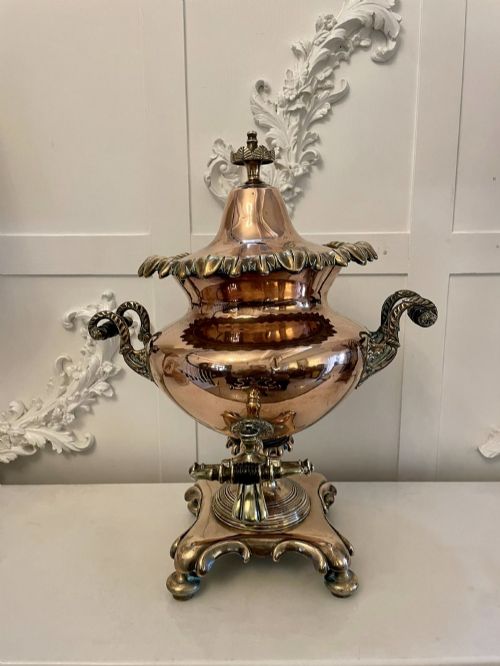
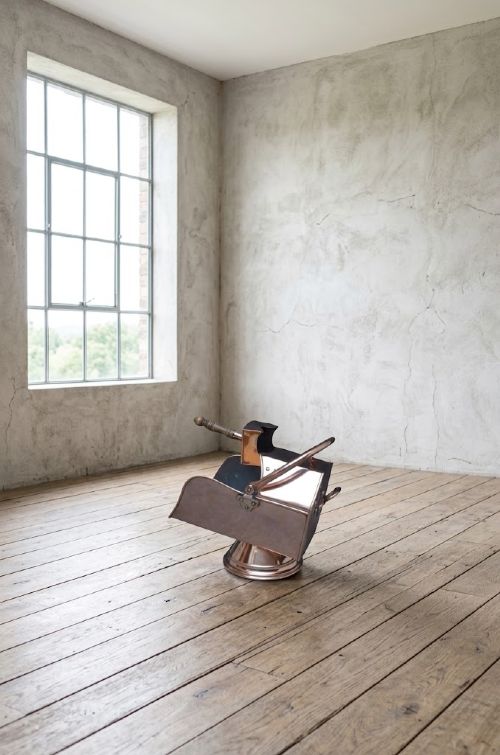
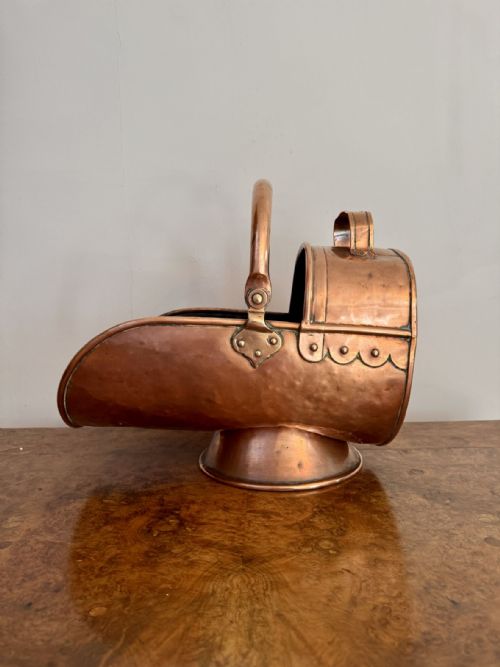
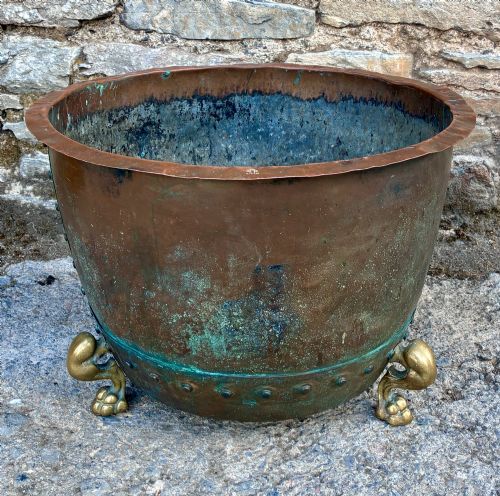
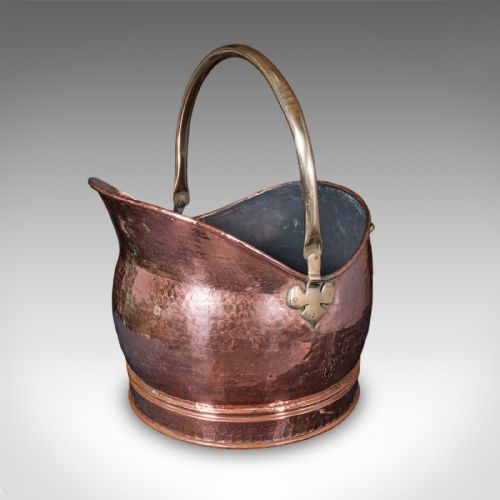
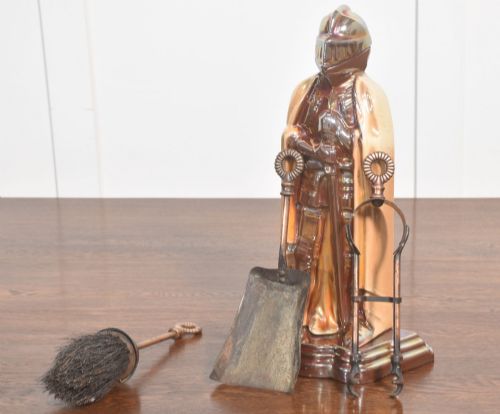
When searching for victorian brass and copper, buyers encounter a robust array of nineteenth-century domestic metalwork designed for utility and display. The selection on this page is dominated by fireside accessories, including coal scuttles, coal buckets, log bins, kettles, and samovars.
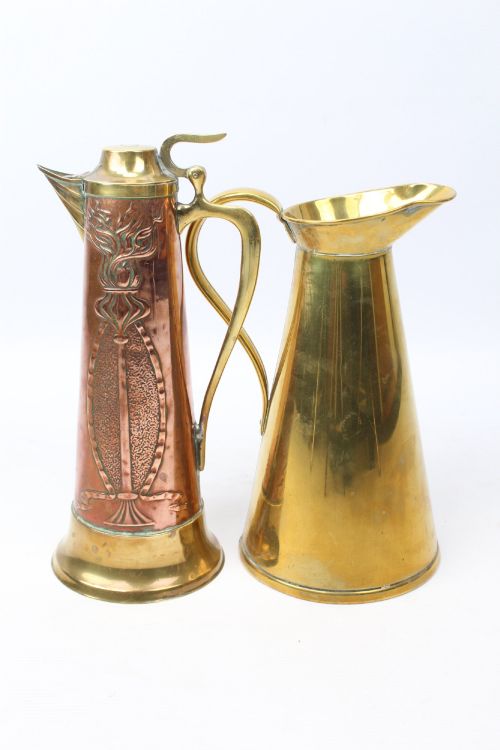
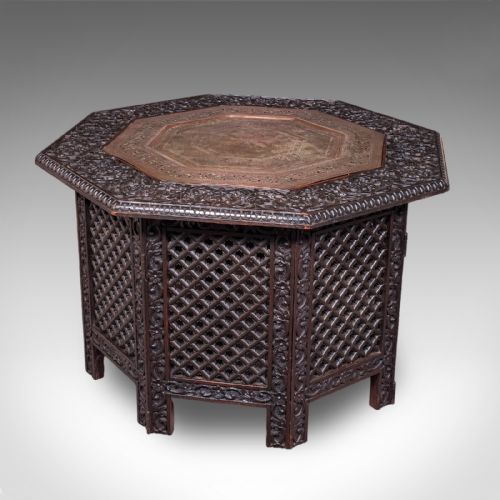
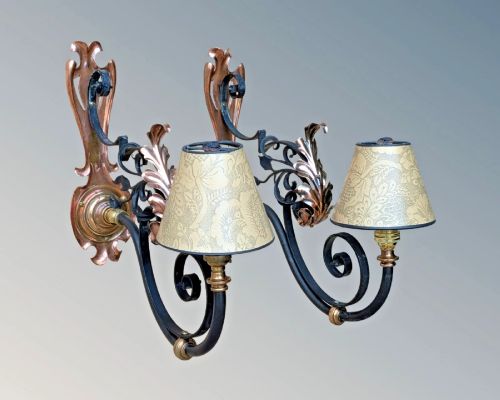
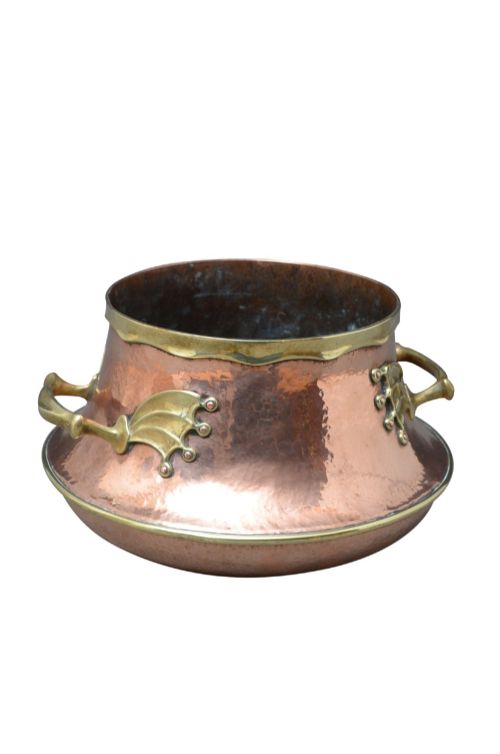
Beyond the hearth, the material combination extends to jardiniere vessels, wall lights, lanterns, and occasional tables originating from Victorian and Arts and Crafts contexts. These objects reflect the heavy industrial output and domestic refinement of the nineteenth century, utilising dual-metal construction for both strength and visual contrast.
How they were made
Objects in this category rely primarily on sheet copper and cast brass, joined by hand-riveting, seaming, and dovetailed bases. Makers utilised wrought iron and wood for structural support in items such as fenders, coal buckets, and umbrella stands.
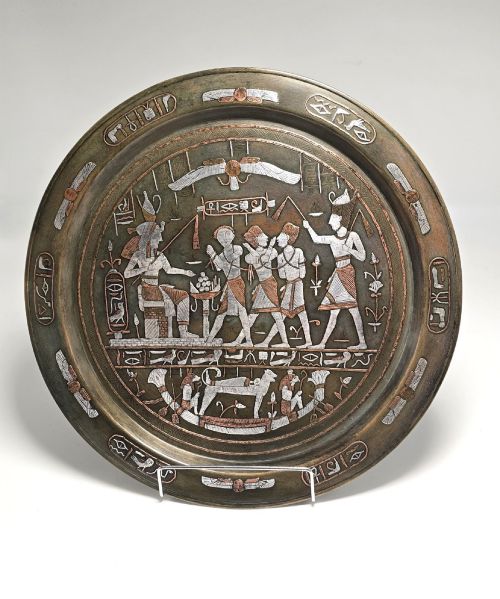
Surface finishes include hand-hammering, embossing, and brass banding, alongside decorative applications like silver inlay found in specialised Cairo Ware. Rivets and mounts were frequently cast separately and attached with brass or copper pins to handles, rims, and lion mask ring mounts.
What varies in quality
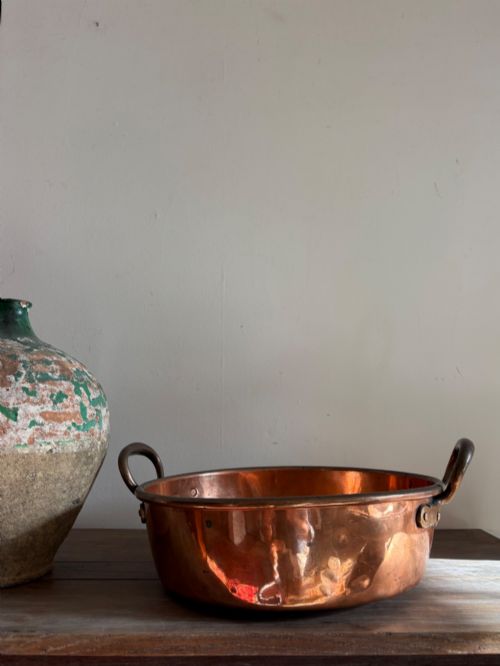
The distinction between standard domestic items and superior examples lies in the weight of the metal and the crispness of decorative details like hand-hammered panels or cast brass lion mask handles. Heavier gauges of copper resist denting and maintain structural integrity across large vessels such as coal bins and jam pans.
Design execution separates basic production pieces from workshop creations bearing maker attributions or distinct stylistic movements like Arts and Crafts. Fine proportion, secure dovetail seaming, and integrated brass banding define the upper tier of surviving nineteenth-century metalwork.
William Soutter & Sons·Benetfink & Co·James Cartland & Sons·Hodges & Sons
The Victorian Brass and Copper Glossary
- Cairoware
- Nineteenth-century metalware produced in Egypt, featuring brass inlaid with silver and copper in complex Islamic-revival geometric patterns.
- Coal Scuttle
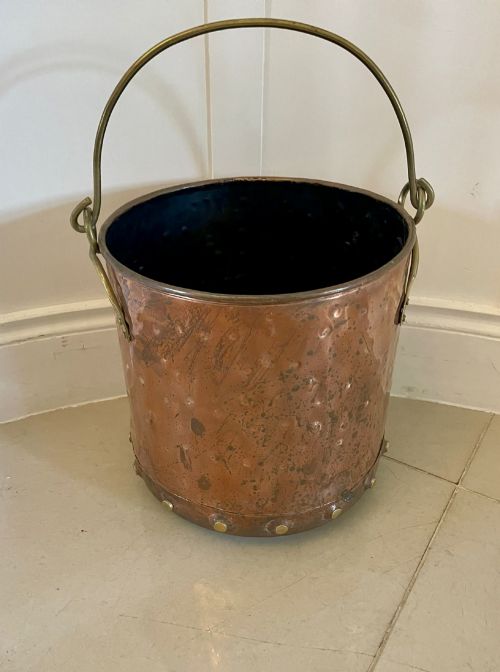
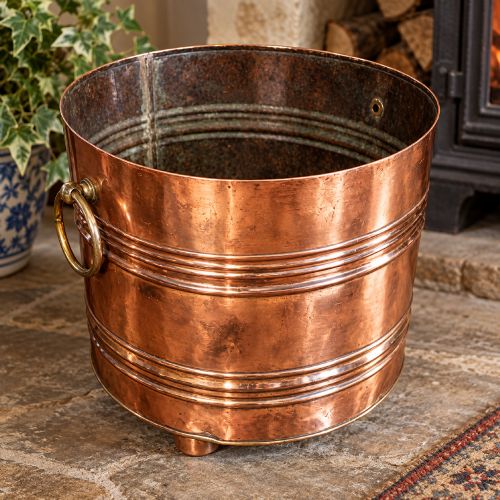
- A bucket or helmet-shaped container designed to hold household coal near the fireplace, frequently constructed from copper with brass mountings and swing handles.
- Jardiniere
- An ornamental pot or vessel, often made of hammered copper with brass bands, intended to hold indoor plants or flowers.
- Fender
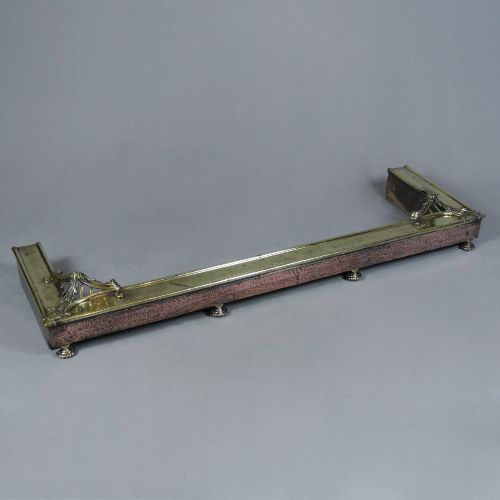
- A low metal guard placed around the hearth to contain sparks, constructed from heavy brass, copper, and steel.
Victorian Brass and Copper: Frequently Asked Questions
How do I clean antique copper?
Polishing depends on the desired finish, though most nineteenth-century surfaces respond best to traditional metal creams applied gently with soft cloths.
Avoid abrasive pads that strip the historical patina or scratch the softer underlying copper sheets.
Were these coal scuttles used daily?
Household metalwork served active domestic roles carrying fuel to coal-burning hearths across Victorian sitting rooms and kitchens.
Wear marks and interior oxidation reflect this heavy manual service before pieces entered collections.
What is Cairo Ware?
Cairo Ware represents late nineteenth-century decorative metalwork imported during the Grand Tour, combining brass with silver and copper inlay.
These pieces showcase intricate Islamic geometric motifs executed by craftsmen working in Egypt for Western buyers.
How do I date a copper kettle?
Dating relies on construction methods, observing whether the body uses hand-dovetailed seams or machine rolling.
Early pieces feature hand-beaten surfaces and cast brass handles secured with handmade rivets rather than modern screws.