
Edwardian Carved Vanity
An Edwardian carved vanity brings together functional mirror work and detailed woodwork, offering a practical surface for daily preparation.
Edwardian Carved Vanity
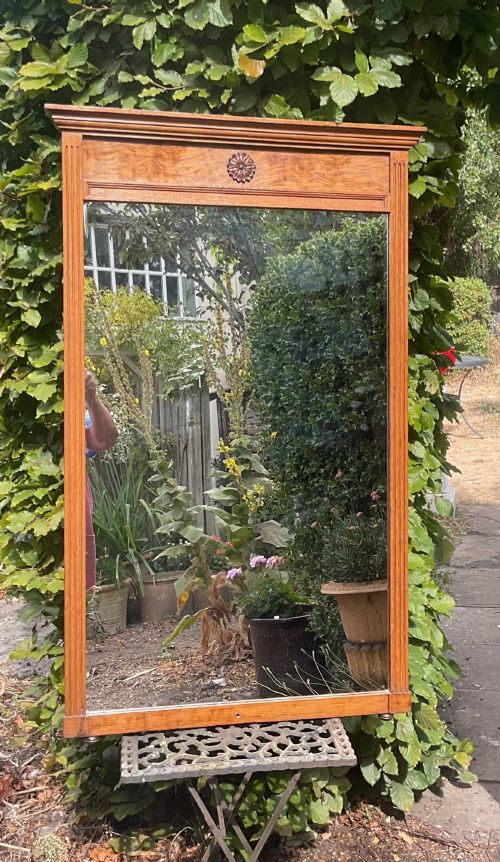
When buyers search for an edwardian carved vanity, they encounter various forms related to dressing and grooming, including dressing tables, mirrors, and stools. The pieces on this page span the Edwardian period alongside Victorian and early twentieth-century examples, reflecting the domestic habits of the era.
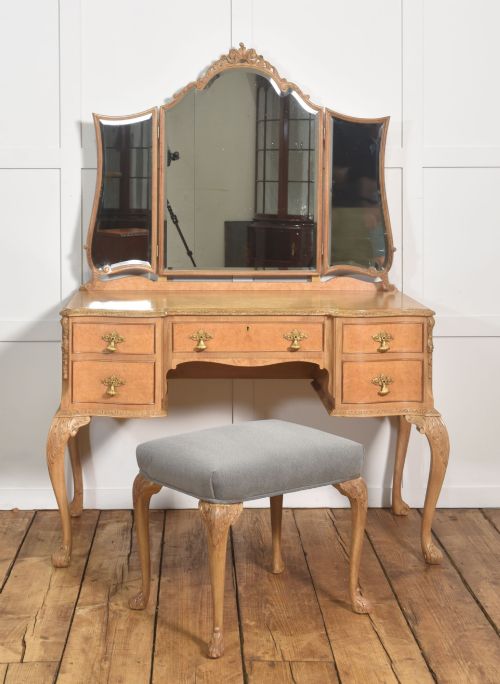
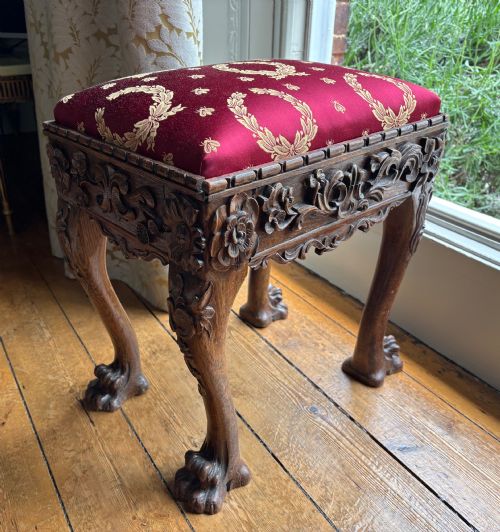
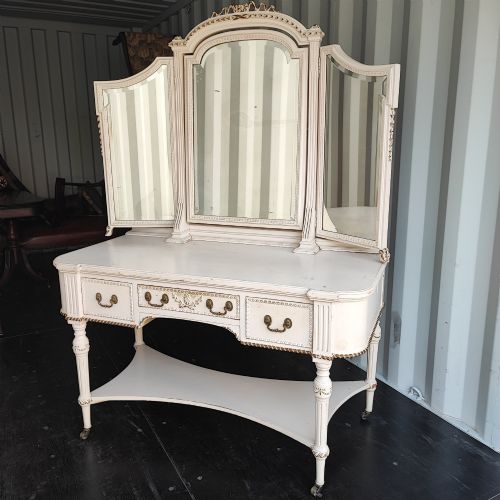
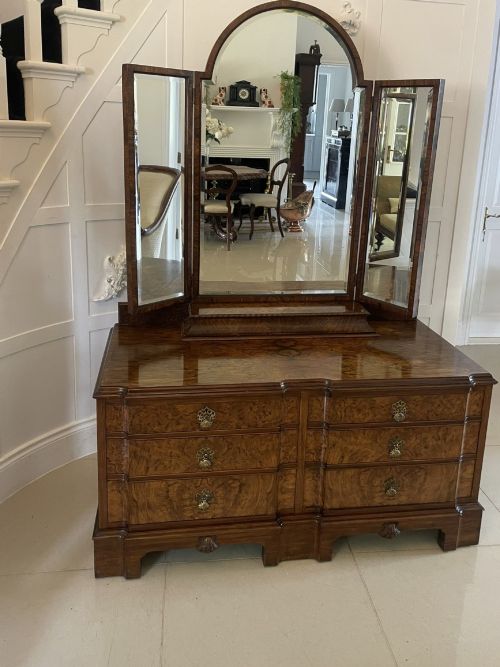
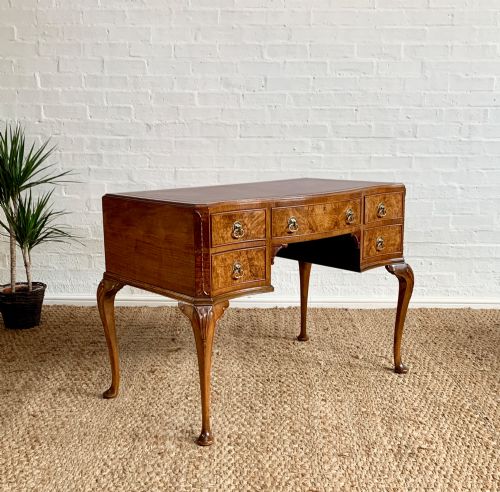
Dressing tables with triple mirrors and matching stools form the core of what meets the eye here. Makers utilised rich timbers like mahogany, walnut, and burr walnut, often pairing them with carved details drawn from Queen Anne or Chippendale revivals.
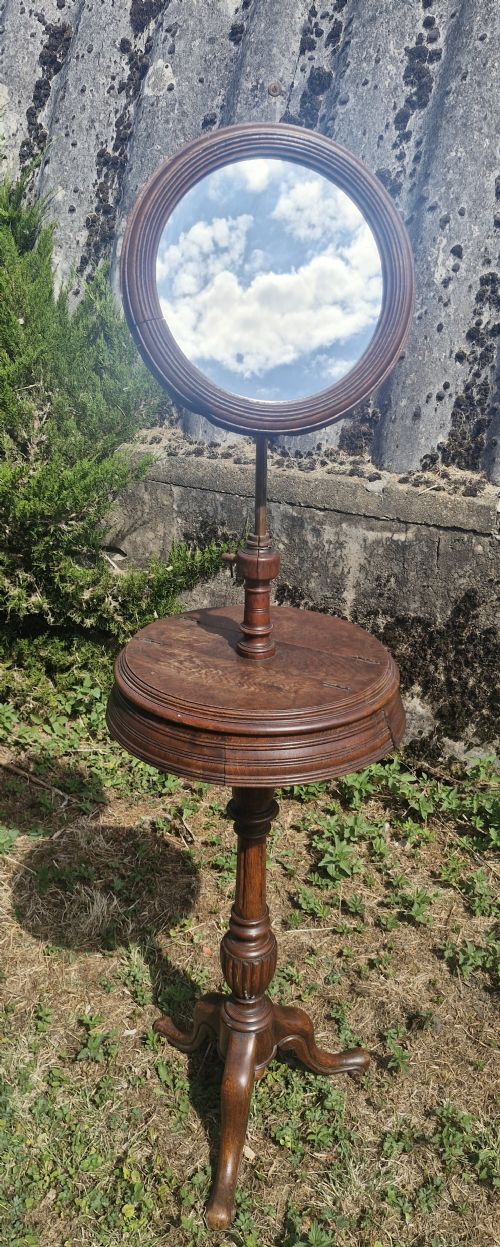
Alongside major furniture items, the listings include smaller companion pieces such as shaving stands, washstands, and adjustable toilet mirrors. These functional objects served bedrooms and dressing rooms across country houses and urban homes alike.
Materials and construction methods
Cabinetmakers worked predominantly with solid hardwoods and selected veneers, shaping mahogany, oak, walnut, and burr walnut into tables, desks, and frames. Joinery relied on traditional methods such as dovetailing for drawers and mortise and tenon joints for structural stability.
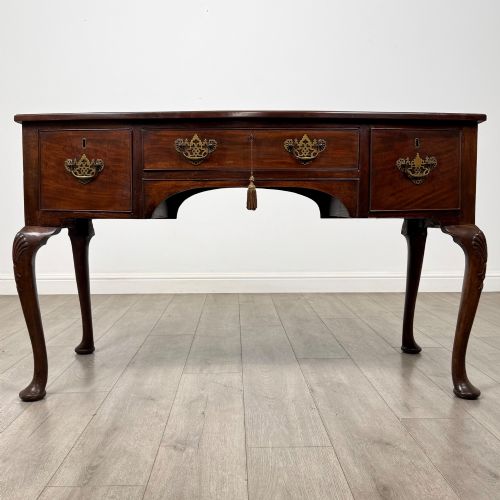
Carving was executed by hand, ornamenting cabriole legs, drawer fronts, and mirror surrounds with foliage and scrolling motifs. Surfaces received polished finishes that highlighted the natural grain of the wood, while specialised items incorporated inlaid bone, mother of pearl, or brass fittings.
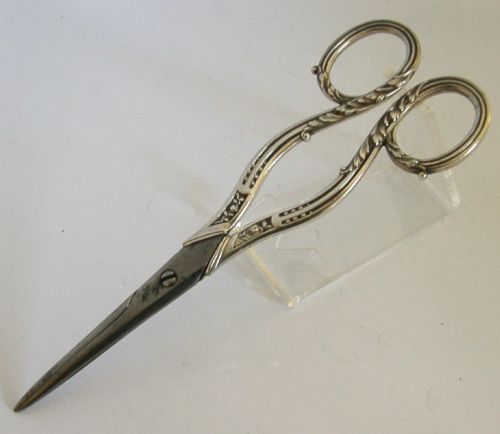
Scissors made of sterling silver wait alongside writing tables, proving that cutting paper required as much ceremony as writing letters.
Distinguishing quality in the range
The distinction between standard items and superior examples lies in the depth of timber selection and the precision of the hand carving. Burr walnut veneers matched symmetrically across drawer fronts indicate thoughtful design, whereas plain flat surfaces suggest more utilitarian production.
Structural integrity and the retention of original components define the better specimens. Pieces that retain their matching stools, original glass mirrors, and working brass hardware hold greater cohesion than those assembled from mismatched parts over time.
Maples of London and Paris·Wylie and Lochhead Glasgow·Heals·Shapland and Petter
The Edwardian Carved Vanity Glossary
- Burr walnut
- A wood figure featuring swirling patterns formed by growths on walnut trees. It was prized for luxury veneer work on tabletops and drawer fronts.
- Cabriole leg
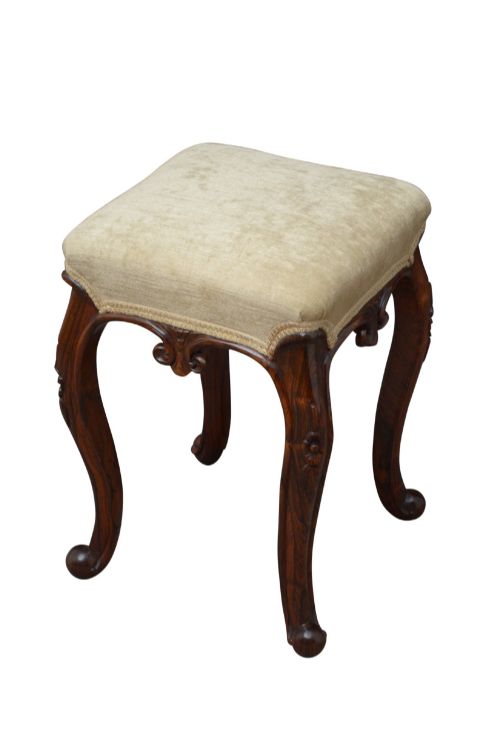
- A furniture leg that curves out and then in, resembling an animal's leg. This form appears frequently on Victorian and Edwardian dressing stools.
- Cheval mirror
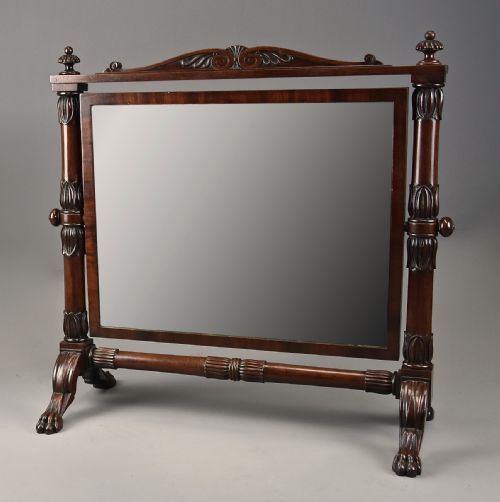
- A full-length mirror hung in a frame that allows it to tilt. These freestanding glasses allowed users to check their entire outfit.
- Mashrabiya
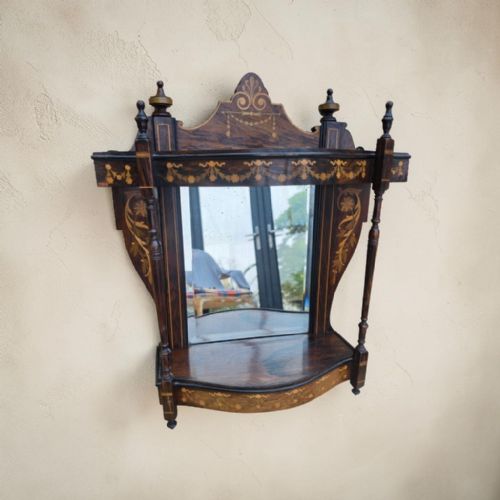
- An architectural element of turned wood lattices used in windows or screens. Examples in these listings incorporate bone and mother of pearl inlay.
- Washstand
- A piece of furniture designed to hold a basin and pitcher for washing before indoor plumbing became universal. They often featured marble tops or tiled splashbacks.
Edwardian Carved Vanity: Frequently Asked Questions
What is an Edwardian vanity?
An Edwardian vanity is a piece of bedroom furniture designed for personal grooming, typically comprising a dressing table with one or more mirrors and a matching stool.
These items date from the reign of King Edward VII or the surrounding early twentieth-century years, often featuring lighter woods and refined carving compared to heavier Victorian predecessors.
How do I use a dressing table stool?
Dressing table stools provide seating at the correct height for sitting before a vanity mirror while applying cosmetics or arranging hair.
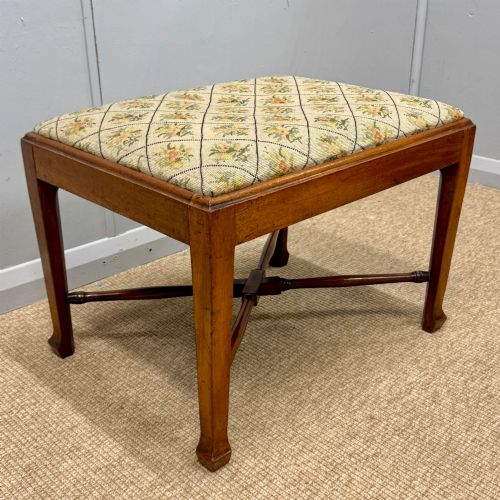
Many period stools feature upholstered seats covered in fabric, resting on cabriole legs or cross stretchers designed to match the primary dressing table.
Were shaving stands common?
Shaving stands were dedicated pieces of bathroom or bedroom furniture used by men for daily grooming before safety razors became widespread.
They usually incorporated an adjustable mirror and small shelves or drawers to hold shaving mugs, brushes, and straight razors.
How do I distinguish Edwardian from Victorian furniture?
Victorian furniture tends to be heavier in scale, often constructed from dark mahogany or rosewood with elaborate carving and dense ornamentation.
Edwardian pieces generally exhibit a lighter aesthetic, favouring satinwood, brighter mahogany, inlaid stringing, and influences from Georgian revival styles.