
Edwardian Carved Table
An edwardian carved table brings the warmth of figured timber and the precision of turn-of-the-century cabinet-making directly into a modern room.
Edwardian Carved Table
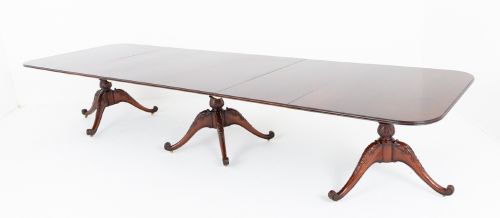
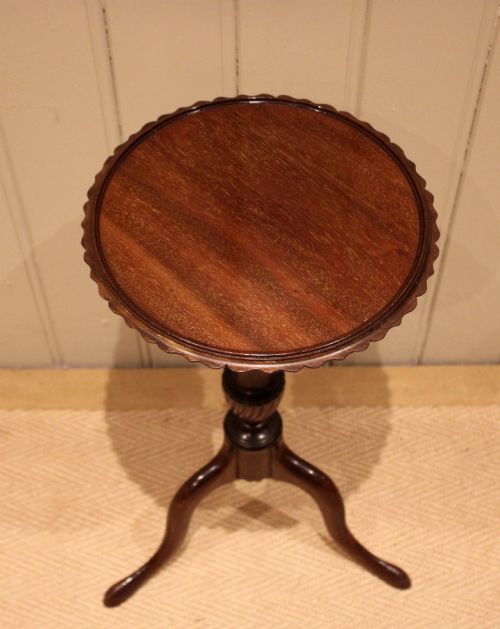
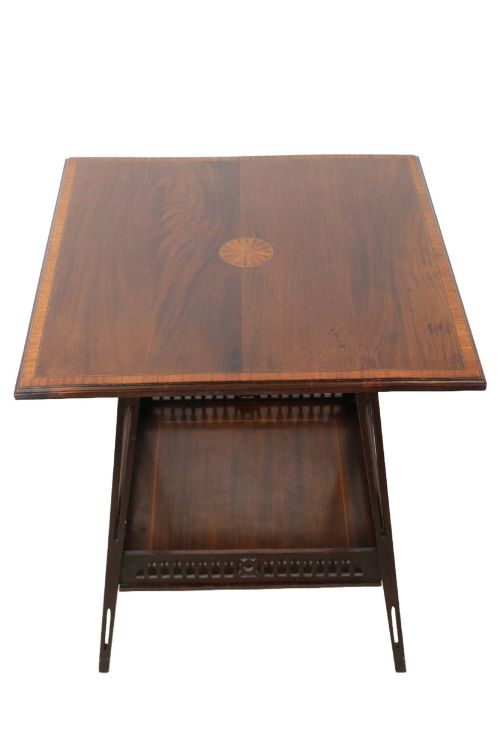
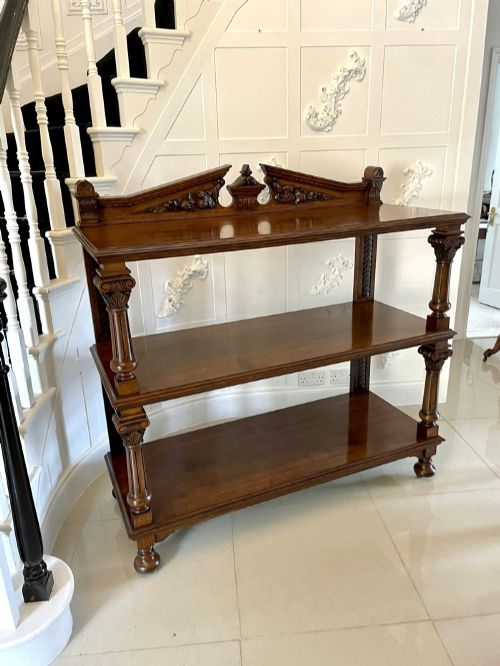
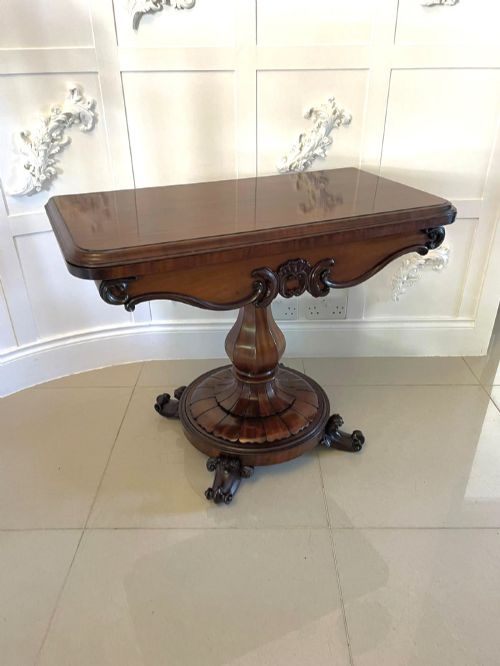
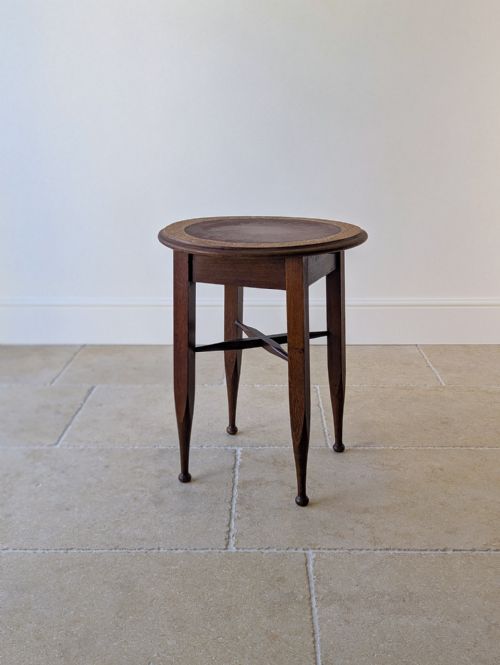
When you examine an edwardian carved table, you are looking at domestic furniture produced primarily during the first decade of the twentieth century. These pieces encompass everything from compact occasional stands and wine tables to hexagonal coffee tables and larger centre tables designed for the drawing room.
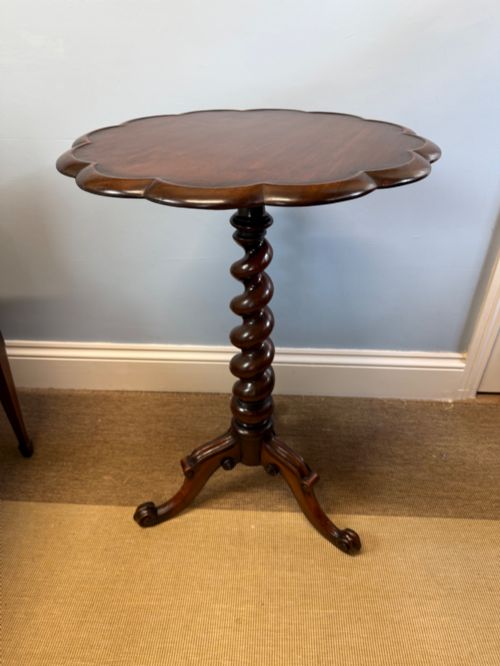
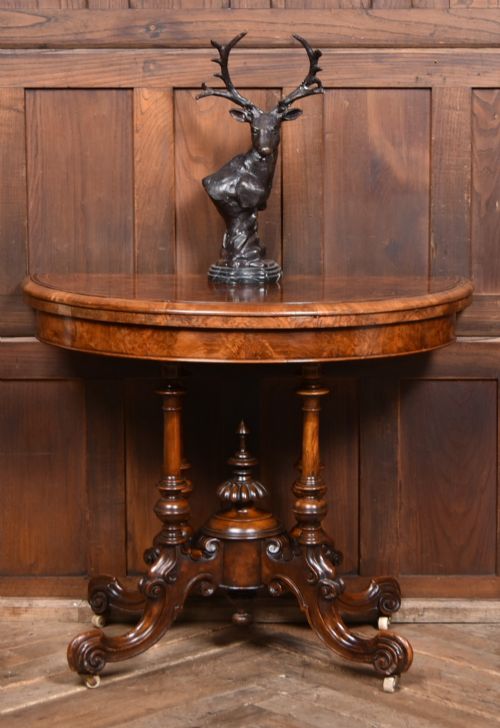
The most common examples on this page are lighter occasional tables fashioned in mahogany or oak, frequently featuring decorative edge carving along the top and shaped legs below. They reflect a period of confident domestic interior design that drew inspiration from earlier Georgian and Jacobean motifs while retaining a distinct early twentieth-century lightness.
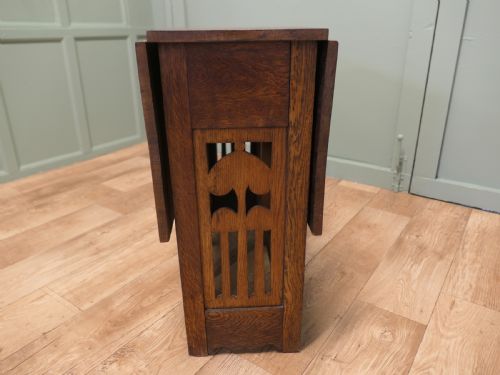
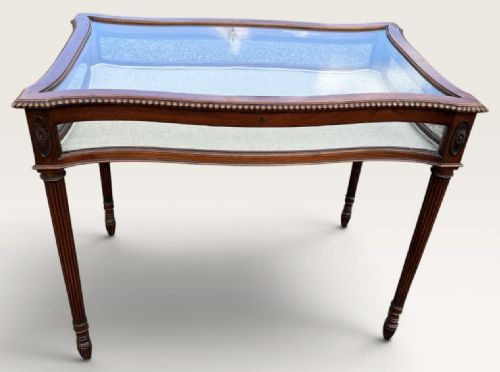
Makers of the era also produced specialised forms such as bijouterie display tables and metamorphic drop-leaf designs intended for versatile use within smaller urban homes. These utilitarian yet decorative items provide a clear window into the domestic habits of the period.
Materials and construction methods
Cabinet-makers relied heavily on solid mahogany, walnut, and oak, selecting timber for its natural grain pattern and structural stability. Selected pieces incorporate fruitwood or feature subtle inlay work alongside carved surface details.
Construction techniques combine traditional mortise and tenon joints with machine-assisted turning and hand-finished carving. Edges often display chip-carving or foliate relief work applied directly to the solid wood rather than cast composition ornaments.
Listings feature solid oak, mahogany, and walnut as the primary woods, spanning periods from the Victorian era through the Edwardian decade.
Distinguishing quality across the range
The distinction between standard utility furniture and superior pieces rests upon the crispness of the hand-carving and the selection of timber. Finer examples display deep, undercut relief work executed by skilled hands rather than shallow, mechanical stamping.
Timber selection and secondary wood usage also separate the grades, with top-tier tables utilising dense, well-figured mahogany or quarter-sawn oak that has aged with a rich patina. Structural integrity, seen in the tightness of joints and the retention of original finish, ultimately determines the standing of an individual piece.
Trevor Page & Co·Maple and Co
The Edwardian Carved Table Glossary
- Bijouterie table
- A glass-topped display table specifically designed for showing small collectables, jewellery, or curiosities beneath a hinged or lifted glazed lid.
- Occasional table
- A small, movable table intended for specific, intermittent domestic tasks such as holding a lamp, book, or teacup.
- Cabriole leg
- A furniture leg that curves out in a convex arc and then bends inward in a concave arc, terminating in a decorative foot.
- Draw leaf table
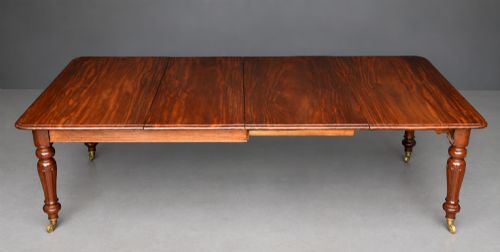
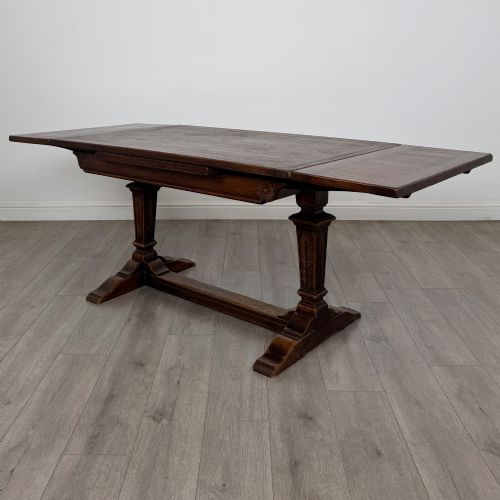
- An extending dining table featuring two sliding leaves stored beneath the main top that pull out to lengthen the surface.
- Quarter-sawn oak
- Timber cut radially across the growth rings, producing a distinctive flecked grain pattern that resists warping.
Edwardian Carved Table: Frequently Asked Questions
How do I identify an edwardian carved table?
Look for the characteristic lighter proportions of the early twentieth century combined with hand-applied relief carving on mahogany or oak. These pieces typically exhibit simpler lines than their heavier Victorian predecessors while maintaining solid timber construction.
Examine the underside and joints for period manufacturing traits, such as traditional hand-cut joinery mixed with early machine preparation. The presence of original timber patination and subtle revival styling often confirms the era of production.
Where were these tables used originally?
These tables served primarily in the principal reception rooms of Edwardian homes, functioning as surfaces for tea services, lamps, or decorative ornaments. Smaller wine and occasional tables could be moved easily around the room to suit the daily needs of the household.
Larger centre tables occupied prominent positions in the middle of drawing rooms or entrance halls, often displaying books or floral arrangements. Their versatility made them essential furnishings for polite entertaining during the period.
Can I use an occasional table daily?
These sturdy antique tables were built for practical domestic use and handle everyday placement of books and lamps comfortably. Their solid wood construction ensures they remain robust service items when treated with reasonable care.
Avoid overloading smaller accent tables beyond their intended weight capacity, particularly models with slender legs or folding mechanisms. Regular, careful use allows you to integrate functional antique furniture into modern living spaces safely.