


Edwardian Pier Table
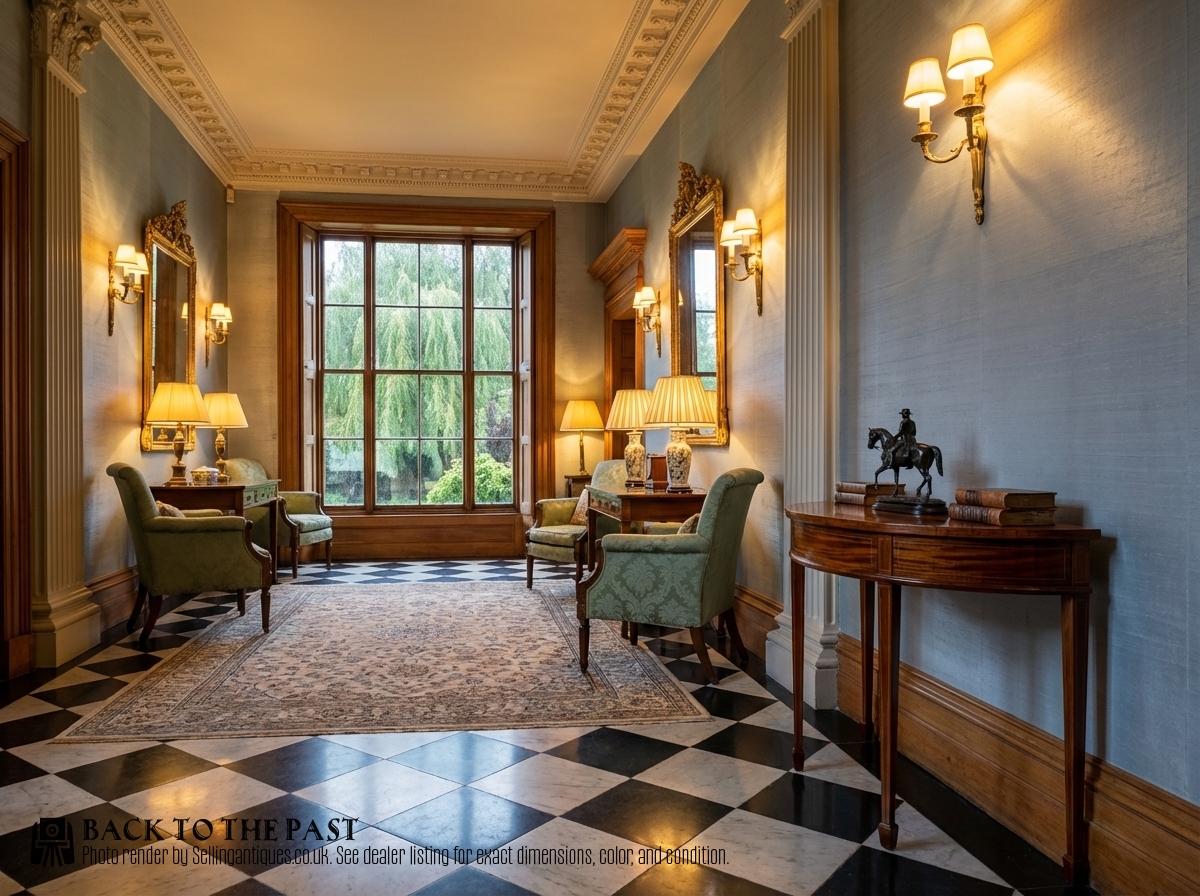
An edwardian pier table brings architectural elegance to a hallway, anchoring the space beneath a mirror with refined proportions.
Edwardian Pier Table
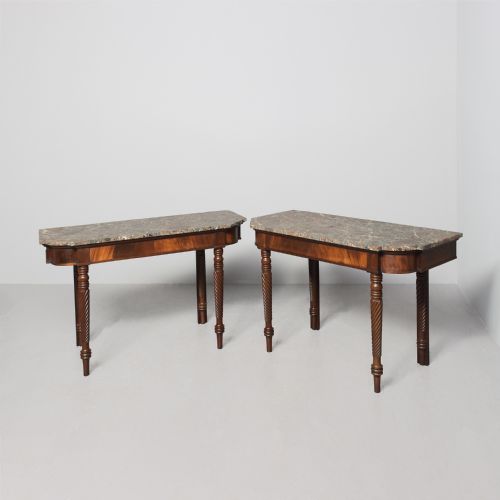
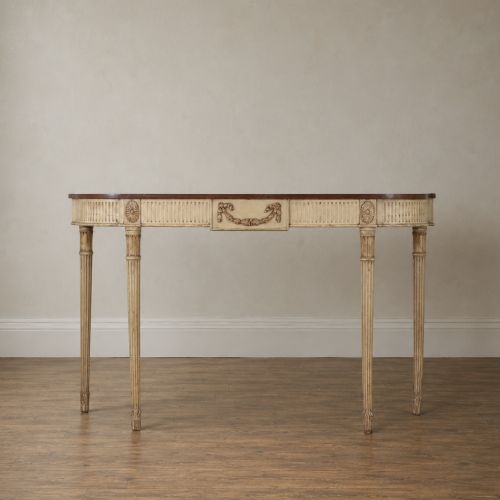
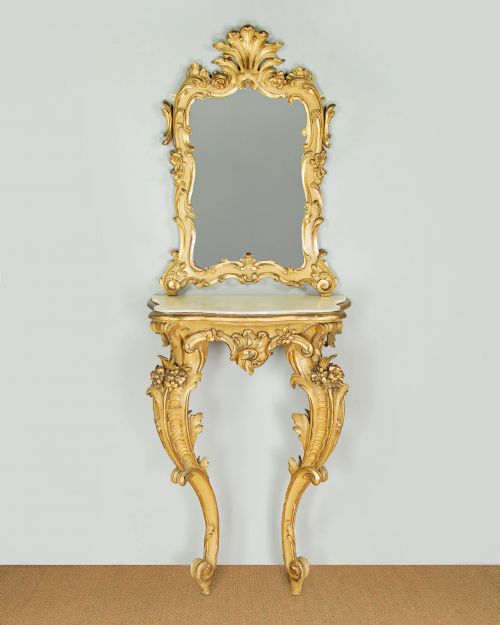
The versions you meet most frequently on this page date from the Edwardian era or draw heavily on earlier Georgian, Sheraton, and Adam revivals. They function primarily as decorative surfaces rather than heavy storage, frequently paired with matching mirrors or placed in entrance halls.
Materials and construction
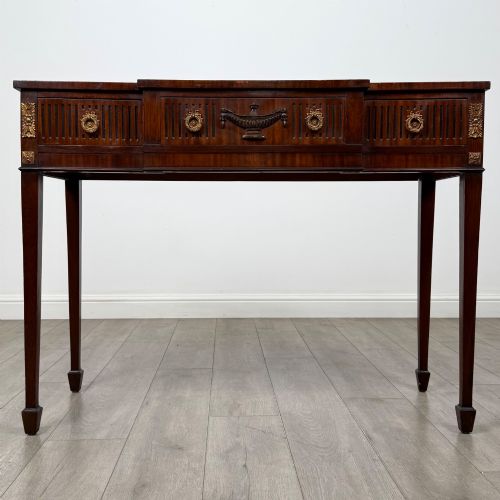
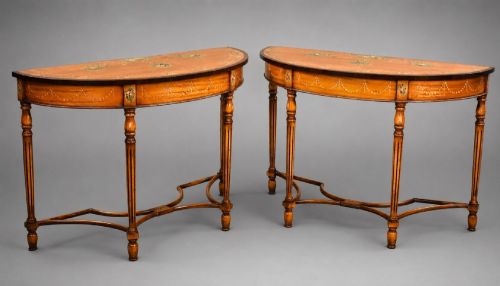
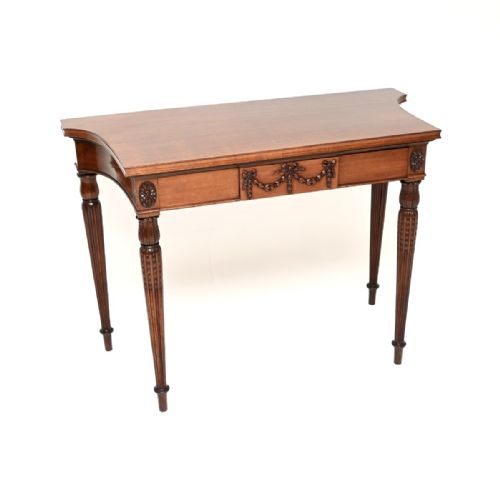
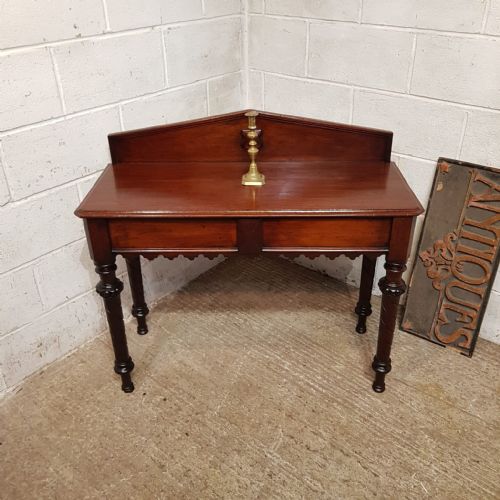
Cabinetmakers constructed these tables using a foundation of solid mahogany, maple, or walnut, often applying delicate veneers of satinwood across the top and apron. Detailed boxwood inlay and painted decoration provide the characteristic surface ornamentation associated with revival styles.
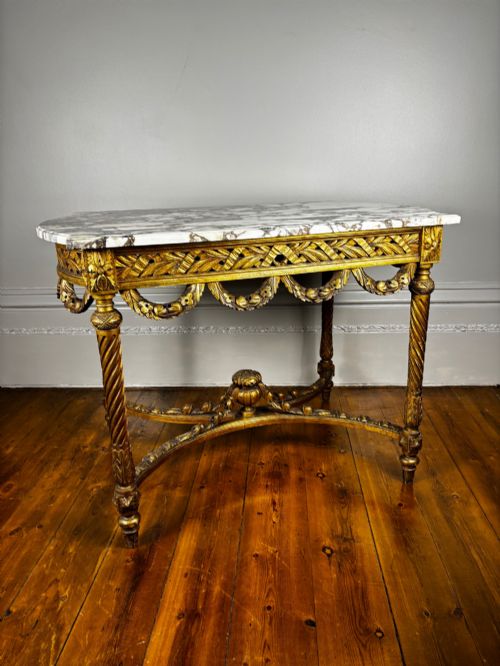
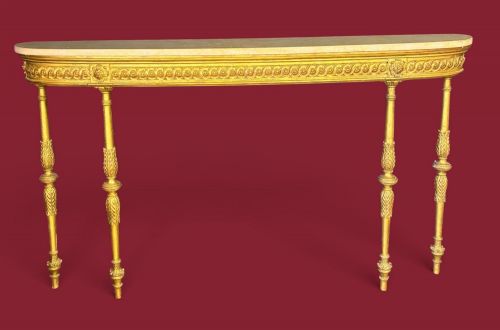
Many of these tables feature heavy inset marble slabs on their upper surfaces, supported by carved and gilded giltwood frames or straightforward wooden legs. Brass fittings and mounts occasionally appear on revival pieces, adding structural contrast to the timber.
Several tables include hidden folding actions, transforming a slim pier piece into a fully operational card table.
What separates the best from the rest
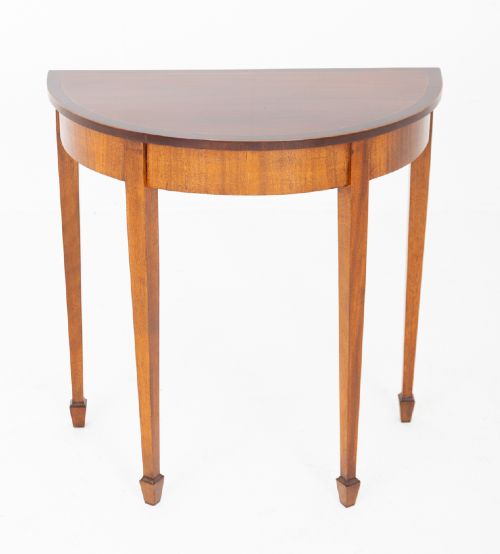
Quality in an edwardian pier table rests primarily on the crispness of the carving, the finesse of any marquetry or painted satinwood details, and the integrity of the marble top. Tables possessing hand-carved mahogany details and subtle boxwood stringing demonstrate superior craftsmanship compared to simpler moulded versions.
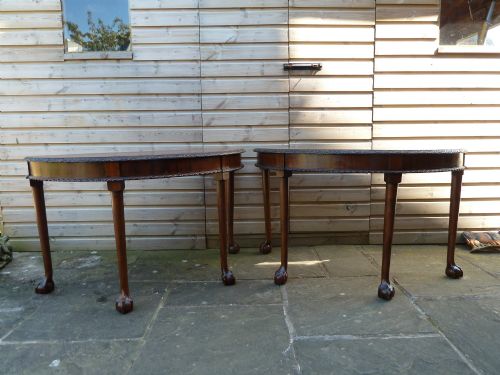
The choice of primary timber and secondary framing determines the long-term stability of the piece. Superior examples maintain tight joinery at the rail and leg junctions, whilst lesser items show fatigue or poorly matched veneer panels across the curved demi-lune top.
The Edwardian Pier Table Glossary
- Demi-lune
- Half-moon shape. This describes the curved front profile common in side and console tables designed to project minimally into a hallway.
- Marquetry
- Fitted wood veneers forming a picture or pattern. Craftsmen assemble contrasting timbers to create decorative motifs across table tops.
- Giltwood
- Wood carved and covered with gold leaf or gilt paint. This finish appears frequently on neoclassical revival frames.
- Pier table
- A table designed to stand against a wall pier between windows. These pieces usually feature flat backs and decorative fronts.
- Satinwood
- A durable tropical timber with a lustrous yellow sheen. It serves as a primary veneer surface for refined Edwardian and revival furniture.
Edwardian Pier Table: Frequently Asked Questions
Where should I place an edwardian pier table?
These narrow tables suit entrance halls, narrow corridors, or reception rooms where floor space is limited. They fit neatly against flat wall surfaces, often beneath a hanging mirror or painting.
Because of their shallow depth, they provide a display surface for lamps or decorative objects without obstructing pathways through the home.
How do I care for a marble top?
Wipe marble surfaces using a soft, damp cloth and neutral soap, avoiding acidic cleaning agents that etch the stone. Placing felt pads beneath heavy objects prevents scratching.
Periodic application of a specialist stone wax protects the polished finish from moisture rings and daily wear.
Are these tables suitable for daily use?
These pieces serve well for holding everyday items like keys, correspondence, or decorative lamps in a hallway. Their sturdy timber frames handle normal domestic placement safely.
Avoid subjecting antique wooden surfaces and delicate marquetry veneers to excessive moisture or direct heat sources.
How do I distinguish revival styles from original periods?
Examine the timber preparation, secondary woods used on the underside, and the style of the joinery. Edwardian pieces copying earlier Georgian or Adam designs often display machine-sawn elements alongside hand finishing.
Hardware styles, timber ageing, and construction methods help separate late nineteenth and early twentieth century interpretations from eighteenth-century originals.