
Edwardian Carved Oak Seating
Edwardian carved oak seating brings solid timber frames and period craftsmanship into modern rooms.
Edwardian Carved Oak Seating
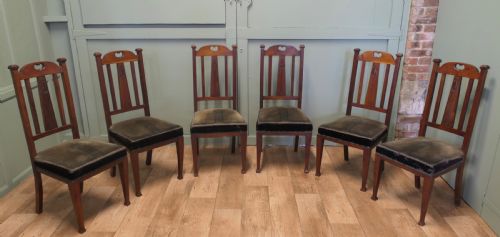
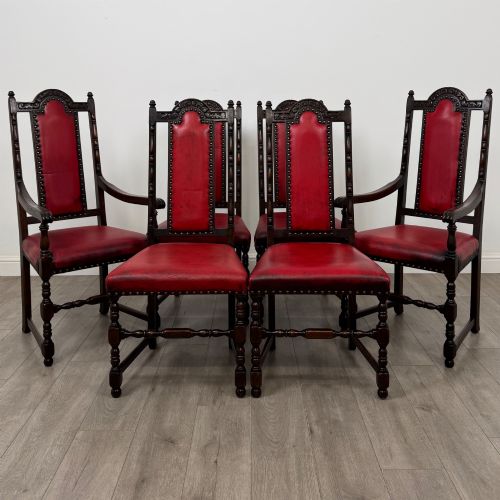
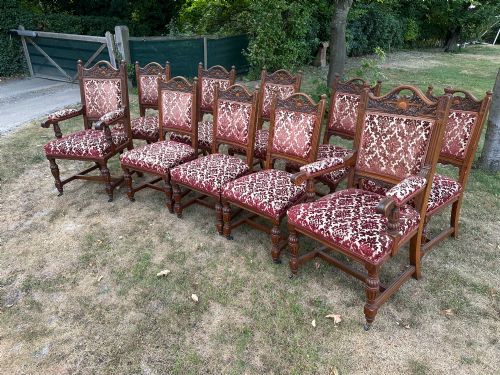
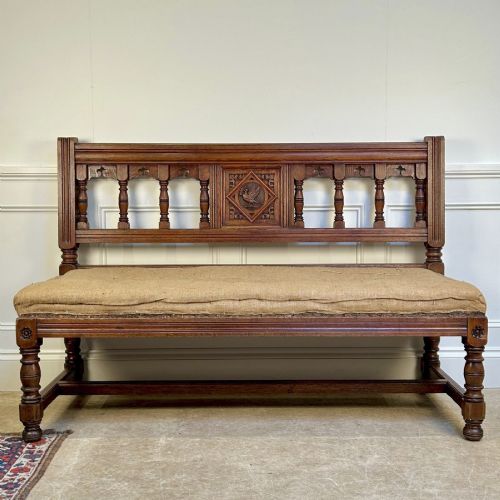
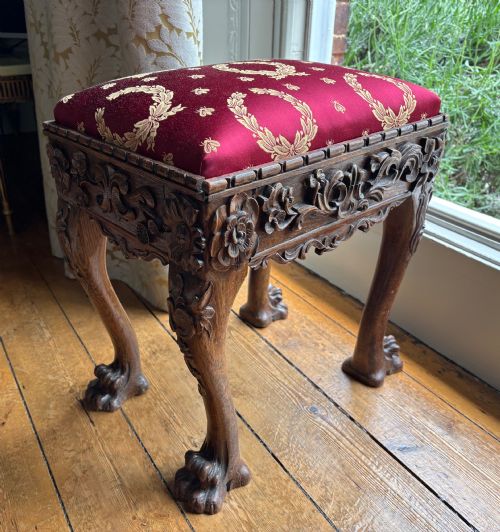
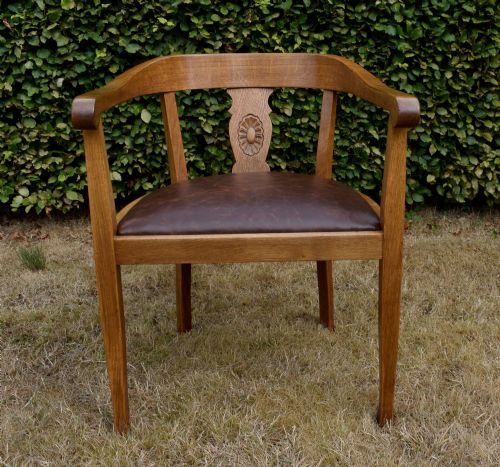
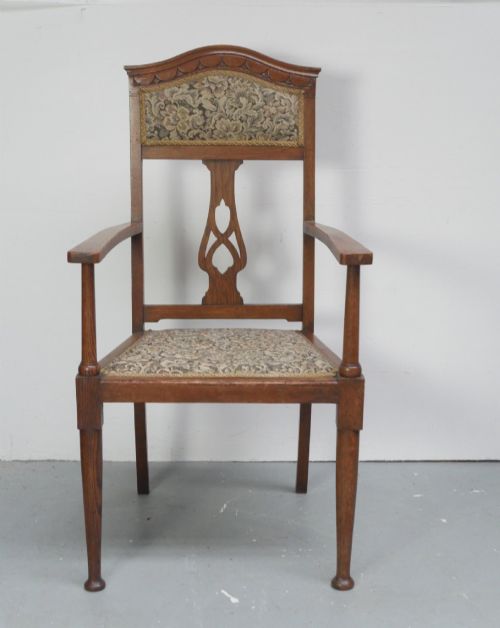
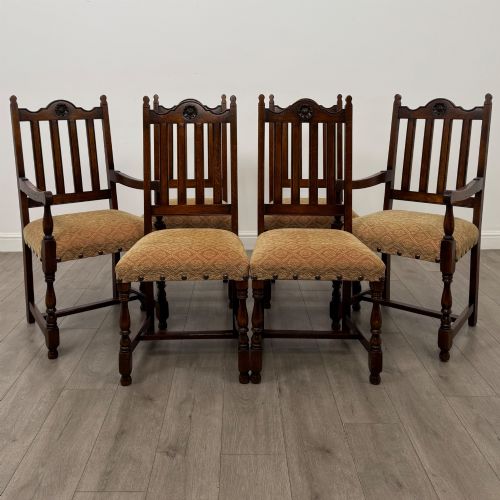
Edwardian carved oak seating encompasses a broad variety of domestic furniture, ranging from single hall chairs to full dining sets of six or ten pieces. Buyers searching for edwardian carved oak seating will frequently encounter dining chairs, armchairs, benches, and stools spanning the late nineteenth and early twentieth centuries.
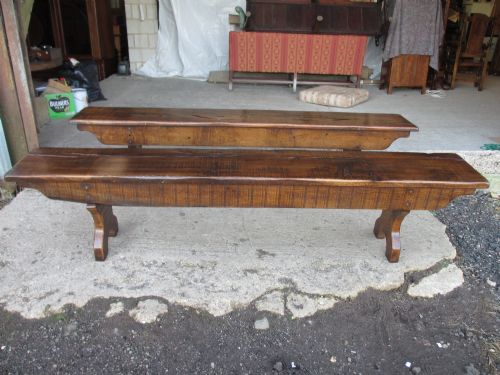
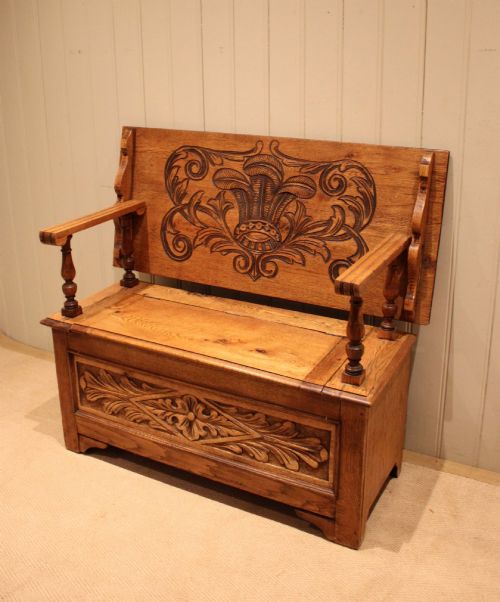
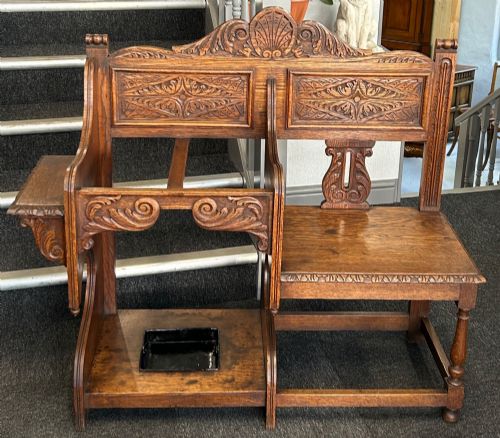
The selection includes robust hall benches with integrated storage or stick stands, alongside monks benches that transform from seating into tables. Pieces emerge from several related periods, drawing on Victorian and Arts and Crafts influences as well as strict Edwardian production dates.
Materials and Construction
Makers utilised solid oak throughout these pieces, often selecting golden oak or dark oak variations to suit the prevailing interior taste of the period. Construction relied on traditional joinery methods, supplemented by structural iron or brass fixings where necessary.
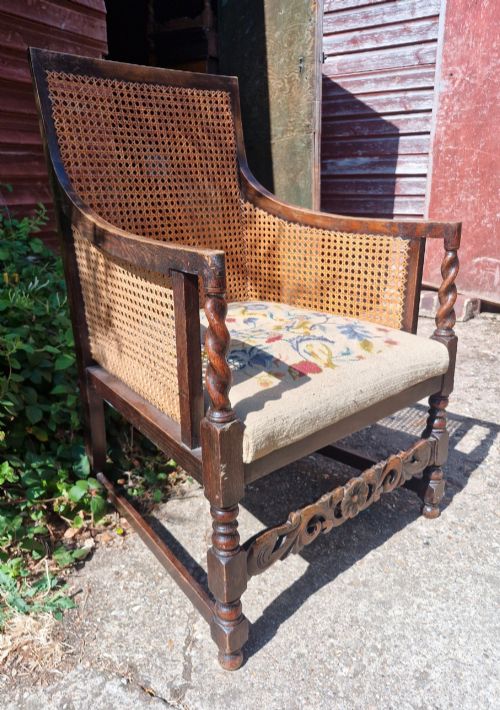
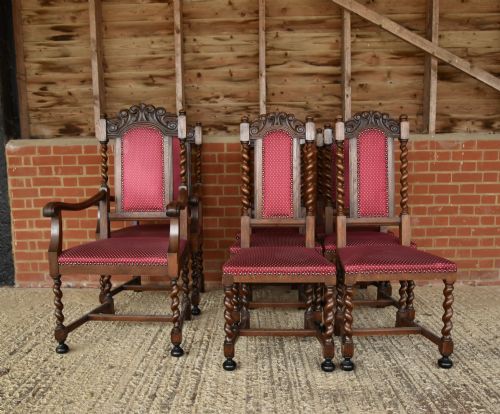
Upholstery materials include leather, velvet, fabric, and woven cane inserts for seats and backs. Details such as barley twist legs, bobbin turnings, trefoil motifs, and carved panels give the wood its distinct surface texture.
Craftsmanship and Proportion
Quality separates through the crispness of the hand-carved detailing and the selection of the timber grain. Finer examples display balanced proportions and tight joinery that withstands decades of daily use without movement in the frame.
The integration of secondary materials, such as supple leather hides, sturdy brass hardware, and tightly woven cane, distinguishes standard utility furniture from exceptional workshop output.
GIllows·Shapland and Petter·Liberty and Co·Wylie Lockhead
The Edwardian Carved Oak Seating Glossary
- Monks bench
- A convertible piece of furniture featuring a hinged top that folds down to form a table. When upright, the backrest and armrests provide enclosed seating with hidden storage beneath the seat.
- Barley twist
- A decorative turning technique resembling a twisted rope carved into wooden furniture legs or stretchers. This style gained immense popularity during revival periods.
- Bergere
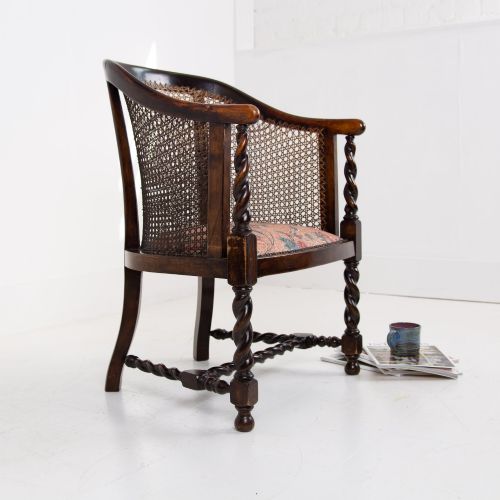
- An enclosed armchair featuring woven cane panels on the back and sides. These seats often accommodate loose upholstered cushions for added comfort.
- Glastonbury chair
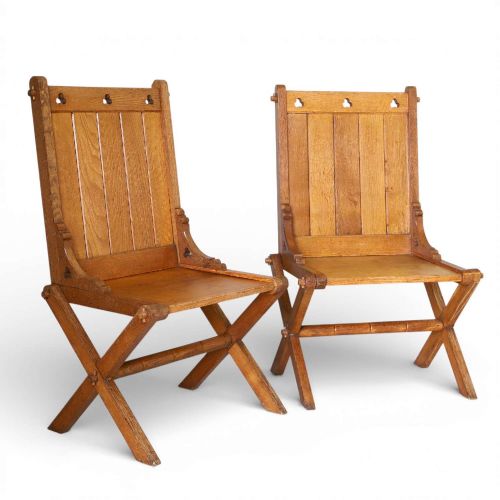
- A specific ecclesiastical chair design with X-framed legs and a sloping paneled back. Early twentieth-century revivals frequently incorporate carved trefoil details.
- Club fender
- A low upholstered seating structure surrounding a fireplace opening. Versions from the Arts and Crafts period sometimes feature adjustable widths and brass framing.
Edwardian Carved Oak Seating: Frequently Asked Questions
How do I identify true Edwardian oak furniture?
Look for construction traits typical of the early twentieth century alongside stylistic clues like simpler lines than heavy Victorian pieces. The timber selection often leans towards lighter golden oak finishes rather than dark ebonised tones.
Examine the underside and hidden joints for hand-finished marks rather than modern machine production indicators. Comparing the decorative carving to documented pieces from the same decade helps confirm the era.
Were these chairs used daily in homes?
Most of these oak pieces served practical functions in hallways, dining rooms, and libraries of large country houses or urban villas. Hall benches often held walking sticks and gloves beneath the seat lids.
Dining chairs saw heavy domestic use around large family tables, which explains why sturdy joinery and solid timber construction remained essential for their survival.
How do I care for antique oak furniture?
Keep wooden surfaces away from direct heat sources and strong sunlight to prevent the solid oak from drying out or splitting. Regular dusting with a soft cloth maintains the natural lustre of the finish.
Treat leather and cane components gently, using appropriate conditioners sparingly to keep natural fibres supple without damaging original patination.
What is the difference between Jacobean Revival and Arts and Crafts oak?
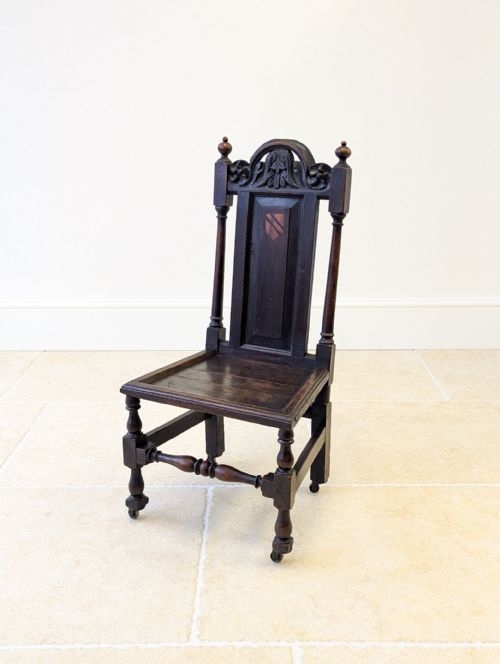
Jacobean Revival pieces draw heavily on seventeenth-century motifs, featuring deep geometric mouldings, heavy turned legs, and elaborate carved panels. The overall aesthetic is dark, formal, and imposing.
Arts and Crafts furniture prioritises visible hand craftsmanship, honest construction, and simpler forms that highlight the natural grain of golden oak. These designs often incorporate subtle medieval or Gothic influences.