



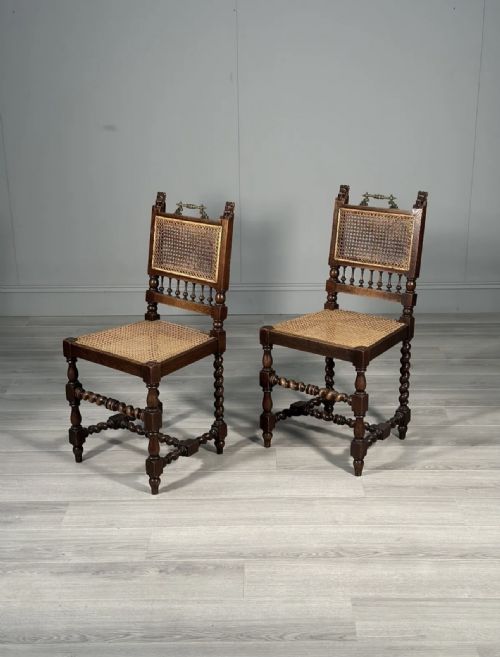
Dark Oak Bedroom Chair
These dark oak bedroom chair examples bring sturdy timbers and period character into a modern interior.
Dark Oak Bedroom Chair
When you search for a dark oak bedroom chair, you are looking at solid timber seating built during the Victorian and Edwardian eras. These pieces range from low bathroom chairs to carved occasional seating designed for private chambers.
You are most likely to meet Victorian and Edwardian examples on this page, often featuring low seats or turned members. They draw upon Jacobean Revival and Aesthetic Movement influences while serving domestic functions.
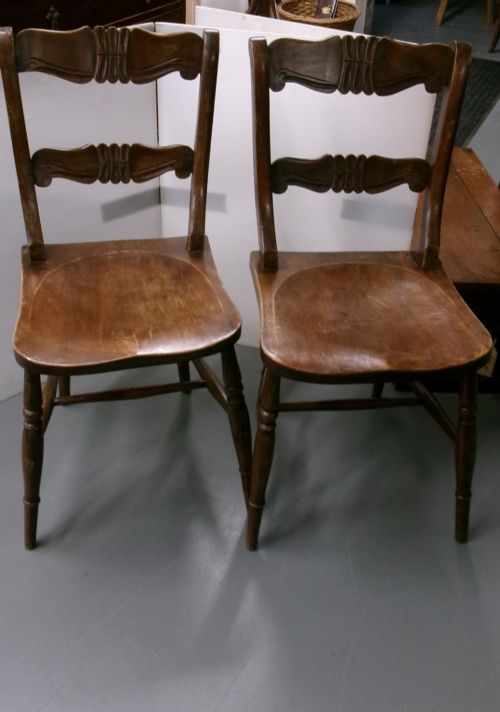
The forms include slipper chairs, side chairs, and occasional chairs constructed in substantial native woods. Each dark oak bedroom chair reflects the functional domestic requirements of its original period.
How they were made
Maker's workshops built these chairs using solid oak timbers, frequently combined with secondary hardwoods such as beech or elm. Carpenters shaped the frames using traditional joinery methods suited to heavy everyday use.
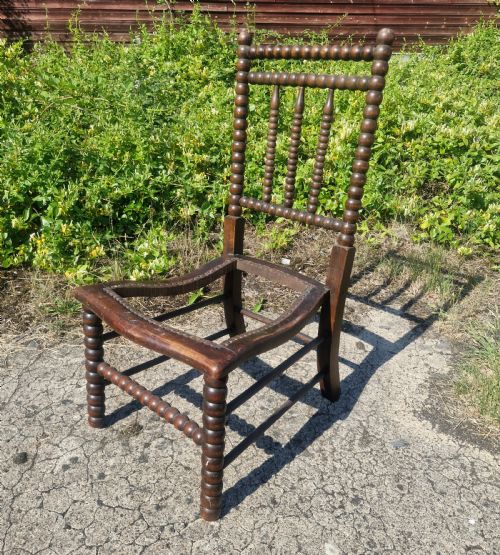
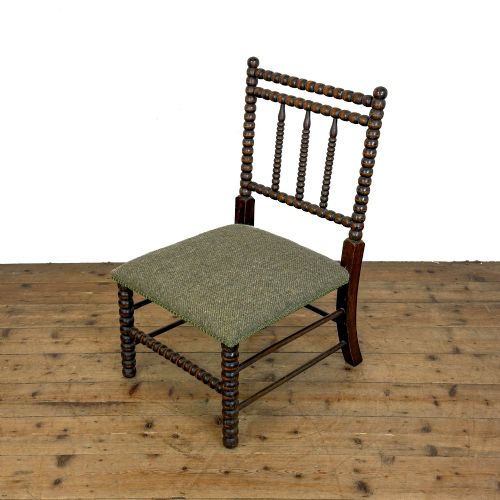
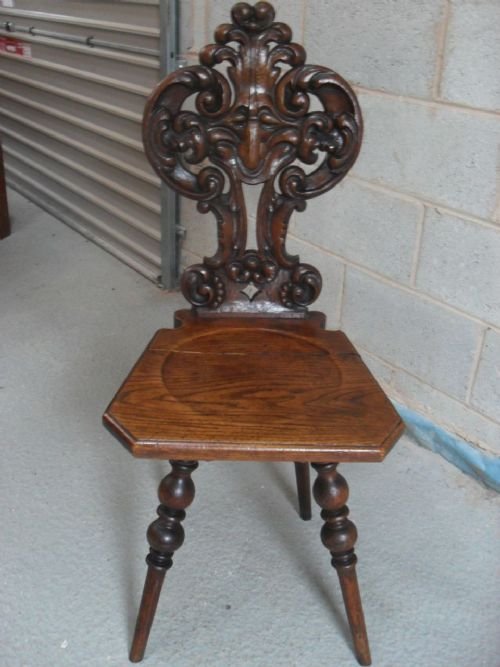
Decoration relied on structural turning, including bobbin framing and barley twist legs, alongside carved fret backs. Seats incorporated woven cane or upholstered pads finished with wool tweed and various other fabrics.
Dark Oak Bedroom Chair Retail Price Guide 2026
Typical asking prices for dark oak bedroom chair among the pieces listed under this phrase on Sellingantiques today, from the lower quarter to the upper quarter. They describe what is for sale here now, not the wider market.
Listings feature Victorian and Edwardian pieces in oak, beech, and elm, incorporating wool tweed, fabric, and cane.
What varies in quality
Quality rests in the crispness of the timber carving and the architectural balance of the turned elements. Strong structural joinery distinguishes robust seating from examples that have suffered timber shrinkage or loose joints.
The integrity of secondary materials, such as original cane work or supportive frame members, determines the standing of an individual piece. Finer examples retain their original surface patination and honest timber colour without excessive intervention.
The Dark Oak Bedroom Chair Glossary
- Bobbin framing
- A method of turning wood on a lathe to create a series of rounded spheres resembling bobbins. This decorative turning appears frequently on nineteenth-century bedroom seating.
- Barley twist
- A spiral carving resembling a twisted rope, executed on chair legs and stretchers. It became particularly popular during revival periods drawing on seventeenth-century motifs.
- Slipper chair
- A low-set bedroom chair traditionally designed for ladies sitting down to dress or put on footwear. The lowered seat height provides distinct comfort for private dressing rooms.
- Cane seat
- A woven panel made from split rattan threaded through holes in the wooden chair frame. This light, flexible surface offers resilient support.
- Fret back
- A pierced wooden panel forming the backrest of a chair, cut through to create decorative patterns. Such openwork designs lighten the visual weight of dark timber.
Dark Oak Bedroom Chair: Frequently Asked Questions
What is a dark oak bedroom chair?
A dark oak bedroom chair is a historic wooden seat produced primarily during the Victorian and Edwardian periods for domestic chambers.
These pieces typically feature low profiles, turned framing, or carved details suited to private dressing and sitting rooms.
How were these chairs used originally?
Original owners utilised these seats in bedrooms, dressing rooms, and private chambers for resting or dressing.
Their compact proportions allowed them to fit comfortably beside washing stands, dressing tables, or hearths.
How do I date a dark oak bedroom chair?
Dating relies on observing construction methods, timber choices, and stylistic revival cues such as Aesthetic Movement or Jacobean Revival details.
Turned elements like bobbin framing or barley twists often point to specific decades within the nineteenth and early twentieth centuries.
Can I use these chairs in a modern room?
These pieces integrate well into contemporary spaces by providing functional seating with strong historic texture and dark timber warmth.
Their modest proportions make them practical accent pieces for hallways, corners, or modern bedrooms.