


Traditional Upholstered Slipper Chair
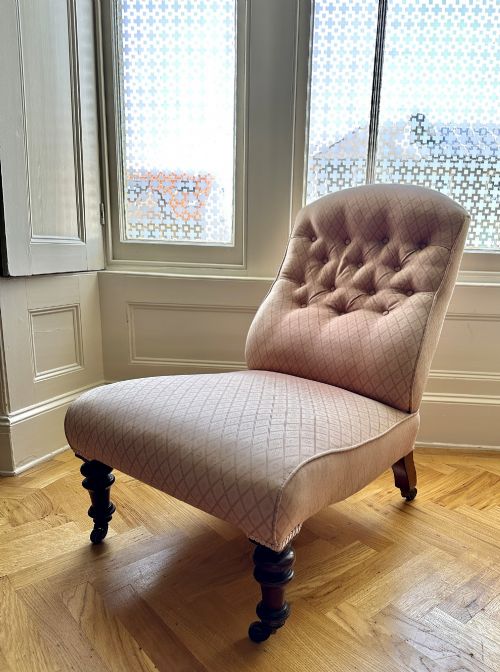
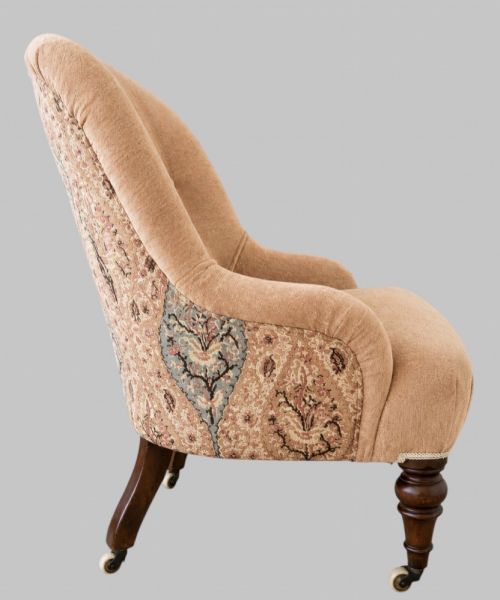
A traditional upholstered slipper chair offers low-slung, intimate seating designed for dressing rooms and firesides, combining period timber frames with tactile historic textiles.
Traditional Upholstered Slipper Chair
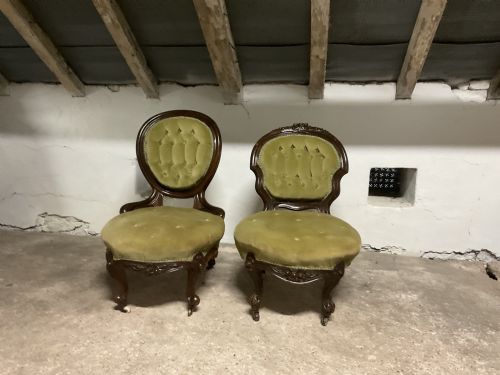
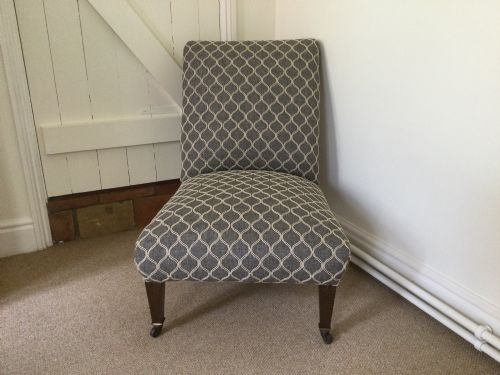
A traditional upholstered slipper chair sits low to the floor, historically designed for bedrooms and dressing rooms to allow comfortable footwear management. These compact seats appear across various nineteenth-century and early twentieth-century periods, including Victorian, Edwardian, and Georgian eras.
The form crosses paths with nursing chairs, bedroom chairs, and low salon seating. Most examples on this page date from the nineteenth century, featuring low seats supported by turned or carved wooden legs.
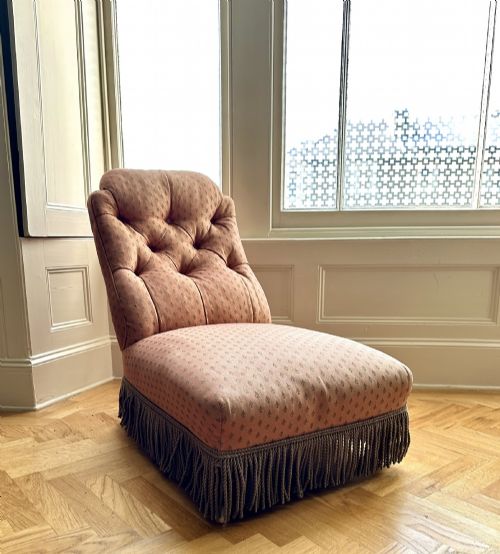
Makers utilised mahogany, walnut, rosewood, oak, and iron for the internal frames and visible supports. Upholstery treatments range from button backs and scroll backs to fringing and modern designer fabrics.
Construction and Materials
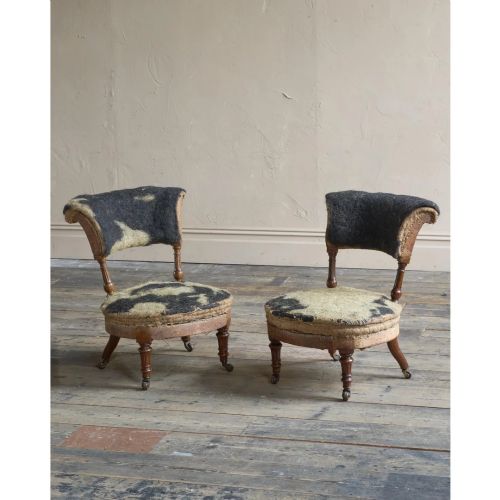
Frames rely on hardwoods like mahogany, walnut, and oak, often shaped with turned wooden legs or brass castors for mobility. Structural integrity depends on traditional joinery hidden beneath the padding.
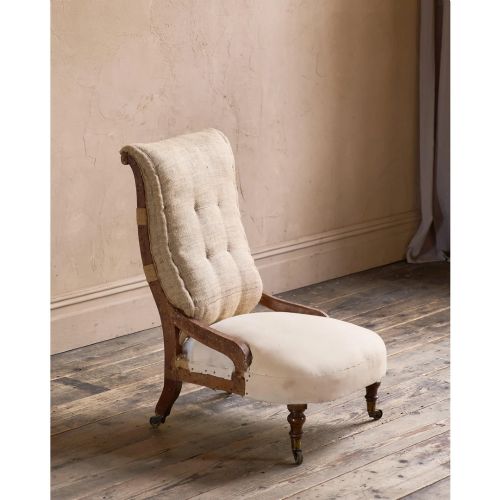
Upholstery techniques involve hessian webbing, internal stuffing, and springs before the final textile layer is applied. Exterior surfaces showcase velvet, vintage linen, carpet fabric, and silk, secured with deep buttoning or decorative fringe.
Victorian ladies required low-slung seats because towering crinoline skirts made standard chairs entirely impractical.
Evaluating Craftsmanship
Quality rests in the sculptural sweep of the wooden frame and the precision of the joinery beneath the upholstery. Finer pieces demonstrate balanced proportions in the low seat and backrest, rather than purely utilitarian construction.
The distinction between standard workshop production and master craftsmanship shows in the execution of carved mahogany or walnut details, turned wooden legs, and resilient interior stuffing.
Howard and Sons·Gillows
The Traditional Upholstered Slipper Chair Glossary
- Slipper chair
- A low-set upholstered chair without arms, historically placed in bedrooms for putting on shoes. This form prioritises comfort and minimal height.
- Nursing chair
- A low upholstered seat designed for infant feeding in the nineteenth century. It shares a compact footprint with the slipper chair.
- Button back
- An upholstery technique where indentations are created using buttons pulled tight through the padding. This secures the internal stuffing and creates a geometric pattern.
- Hessian
- A coarse woven fabric typically utilised as a foundation material for internal upholstery layers. It supports the padding before the top textile is fitted.
- Brass castor
- A small swivelling wheel attached to the base of a chair leg. It permits easy movement across carpets and wooden floors.
Traditional Upholstered Slipper Chair: Frequently Asked Questions
What is a traditional upholstered slipper chair?
A traditional upholstered slipper chair is a low-slung, armless seat designed historically for nineteenth-century bedrooms and dressing rooms. Its compact frame allowed people to dress and put on footwear with ease.
Today, these pieces function well as accent seating in living rooms and reading corners, offering comfortable low seating combined with historic character.
How do I date a traditional upholstered slipper chair?
Dating relies on examining the timber frame, leg style, and construction methods hidden beneath the fabric. Victorian examples often feature turned mahogany legs, while Edwardian pieces may utilise solid oak.
Stylistic cues such as button backs, scroll backs, and Chippendale carvings also point toward specific nineteenth and early twentieth-century manufacturing periods.
Can I use a slipper chair in a modern living room?
Yes, their compact proportions make them versatile additions to contemporary spaces where bulky armchairs would overwhelm the room. They fit easily beside fireplaces or in small alcoves.
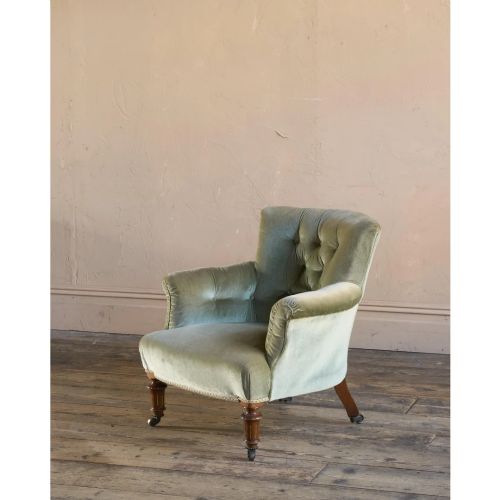
Many antique frames have been reupholstered in contemporary fabrics like velvet or linen, bridging historical woodwork with modern interiors.
What is the difference between a slipper chair and a nursing chair?
Both chairs feature low seats and compact frames, but nursing chairs were traditionally built to assist mothers with infant feeding. Slipper chairs were primarily intended for bedrooms and dressing rooms.
In practice, nineteenth-century makers applied both terms flexibly, and surviving examples share similar low profiles and upholstered bodies.