


Edwardian Bedroom Seating
Edwardian bedroom seating brings elegance and comfort to domestic spaces through refined mahogany frames, delicate satinwood, and comfortable upholstered forms.
Edwardian Bedroom Seating
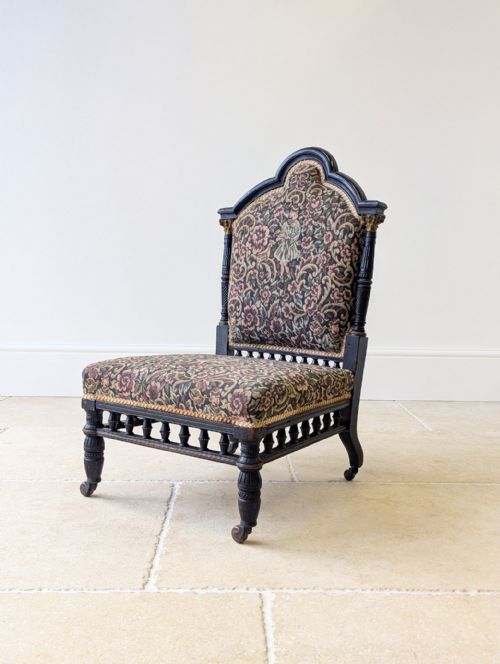
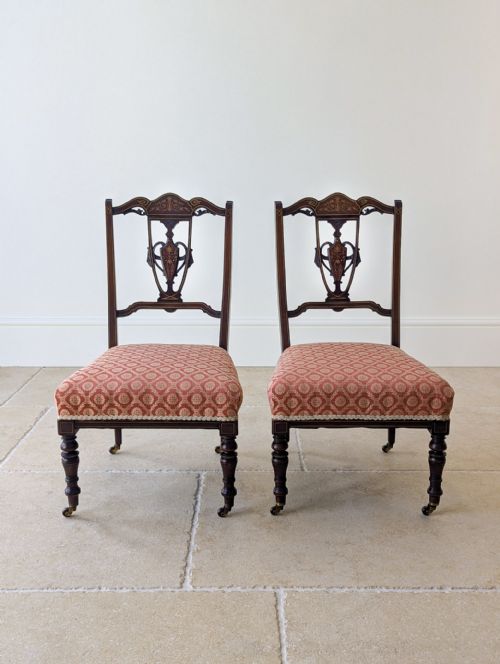
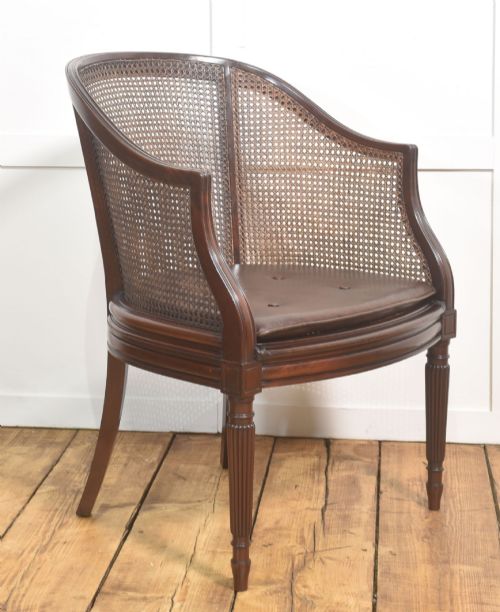
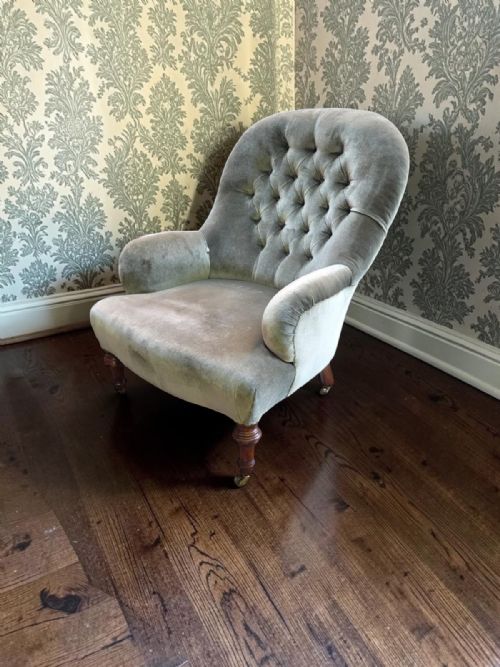
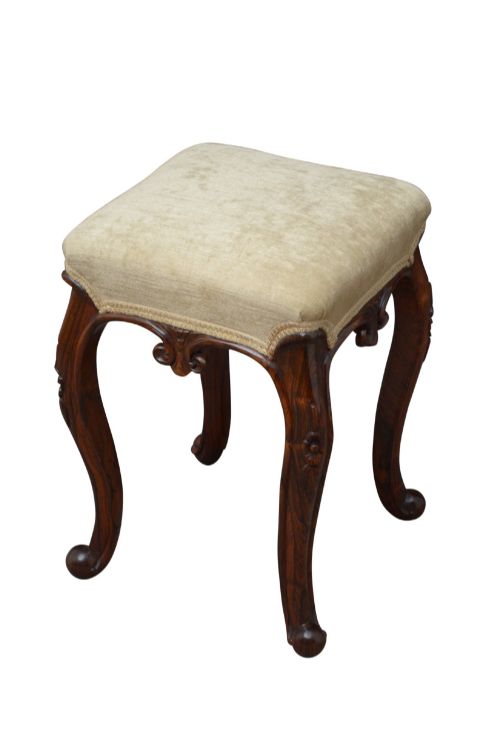
Edwardian bedroom seating encompasses a diverse range of furniture designed for the private chamber, combining utility with decorative refinement. When exploring this category, buyers encounter side chairs, armchairs, dressing table stools, and small settees originating primarily from the Edwardian era alongside complementary Victorian and later pieces.
Materials and Construction
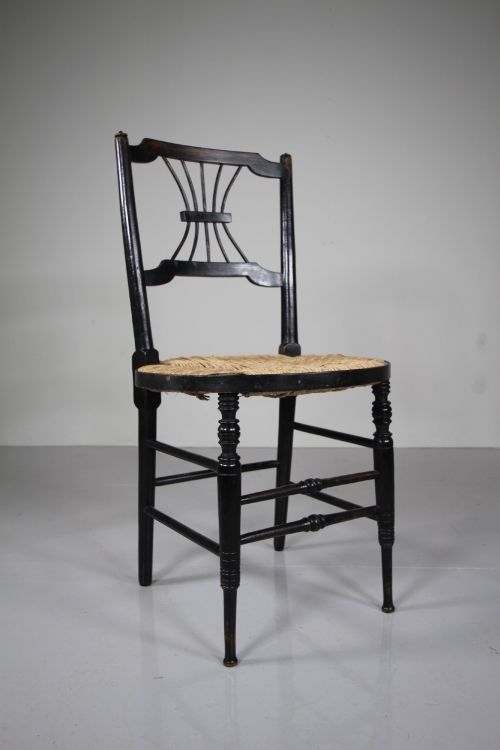
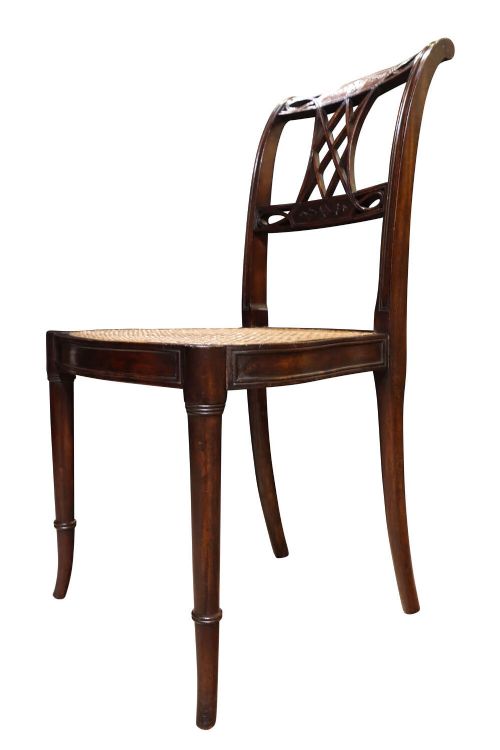
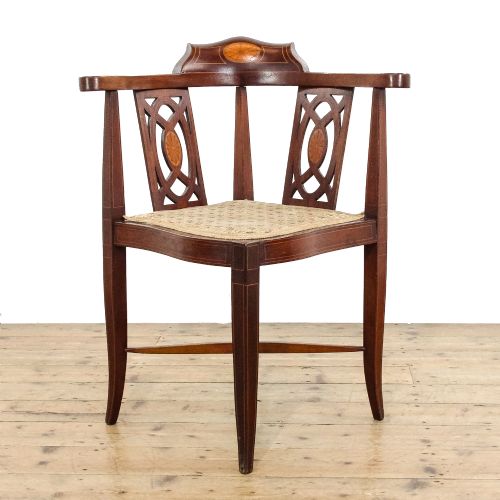
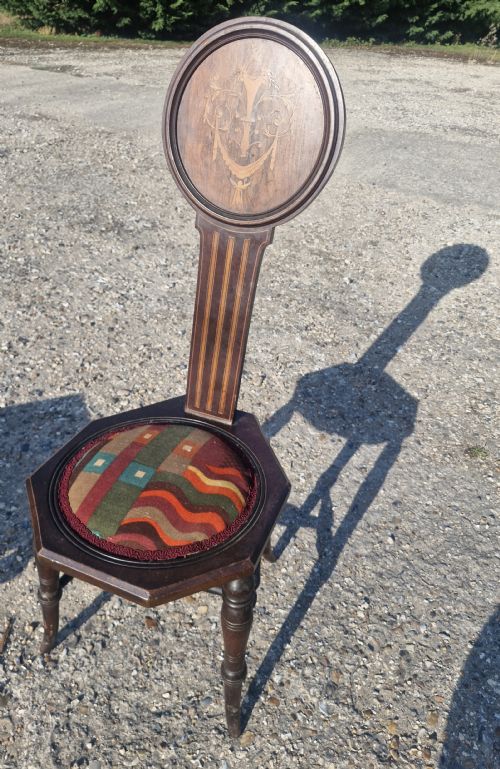
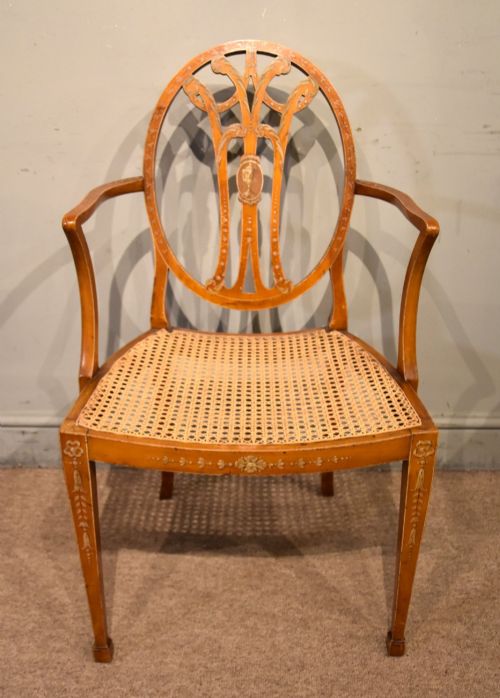
Craftsmen utilised robust timbers such as mahogany, walnut, rosewood, and beech to form the foundational structures, frequently embellishing surfaces with delicate string inlay or painted satinwood decoration. Canework and turned woodwork appear regularly, providing both structural integrity and decorative lightness to chairs and stools.
Upholstery techniques involved traditional stuffing and springs covered in textiles like velvet, leather, and decorative fabric, sometimes complemented by deep buttoning. Frames incorporated secure joinery, occasionally utilising brass fittings or carved details such as cabriole legs and lyre-backs.
Spinning chairs make an appearance among the seating, offering low seats and spindle backs designed for domestic textile work.
Evaluating Craftsmanship and Detail
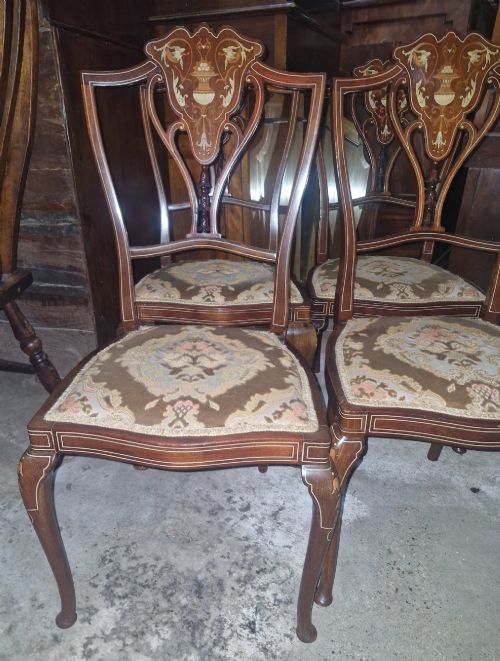
Quality in these pieces is dictated by the crispness of the cabinetwork, the precision of the wood inlay, and the integrity of the frame construction. Superior examples exhibit finely figured timber veneers, careful hand-turned elements, and balanced proportions that elevate standard utility furniture into decorative art.
The refinement of carved details, the condition and tightness of any integrated canework, and the selection of secondary woods further distinguish finer workshops from mass-produced output. Original surface patination and restrained decorative flourishes indicate superior original manufacture.
The Edwardian Bedroom Seating Glossary
- Canework
- A weaving technique utilising rattan or cane strips to create porous, lightweight seats and backs on chairs and couches. This method provides breathable seating surface textures common in lighter bedroom furniture.
- Satinwood
- A lustrous, yellowish timber valued for its fine grain and ability to take a high polish, frequently utilised for veneering and painted decoration. Cabinetmakers favoured it for creating bright, elegant surfaces in late nineteenth and early twentieth-century interiors.
- String inlay
- A narrow, contrasting line of wood veneer embedded flush into the surface of a primary timber to form geometric or linear borders. This decorative technique accentuates the edges and panels of mahogany furniture.
- Window seat
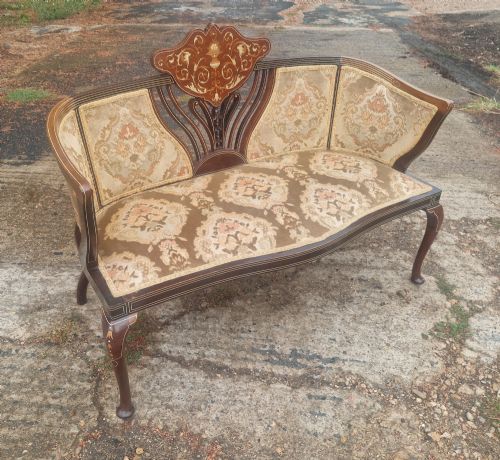
- An elongated bench or small settee designed specifically to fit within the architectural recess of a window. These forms often feature upholstered tops or bolster ends suitable for relaxation.
- Button back
- An upholstery style where depressions are formed in the padding by pulling buttons deep into the stuffing at regular intervals. This secures the internal materials while creating a distinctive tufted pattern.
Edwardian Bedroom Seating: Frequently Asked Questions
How were dressing table stools used?
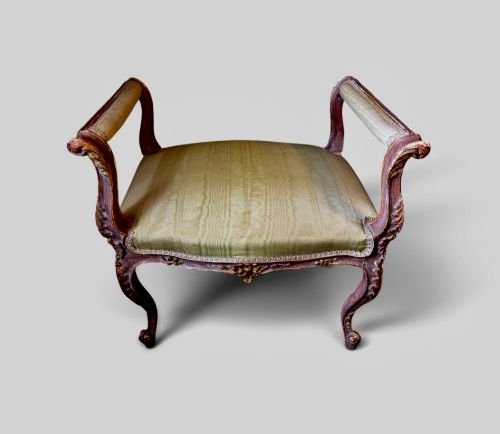
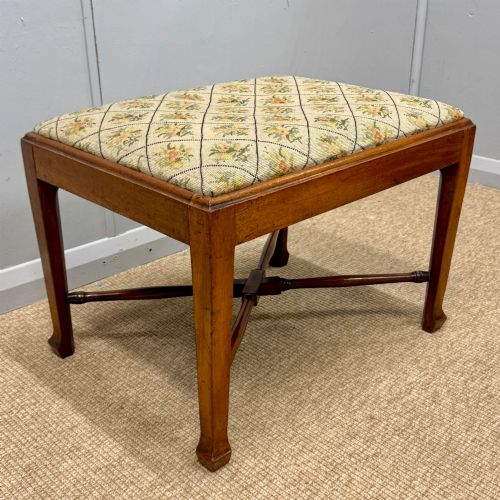
Dressing table stools provided low, backless seating specifically designed for personal grooming at a vanity or dressing chest. Their compact proportions allowed them to slide neatly underneath furniture when not in use.
These pieces typically featured upholstered tops covered in velvet, leather, or decorative fabric to match the chamber's textile scheme. Sturdily built with turned legs or cross stretchers, they supported daily domestic routines.
What defines an Edwardian window seat?
Edwardian window seats served as decorative and functional furniture placed beneath windows or at the foot of a bed. They combined comfortable padded seating with elegant woodwork matching other bedroom furnishings.
Constructed frequently in inlaid mahogany or painted satinwood, these seats often incorporated small proportions and refined stylistic revivals. They offered a convenient spot for resting without obstructing natural light.
How do I distinguish Edwardian pieces from Victorian ones?
Edwardian furniture generally exhibits a lighter, more delicate aesthetic compared to earlier Victorian output, favouring brighter satinwood and subtle Sheraton revival details. Forms tend to be less heavy, incorporating airy canework and restrained inlay rather than dense, dark carving.
Victorian pieces often display heavier timbers like rosewood or walnut, with darker finishes and robust button-backed upholstery. Examining the secondary woods, joinery style, and decorative motifs helps clarify the period of manufacture.
Where should I place a bedroom armchair?
A bedroom armchair suits placement in an empty corner, beside a fireplace, or near a reading lamp to create a private retreat within the chamber. Smaller variants like slipper chairs or tub armchairs fit comfortably without overwhelming limited floor space.
Selecting a piece with complementary upholstery allows the chair to anchor the room's decorative scheme. These chairs combined functional resting spots with the refined aesthetics of the period.