


Antique Arts Crafts Seating
These antique arts crafts seating pieces bring honest construction and tactile materials into domestic spaces, rewarding buyers who value utility alongside design history.
Antique Arts Crafts Seating
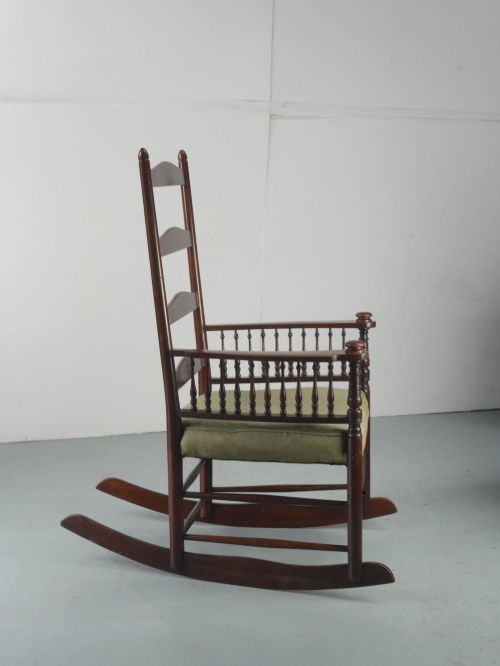
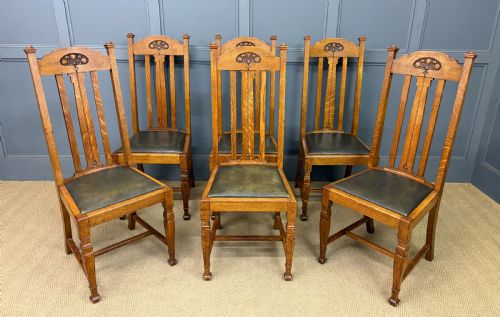
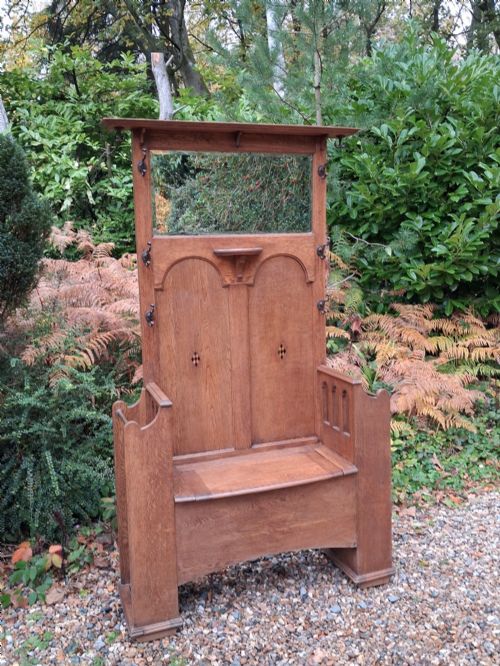
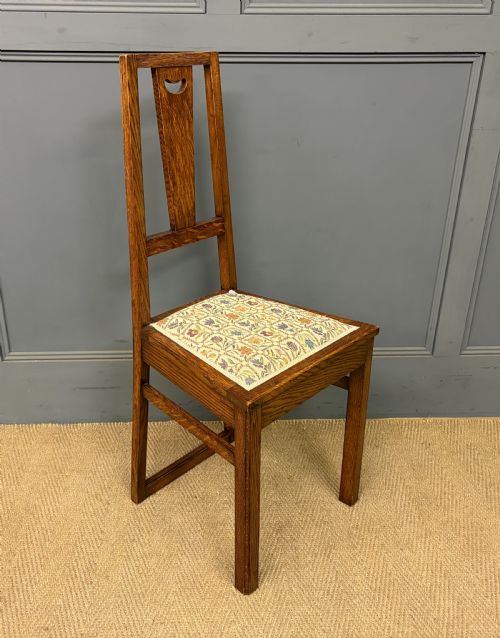
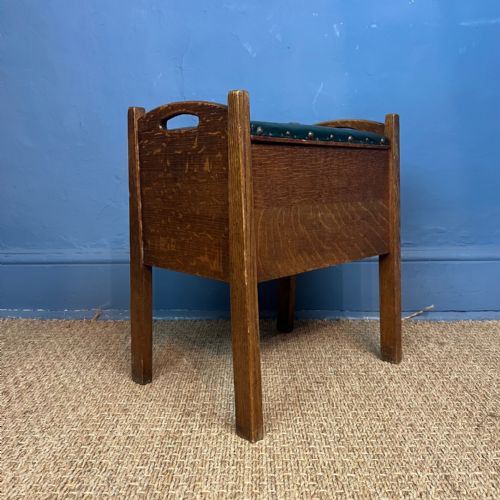
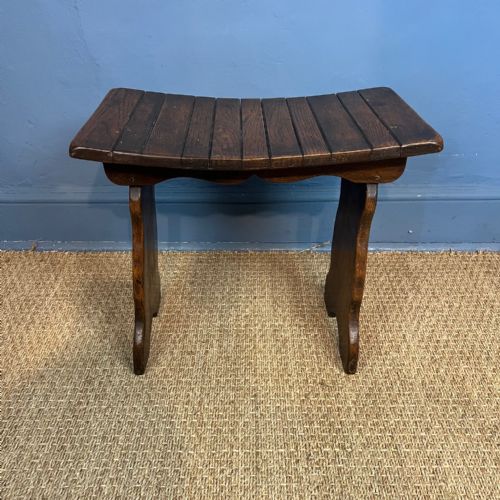
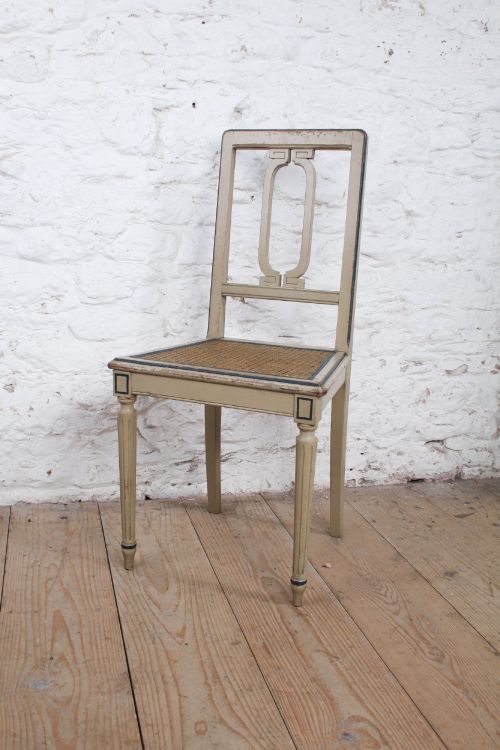
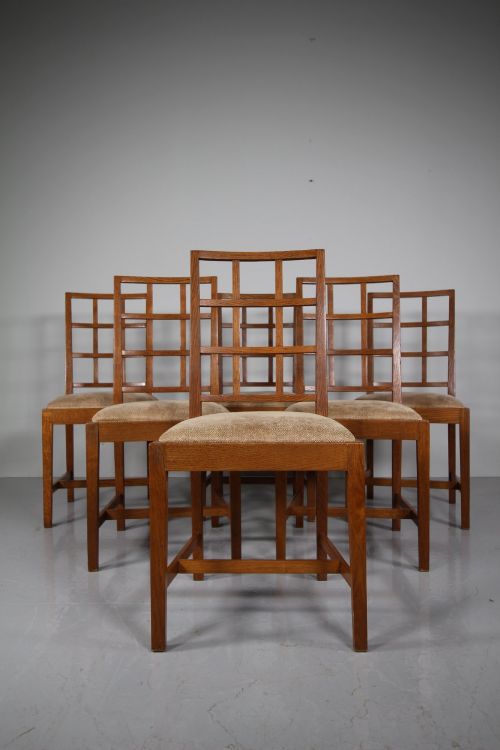
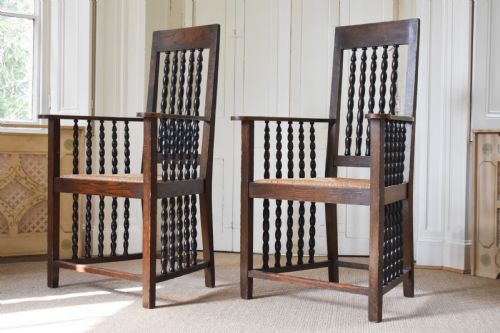
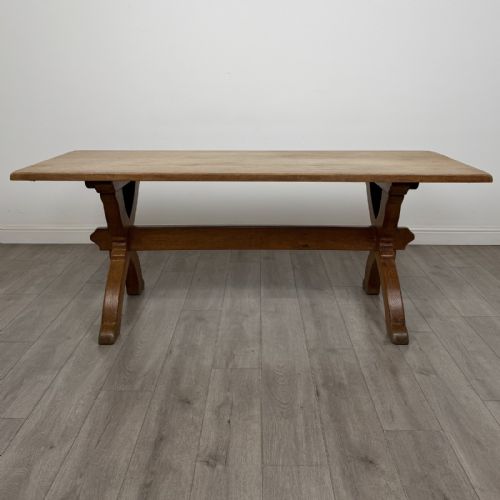
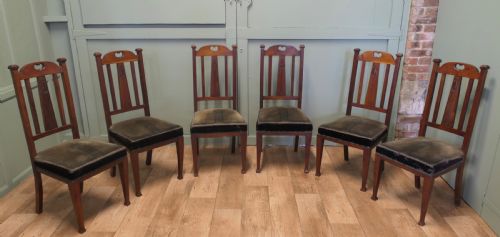
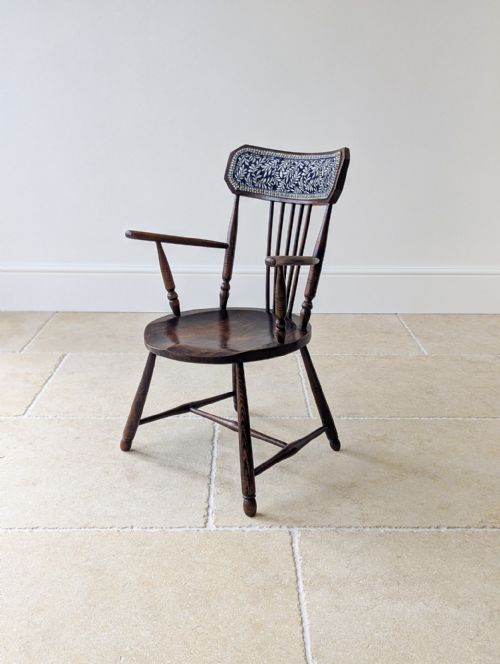
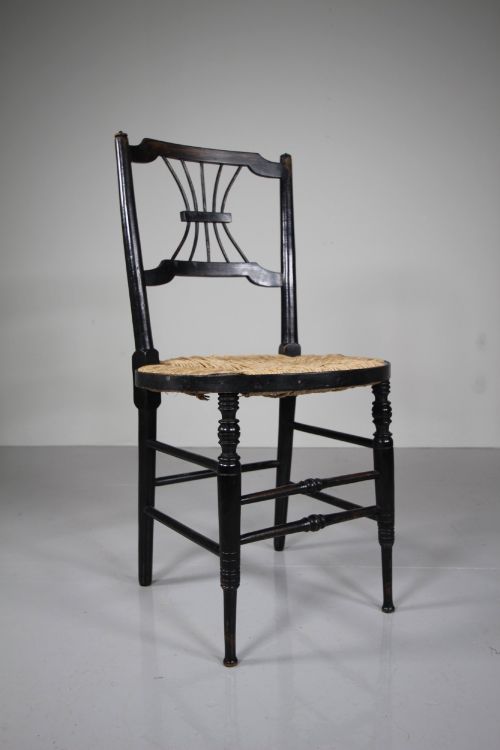
When searching for antique arts crafts seating, expect to encounter domestic forms spanning dining chairs, armchairs, benches, settles, stools, and hall chairs. The selection centres primarily on oak frameworks produced between the late nineteenth century and the 1930s, reflecting both urban designer workshops and rural vernacular traditions.
Armchairs and side chairs dominate the selection, often appearing in sets of matching dining chairs or individual fireside seating. Stools and benches complement these main seating forms, utilising straightforward joinery and visible construction details characteristic of the movement.
How they were made
Makers relied heavily on solid timber construction, employing oak as the primary wood alongside beech, mahogany, laburnum, and elm. Frames were joined using traditional methods such as mortise and tenon joints, often left visible to celebrate the craftsmanship.
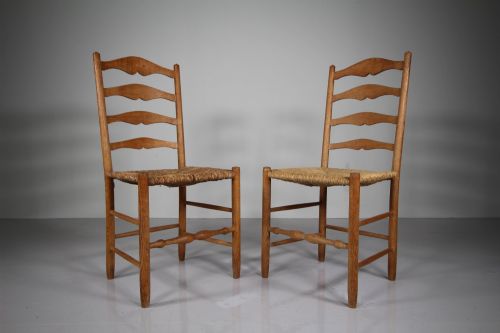
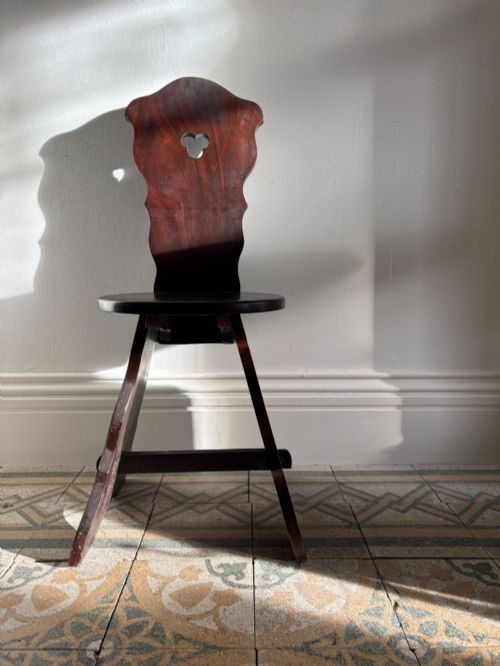
Seating surfaces incorporated natural materials including woven rush, leather, and fabric upholstery, paired occasionally with brass fittings. Turning, ladderback designs, and simple carved motifs like trefoils appear across regional and workshop pieces.
Antique Arts Crafts Seating Retail Price Guide 2026
Typical asking prices for arts crafts seating among the pieces listed under this phrase on Sellingantiques today, from the lower quarter to the upper quarter. They describe what is for sale here now, not the wider market.
Listings feature periods spanning the Victorian era through the 1930s, with oak appearing as the dominant material alongside rush, leather, and brass.
What varies in quality
Quality rests on the integrity of the timber selection and the precision of the underlying joinery rather than surface ornamentation. Pieces produced by documented designers or influential retailers exhibit superior framing that withstands centuries of daily use.
The choice of seating material - whether tightly hand-woven rush, supple leather, or robust solid wood seats - distinguishes standard workshop output from finer studio productions. Original stamps, maker labels, or institutional marks elevate historical provenance.
Jas Shoolbred·E A Taylor·Gordon Russell·Neville Neal·Edward Barnsley·Heinrich Vogeler·Goodyers London·William Morris·Morris Co·Philip Webb·Philip Clissett·George Jack·James Shoolbred Co
The Antique Arts Crafts Seating Glossary
- Ladderback
- A chair back featuring multiple horizontal wooden slats positioned between the upright rear posts. This regional style draws upon traditional vernacular furniture making.
- Rush
- A marshland plant material twisted into cords and woven to form flexible, durable chair seats. It provides a tactile surface common in vernacular and designer seating alike.
- Settle
- A high-backed wooden bench featuring solid arms and often an enclosed storage box beneath the seat. Historically placed near hearths to block draughts.
- Glastonbury chair
- A folding wooden armchair design with an inclined back and X-frame supports, rooted in medieval ecclesiastical precedents.
- Trefoil
- A three-lobed decorative ornament resembling a clover leaf, frequently pierced or carved into wooden chair backs and bench supports.
Antique Arts Crafts Seating: Frequently Asked Questions
How do I identify an arts and crafts chair?
Look for exposed construction details, such as pegged joints, plain solid timber frames, and a deliberate absence of excessive surface carving. These chairs prioritise functional utility and natural wood grains.
Many examples feature ladderbacks, rush seats, or leather upholstery secured with decorative brass tacks, linking them directly to the movement's aesthetic values.
Were these chairs used for dining or lounging?
The category encompasses both purposes, ranging from sturdy sets of dining chairs to low armchairs and fireside seating designed for relaxation. Stools and benches served flexible seating needs throughout the home.
Heavy oak armchairs and settles frequently occupied halls and living spaces, while lighter side chairs were gathered around dining tables.
How should I care for rush and leather seats?
Keep rush seats clean using a dry brush to remove dust, and avoid excessive moisture which can weaken the natural fibres. Leather elements benefit from occasional conditioning to maintain suppleness.
Place these pieces away from direct heat sources and strong sunlight to prevent the timber and organic upholstery from drying out over time.
Can I mix these chairs with modern interiors?
The restrained forms and honest materials of these pieces allow them to integrate smoothly into contemporary rooms. Their architectural lines provide a grounded contrast to minimalist or industrial decor.
Using a single armchair as an accent or combining a vintage oak bench with a modern table highlights the craftsmanship without overwhelming the space.