

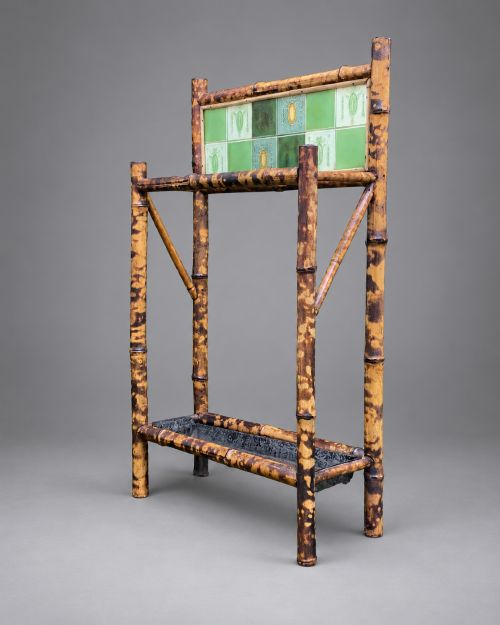
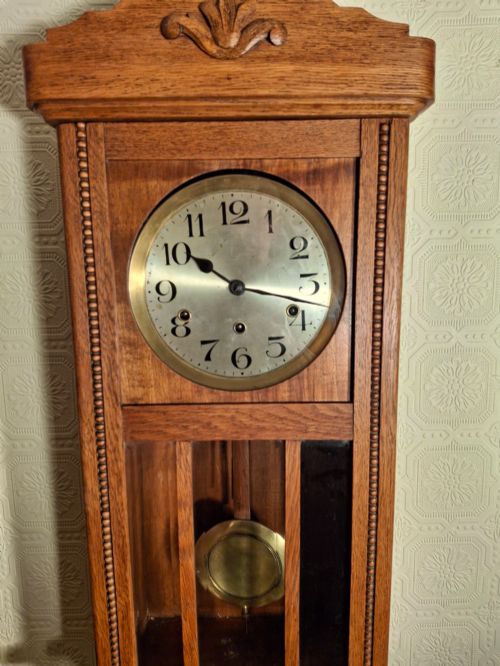
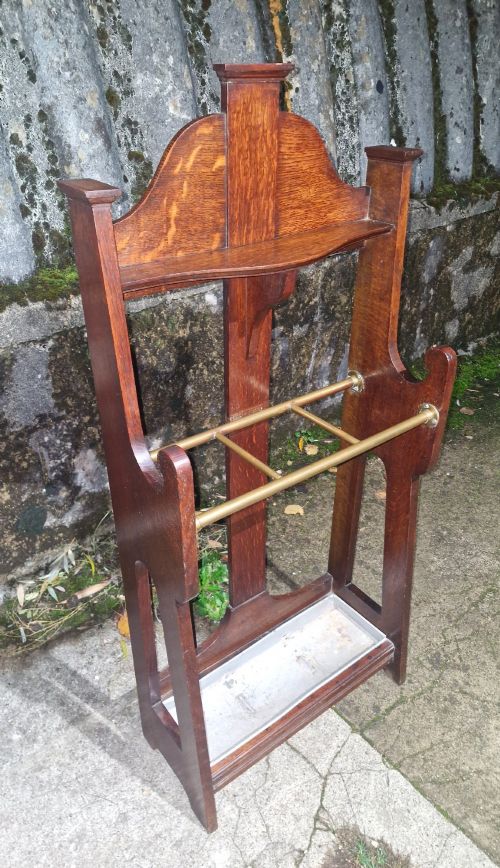
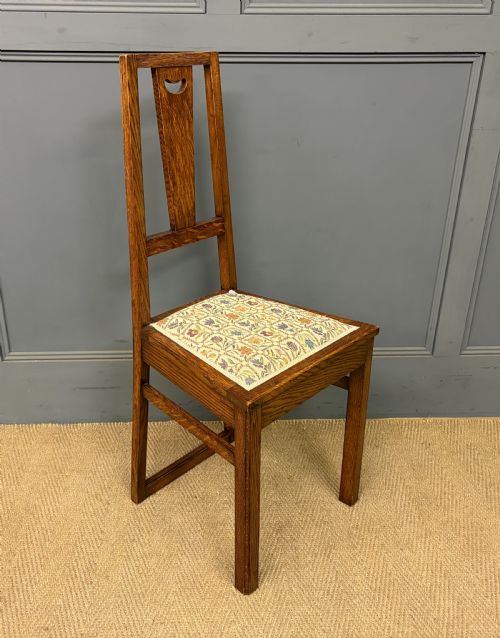
Edwardian Arts Crafts Furniture
Edwardian arts crafts furniture brings solid oak, utility and hand-worked metal straight into modern rooms.
Edwardian Arts Crafts Furniture
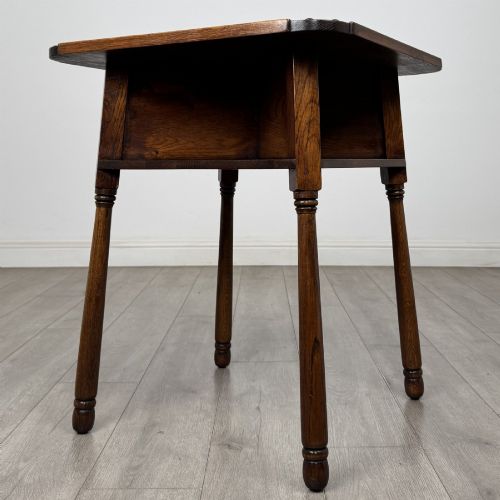
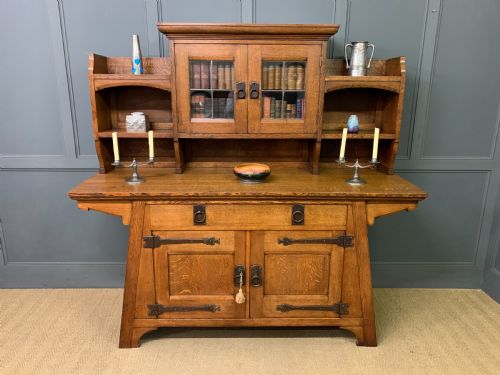
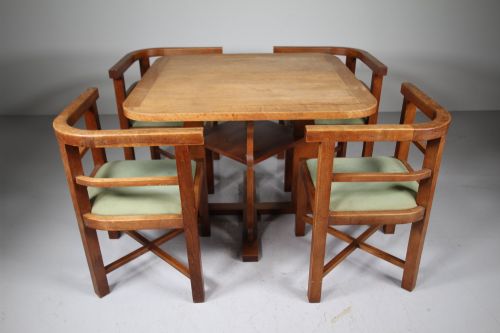
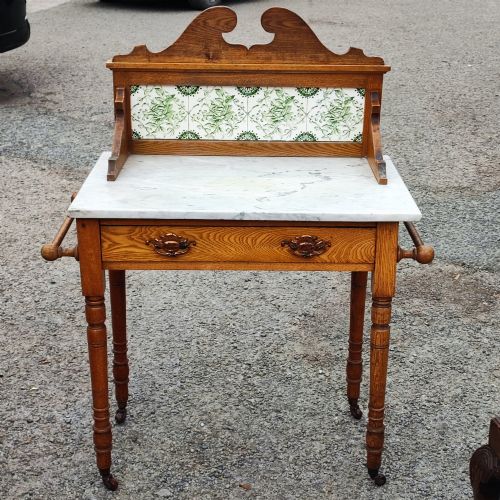
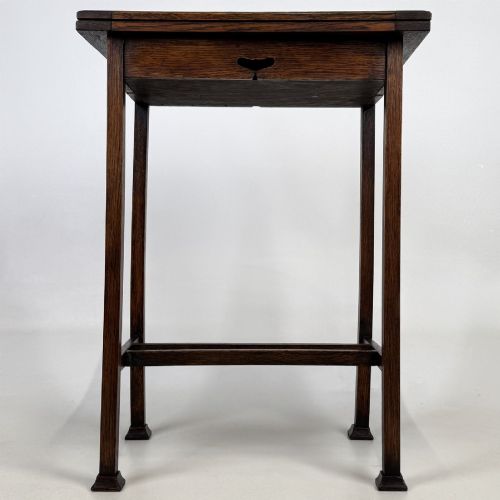
When searching for edwardian arts crafts furniture, buyers encounter robust domestic pieces built mostly from oak, ash and walnut. The selection here leans heavily towards functional items designed for everyday use in halls, studies and living rooms.
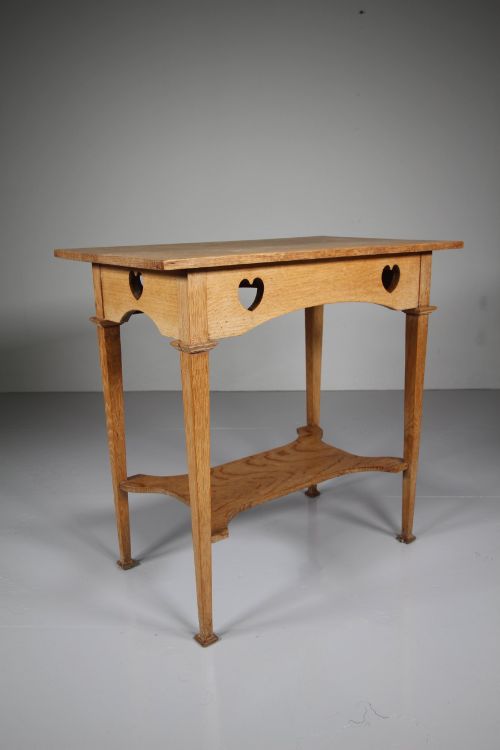
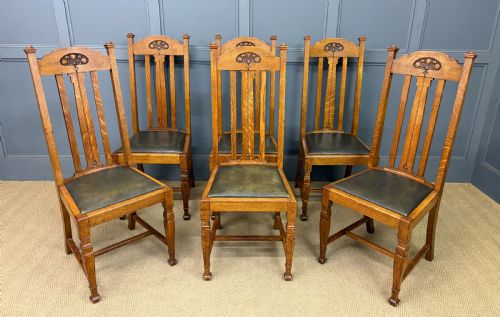
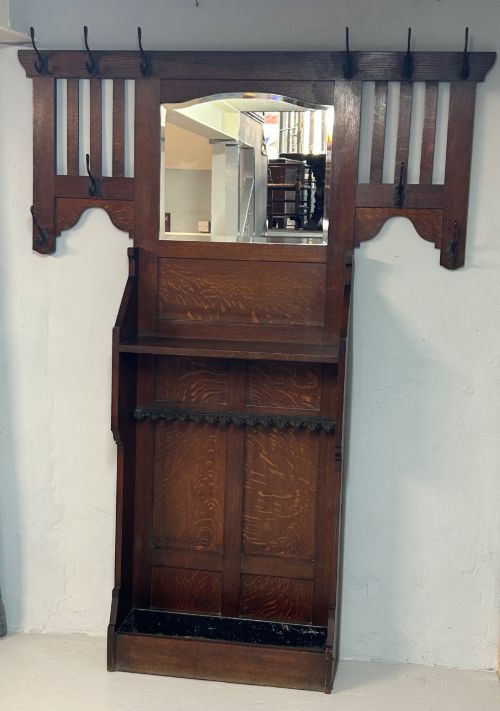
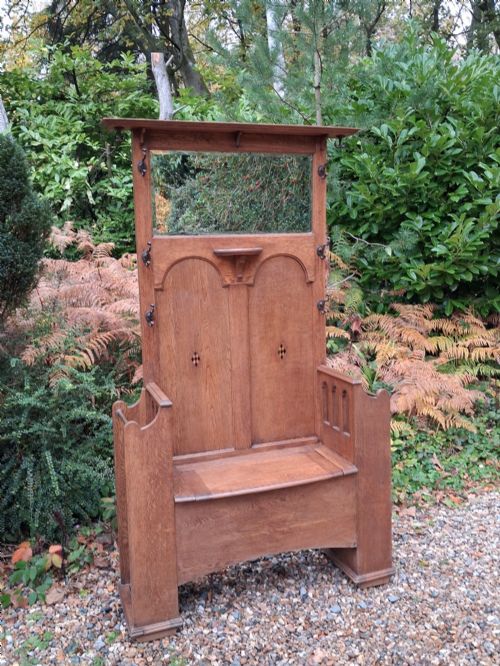
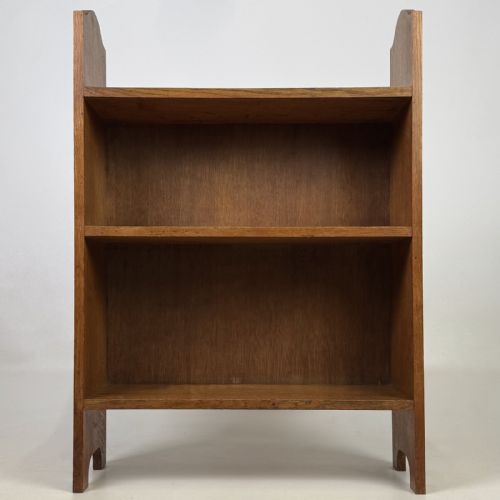
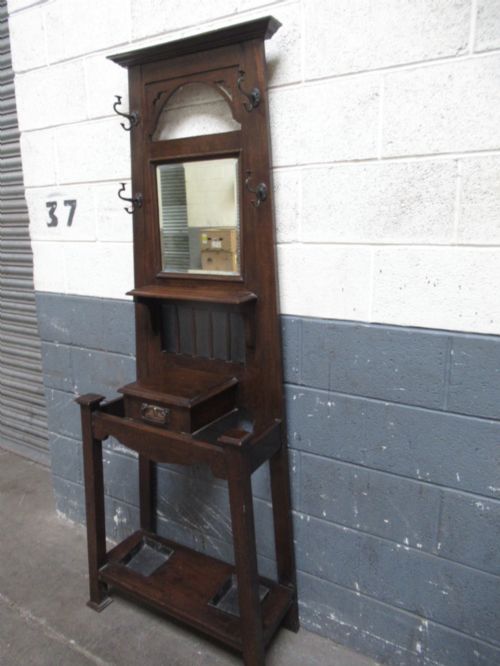
Hall stands, bookcases, occasional tables and dining chairs dominate the forms currently listed. Makers from this movement rejected excessive Victorian ornamentation in favour of honest construction and visible structural joints.
Most examples date from the Edwardian era and surrounding decades, capturing a specific period when domestic design shifted towards simplicity and natural materials. Sideboards, dressers and writing desks appear regularly alongside smaller plant stands and wall shelves.
Construction and Materials
Solid oak serves as the primary structural timber, supported by occasional uses of mahogany, walnut, ash and elm. Woodworkers selected these timbers for durability and pronounced grain patterns, often leaving the surface with a warm, waxed finish rather than heavy lacquer.
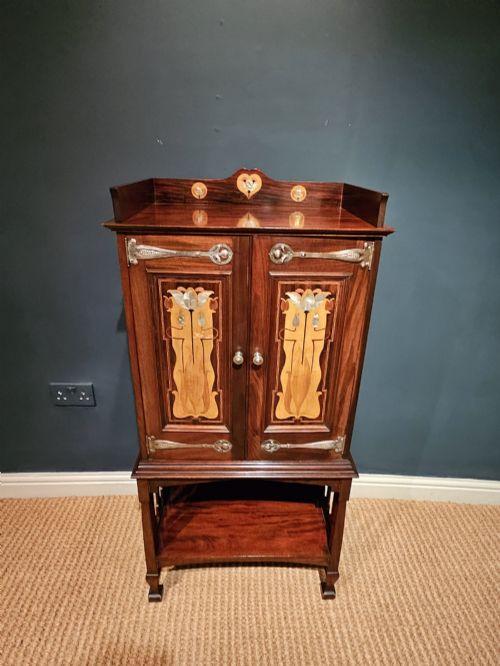
Metal components play a vital functional and decorative role, featuring forged iron, brass and copper. Handles, hinges and strapwork display hand-hammered textures, while occasional pieces incorporate ceramic tiles or glass panels.
Joinery methods rely on exposed tenons, dowels and pegged joints rather than hidden metal fasteners. This approach ensured structural integrity while celebrating the physical act of making each item.
Edwardian Arts Crafts Furniture Retail Price Guide 2026
Typical asking prices for edwardian arts crafts furniture among the pieces listed under this phrase on Sellingantiques today, from the lower quarter to the upper quarter. They describe what is for sale here now, not the wider market.
Listings feature oak as the dominant material, accompanied by brass, glass, metal, iron, mahogany, ceramic and fabric.
Quality Variations
The distinction between standard commercial output and workshop pieces lies in the crispness of the hand-carving and the weight of the timber. Workshop pieces utilise thicker stock for tabletops and door panels, preventing warping and adding substantial heft.
Hardware execution separates simpler items from superior examples. Hand-beaten copper strapwork, distinctive brass hinges and original Celtic knot handles indicate workshop design rather than mass-produced factory output.
Makers' marks, paper labels or branded signatures elevate certain items significantly. Pieces bearing documented attribution to known firms demonstrate higher standards of proportion and finish than unmarked contemporary equivalents.
Jas Shoolbred·Liberty & Co.·E A Taylor·Heals·Shapland & Petter·Leonard Wyburd·Finnigans
The Edwardian Arts Crafts Furniture Glossary
- Purdonium
- A dedicated wooden cabinet designed specifically to store household coal beside a fireplace. These typically feature an inclined interior and a matching metal shovel.
- Morris chair
- An adjustable reclining armchair featuring a movable backrest secured by a wooden rod resting on ratchets. William Morris popularised this form for domestic comfort.
- Hall stand
- A tall furniture piece combining a mirror, clothes hooks, hat storage and a lower umbrella tray. Many include a central drawer for gloves and keys.
- Secessionist
- A stylistic movement associated with avant-garde European design that influenced British makers towards geometric motifs and stylised floral inlays. It often manifests in bold brass hardware and elongated vertical lines.
- Dressing chest
- A low chest of drawers fitted with an attached tilting mirror and small jewellery boxes. These replaced larger Victorian dressing tables in smaller Edwardian bedrooms.
Edwardian Arts Crafts Furniture: Frequently Asked Questions
How do I identify genuine pieces?
Look for honest construction methods such as pegged mortise and tenon joints, quarter-sawn oak with visible medullary rays, and hand-beaten copper or brass hardware.
Maker marks, paper labels inside drawers, or stamps on the timber help confirm authenticity and origin from period workshops.
Where were these pieces used?
They were designed for practical everyday use in domestic Edwardian interiors, from entrance halls and dining rooms to studies and bedrooms.
Items like hall stands, umbrella racks and writing desks served specific functional roles within the layout of the home.
How should I care for the wood?
Maintain the finish by applying natural beeswax periodically and buffing gently with a soft cloth. Avoid placing wooden items near direct heat sources or in strong sunlight.
Keep humidity levels stable in the room to prevent the solid timber from drying out or splitting.
What styles accompany these items?
The aesthetic draws inspiration from the Arts and Crafts movement, focusing on utility, natural materials and rejection of industrial mass production.
Related influences include early modern design and Secessionist geometric patterns, which appear in hardware and decorative tile inserts.