
Edwardian Card Holder
An edwardian card holder is a refined desk or dining accessory designed to organise visiting cards or display table menus with distinct period elegance.
Edwardian Card Holder
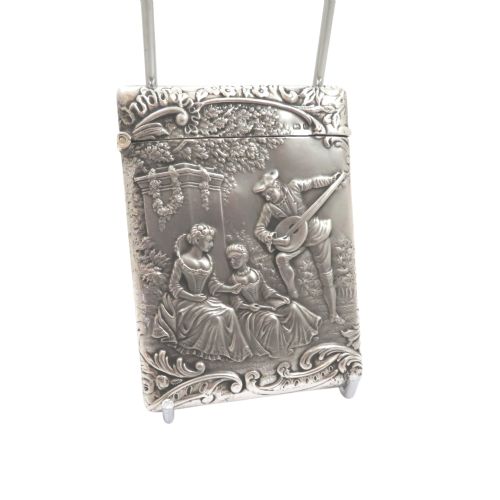
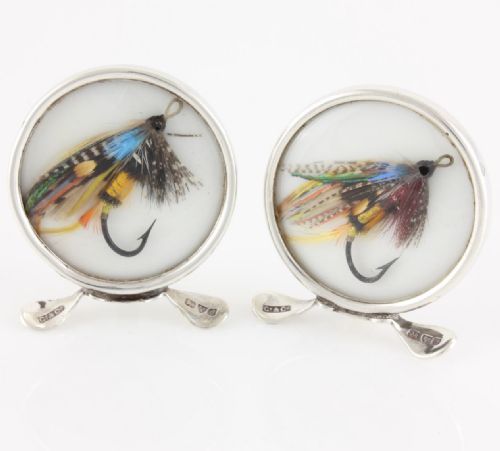
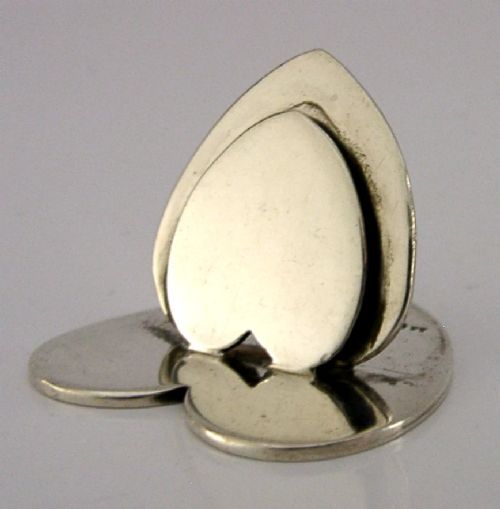
The edwardian card holder encompasses a variety of domestic and social silverware designed for organising visiting cards, holding table menus, and supporting social rituals during the early twentieth century.
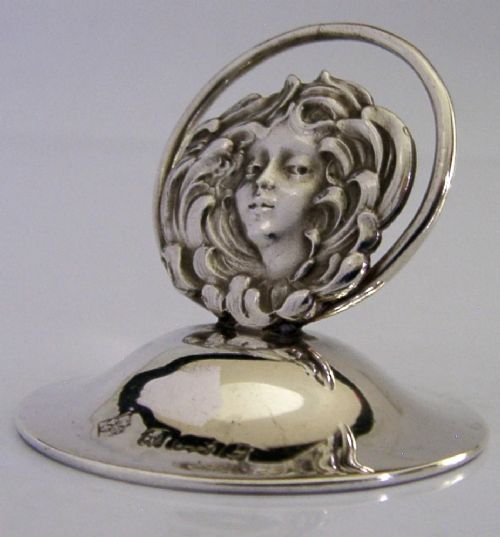
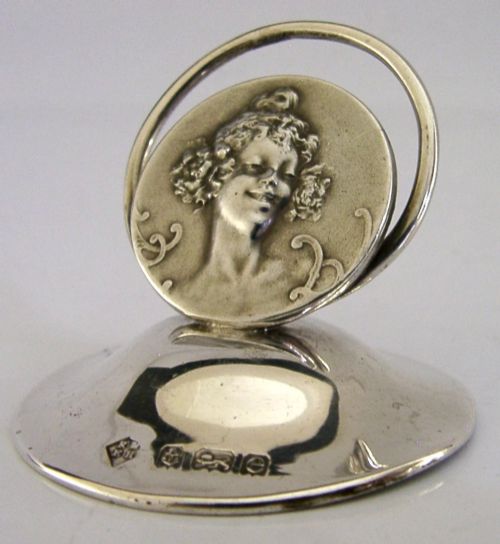
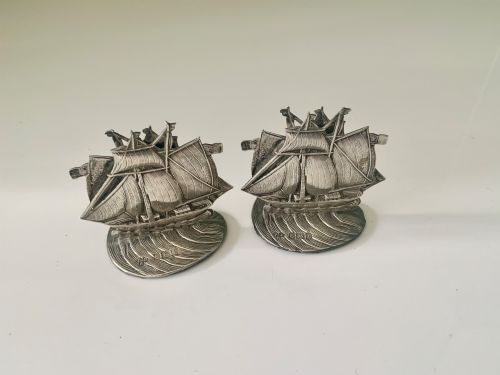
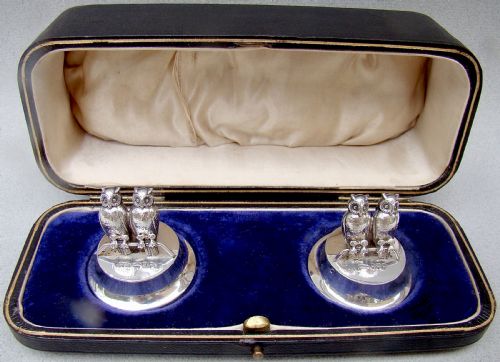
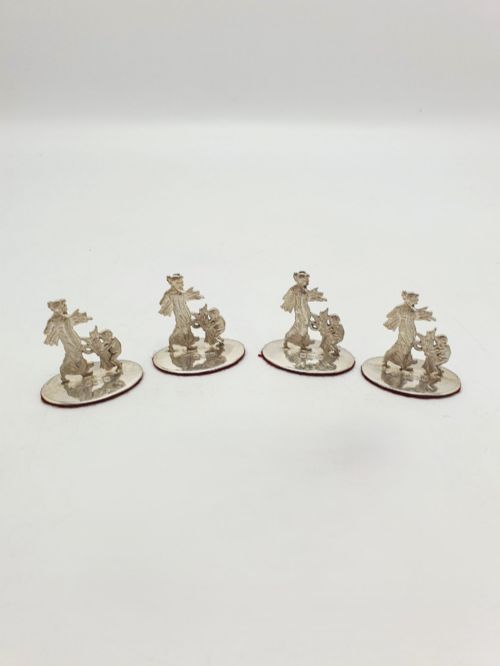
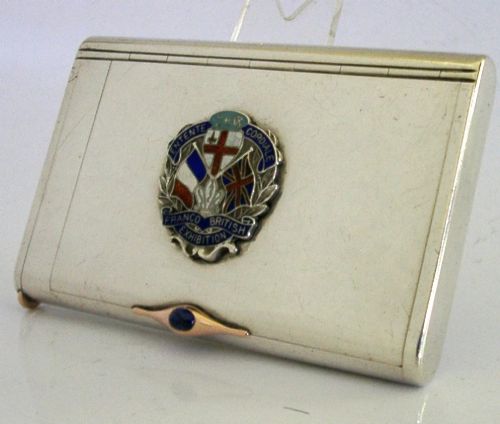
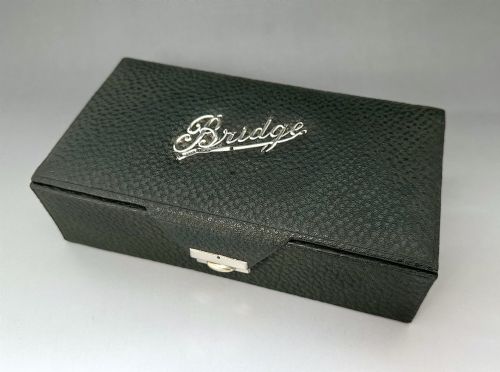
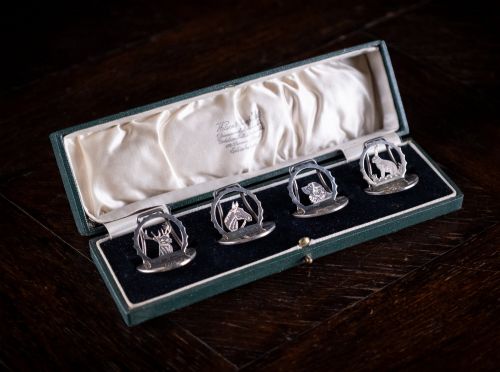
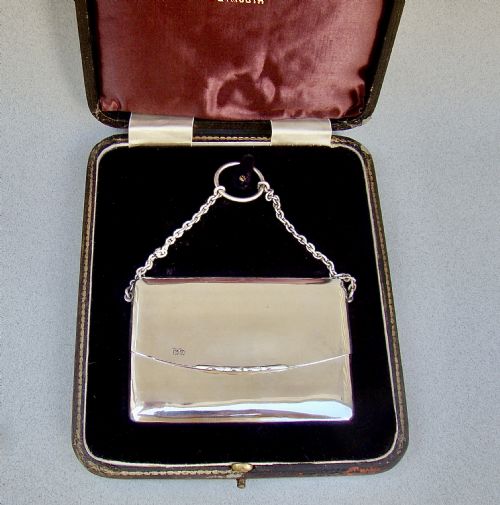
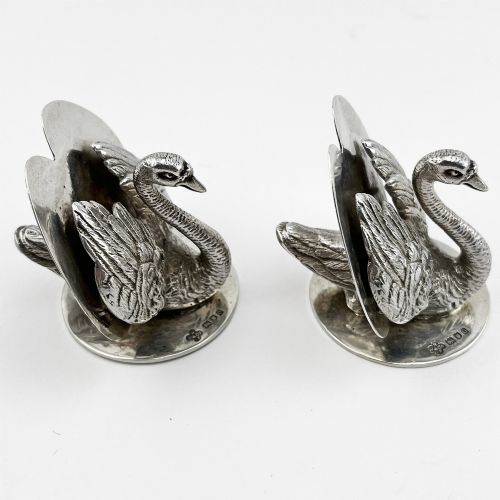
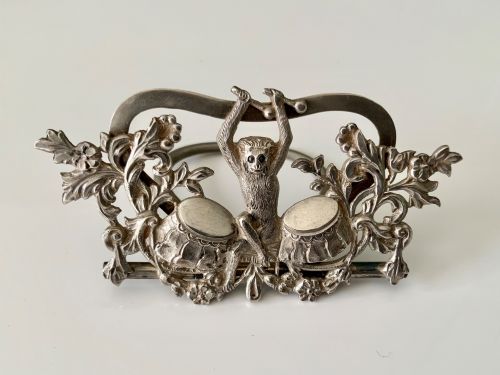
Buyers most frequently encounter figural menu holders and slip cases shaped as animals, birds, or nautical objects, alongside dedicated card cases intended for pocket use.
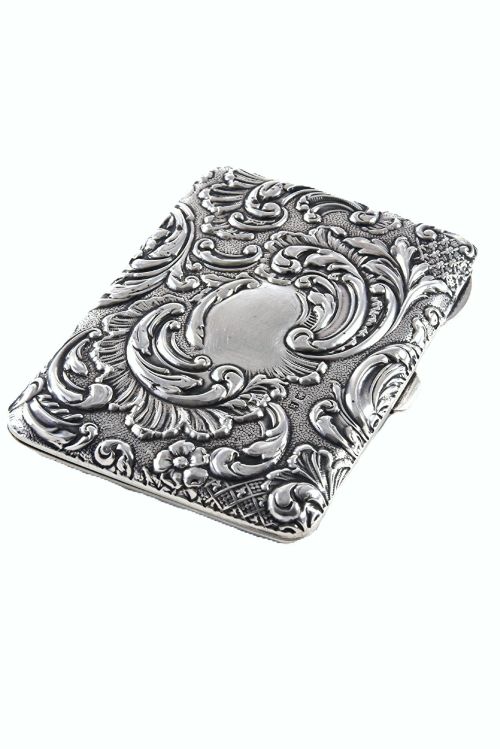
The objects bridge the Victorian era and later twentieth century designs, drawing on styles ranging from ornate Art Nouveau curves to sturdy Arts and Crafts forms.
Materials and Construction
Silversmiths constructed these pieces predominantly from sterling silver, often pairing the metal with secondary elements such as leather, velvet, silk, or glass linings.
Enamel application and selective gilding provided rich colour accents, while specialised techniques like repoussé and casting brought figural subjects, including animals and maidens, into sharp relief.
Listings demonstrate a strong preference for figural designs, with animal and bird forms appearing frequently across menu holders and card cases.
Factors That Determine Quality
Quality rests upon the crispness of the casting and the depth of the metalwork, distinguishing sharply defined figural subjects from flatter, mass-produced alternatives.
The preservation of original elements, such as enamel panels, silk linings, and gilt interiors, elevates a piece alongside clear hallmarks confirming maker and date.
Levi and Salaman·Sampson Mordan·Liberty and Co
The Edwardian Card Holder Glossary
- Sterling Silver
- An alloy containing 92.5 percent silver by mass, forming the primary structural material for the majority of these pieces.
- Repoussé
- A metalworking technique where the smith hammers the silver from the reverse side to form a raised design on the front.
- Hallmark
- An official stamp applied to precious metals indicating the standard of purity, the assay office, and the year of manufacture.
- Gilding
- The application of a thin layer of gold to the interior or exterior surface of silver objects for decoration and protection.
- Aide Memoire
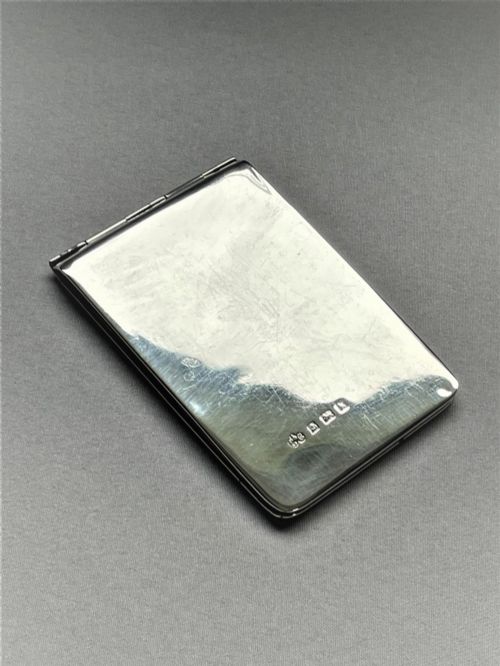
- A small pocket notebook or memorandum pad bound in silver or leather, used for recording social engagements.
Edwardian Card Holder: Frequently Asked Questions
What is an edwardian card holder used for?
These pieces served practical social functions in polite society, primarily holding visiting cards for callers or displaying menu selections at formal dining tables.
They kept delicate paper items orderly and added decorative refinement to desks, card tables, and dining rooms.
How do I identify an edwardian piece?
Examination of the hallmarks stamped on the silver provides the most reliable guide, revealing assay office locations and specific date letters.
Stylistic cues such as fluid Art Nouveau motifs and distinctive animal figures also point directly to the early twentieth century.
Are these pieces suitable for daily use?
Sterling silver and fitted leather boxes tolerate gentle handling, though aged enamel and silk linings require careful preservation.
Many collectors prefer to display them as decorative cabinet pieces or utilise them for occasional stationary storage.
What materials accompany the silver?
Silversmiths frequently incorporated coloured enamel for pictorial vibrancy, alongside interior linings of velvet, satin, and leather.
Some specialised forms also integrate glass, marble bases, or wood to provide structural weight and contrast.