

Edwardian Cabinet Desk
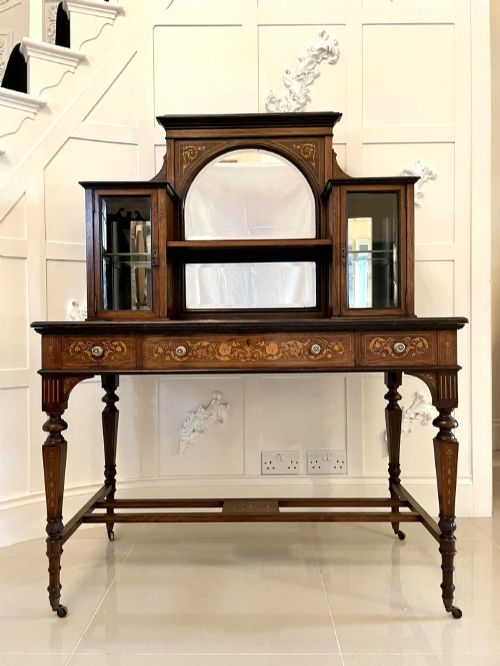
An edwardian cabinet desk combines the fitted writing space of a bureau with enclosed upper shelving or stationery compartments, offering a neat solution for home correspondence.
Edwardian Cabinet Desk
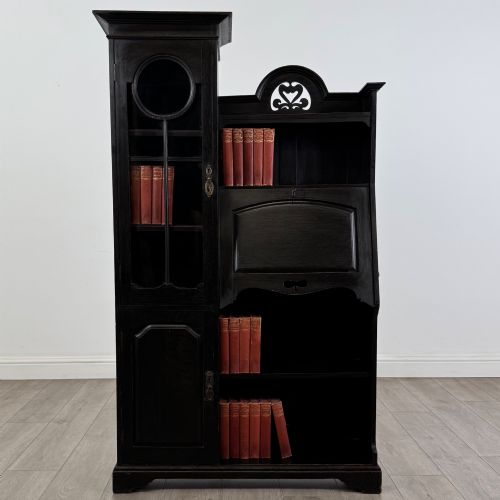
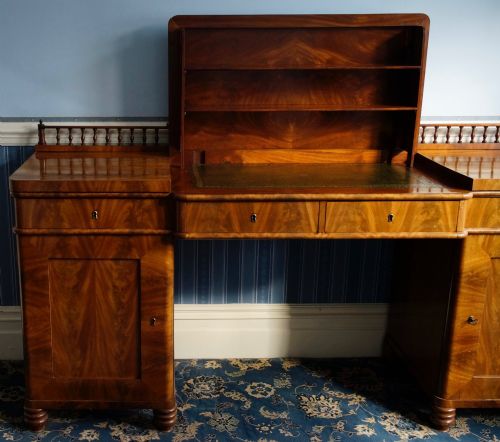
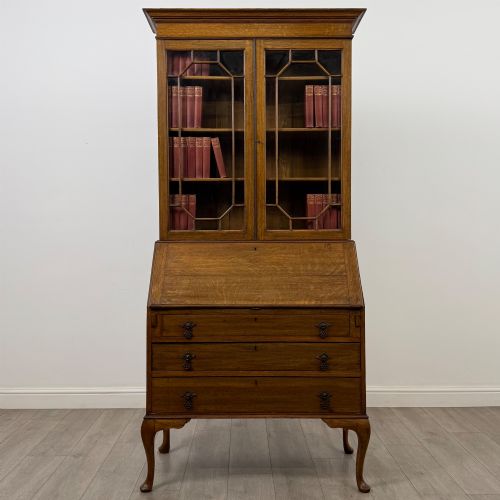
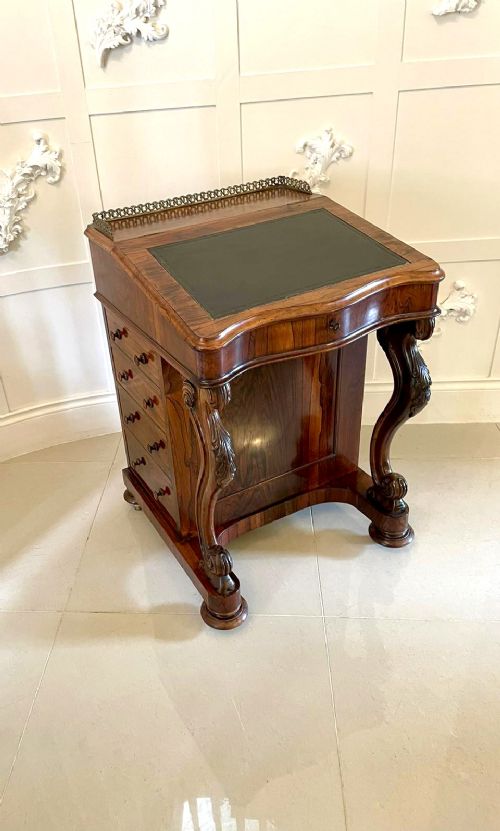
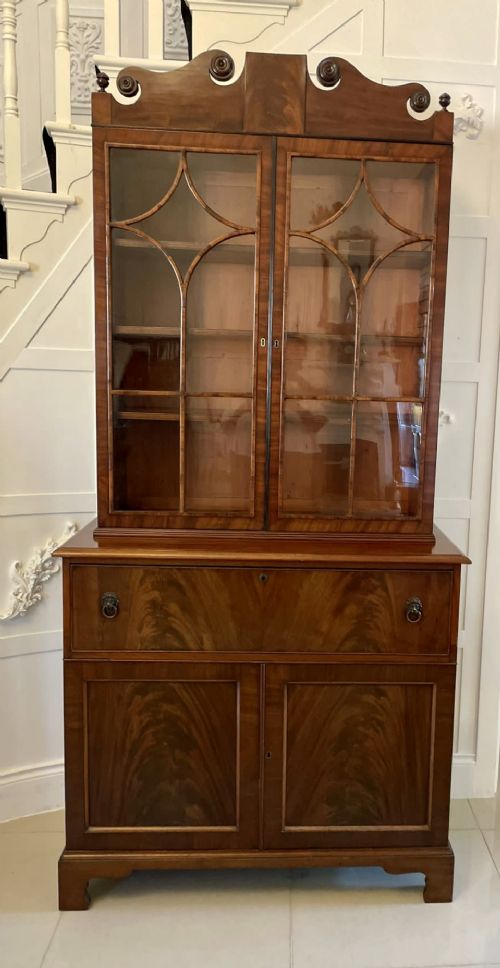
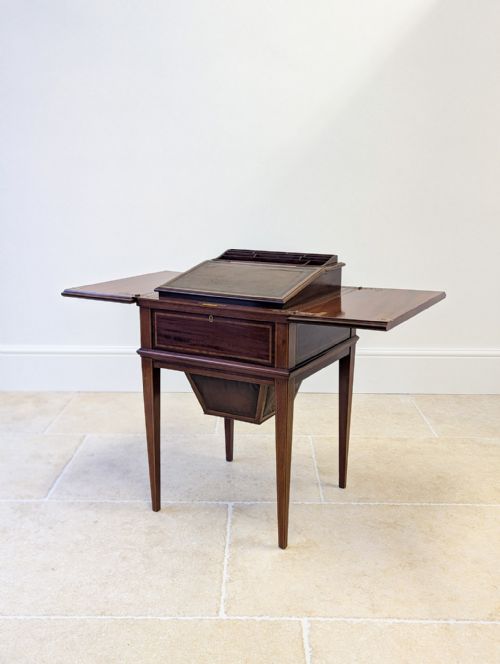
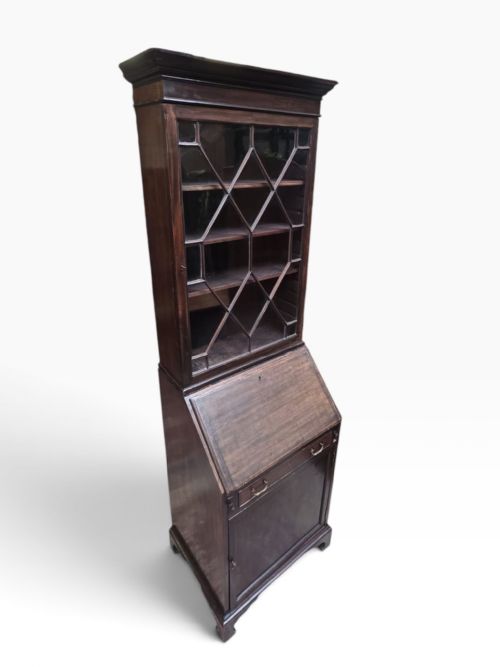
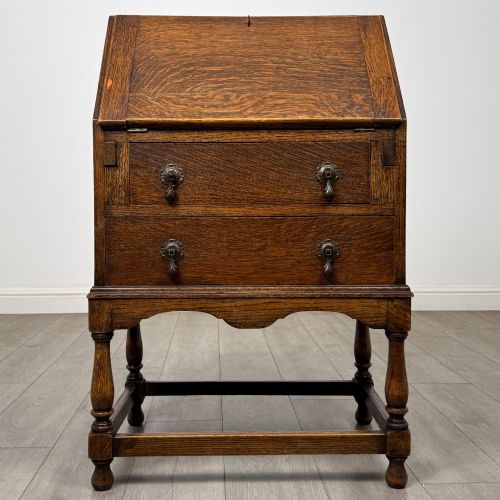
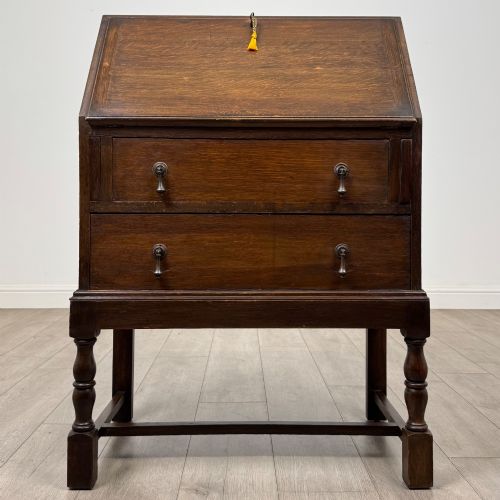
When you search for an edwardian cabinet desk, you encounter compact writing furniture that merges a drop-front bureau or writing surface with upper bookcase sections, tambour fronts, or desktop stationery compartments. These pieces date principally from the Edwardian period and the early twentieth century, though related forms extend into the Victorian era.
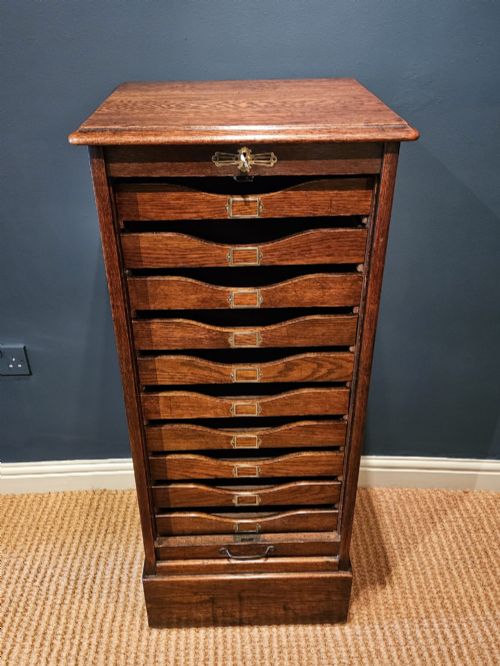
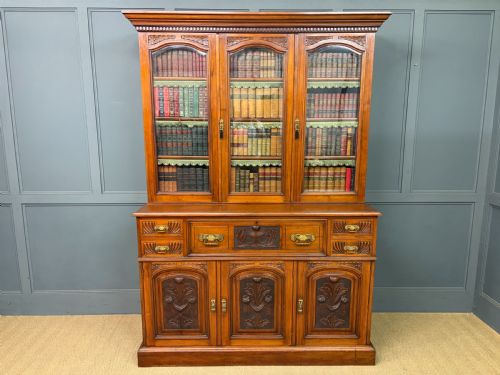
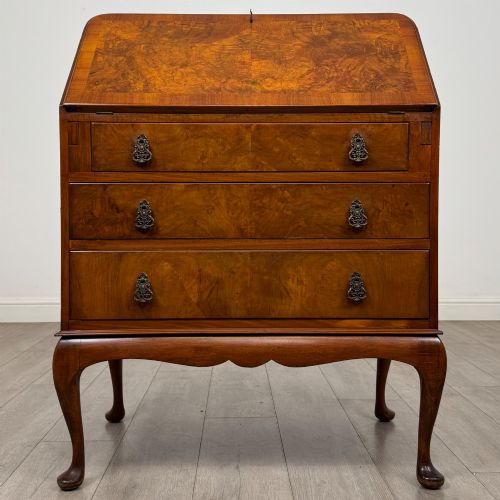
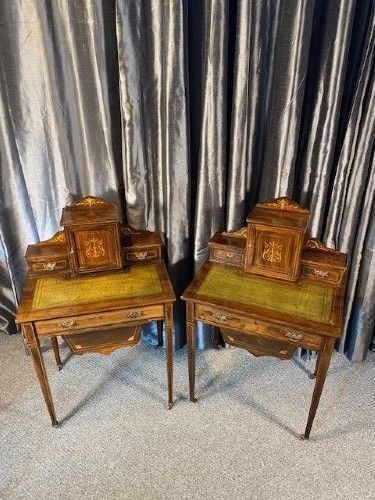
The version you meet most frequently on this page is constructed in oak or mahogany, often featuring fitted internal pigeonholes, small drawers, and hinged writing flaps. Variations include bureau bookcases, tambour front filing cabinets, and inlaid satinwood or walnut writing desks designed for domestic studies.
How they were made
Cabinet makers utilised solid timbers and selected veneers such as mahogany, oak, walnut, burr walnut, and satinwood, frequently accentuating surfaces with boxwood stringing, cross banding, and marquetry inlay. Structural integrity relied on traditional frame and panel construction for larger cabinetry, paired with dovetailed drawer boxes.
Writing surfaces incorporated inset leather or fabric writing panels, while hardware combined brass handles, escutcheons, and hinges with specialised mechanisms like tambour shutters and drop-front desk supports.
The material record shows specialised storage forms including stationery cabinets, tambour filing units, and bureau bookcases.
What varies in quality
The distinction between standard utility pieces and finer examples rests upon the selection of timber figures, such as burr walnut or figured mahogany, and the precision of inlaid boxwood stringing and marquetry details. Superior workshops exercised greater care in grain matching across drawer fronts and carcass panels.
Internal complexity also dictates distinction, where fully fitted stationery interiors with secret compartments, pigeonholes, and subsidiary small drawers demonstrate a higher grade of craftsmanship than plain carcass partitions.
Arthur Simpson of Kendal·Tudor and Burrey Shrewsbury·Bruno Zach
The Edwardian Cabinet Desk Glossary
- Bureau
- A desk featuring a sloping hinged flap that opens to reveal a fitted interior of pigeonholes and small drawers. This form serves as the primary writing compartment in many cabinet desks.
- Tambour
- A series of narrow wooden slats glued to a canvas backing, allowing a door to slide smoothly around a curved track. This mechanism appears on filing cabinets and desk covers.
- Inlay
- A technique where pieces of contrasting wood, such as boxwood or satinwood, are inserted into recessed cavities on the surface to form decorative patterns.
- Secretaire
- A piece of furniture containing a concealed writing drawer or drop-front writing compartment disguised as standard drawer fronts or cabinet doors.
- Pigeonhole
- A small, open compartment within a desk interior designed for sorting letters, papers, and stationery.
Edwardian Cabinet Desk: Frequently Asked Questions
What is an edwardian cabinet desk?
An edwardian cabinet desk is a compact piece of writing furniture produced in the early twentieth century that integrates a writing surface with enclosed storage such as bookcases, stationery compartments, or filing drawers.
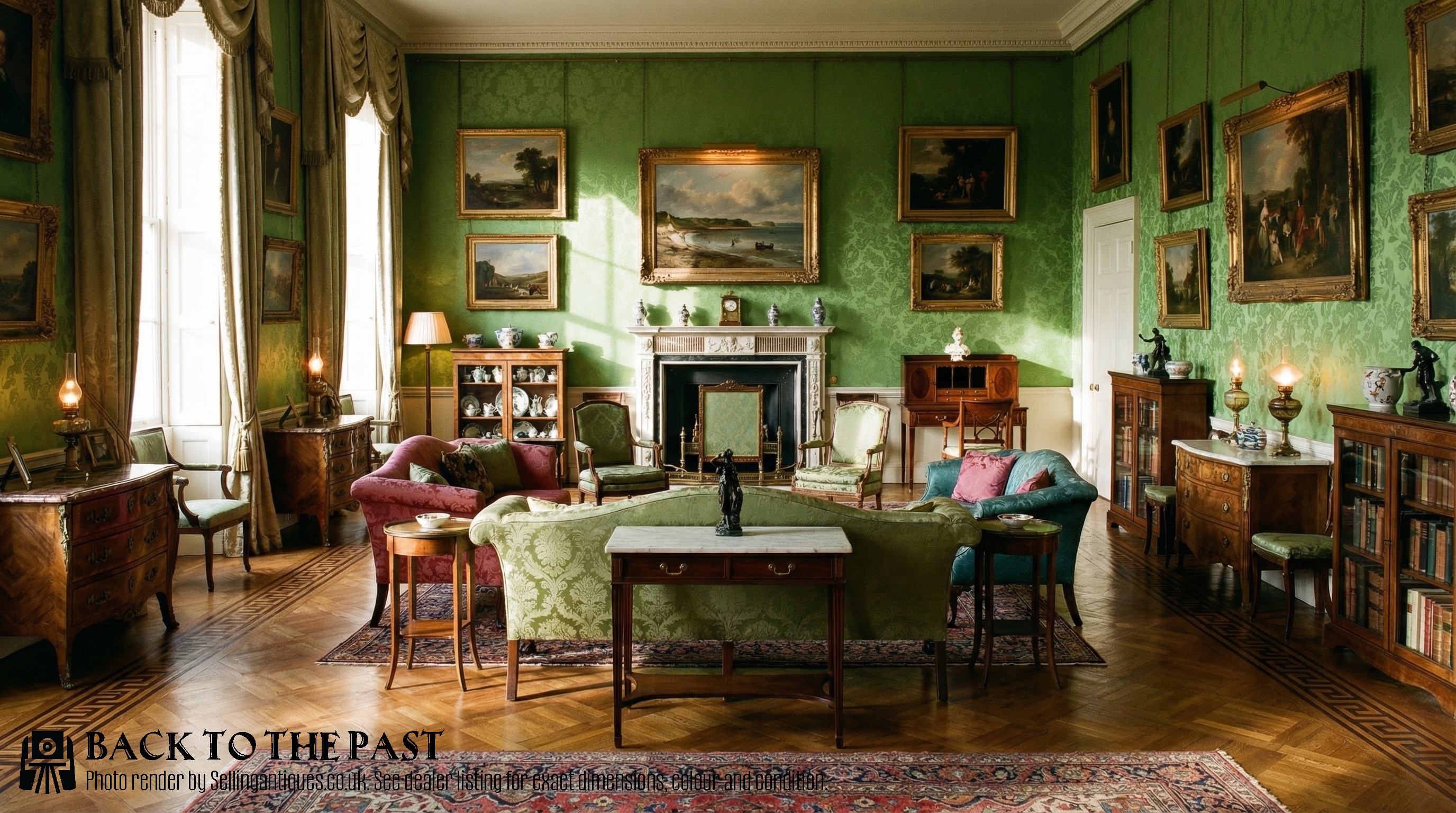
These items were built for domestic studies and drawing rooms to keep writing materials organised behind closed doors when not in use.
How do I identify an edwardian piece?
Identification relies on observing characteristic timber choices like oak, mahogany, and burr walnut, often accompanied by subtle boxwood stringing and Edwardian inlaid motifs.
Construction details, proportion, and specific hardware styles help distinguish these early twentieth-century pieces from heavier Victorian or later twentieth-century reproductions.
Where were cabinet desks used?
These desks were placed in home studies, libraries, bedrooms, and reception rooms of Edwardian houses for handling private correspondence and household accounts.
Their enclosed upper sections allowed owners to store books and stationery neatly out of sight in principal living spaces.
How do I care for wooden surfaces?
Maintenance requires keeping wooden cabinet desks away from direct heat sources and strong sunlight to prevent timber splitting and veneer lifting.
Periodic application of appropriate wax polish maintains the lustre of mahogany, oak, and walnut surfaces without building up heavy residues.