



Antique Glass Display Desk
An antique glass display desk unites a writing surface with glazed shelving to hold papers and treasured objects.
Antique Glass Display Desk
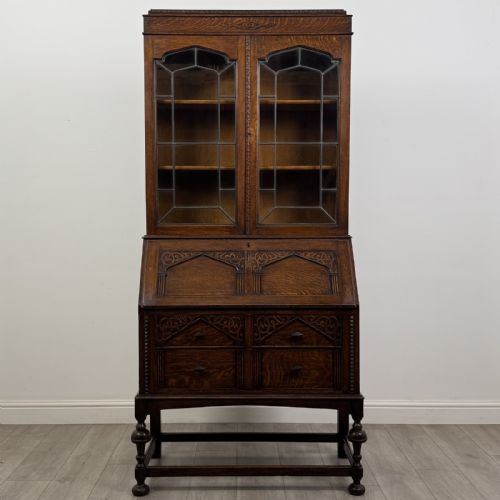
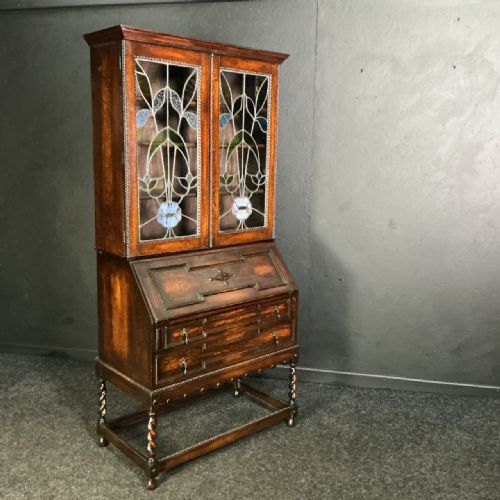
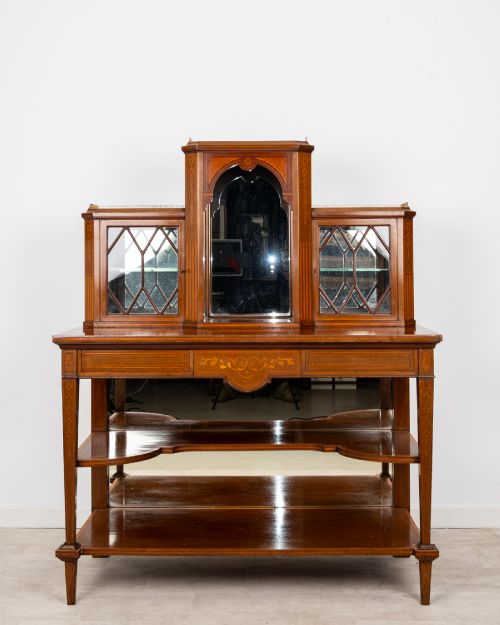
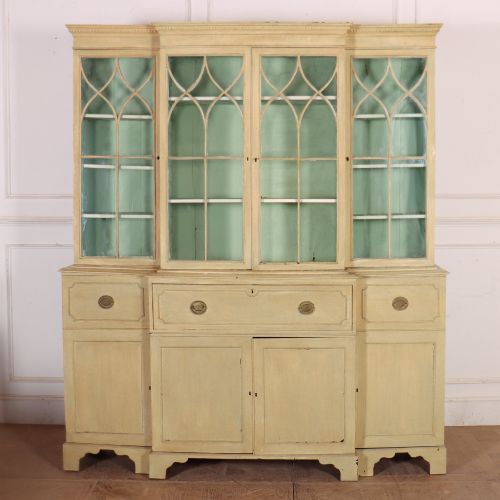
When searching for an antique glass display desk, a buyer encounters a diverse range of forms including bureau bookcases, secretaire bookcases, writing desks, and display cabinets. These pieces combine fitted desks with glass-fronted storage compartments, originating across the eighteenth, nineteenth, and early twentieth centuries.
The selections available here lean heavily toward Victorian and Edwardian variations, alongside Georgian pieces and specific iterations such as the Edwardian Sheraton Revival and Arts and Crafts styles. Makers like Edwards and Roberts and Maple and Co. appear in the record, showing refined cabinet work in mahogany, satinwood, oak, and maple.
A buyer frequently meets pieces designed for dual utility, where a drop-down writing flap or cylinder desk meets upper glazed shelving for books or curiosities. These furniture forms serve both study and display functions within domestic interiors.
How they were made
Cabinet makers utilised dense hardwoods such as mahogany, oak, and satinwood to construct the primary carcasses and writing surfaces of these desks. Inlaid details in contrasting timbers often decorate the drawer fronts and borders.
Glass panels are set into wooden frames or lead mounts, utilising astral glazing bars to divide the upper display sections into neat panes. Brass hardware such as hinges, handles, and locks finish the opening mechanisms.
Antique Glass Display Desk Retail Price Guide 2026
Typical asking prices for glass display desk among the pieces listed under this phrase on Sellingantiques today, from the lower quarter to the upper quarter. They describe what is for sale here now, not the wider market.
The listings here span the eighteenth, nineteenth, and early twentieth centuries, featuring mahogany, satinwood, oak, and brass materials.
What varies in quality
The distinction between tiers of quality rests upon the selection of timber veneers, the crispness of inlaid stringing, and the delicacy of the glazing bars on the upper doors. Finer pieces demonstrate superior joinery in the internal stationery compartments and drawer linings.
Makers known for high output, such as Edwards and Roberts, maintained strict standards in their hardware choices and secondary timbers, which separates their production from standard commercial workshops.
Maple and Co.·Edwards and Roberts
The Antique Glass Display Desk Glossary
- Secretaire bookcase
- A tall furniture piece incorporating a pull-down writing drawer above lower cupboards or drawers, topped by glazed shelving. This dual purpose design conceals small pigeonholes and drawers behind the main writing flap.
- Bureau bookcase
- A unit featuring a sloped writing flap that opens forward over drawers, paired with an upper glazed bookcase section. The interior typically contains hidden compartments for letters and ink.
- Astral glazing
- A method of dividing glass panes in cabinet doors using slender wooden bars arranged in geometric patterns. This technique provides structural support while offering an unobstructed view of the contents inside.
- Bonheur du jour
- A light lady writing desk featuring a small set of drawers or a cabinet superstructure upon the main writing surface. These dainty pieces frequently incorporate decorative satinwood veneers and fine inlay.
- Cylinder desk
- A writing desk featuring a rolling curved wooden shutter that conceals the writing surface and interior fittings when closed. This mechanism requires precise joinery to operate smoothly along curved tracks.
Antique Glass Display Desk: Frequently Asked Questions
What is a secretaire bookcase?
A secretaire bookcase combines a drop-down writing drawer with upper glass-fronted shelving for books. It provides a concealed workspace without occupying the footprint of a separate desk and bookcase.
Inside the fall-front drawer, small compartments organise letters and stationery. Below, drawers or cabinet doors offer substantial enclosed storage.
How do I identify a Georgian piece?
Georgian pieces display restrained proportions, solid mahogany construction, and understated brass fittings. The joinery relies on traditional hand-cut dovetails.
Glazing bars on these earlier cabinets tend to be finer and more slender than those found on later Victorian iterations.
Where were these desks used?
These pieces served in domestic libraries, drawing rooms, and studies for correspondence and the display of valued books. Their dual function suited formal reception rooms.
Upper glass shelves protected delicate volumes and curiosities from dust while keeping them visible to visitors.
What woods were commonly used?
Makers utilised mahogany as the primary timber throughout the nineteenth century, often complemented by satinwood and maple veneers. Oak appears in earlier and vernacular examples.
Contrasting stringing and banded inlay frequently highlight the borders of drawer fronts and cabinet doors.