


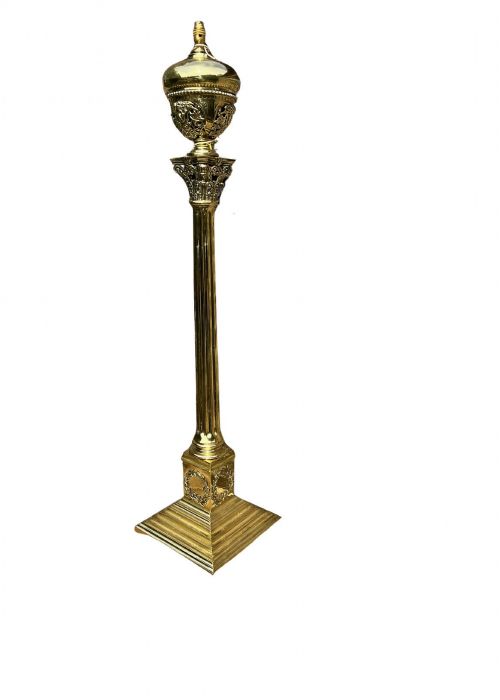


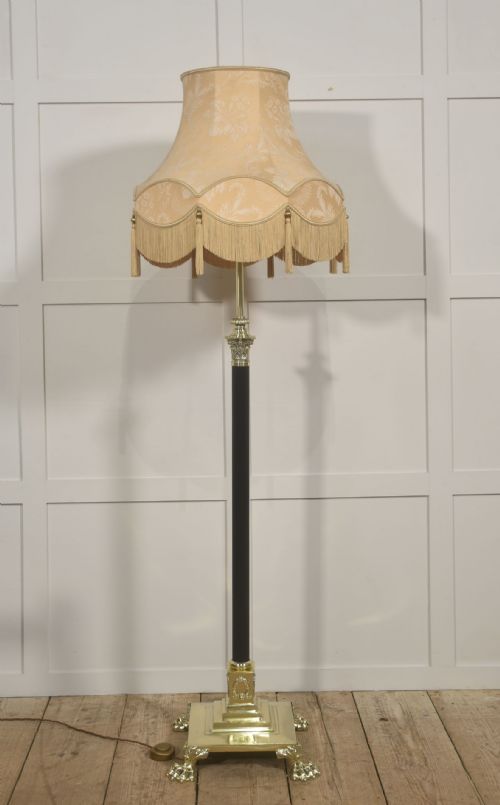
Edwardian Brass Floor Light
An edwardian brass floor light brings adjustable illumination and period metalwork into a room.
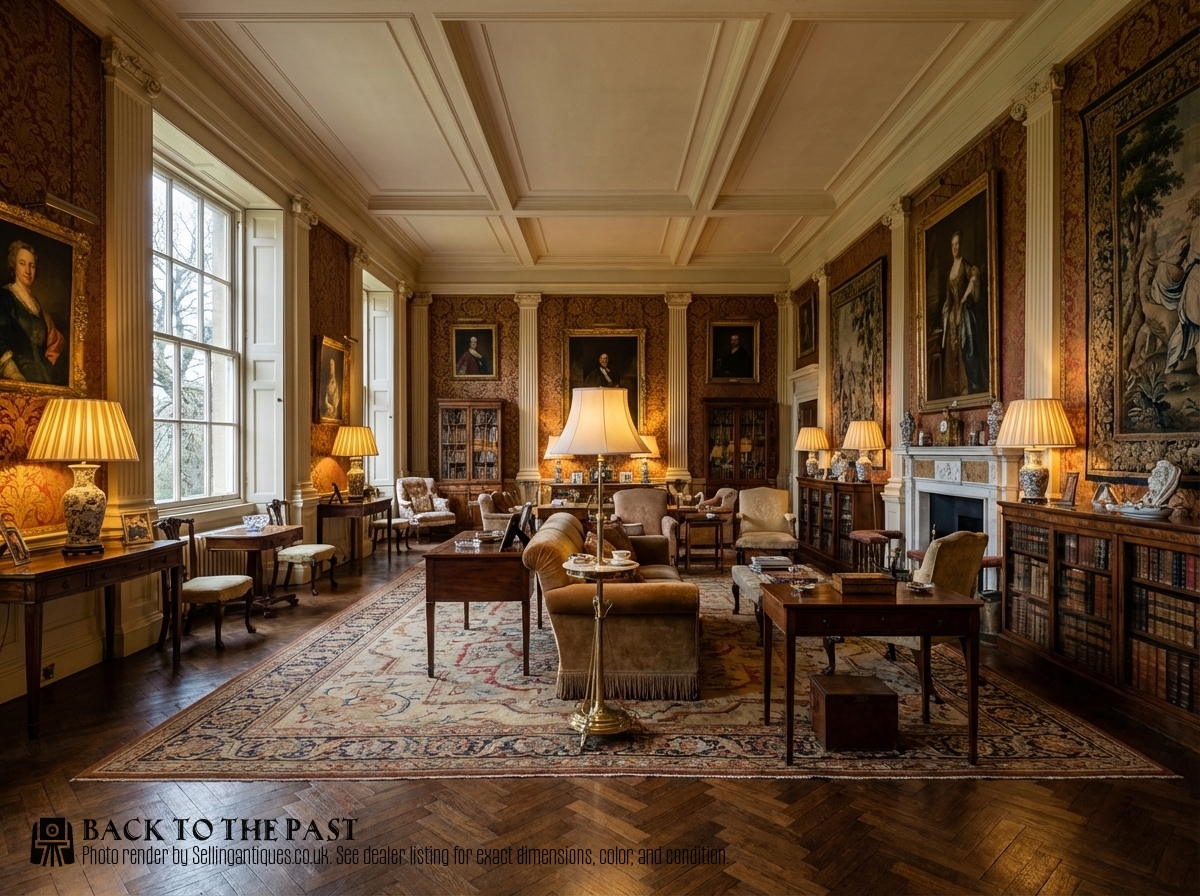
Edwardian Brass Floor Light
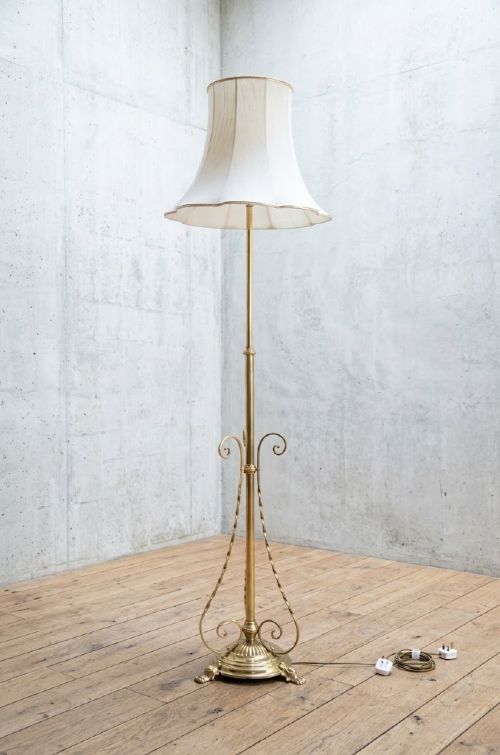
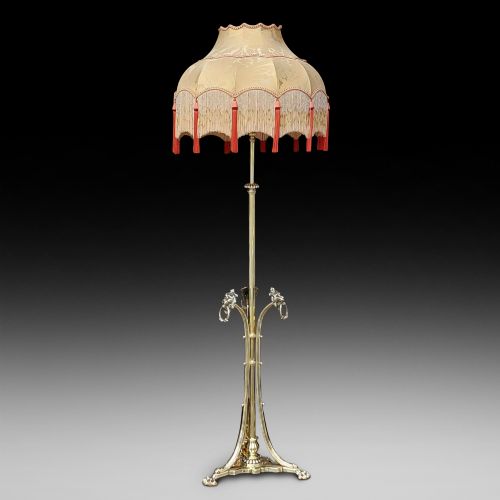
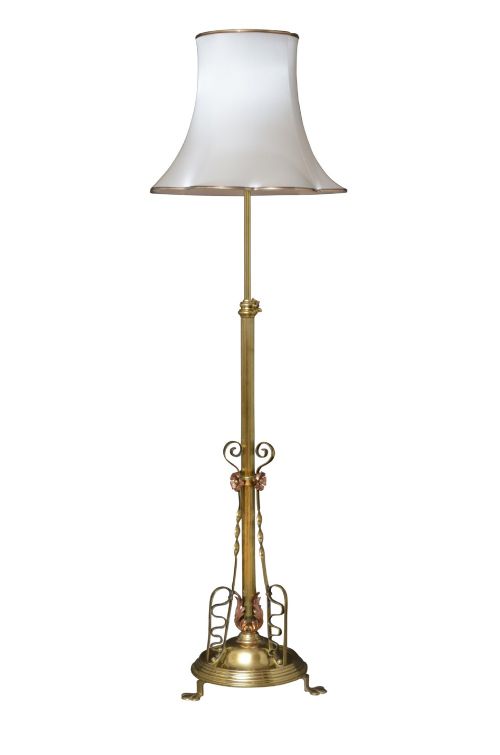
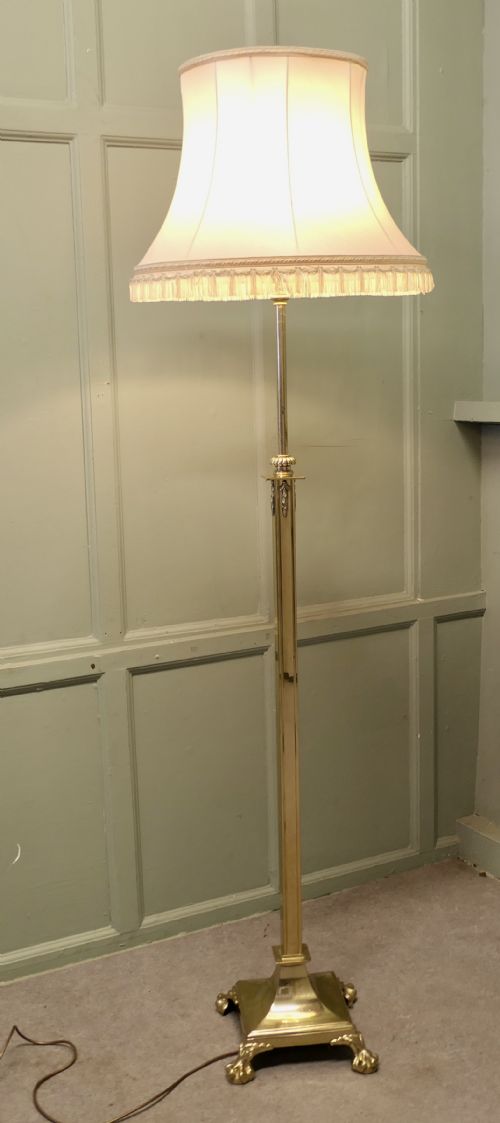
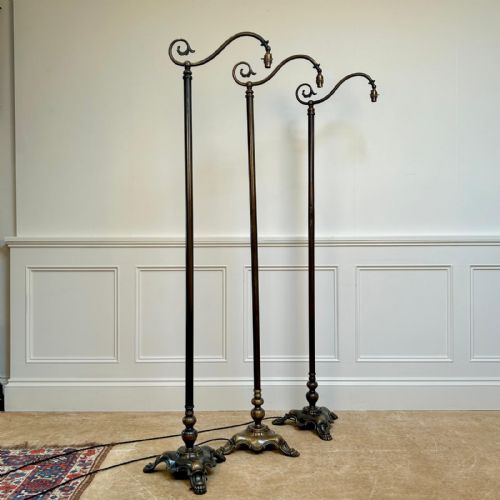
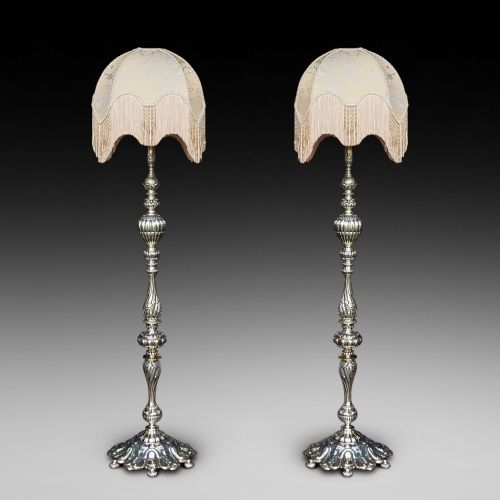
An edwardian brass floor light encompasses standard lamps, floor lamps, and reading lights created across the nineteenth and early twentieth centuries. These upright fixtures range from simple telescopic stems to ornate examples featuring floral openwork bases or scrolling arms.
The selection frequently includes examples designed with adjustable heights, swivel mechanisms, or tripod supports. Buyers often encounter pieces influenced by Art Nouveau and Arts and Crafts aesthetics alongside more formal Neoclassical columns.
Originating predominantly from English workshops, these lights combine functional illumination with substantial metal construction. The inventory spans standard oil lamps converted for electricity alongside dedicated floor-standing standards.
What varies in quality
Distinctions in quality often rest upon the robustness of the metalwork and the sophistication of the casting. Weightier bases and refined mechanisms such as smooth telescopic adjustments separate superior standards from simpler designs.
The presence of distinctive artistic styling, whether through flowing Art Nouveau plant motifs or crisp Neoclassical fluting, elevates the character of a piece. Original combinations of mixed metals like brass and copper also distinguish finer examples.
Listings feature brass combined with copper, cast iron, glass, onyx, and mahogany across multiple stylistic periods.
The Edwardian Brass Floor Light Glossary
- Telescopic
- A design featuring a sliding inner stem that allows the total height of the standard lamp to be raised or lowered. This mechanical feature enabled users to direct illumination at varying levels.
- Standard Lamp
- A traditional British term for a floor-standing lamp designed to support a shade and illuminate a room from a vertical position. These fixtures frequently incorporated heavy weighted bases for stability.
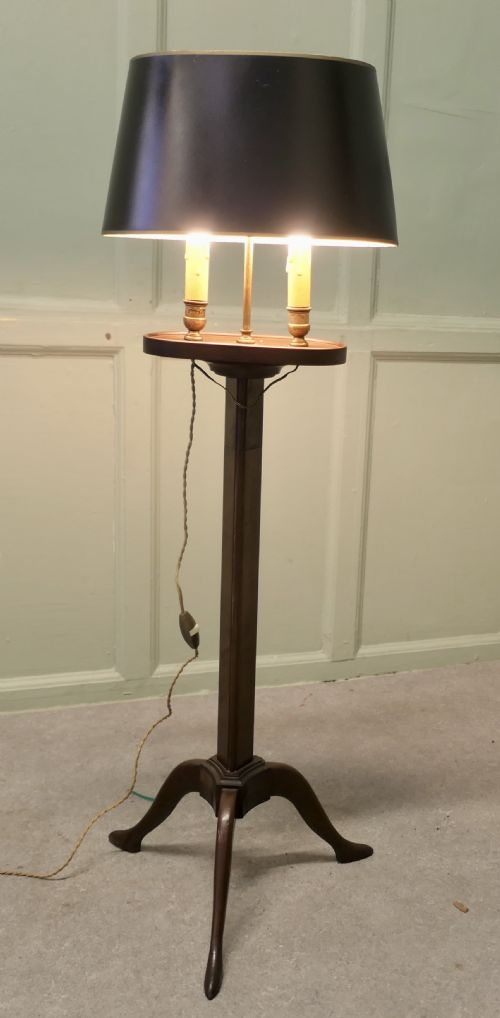
- Bouillotte
- A style of adjustable multi-light fixture originally adapted from card table lamps. These typically feature twin candle arms mounted on a central column.
- Patinated
- A surface finish resulting from age or chemical treatment that alters the raw metallic sheen of the brass or copper. This darkening adds depth and character to the exposed metal.
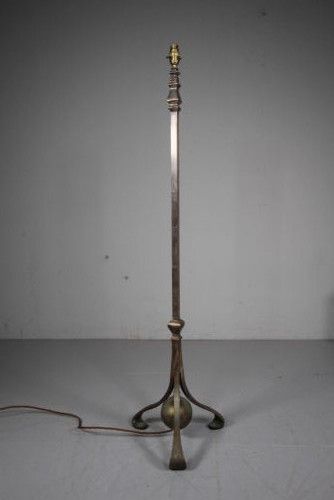
- Tripod
- A three-legged support base utilised on specific floor lamps for increased stability. This structural arrangement often characterises Arts and Crafts designs.
Edwardian Brass Floor Light: Frequently Asked Questions
How do I adjust the height?
Many period standards use a sliding telescopic mechanism secured by a thumbscrew or collar near the upper section of the shaft. You loosen this fastener gently while supporting the inner stem, set the desired level, and tighten it again.
Heavier models require a firm grip to ensure the inner column remains balanced during adjustment. Care should be taken to support the weight of any fitted shade while altering the height.
How do I choose a shade?
Selecting a shade depends on the proportions of the brass column and the intended placement within a room. Traditional fabric shades complement the upright metalwork while diffusing the light effectively.
Consider the weight and diameter of the standard base when pairing it with a larger shade to maintain structural stability. Period-appropriate fabrics help preserve the historical character of the floor light.
How do I tell Edwardian from Victorian?
Victorian standards often display heavier Neoclassical detailing, formal Corinthian capitals, or elaborate cast iron elements. The aesthetic leans towards structured proportions and darker patinated finishes.
Edwardian pieces frequently introduce lighter proportions, subtle organic curves, and transitional styles influenced by Arts and Crafts ideals. Telescopic movement and adjustable reading arms also become more common in the early twentieth century.