



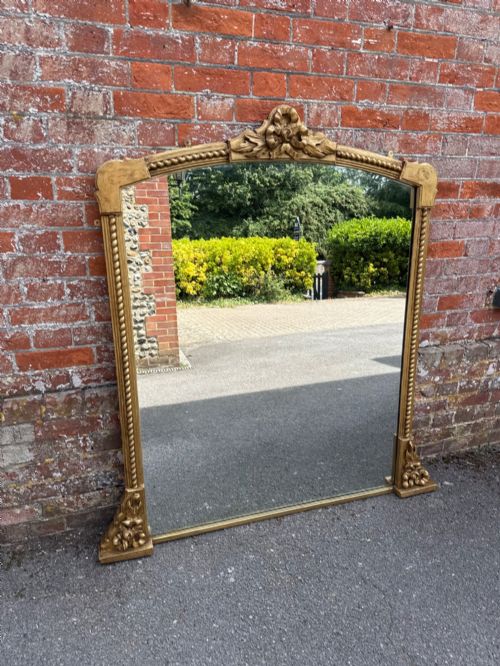
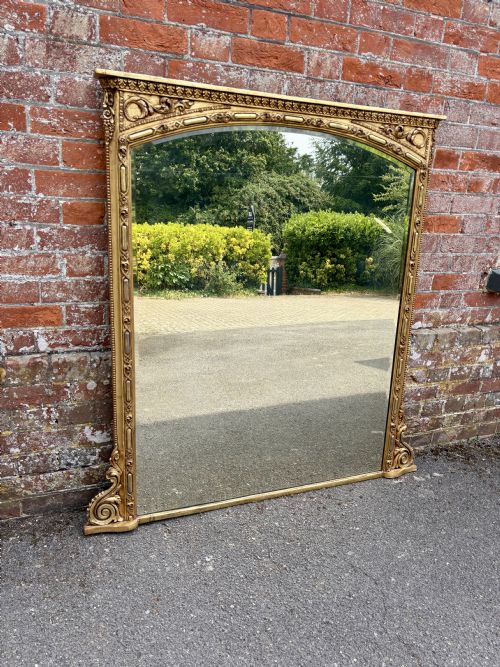
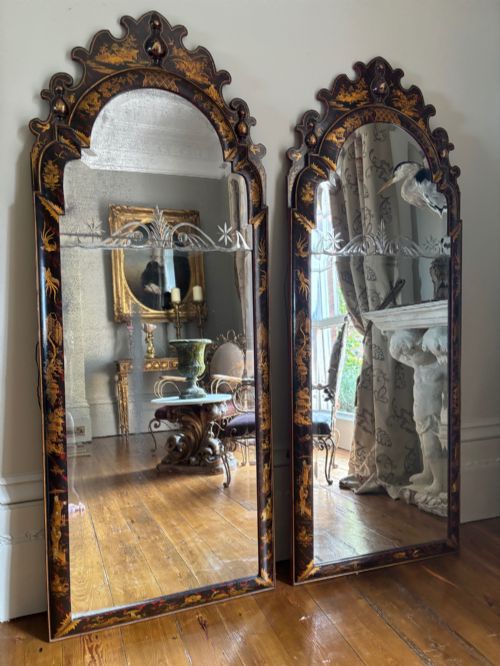
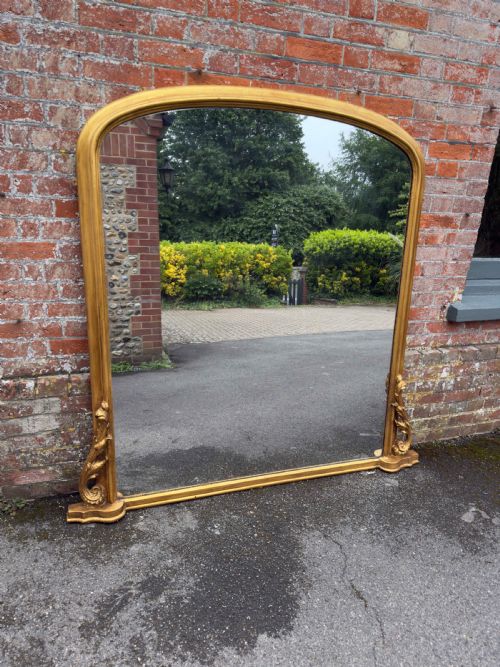


Edwardian Arched Mirror
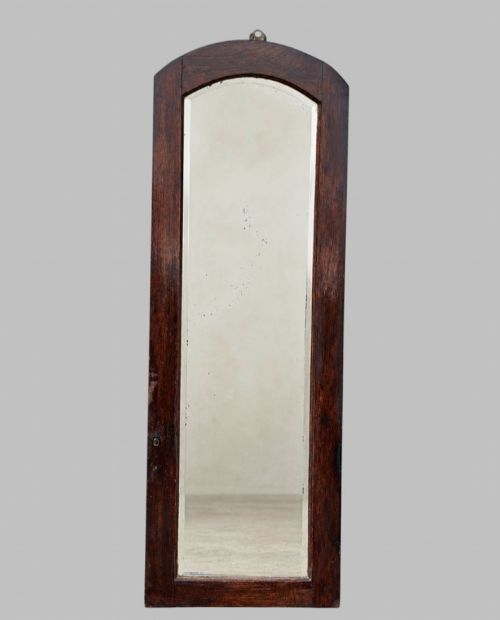
An edwardian arched mirror brings grand proportion and bright reflection to a room, drawing the eye upwards with its curved summit.

Edwardian Arched Mirror
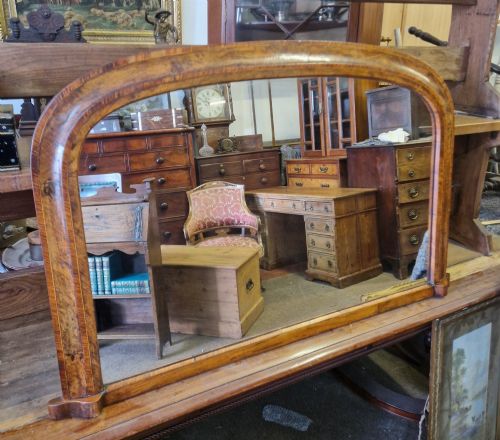
When you search for an edwardian arched mirror, you encounter pieces designed to anchor a room, most frequently appearing as large overmantel mirrors or wall mirrors with rounded tops. These items bridge Victorian mass and Edwardian lightness, combining substantial wooden frames with curved glass heads that soften interior lines.
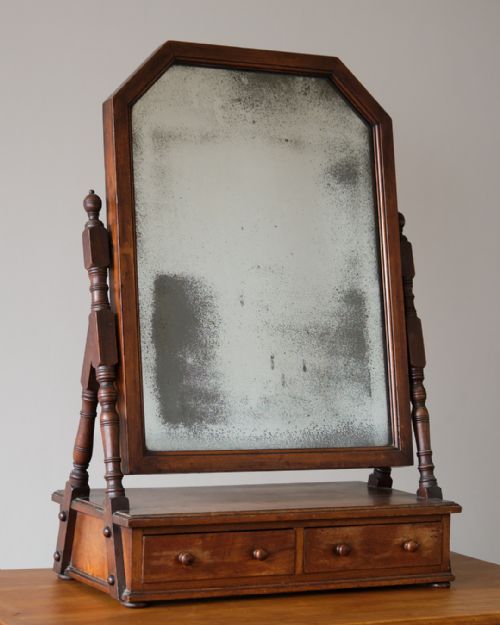
The selections span from the middle of the nineteenth century through the early twentieth century, showing periods including Victorian and Edwardian alongside revival styles such as Queen Anne, Moorish, and French Chateau. Forms range from dressing table mirrors to expansive wall hung pieces intended to bounce light across a parlour.
How They Were Made
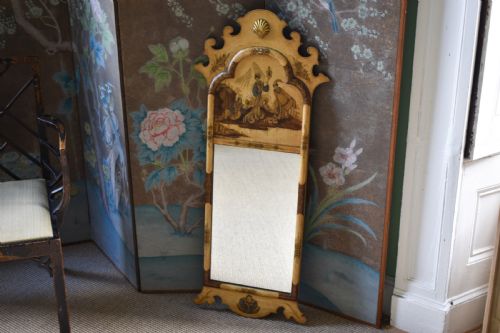
Frames rely heavily on carved wood and gesso, often finished with gold leaf or painted surfaces that catch the light. Cabinetmakers shaped structural timbers such as oak, walnut, and mahogany, applying intricate relief decoration including laurel leaves, tulip motifs, and shaped mouldings.
Glazing involves mirror glass, frequently bevelled at the edges to create a prismatic border. Makers constructed substantial wooden carcases behind the reflective plates to support the weight of large overmantel pieces.
Several mirrors include secret wooden panels that once hid compartment keys for Victorian households.
What Varies in Quality
Quality rests in the crispness of the carved wood and gesso ornamentation, where deep, hand-tooled leaf work and sharp definition distinguish finer examples from softer, mass-produced castings. The weight and stability of the underlying timber frame dictate how well the piece holds its form over decades.
The treatment of the glass plate itself marks another distinction, particularly in the precision of edge bevelling and the clarity of the reflection. Surfaces finished with genuine gold leaf exhibit a warmer, deeper lustre than those coated with standard metallic paint.
Heal & Sons·Liberty & Co
The Edwardian Arched Mirror Glossary
- Gesso
- A plaster-like mixture applied to wood frames to create a smooth surface for gilding or painting. Artisans carved intricate relief patterns directly into this compound.
- Overmantel Mirror
- A large mirror designed specifically to hang on the wall directly above a fireplace mantel. These pieces frequently span the width of the hearth.
- Bevelled Glass
- Mirror glass with edges ground and polished at an acute angle to create a decorative framing effect. This technique catches daylight to cast subtle prismatic colours.
- Tunbridge Ware
- Small-scale decorative wood mosaic work used to ornament surfaces. Makers assembled tiny pieces of differing coloured timbers to form geometric patterns.
- Pier Mirror
- A tall mirror designed to hang on the narrow section of wall between two windows. They often sat above matching console tables to maximise interior light.
Edwardian Arched Mirror: Frequently Asked Questions
Where should an arched mirror be hung?
These mirrors traditionally sit above fireplace mantels, where their curved tops echo the architectural lines of the chimney breast. Placing them opposite a window also maximises the diffusion of natural light across the room.
For smaller dressing table versions or wall-mounted examples, position them at eye level to anchor the surrounding furniture. Ensure the fixings secure directly into wall studs due to the substantial weight of the timber and glass.
How do I clean an antique mirror glass?
Clean the glass gently using a soft cloth and a mild, ammonia-free cleaning solution sprayed onto the cloth rather than the mirror itself. This prevents moisture from seeping behind the glass plate and damaging the silvered backing.
Avoid touching any exposed gesso or gold leaf borders with wet cloths, as historical finishes can be water-soluble. Dust the carved wooden frames regularly with a dry, soft brush.
What is the difference between Victorian and Edwardian mirrors?
Victorian mirrors tend to feature heavier proportions, darker walnut or mahogany timbers, and dense, highly ornate gesso carvings. They often lean towards dramatic scale and elaborate architectural detailing.
Edwardian pieces generally exhibit a lighter aesthetic, incorporating polished oak, simpler lines, and brighter painted finishes. The overall design language shifts toward airiness while retaining traditional craftsmanship.
Can these mirrors be supported safely on modern walls?
Supporting these heavy pieces requires robust hardware attached securely to structural wall supports rather than plasterboard alone. Overmantel mirrors carry significant weight from their thick wooden frames and glass plates.
Consulting a professional art installer ensures the weight distributes evenly across appropriate brackets. Hanging wire should be inspected to confirm it can bear the load safely over time.