

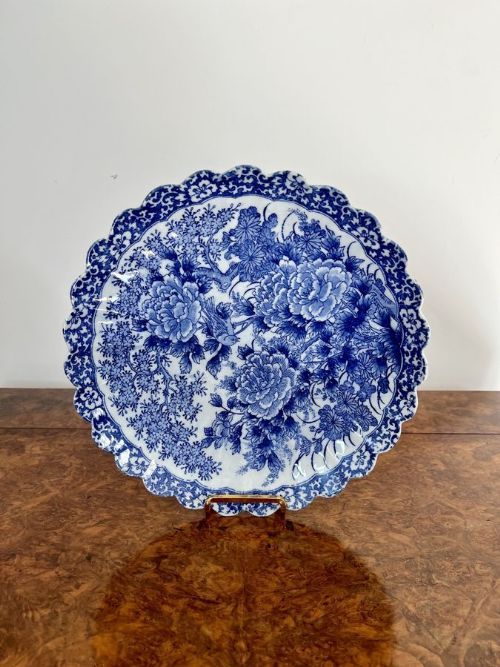

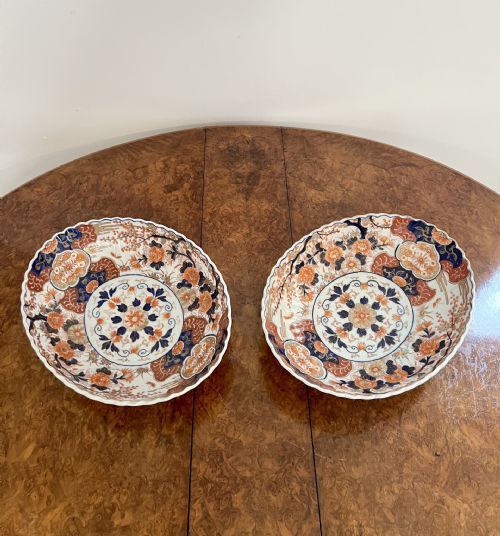


Edo Period Porcelain Dish
An edo period porcelain dish brings centuries of Japanese kiln artistry to a table, offering rich cobalt underglaze and enamel decoration.
Edo Period Porcelain Dish
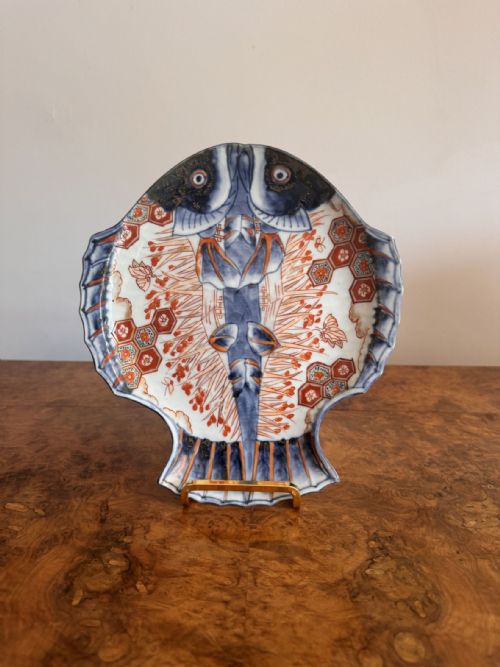
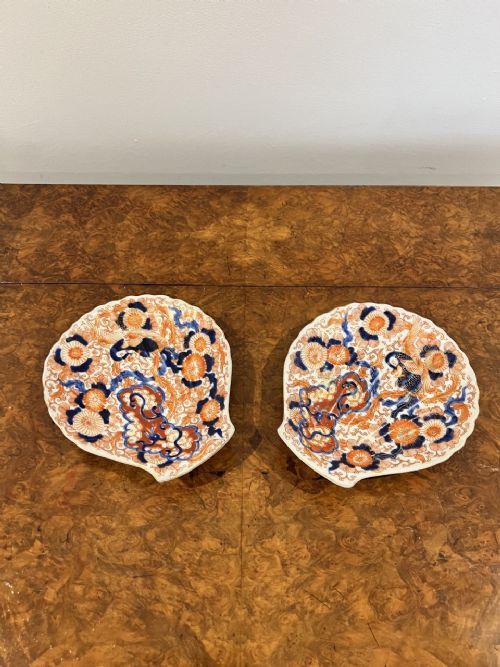
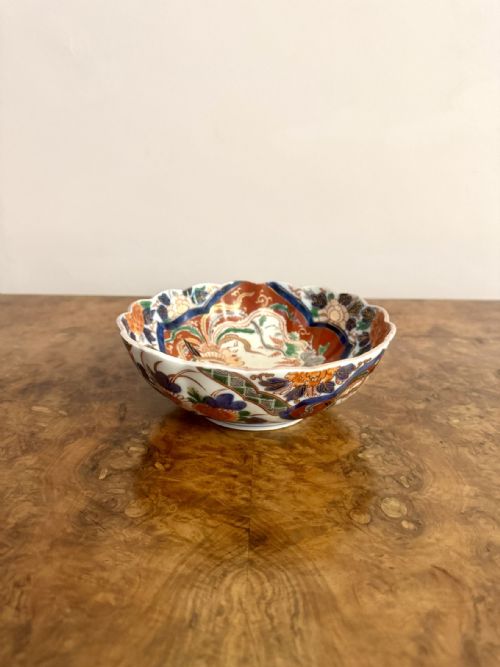
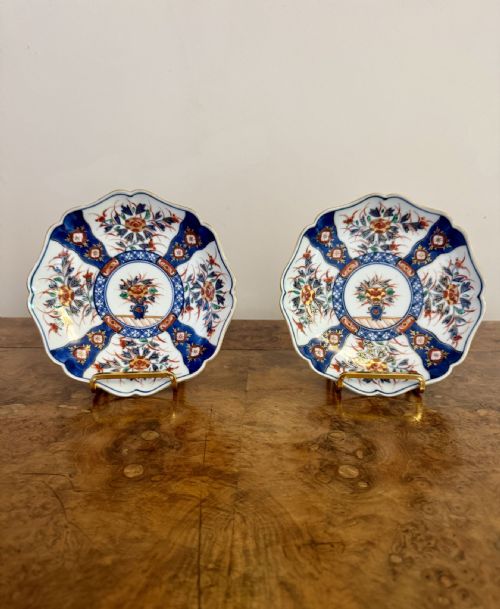
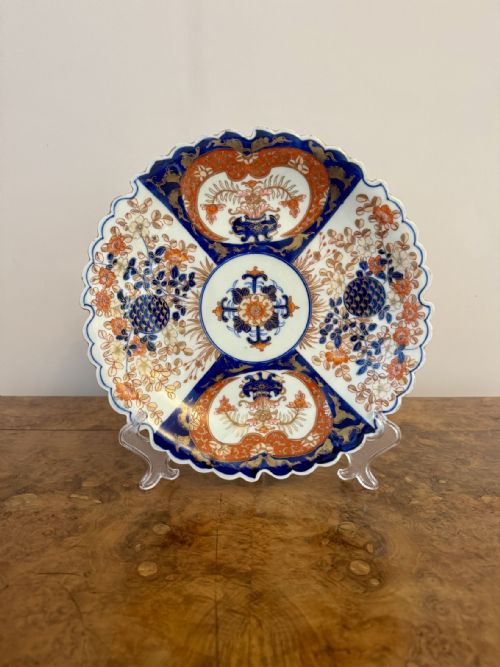
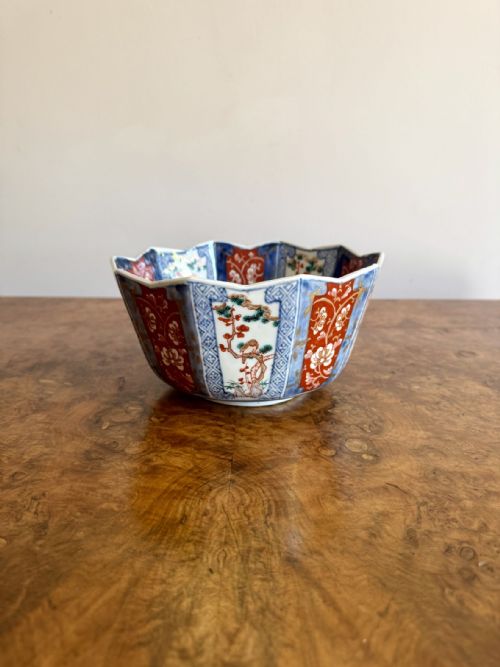
An edo period porcelain dish reflects the refined ceramic production of Japan spanning from the seventeenth to the nineteenth century. Buyers searching for an edo period porcelain dish encounter a variety of forms including chargers, bowls, and plates shaped like fans, shells, fish, and boats.
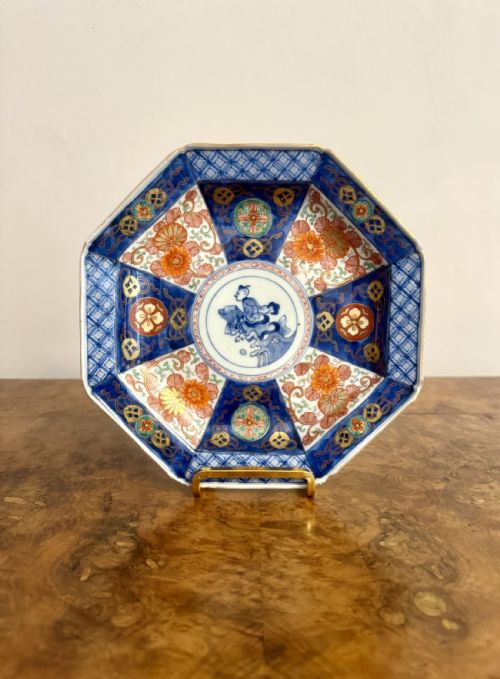
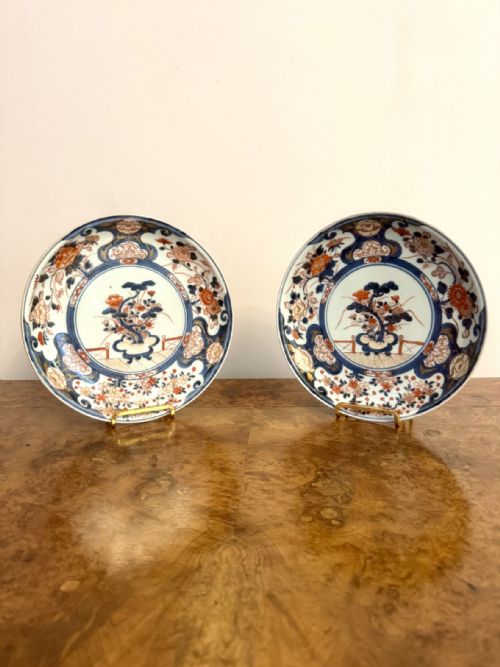
The objects appearing in these selections frequently display Japanese Imari or Arita styles. These pieces combine traditional forms with intricate hand-painted designs that capture the aesthetic priorities of their makers.
Materials and construction
Potters constructed these wares from fine ceramic materials before applying cobalt underglaze and vivid enamel colours. Many examples incorporate gilding or gold leaf to highlight specific details within the painted surface.
Techniques relied on precise kiln firing to set the glaze and fix the intricate patterns. Artisans shaped pieces into standard rounds alongside specialised geometric and natural forms such as hexagonal, scalloped, and clam shell outlines.
Listings feature porcelain pieces spanning the seventeenth, eighteenth, and nineteenth centuries, alongside items from the early twentieth century.
Assessing visual excellence
Excellence in these ceramics rests upon the clarity of the cobalt underglaze and the precision of the hand-painted enamels. Finer examples display controlled brushwork where every motif remains sharp and well-defined against the white porcelain ground.
The ambition of the form also separates standard production from superior pieces. Standard round plates sit alongside complex moulded shapes like fan, fish, and boat designs that demand greater skill from the potter.
The Edo Period Porcelain Dish Glossary
- Imari
- A style of Japanese porcelain decorated in underglaze blue, iron red, and gold. This palette creates a rich, layered appearance across plates and chargers.
- Arita
- The Japanese town where porcelain production flourished during the Edo period. Kilns here produced the fine ceramic dishes traded domestically and abroad.
- Cobalt Underglaze
- A blue pigment applied to the raw clay body before glazing and firing. This method ensures the colour remains protected beneath a glossy finish.
- Charger
- A large decorative plate intended for display rather than standard dining. These substantial pieces showcase the most elaborate painted compositions.
- Enamel
- Opaque glass used to add colour over the fired glaze. Artisans applied these pigments to introduce greens, reds, and yellows to the design.
Edo Period Porcelain Dish: Frequently Asked Questions
How do I date an edo period porcelain dish?
Dating relies on examining the potting style, the characteristics of the glaze, and the palette of the enamel decoration. Records associate specific decorative motifs and kiln origins with particular centuries within the era.
Changes in shape complexity and blue underglaze tone further assist in narrowing the period of production. Comparing the piece against documented examples from the same kiln helps confirm its era.
Were these dishes meant for daily use?
Many larger chargers and intricately shaped vessels served primarily as decorative items in Japanese interiors. Standard plates saw service during meals, while specialised forms held food or functioned as presentation pieces.
The survival of delicate shell and fan shaped dishes suggests that owners valued them as objects of contemplation.
What is the difference between Imari and Arita?
Arita refers to the geographical production centre in Japan where potters first manufactured porcelain. Imari is the port from which these ceramic goods were shipped, which became synonymous with the specific decorative style.
Thus, all Imari wares originate from the Arita region, though not all Arita porcelain utilises the characteristic Imari colour palette.
How should I care for antique porcelain?
Antique ceramics require gentle handling and should be washed by hand in lukewarm water using mild soap when cleaning is necessary. Avoid harsh scrubbers or chemical cleaners that might damage the surface gilding and enamel.
Display the pieces away from areas prone to sudden temperature changes or heavy vibrations to protect the historic ceramic material.