


Edo Period Imari Vase
These robust vessels demonstrate the distinctive palette and form associated with an edo period imari vase, offering strong decorative appeal for collectors.
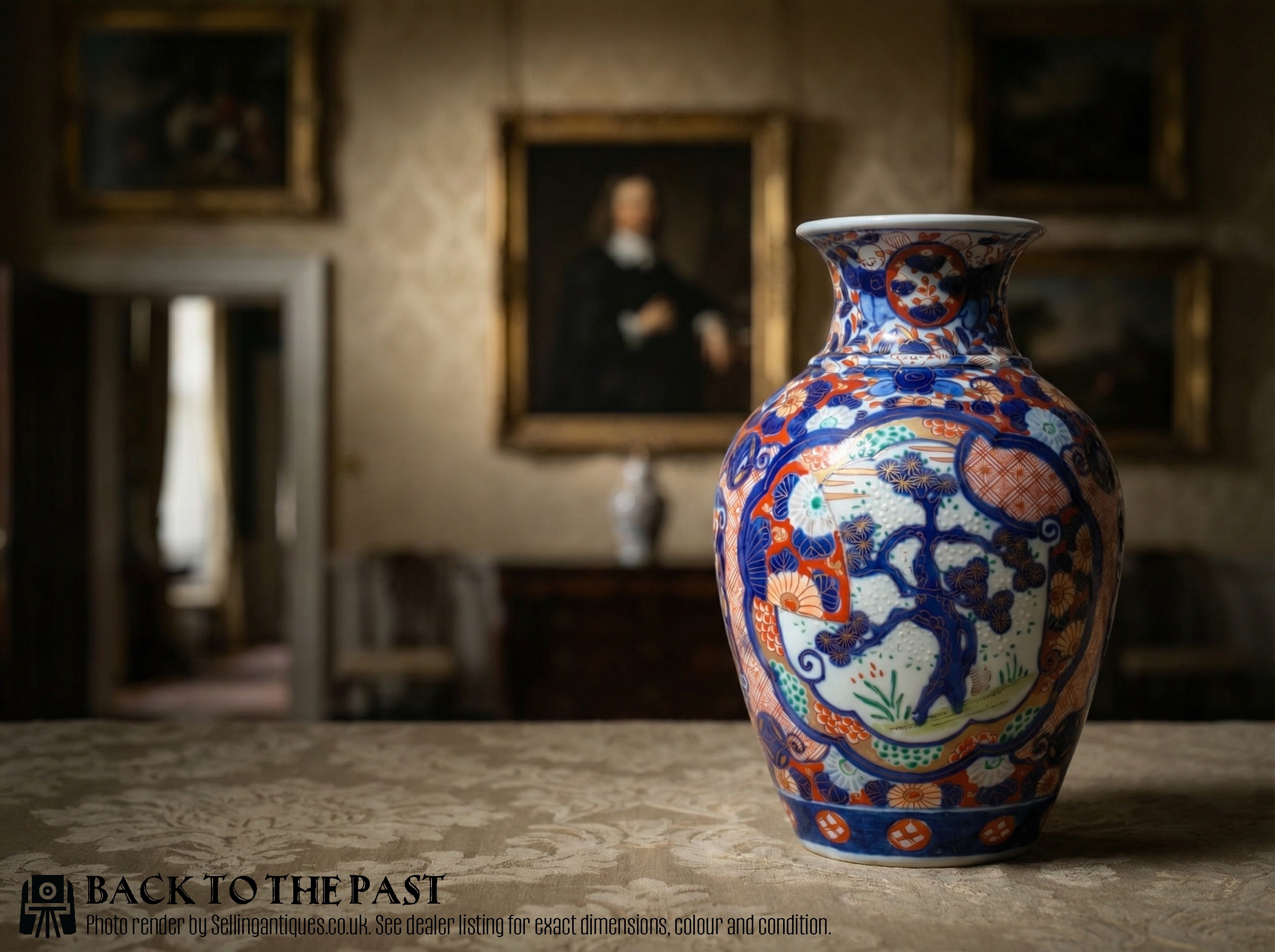
Edo Period Imari Vase
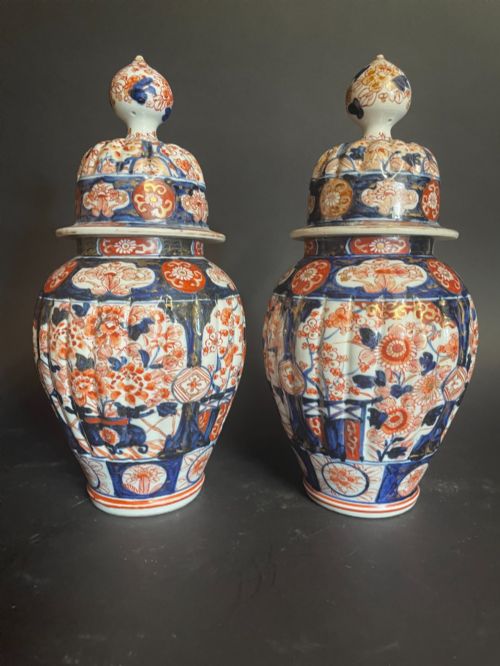
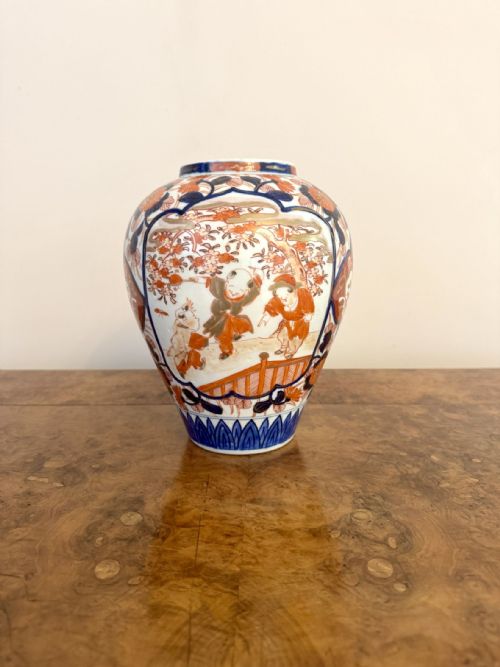
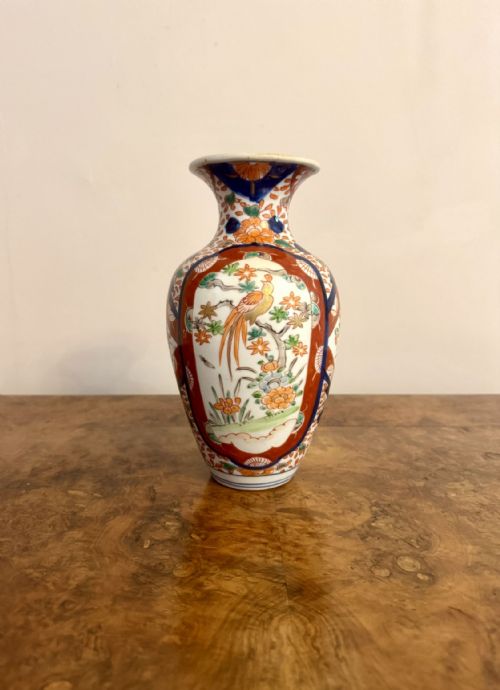
When searching for an edo period imari vase, collectors examine porcelain vessels shaped as baluster vases, lidded jars, and wine bottles. These forms originate from distinct eras spanning the seventeenth century through the nineteenth century, including pieces produced during the Edo period.
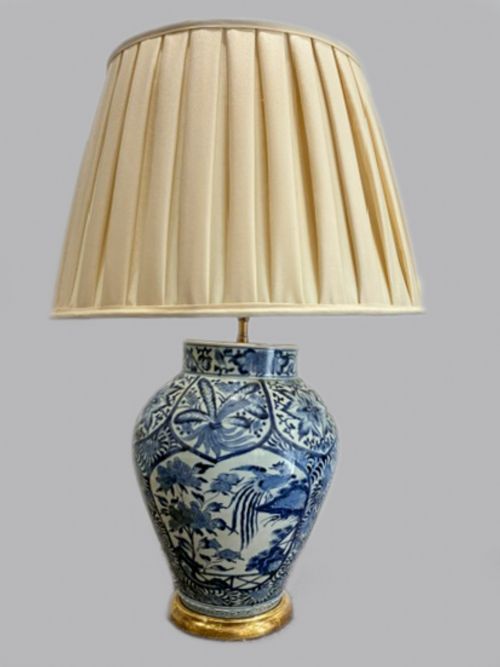
The selection includes matched pairs, garnitures of three, and individual vessels. Many examples arrive shaped as hexagonal, octagonal, or shaped bodies, sometimes adapted into table lamps.
The aesthetic relies on the traditional Japanese Imari palette applied to porcelain bodies. Buyers encounter both single decorative vases and substantial lidded covers.

How they were made
Potters shaped porcelain bodies in Arita, utilising high-firing techniques to create durable vessels. Artisans then applied glaze alongside enamel decoration and occasional gold leaf or gilding.
The decorative schemes combined underglaze blue with iron red and supplementary pigments. Skilled painters handled fine brushwork across shaped surfaces, lidded jars, and baluster forms.
Current listings feature porcelain vases and lidded jars spanning the seventeenth century to the nineteenth century, including converted lamp forms.
What varies in quality
Quality rests in the precision of the hand-painted palette and the clarity of the porcelain body. Superior pieces display crisp enamelling and balanced composition across the panels.
The preservation of the original glaze and any applied gold leaf or gilding dictates the standing of an individual vessel. Pairs and matching garnitures hold particular distinction when uniformly preserved.
The Edo Period Imari Vase Glossary
- Imari palette
- A traditional colour scheme utilising underglaze blue, iron red, and complementary enamel pigments. This palette defines the visual character of the decorated porcelain.
- Arita
- The Japanese town where kilns produced the porcelain vessels. It represents the geographical centre of this ceramic tradition.
- Baluster
- A vase form characterised by a rounded body that tapers toward the base and neck. This shape provides a stable surface for complex painted panels.
- Garniture
- A set of matching vases or jars displayed together as a decorative unit on a mantel or sideboard. These sets typically comprise three or five matching pieces.
- Edo period
- The historical era in Japan spanning from 1603 to 1868. Pieces from this time demonstrate traditional regional craftsmanship.
Edo Period Imari Vase: Frequently Asked Questions
What is an imari vase?
An imari vase is a porcelain vessel decorated in a traditional palette originating from Japanese kilns. These pieces were created for both domestic use and export.
They appear in forms such as baluster vases, lidded jars, and bottles, often featuring detailed painted panels.
How were these vases used?
These vessels functioned primarily as decorative items within elite interiors, often displayed as matched pairs or garniture sets on mantels and tables.
Some later examples were converted into table lamps while retaining their original ceramic bodies.
How do I identify an edo period piece?
Identification relies on examining the porcelain body, the characteristics of the glaze, and the specific composition of the Imari palette.
Records show pieces attributed to the late seventeenth century, eighteenth century, and nineteenth century through stylistic comparisons.
Are lids original to the vases?
Lidded jars and baluster vases often retain their matching covers, particularly within surviving pairs and garniture sets.
Collectors look for consistent wear and matching decorative schemes between the vessel body and its cover.