



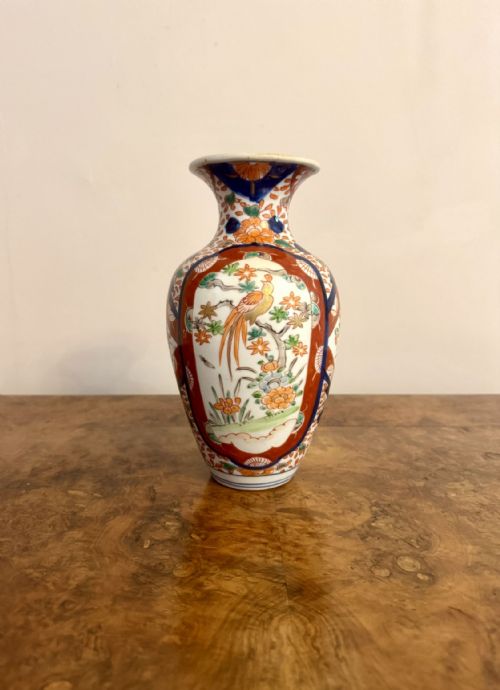
Edo Period Imari Ceramics
Edo period imari ceramics are distinctive Japanese porcelain pieces finished in rich enamels and cobalt underglaze, sought after for their bold palette and decorative utility.
Edo Period Imari Ceramics
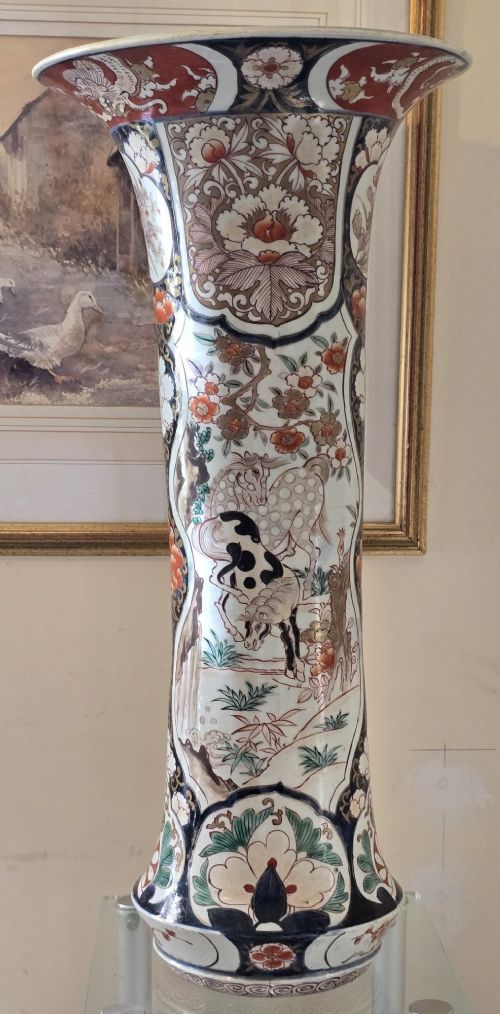
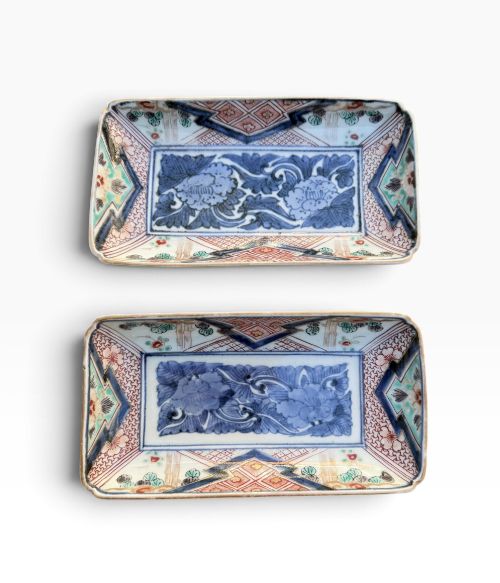
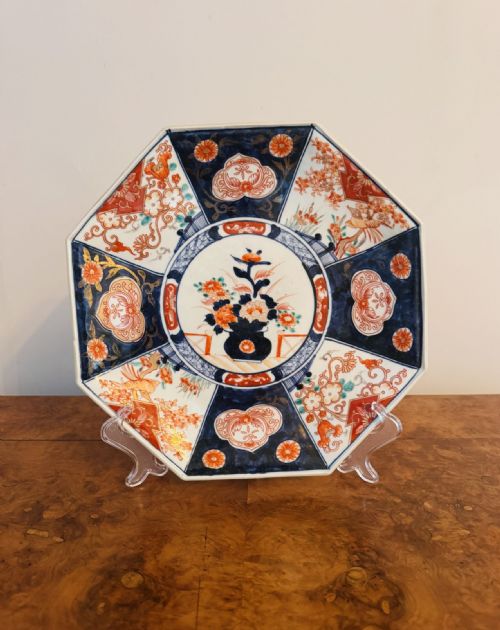
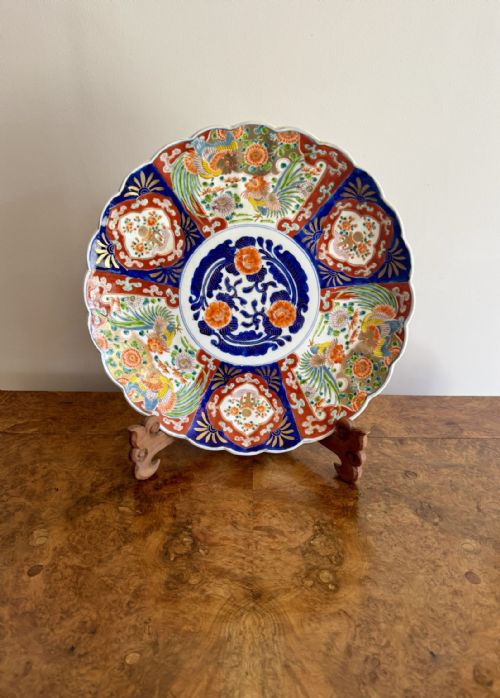
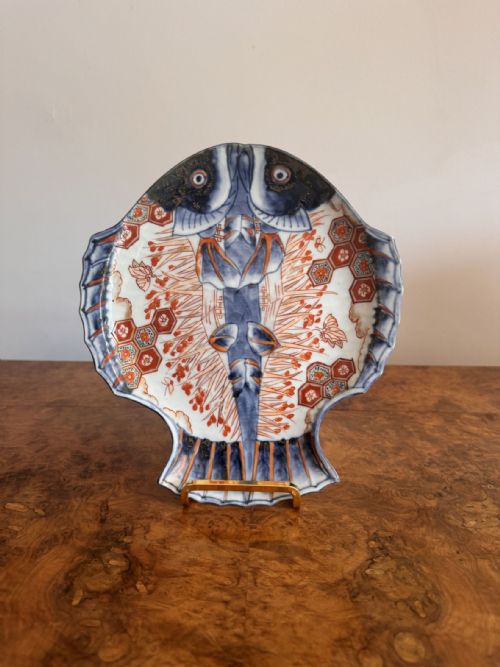
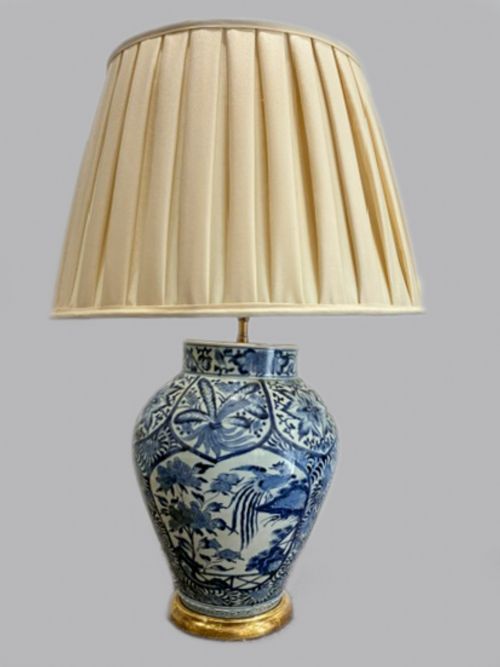
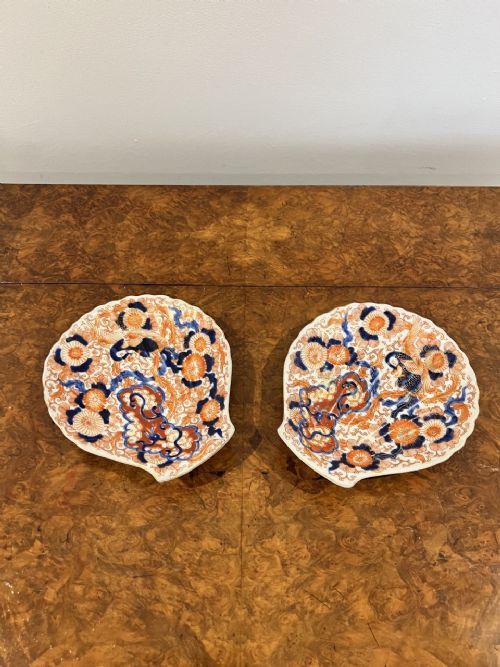
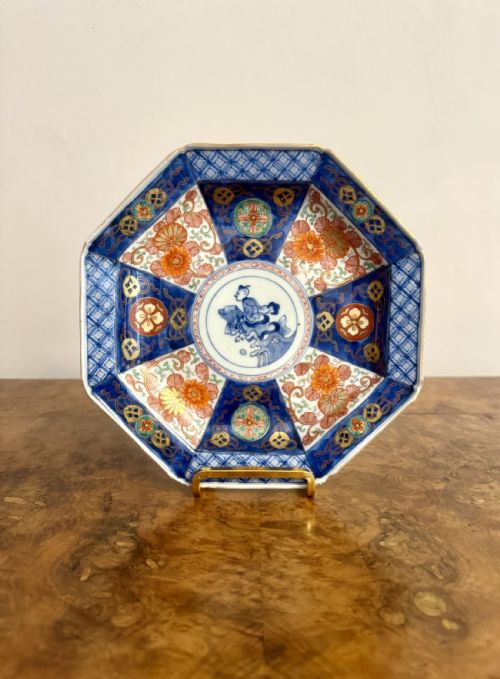
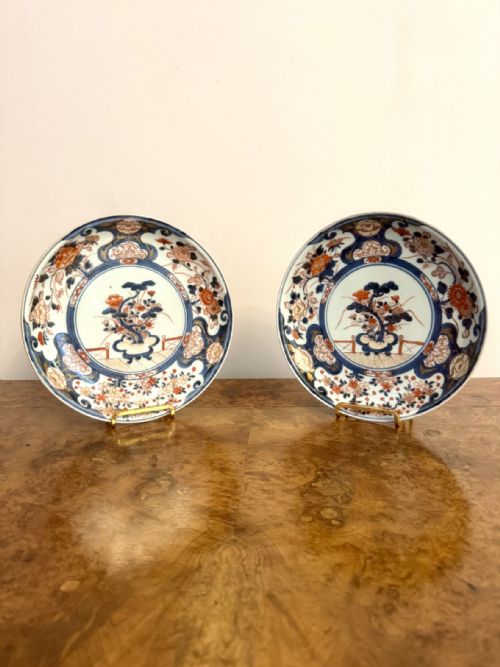
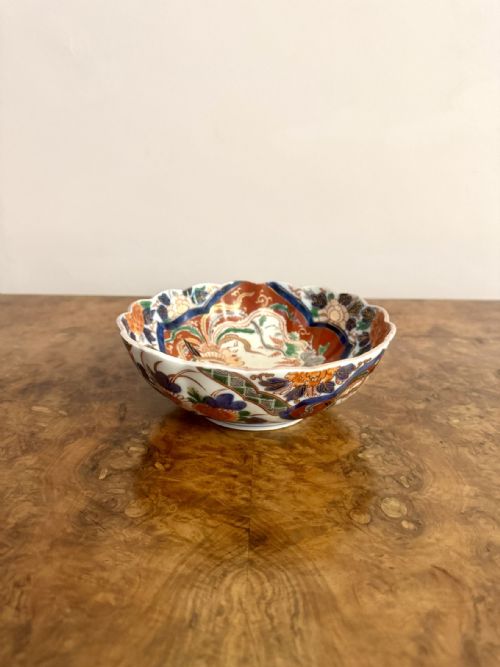
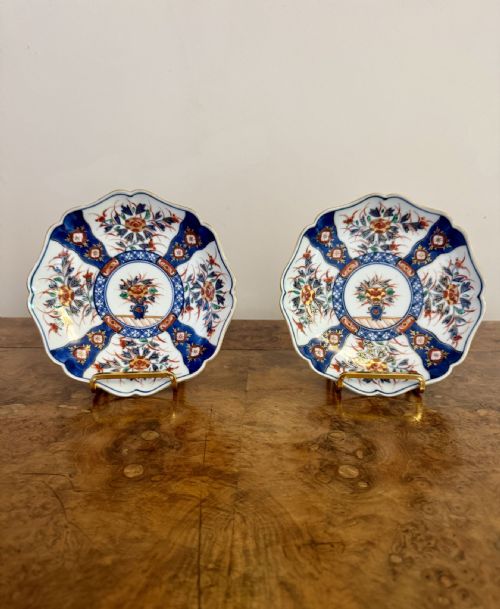
Edo period imari ceramics encompass a varied selection of porcelain vessels and plates produced in Japan during the seventeenth, eighteenth, and nineteenth centuries. The pieces represented here range from chargers and jars to jardinières, bowls, and shaped dishes formed as fish, clams, and hexagons.
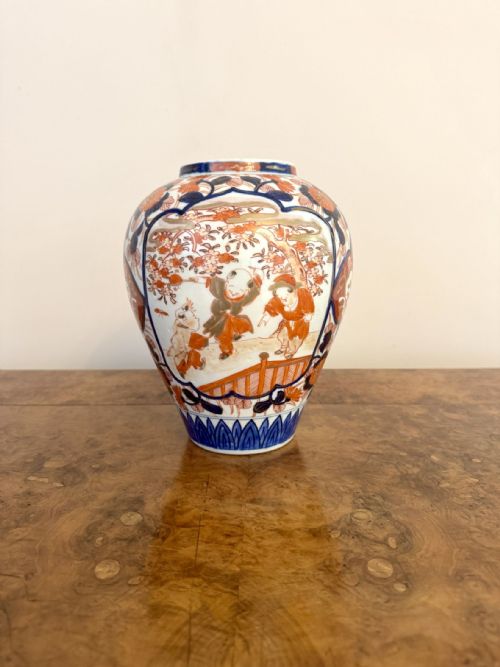
Buyers encountering this selection will most frequently meet decorative plates and bowls alongside vases dating to the nineteenth century and earlier. Forms vary from scalloped edge dishes to large lidded garnitures and square plates designed for display.
Originating primarily from Arita, these ceramics capture the aesthetic traditions of Japanese craftsmanship across multiple periods, including pieces attributed directly to the Edo era and associated Meiji overlaps.
How They Were Made
The manufacture of these ceramics relies upon porcelain clay shaped into specific vessels, plates, and sculptural forms like fish and shells. Artisans applied cobalt underglaze beneath clear glazes to establish foundational blue designs.
Enamel colours and surface details, occasionally incorporating gold leaf, gilding, and intricate hand painting, were added over the glaze. Firing these works required precise kiln control to fix the dense pigments and ceramic bodies.
Artisans occasionally shaped porcelain plates into swimming fish and clams, ensuring dinnerware doubled as marine sculpture.
What Varies in Quality
Quality in these ceramics rests upon the precision of the hand painting and the clarity of the cobalt underglaze against the enamel and gilt highlights. Superior examples display crisp outlines, balanced compositions, and well-defined moulded forms such as scallop edges or clam shell contours.
The ambition of the object shapes further distinguishes the range, moving from standard circular plates to complex hexagonal vessels, fish forms, and matched garnitures. The richness of the applied palette and the refinement of the porcelain body separate standard production pieces from exceptional works.
The Edo Period Imari Ceramics Glossary
- Cobalt Underglaze
- A blue pigment applied to the raw ceramic body before glazing and firing. This mineral pigment withstands high kiln temperatures and forms the deep blue foundational patterns characteristic of many pieces.
- Arita
- The Japanese town and surrounding region centred on the production of porcelain. Artisans here produced the bulk of the wares exported through Imari.
- Garniture
- A set of matching vases or jars designed to be displayed together on a mantelpiece or cabinet. These sets often comprise three or five coordinated vessels.
- Tokuri
- A traditional Japanese bottle typically used for serving sake. These ceramic flasks feature narrow necks and bulbous bodies.
Edo Period Imari Ceramics: Frequently Asked Questions
How do I date an imari plate?
Dating relies upon stylistic markers, potting techniques, and the composition of the enamels and cobalt underglaze. Earlier seventeenth and eighteenth-century examples often exhibit heavier bodies and specific iron-red hues compared to later nineteenth-century productions.
Examining the foot ring and the manner of hand painting provides further clues regarding the era of manufacture. Consultation with historical records and comparison with documented pieces help narrow the timeframe.
Are these pieces suitable for daily use?
Most antique ceramics of this age serve primarily as decorative objects rather than utilitarian tableware. The delicate enamels and surface gilding can wear down with frequent handling and washing.
Displaying them on walls, in cabinets, or on dedicated stands preserves their physical condition. Gentle dusting with a soft, dry cloth is sufficient for maintenance.
What is a garniture set?
A garniture set is a matching group of vases or jars produced to be displayed as a decorative ensemble. These arrangements typically include three or five vessels of graduated sizes.
Such sets were popular for interior decoration in grand interiors during the seventeenth and eighteenth centuries. Keeping the pieces together maintains their historical and visual integrity.
How do I distinguish Arita from Imari?
Arita refers to the production location where the porcelain clay was mined and fired in Hizen province. Imari refers to the port from which these finished wares were shipped to domestic and international markets.
Consequently, most imari ceramics are actually Arita wares. The terms are often used interchangeably by collectors to describe the same tradition of Japanese porcelain.