

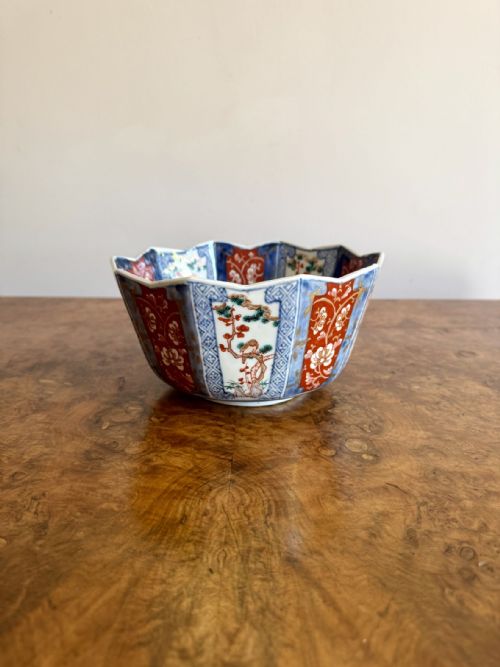


Edo Period Arita Porcelain
These pieces of edo period arita porcelain bring centuries of Japanese kiln craft into the home through decorative plates, bowls, and vases.
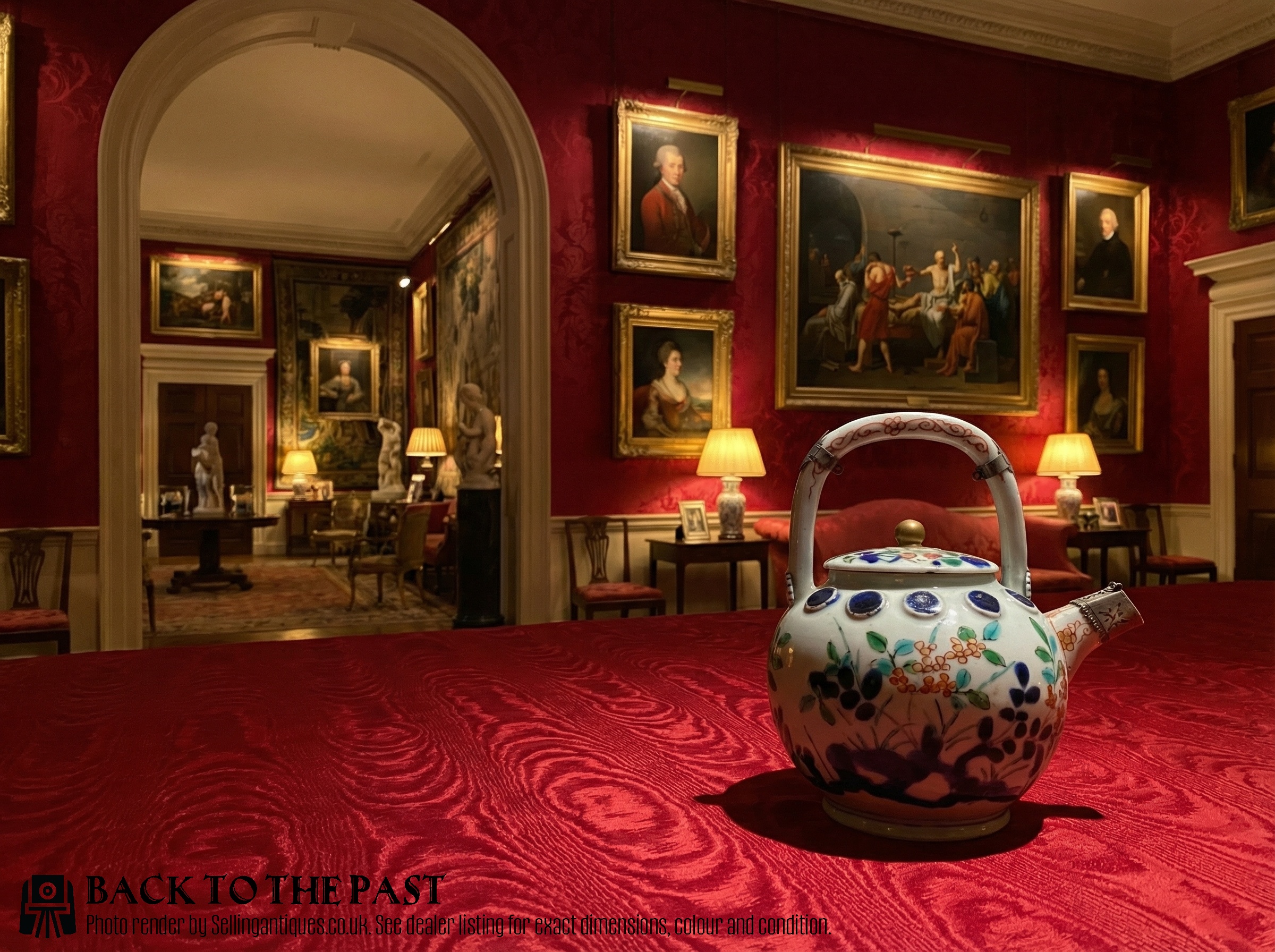
Edo Period Arita Porcelain
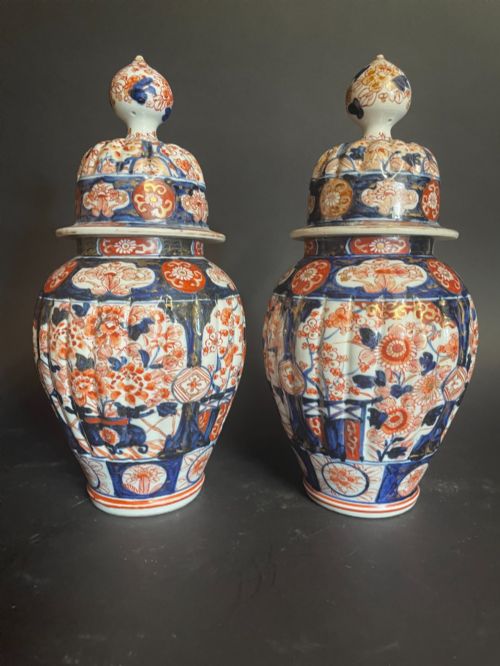
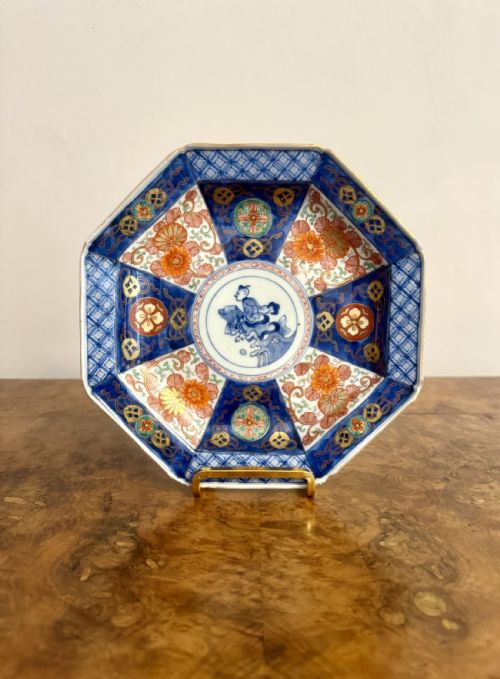
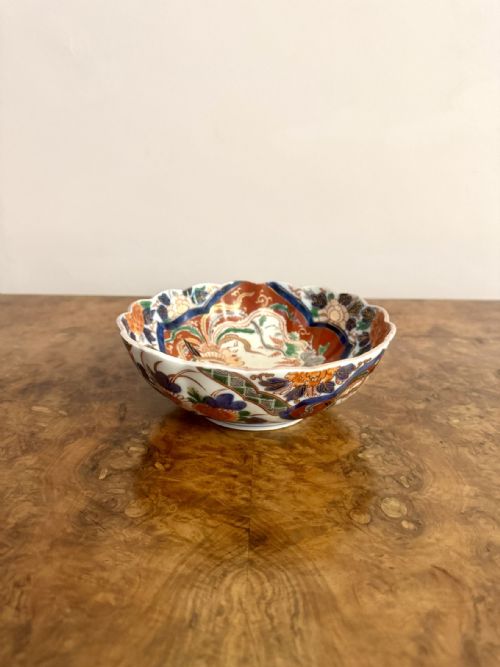
When you search for edo period arita porcelain, you encounter ceramic vessels and tableware originating from the Hizen province in Japan, spanning centuries of production. The forms on this page include decorative plates, bowls, chargers, and lidded jars alongside larger jardinieres and bottle vases.
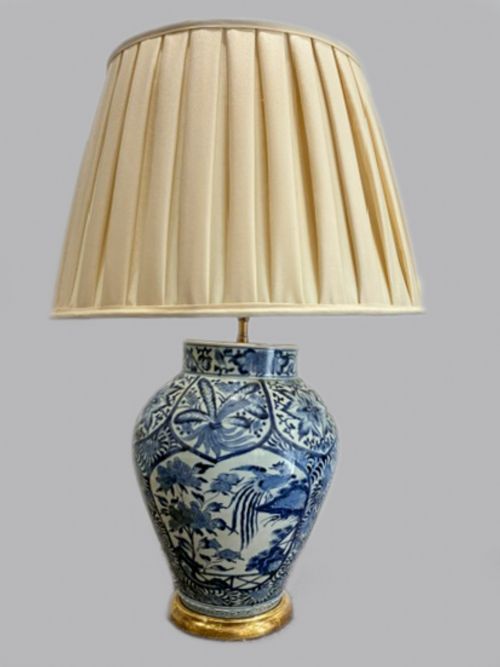
You are most likely to meet pieces decorated in the Imari palette alongside blue and white designs. These items range from standard circular dishes to hexagonal, octagonal, fan-shaped, and clam shell vessels created for domestic use or export.
How they were made
The makers formed these vessels from local clay and fired them at high temperatures to produce durable porcelain. Potters then applied cobalt underglaze pigments before the initial firing to create deep blue linear motifs.
Enamel colours and gold leaf were often added over the glaze during secondary firings to achieve the rich Imari palette characteristic of many pieces. Some objects also incorporate brass fittings or silk elements added during later conversions, such as lamps.
Listings feature porcelain forms spanning the seventeenth, eighteenth, nineteenth, and twentieth centuries, alongside specialised shapes like clam shell dishes and fan-shaped plates.
What varies in quality
The sophistication of the painted detail separates ordinary items from superior examples. Precision in the cobalt underglaze brushwork and the careful application of enamel and gold leaf dictate the visual harmony of a dish or vase.
Form and moulding also define the better examples, particularly on unusual shapes such as scalloped edges, fan-shaped plates, and clam shell dishes. The crispness of the porcelain body and the balance of the composition govern overall success.
The Edo Period Arita Porcelain Glossary
- Imari
- A decorative style originating in Hizen and shipped through the port of Imari, typically combining cobalt blue, iron red, and gold on porcelain. This palette became prominent during the Edo period.
- Aka-e
- Red-painted ware featuring iron-red enamel decorations over the glaze, often combined with other colours. It defines specific porcelain dishes from the late seventeenth century.
- Garniture
- A set of matching vases or jars designed to be displayed together on a mantelpiece or cabinet. These groupings usually comprise three or five pieces.
- Rolwagen
- A cylindrical tall vase shape produced in Arita during the seventeenth century. The name derives from the Dutch trade term for rolling wagon.
- Jardiniere
- A large ornamental pot or container intended for holding plants or flowers. These ceramic vessels often stand on furniture or floors.
Edo Period Arita Porcelain: Frequently Asked Questions
What is edo period arita porcelain?
This category encompasses ceramic items produced in the Hizen region of Japan while the Edo shogunate governed the country. The output includes dishes, bowls, and vases made for both local markets and European export.
Kilns in this area pioneered techniques in underglaze blue and polychrome enamels, establishing traditions that endured for generations.
How do I date these pieces?
Dating relies on stylistic clues, palette characteristics, and form variations recorded across different decades and centuries. Seventeenth-century examples often display distinct potting traits and cobalt tones compared to later nineteenth-century interpretations.
Examining the foot ring, glaze texture, and painting style helps place an object within the broader Edo timeline.
Were these porcelain items used daily?
Many plates, bowls, and dishes served functional roles in Japanese households or dining settings before entering the collector market. Larger pieces like jardinieres and garnitures functioned primarily as decorative interior furnishings.
Export wares likewise fulfilled both display purposes and dining requirements in European homes.
How should I display arita porcelain?
These pieces suit placement on wooden tables, inside glass cabinets, or upon mantels where their colours can be appreciated. Garnitures look best arranged as matched sets across a surface.
Care should be taken to place heavier items like jardinieres and large vases on stable, level furniture.