



Japanese Enamelled Porcelain Dishes
Japanese enamelled porcelain dishes bring vibrant colours and intricate patterns to a room, offering a rich variety of styles from Satsuma bowls to Imari chargers.
Japanese Enamelled Porcelain Dishes
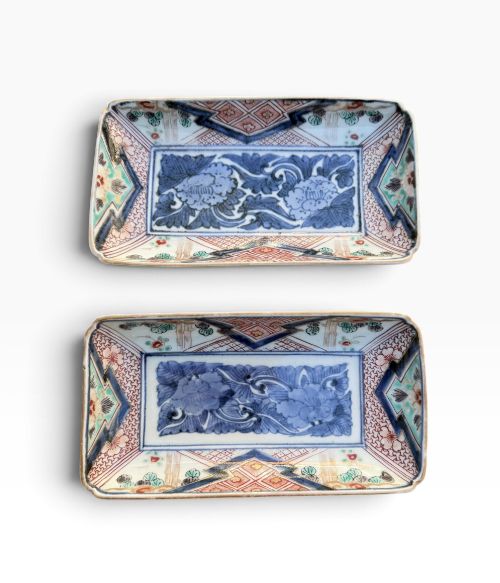
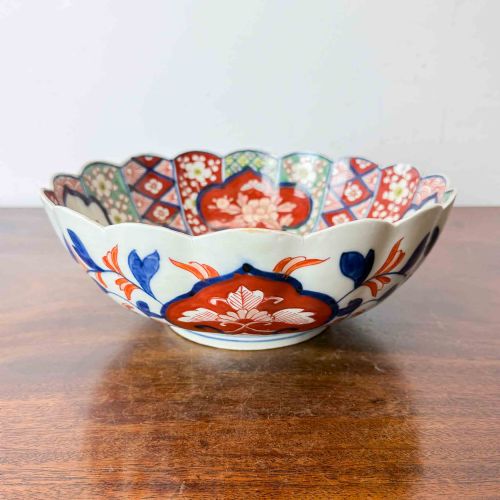
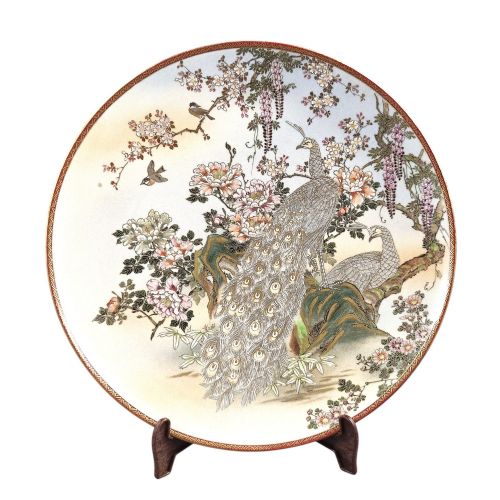
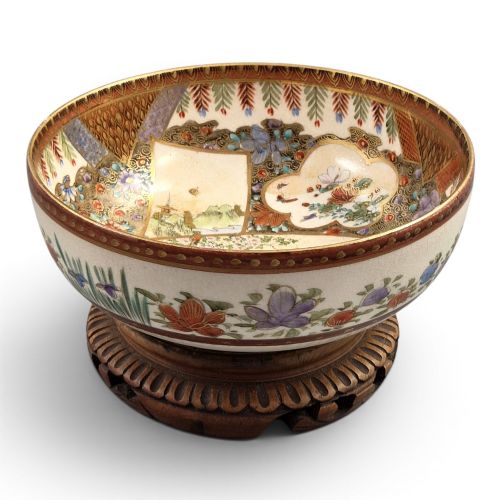
When you examine Japanese enamelled porcelain dishes, you find forms ranging from miniature bowls to large chargers and decorative plates. The selection includes Imari patterns, Kutani ware, Satsuma pottery, and Arita pieces.
Most examples you encounter date from the Meiji period and the nineteenth century, though earlier Edo period pieces also appear. These items function primarily as decorative vessels, displayed on walls, tables, or stands.
The objects span shallow bowls, scallop edge dishes, and large chargers featuring hand-painted motifs, gilt highlights, and intricate multi-figure scenes.
How they were made
Craftsmen shaped porcelain and earthenware bodies before applying enamel paints, gold leaf, and gilt details by hand. Certain pieces incorporate metal wire and totai shippo cloisonne tree bark techniques.
Kiln firing set the porcelain and enamel colours, after which artists often added fine linear work and signed their creations.
Japanese Enamelled Porcelain Dishes Retail Price Guide 2026
Typical asking prices for japanese enamelled porcelain dishes among the pieces listed under this phrase on Sellingantiques today, from the lower quarter to the upper quarter. They describe what is for sale here now, not the wider market.
Clam shell dishes from the Edo period bring a touch of coastal realism straight to the cabinet.
What varies in quality
The distinction between standard items and exceptional works lies in the precision of the hand painting, the complexity of the enamelling, and the presence of artist signatures such as Kozan, Meizan, or Shozo. Rich application of gold leaf and intricate multi-figure compositions elevate certain chargers and bowls above simpler productions.
Condition also plays a role, with intact surfaces and well-preserved gilding marking the superior examples across Imari, Kutani, and Satsuma wares.
Kozan·Meizan·Shozo
The Japanese Enamelled Porcelain Dishes Glossary
- Imari
- A style of Japanese porcelain featuring a palette of underglaze blue, iron red, and gilt highlights. These wares were produced in Arita and exported widely.
- Kutani
- A type of Japanese porcelain and pottery known for bold enamel colours and intricate pictorial designs. Kutani pieces often feature detailed figural or natural scenes.
- Satsuma
- Earthenware pottery with a finely crackled ivory glaze decorated with enamels and gilding. Satsuma ware frequently depicts elaborate scenes with figures, flowers, and birds.
- Totai shippo
- A technique where enamel is applied directly onto a porcelain or ceramic body rather than a metal base, often creating a textured surface resembling tree bark.
- Charger
- A large decorative plate intended for display on a wall or sideboard rather than for serving food at table.
Japanese Enamelled Porcelain Dishes: Frequently Asked Questions
How do I display a large charger safely?
Large chargers require sturdy wall hangers specifically designed for heavy ceramic plates, or specialised table stands with a secure base.
Ensure the mounting hardware fastens firmly into wall studs to support the weight of nineteenth-century porcelain.
What is the difference between Imari and Kutani?
Imari wares typically rely on a distinct palette of underglaze blue, iron red, and abundant gold, often featuring geometric and floral borders.
Kutani pieces tend to use a wider range of heavy enamel colours with detailed narrative scenes or natural motifs.
Are these dishes meant for daily use?
Antiques with delicate enamel work and gilt highlights suit decorative display rather than daily dining or food service.
Hand-washing gently in lukewarm water preserves the fragile enamel and gold leaf if cleaning becomes necessary.
How can I identify a Meiji period piece?
Meiji period items often exhibit dense, intricate ornamentation such as millefleur patterns, moriage relief work, or artist signatures.
Production during this era between eighteen sixty-eight and nineteen twelve marked a peak in detailed decorative export wares.