






Vintage Japanese Ceramic Dishes
These vintage japanese ceramic dishes bring hand-painted Meiji and Edo artistry to the table, offering collectors historic porcelain forms with deep cobalt underglaze and rich gilding.
Vintage Japanese Ceramic Dishes
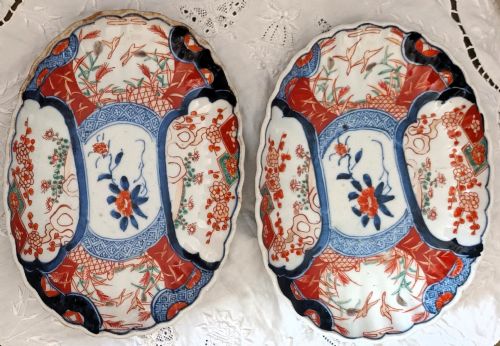
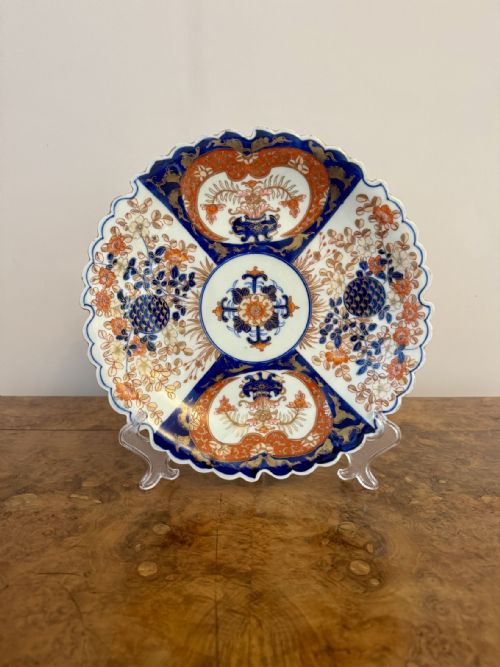
When you search for vintage japanese ceramic dishes, you encounter plates, bowls, chargers, and platters spanning the eighteenth to the early twentieth century. The selection leans heavily toward nineteenth-century Meiji period production alongside earlier Edo examples.
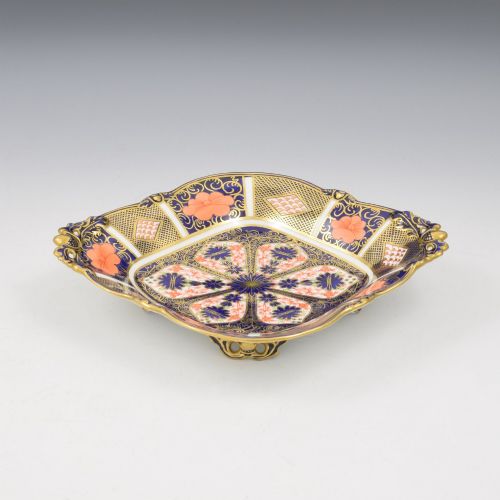
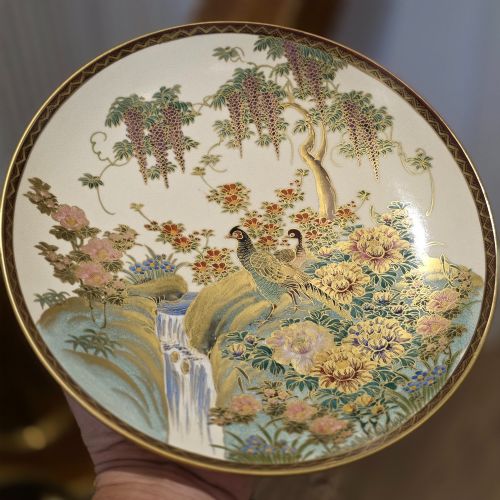
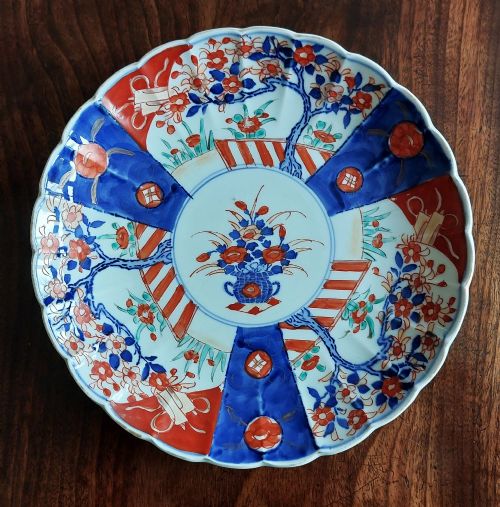
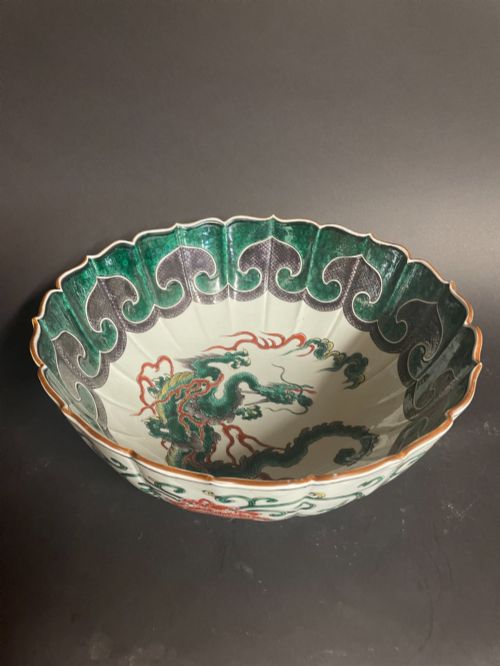
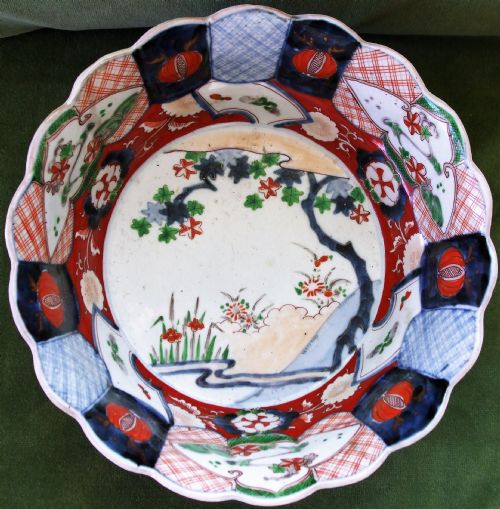
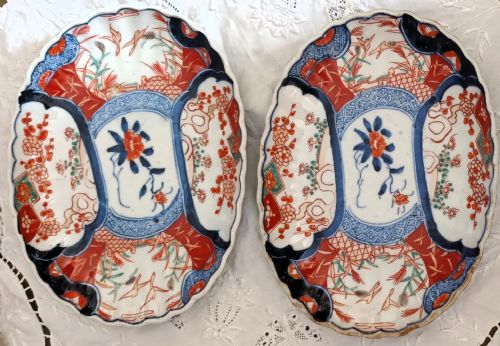
Imari wares dominate the offerings, appearing as scalloped plates, square dishes, and large wall chargers decorated in traditional palettes. Alongside these are Kutani and Satsuma wares, demonstrating the breadth of forms originating from historic kilns.
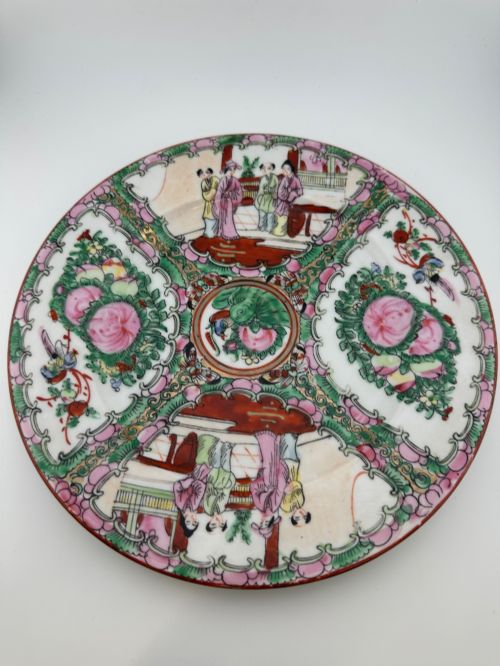
Pieces range from intimate shell dishes to large chargers depicting mythological figures such as the Seven Lucky Gods. Everyday serving forms and decorative platters alike reflect the refined hand-painted aesthetics of their respective periods.
Materials and production methods
Potters relied on fine porcelain bodies shaped by hand or wheel, often finished with distinctive scallop, square, or hexagonal edges. These forms were then painted using cobalt underglaze pigments before the initial firing.
Secondary decoration frequently involved enamel colours and gold leaf or gilding applied over the glaze. Subsequent low-temperature firings fixed these metallic and enamel details to the surface, creating the characteristic rich contrasts found on Imari and Kutani pieces.
Materials recorded across the inventory include cobalt underglaze, enamel, gold leaf, and gilt applied to ceramic bodies.
Factors of distinction
Quality rests upon the precision of the hand-painted brushwork and the vibrancy of the cobalt underglaze and enamel pigments. Pieces exhibiting crisp detail, well-balanced compositions, and generous application of gold leaf stand apart from simpler commercial output.
The sophistication of the ceramic body and the crispness of moulded or cut edges also dictate standing. Finer examples show careful control during kiln firing, resulting in unblemished surfaces and harmonious integration of traditional motifs.
Koshida·Royal Crown Derby
The Vintage Japanese Ceramic Dishes Glossary
- Imari
- A style of Japanese porcelain decorated in underglaze blue, iron red, and gilt. It originated in the Hizen province and was exported extensively through the port of Imari.
- Meiji Period
- The era of Japanese history lasting from 1868 to 1912, marked by the opening of trade with the West and a flourishing of decorative arts for export.
- Edo Period
- The period between 1603 and 1867 governed by the Tokugawa shogunate, known for the establishment of traditional craft centres like Arita.
- Charger
- A large decorative plate or platter traditionally used for ceremonial display rather than daily dining. These substantial pieces often form the centrepiece of a collection.
- Underglaze
- A decoration applied to ceramic ware before it is glazed and fired at high temperature. This technique protects the pigment beneath a durable glassy layer.
Vintage Japanese Ceramic Dishes: Frequently Asked Questions
How do I date these dishes?
Dating relies on stylistic markers, materials, and historical periods such as the Edo or Meiji eras. Examining the style of the cobalt underglaze and enamel work provides further clues.
Porter marks, where present, help narrow down the decade of production. Comparing the potting technique with known examples from the same kiln completes the picture.
What is the difference between Imari and Kutani?
Imari pieces traditionally feature a distinct palette of cobalt blue, iron red, and gold on a white porcelain ground. They often display geometric and floral panel designs.
Kutani wares generally showcase a different artistic approach, frequently emphasising bold pictorial scenes with heavy gold accents over vibrant enamels. Both represent distinct traditions within Japanese ceramic history.
Can I use these antique dishes for serving food?
While these pieces were originally created as functional ceramics or decorative chargers, many owners prefer to reserve them for display. Hand-washing is essential to protect delicate gilding and enamels.
Enamels applied over the glaze can be sensitive to modern detergents and abrasive scrubbing. Careful handling preserves the historic painted surfaces for the future.
Why are some plates square or hexagonal?
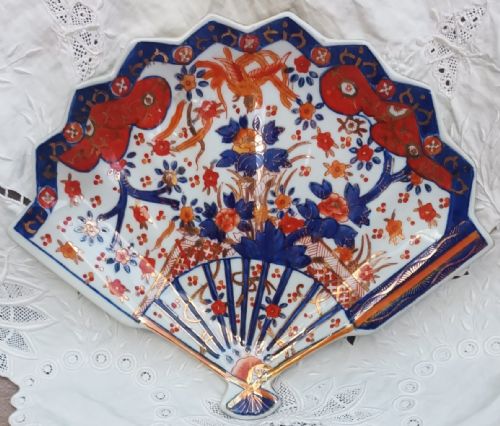
Potters shaped certain dishes into squares, hexagons, or clam shells to mimic traditional lacquerware and metal vessels. These forms required advanced skill during both shaping and firing.
Geometrical shapes offered a different canvas for painters, allowing them to adapt traditional motifs like peonies and cranes to angular borders.