



Green Enamelled Porcelain Plate
These green enamelled porcelain plate examples offer striking painted colour and fine ceramic forms that bring historical craftsmanship directly to your dining table.
Green Enamelled Porcelain Plate
When searching for a green enamelled porcelain plate, collectors encounter a diverse selection spanning centuries of Asian and European ceramic traditions. The available inventory showcases various forms from decorative chargers and dishes to armorial plates and teaware.
The pieces originate predominantly from Chinese export workshops and Japanese kilns, alongside select European output. Dates stretch from the late seventeenth century through the nineteenth century, reflecting enduring global demand for hand-painted porcelain.
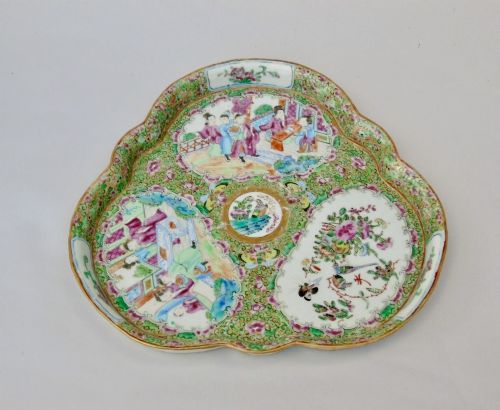
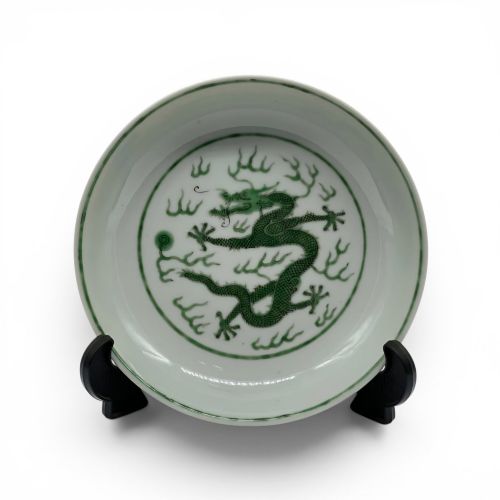
Buyers will most frequently meet nineteenth-century Chinese Canton wares and Japanese Kutani or Arita dishes on this page. These wares often feature detailed botanical or dragon motifs executed in vibrant overglaze pigments.
Materials and manufacture
The foundation of these items is hard-paste porcelain, fired at high temperatures to create a dense, vitrified body. Artisans then applied enamel glazes by hand, using mineral pigments suspended in a glass flux to achieve the characteristic green coloration.
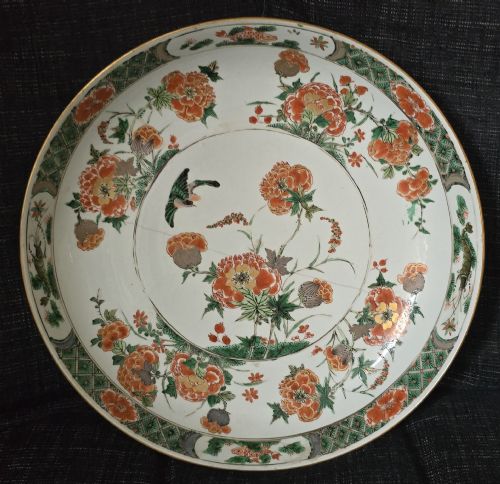
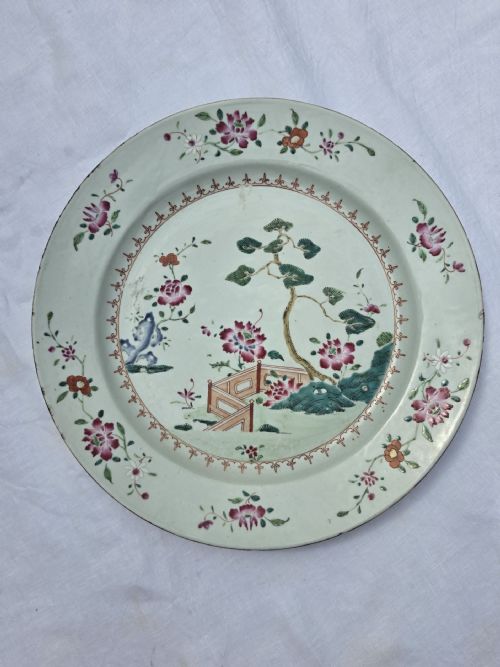
Many examples incorporate secondary decorative elements such as gilding, gold leaf, and contrasting overglaze enamel colours like famille rose and famille verte. These metallic and polychrome additions highlight specific details within the painted design, adding depth to the surface.
Green Enamelled Porcelain Plate Retail Price Guide 2026
Typical asking prices for green enamelled porcelain plate among the pieces listed under this phrase on Sellingantiques today, from the lower quarter to the upper quarter. They describe what is for sale here now, not the wider market.
Among the historical offerings, an early nineteenth-century set charmingly records patterns known to makers as the crazy cow or Bengal tiger.
Factors determining quality
The refinement of the painted brushwork dictates much of the visual success in these ceramics. Crisp, controlled lines and deliberate colour application distinguish superior examples from standard production pieces.
The purity of the porcelain body and the stability of the glaze significantly influence the piece. Even firing and an absence of distracting kiln flaws denote careful manufacture by the potter.
The Green Enamelled Porcelain Plate Glossary
- Overglaze enamel
- A decorative technique where coloured glass pigments are painted onto a previously fired and glazed porcelain surface before undergoing a second, lower-temperature firing. This method allows for a brilliant palette of greens, pinks, and yellows that sit slightly proud of the white ceramic body.
- Hard-paste porcelain
- A dense, durable ceramic composed of petuntse and kaolin clay, fired at very high temperatures. It rings when struck and does not absorb liquids even if unglazed.
- Aka-e
- A Japanese term meaning red pictures, though it frequently encompasses plates featuring multi-coloured overglaze enamel work including greens and golds. The style gained prominence during the Edo period.
- Armorial porcelain
- Ceramic wares commissioned by European families to display their specific coats of arms. These custom orders were typically manufactured in China for export.
- Charger
- A large decorative plate or dish intended primarily for display on a sideboard or wall rather than for serving food.
Green Enamelled Porcelain Plate: Frequently Asked Questions
How were these plates used historically?
Many of these pieces served practical dining functions in wealthy households, particularly armorial services and standard dinner plates. Larger chargers and decorated dishes were often utilised for display on sideboards or hung on walls to demonstrate status.
Over time, delicate export wares transitioned into collector's items rather than everyday tableware. Their surviving condition often reflects this careful preservation away from heavy domestic service.
Can I use these plates for dining today?
While these ceramics remain functional objects, historical overglaze enamels can wear down with modern abrasive cleaning and cutlery use. Collectors generally prefer to exhibit them rather than risk damage to the hand-painted surfaces.
Hand washing with mild soap is essential if you choose to use them for special occasions. Dishwashers and microwaves will quickly ruin the delicate gilding and enamel pigments.
How do I identify the period of a piece?
Dating relies on examining the characteristics of the porcelain paste, the style of the hand-painted motifs, and the specific palette of the enamel glazes. Familiarity with standard kiln outputs from Qing dynasty China or Edo and Meiji period Japan provides a reliable baseline.
Comparing potting styles, foot rings, and secondary marks helps narrow down the century of manufacture. Subtle shifts in decorative density indicate the chronological evolution of these wares.