


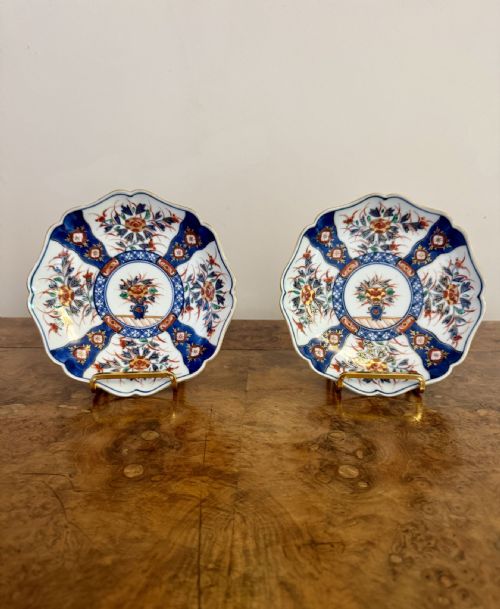
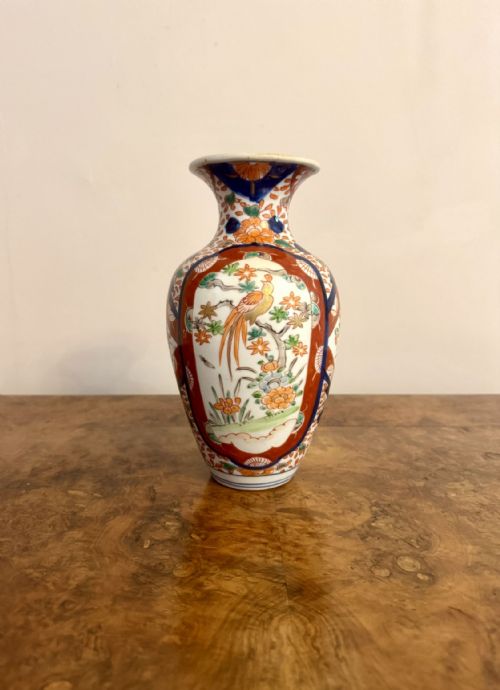
Edo Imari Porcelain
These edo imari porcelain pieces bring rich palettes and intricate forms from historic Japanese kilns straight to your collection.

Edo Imari Porcelain
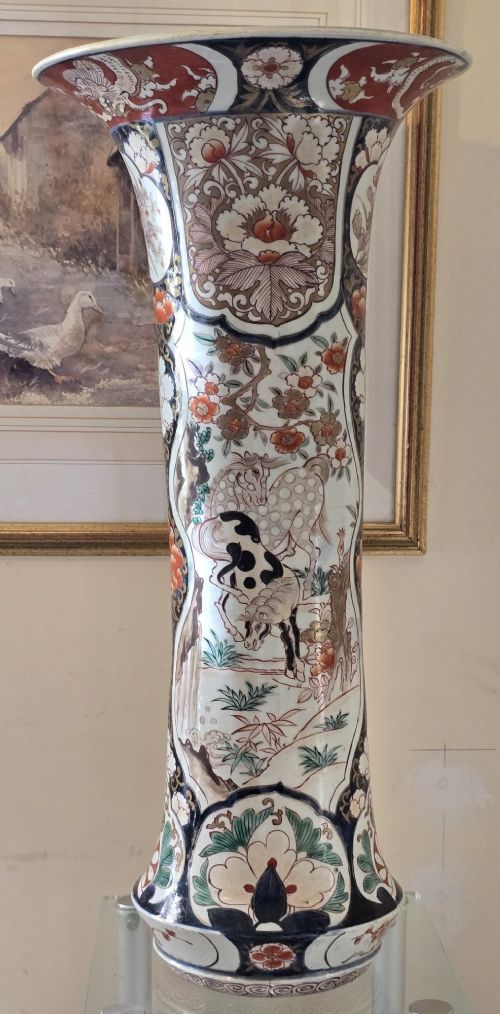
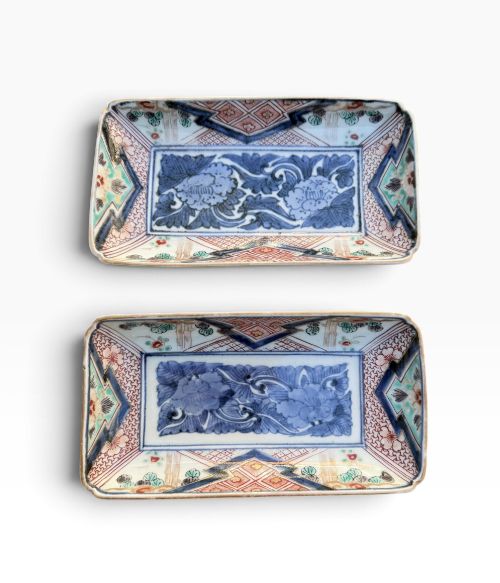
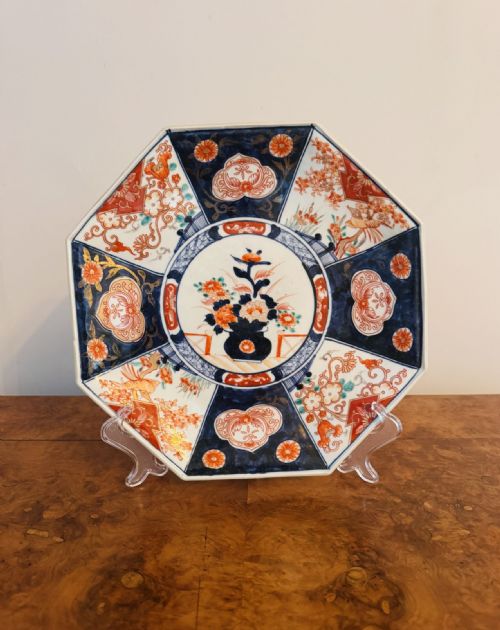
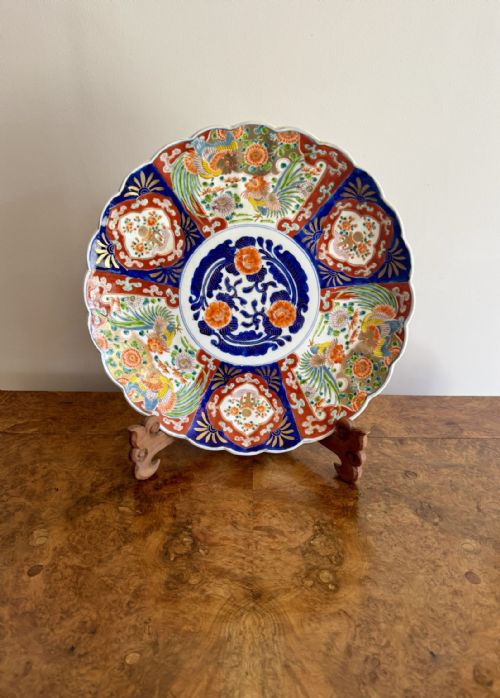
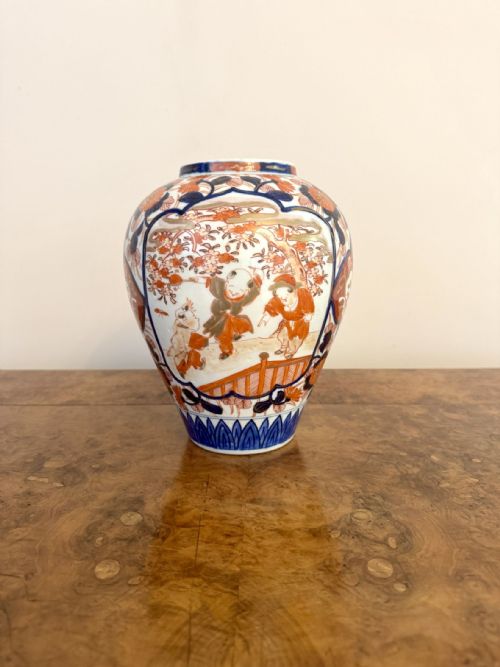
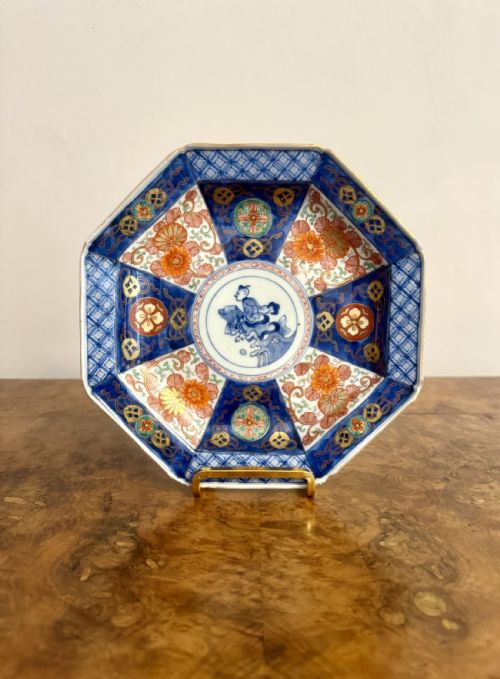
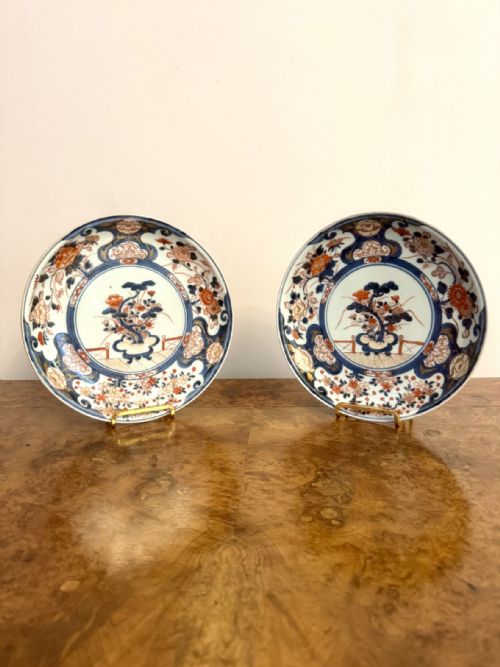
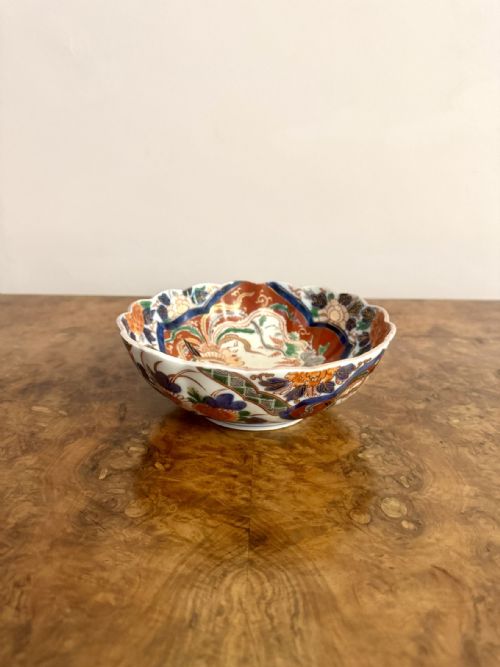
When searching for edo imari porcelain, collectors encounter a diverse range of historic objects originating from Japanese kilns, primarily associated with the Arita region and the Edo period. The selection encompasses functional and decorative vessels including chargers, plates, bowls, jars, vases, and jardiniere pieces.
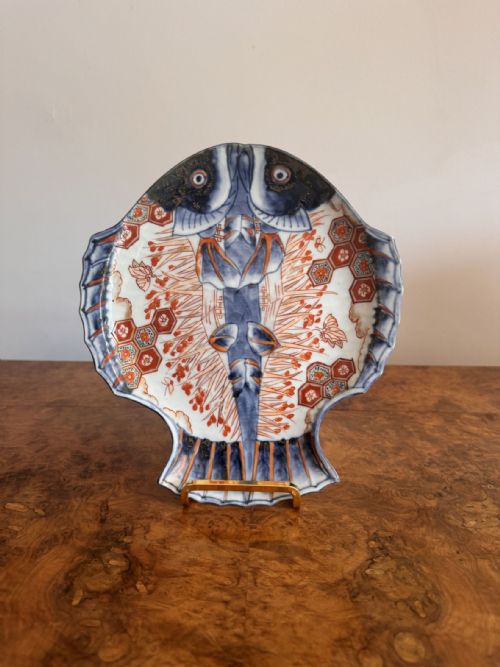
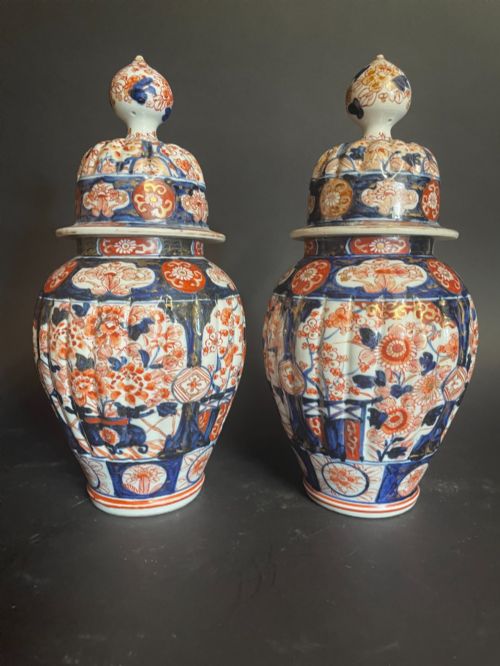
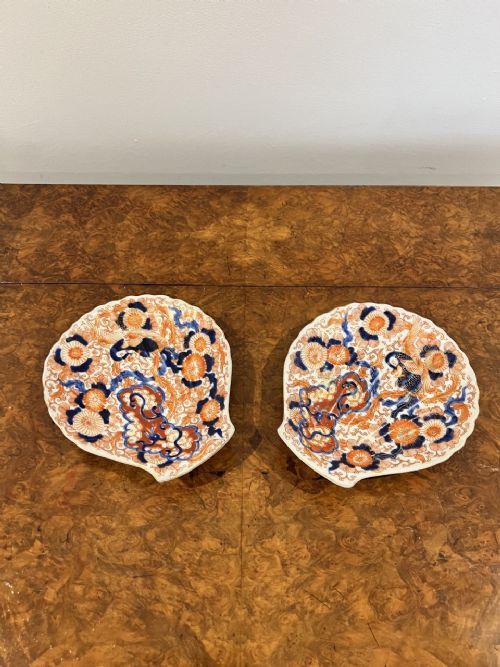
The objects span multiple centuries, with numerous examples dating from the late 17th century through the 19th century and into 1900. Plates and dishes frequently feature shaped edges, such as scalloped rims or distinctive clam shell and fish forms, while larger vessels include lidded vases and garnitures.
Vessels from this category often display characteristic styling that bridges Japanese Edo and Meiji aesthetics. Alongside traditional Japanese forms, surviving archive records demonstrate specialised items like barbers bowls and coffee pots.
Materials and Construction
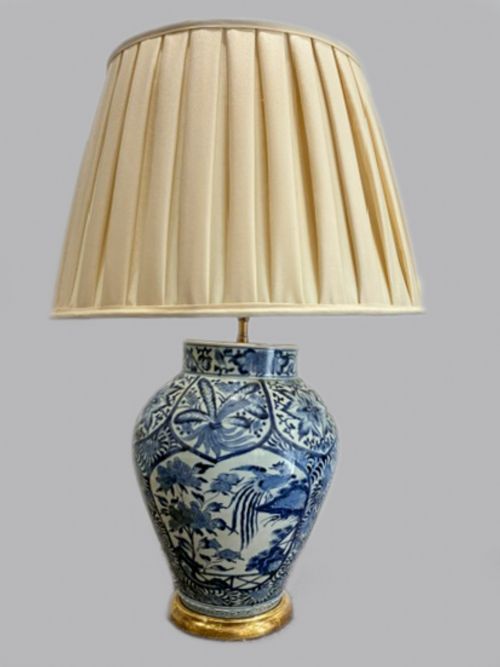
These items are constructed from ceramic porcelain bodies fired in kilns and decorated using cobalt underglaze alongside enamel pigments. Artisans applied detailed hand-painted designs incorporating distinct colour palettes.
Many examples integrate additional surface embellishments such as gold leaf, gilding, and clear glaze finishes. Vases, plates, and chargers frequently combine these metallic highlights with rich blue and red tones.
Listings feature porcelain forms spanning the 17th century through the 19th century, utilising enamel, gold leaf, and cobalt underglaze.
Assessing Quality and Execution
Quality in these ceramics rests upon the precision of the hand-painted brushwork and the complexity of the decorative composition. Pieces featuring intricate detailing across unusual forms, such as shaped plates or sculpted animals, demonstrate superior artisan skill.
The richness and application of the enamel palette, alongside the integration of gold leaf and cobalt underglaze, distinguish standard production wares from exceptional output. Preservation of the glaze and the crispness of the moulded ceramic body further define the tier of the piece.
The Edo Imari Porcelain Glossary
- Imari
- A style of Japanese porcelain named after the port from which it was shipped, characterised by a distinctive palette of cobalt blue and iron red, often accented with gold.
- Arita
- The Japanese town and production centre in Hizen province where the porcelain body for these wares was primarily manufactured.
- Edo Period
- The period in Japanese history spanning from 1603 to 1868, defined by the rule of the Tokugawa shogunate and significant ceramic development.
- Cobalt Underglaze
- A blue pigment applied to the ceramic body before glazing and firing, creating durable decorations beneath the glossy surface.
- Charger
- A large decorative plate intended for display rather than standard dining use.
Edo Imari Porcelain: Frequently Asked Questions
What is edo imari porcelain?
Edo imari porcelain refers to decorative ceramic wares produced in Japan during the Edo period and shipped through the port of Imari. These pieces are recognised by their characteristic underglaze blue and iron red decoration.
Items range from everyday vessels to elaborate chargers and vases created for both domestic use and export markets.
How do I identify an 17th century piece?
Seventeenth-century examples often exhibit specific potting characteristics, early Arita body traits, and characteristic early Imari palette combinations. Archival records link these to specific forms like coffee pots and barbers bowls.
Examining the glaze consistency, base construction, and hand-painted motifs helps differentiate these early vessels from later 19th-century productions.
How were these porcelain pieces used?
While many items served functional dining or household roles, large chargers and lidded vases were primarily created for display in interiors. Specialised forms included coffee pots, barbers bowls, and desktop or decorative jars.
Export wares were frequently displayed in European and Japanese collections to showcase wealth and exotic taste.
Where were these ceramics made?
The porcelain was primarily manufactured in kilns located around Arita in the Hizen province of Japan. From there, the fired wares were transported to the nearby port of Imari for distribution and export.
This regional production network established the distinctive decorative style associated with the name.
How should I care for antique porcelain?
Antique porcelain requires gentle handling to protect fragile enamel decorations, gilt surfaces, and gold leaf highlights. Dusting with a soft, dry cloth is usually sufficient for routine maintenance.
Avoid abrasive cleaners or submerging pieces with metallic gilding in water to preserve the historical surface integrity.