

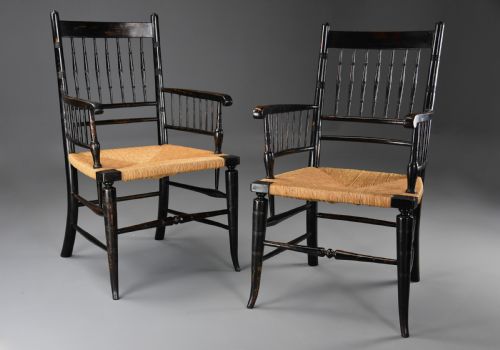


Ebonised Wood Armchair
An ebonised wood armchair brings dark, polished drama to a room, offering deep tones and striking silhouettes shaped across the nineteenth century and beyond.
Ebonised Wood Armchair
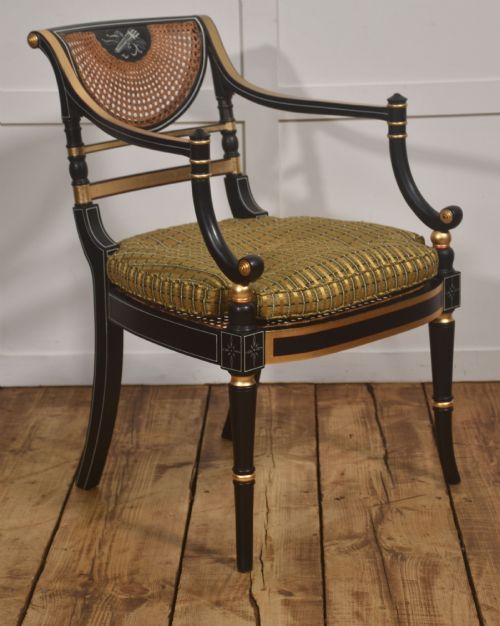
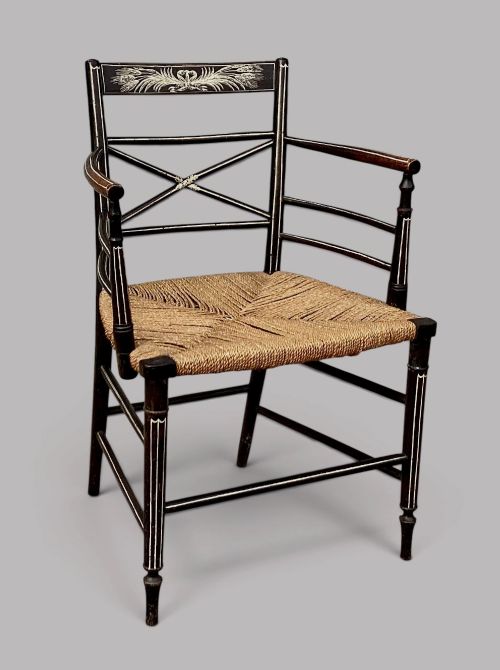
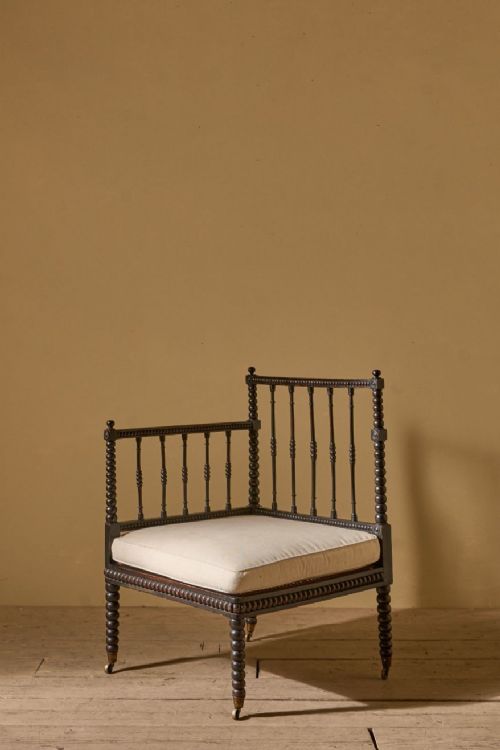
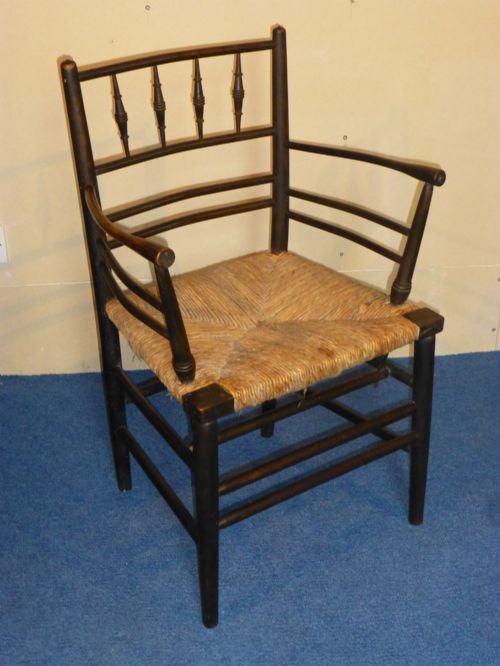
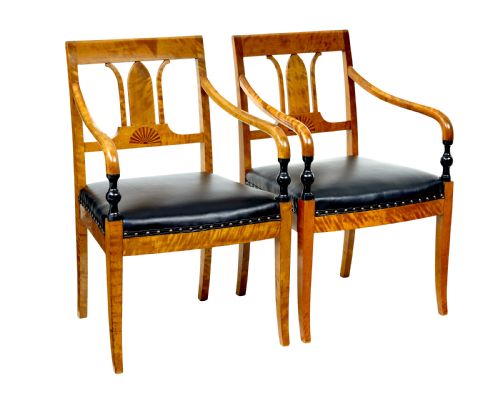
When you search for an ebonised wood armchair, you encounter seating finished to resemble costly ebony, frequently appearing in nineteenth-century Victorian, Edwardian, and earlier revival forms. These pieces range from upright salon chairs and corner seats to library armchairs and rocking chairs.
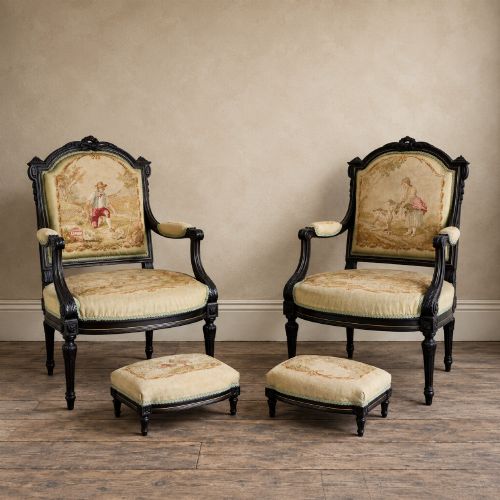
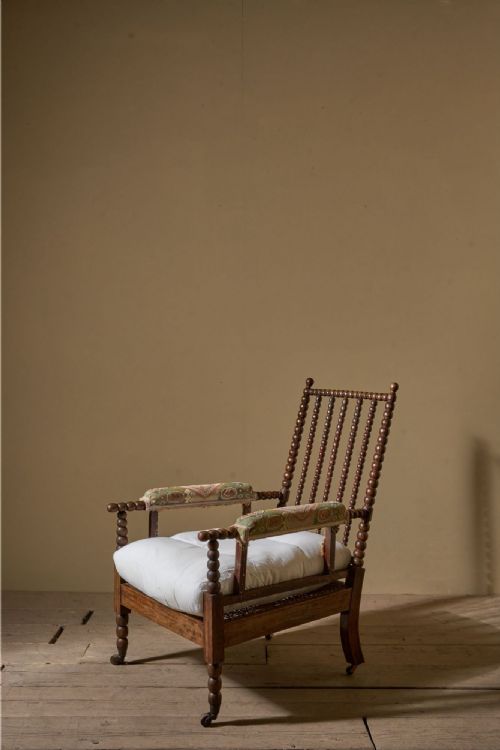
The selections available here frequently display stylistic roots in the Aesthetic Movement, Arts and Crafts designs, or French Napoleon III and Louis XVI revivals. You are most likely to meet nineteenth-century examples utilising turned bobbin framing or upholstered showwood components.
Makers and workshops of the period applied these dark finishes to various woods, creating dramatic contrast against contemporary fabrics, leather, cane, and brass details. Such chairs served as accent pieces or part of larger salon suites in period homes.
Materials and construction
Woodworkers typically took domestic timbers such as beech, birch, or mahogany and stained or painted them to achieve a dense, black ebonised surface. This technique allowed makers to imitate exotic ebony while employing more accessible local materials for structural framing.
Construction methods relied heavily on traditional joinery, augmented by decorative turning such as bobbin or spindle work, and occasionally enhanced with gilt highlights. Seating surfaces incorporated cane, hessian foundations, and upholstery in leather, fabric, or textile.
Metal fittings like brass components appeared on castors or structural joints, while specific models integrated bentwood techniques for curved frames and rocking mechanisms. The finish itself required careful polishing to maintain a deep, dark lustre over the underlying timber.
Ebonised Wood Armchair Retail Price Guide 2026
Typical asking prices for ebonised wood armchair among the pieces listed under this phrase on Sellingantiques today, from the lower quarter to the upper quarter. They describe what is for sale here now, not the wider market.
One tiny child's chair stands among the full-sized library seats, proving that even the smallest Victorians demanded proper armrests.
Distinctions in quality
The standard of an ebonised wood armchair depends significantly on the integrity of the underlying timber frame and the depth of the ebonising finish. Superior examples maintain a smooth, even black surface that complements the original turning or carving without masking the grain excessively.
Artisanal execution separates standard production from works associated with notable design movements or specific workshops. The sophistication of the joinery, the subtlety of turned elements like bobbin details, and the quality of applied upholstery materials dictate the standing of a piece.
Morris & Co·Philip Webb·Collier and Plucknett·Thonet
The Ebonised Wood Armchair Glossary
- Ebonised
- Wood treated with stain, paint, or chemical processes to turn it black, imitating genuine ebony. This finish gained immense popularity during the Victorian and Aesthetic Movement periods.
- Bobbin
- A style of turned woodwork featuring spheres or discs resembling bobbins threaded onto a spindle. It appears frequently on nineteenth-century frames.
- Showwood
- Timber framing left visible around the upholstered portions of a chair. It allows the ebonised finish and grain to contribute directly to the visual design.
- Chinoiserie
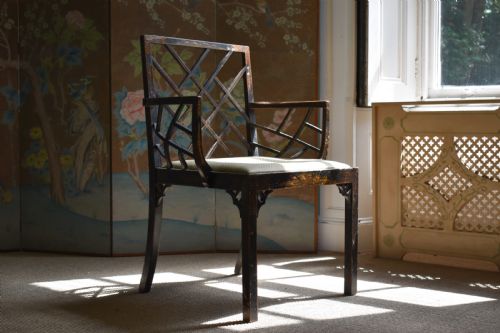
- European decorative style reflecting Chinese artistic influences. Examples often incorporate lacquer work or distinctive framing like the Cockpen lattice.
- Bentwood
- Wood softened by steam and bent into curved structural forms. It enabled the creation of light, flowing frames for chairs and rocking seats.
Ebonised Wood Armchair: Frequently Asked Questions
What is an ebonised wood armchair?
An ebonised wood armchair is a seat constructed from timber treated with a dark black finish to mimic expensive ebony wood. These chairs appear in various historical styles, notably from the nineteenth century.
Makers utilised this finish to provide dramatic visual contrast in Victorian and Aesthetic Movement interiors, pairing the dark frames with fabrics, cane, or leather.
How do I care for ebonised wood?
Caring for an ebonised surface requires gentle dusting with a soft cloth and avoiding harsh chemical polishes that might degrade the dark finish. Direct sunlight should also be limited to prevent fading.
Maintaining stable indoor humidity helps protect both the underlying timber and any traditional upholstery or cane work attached to the frame.
Where were these chairs used?
Victorian households placed these armchairs in drawing rooms, libraries, bedrooms, and parlours as both functional seating and decorative accents. Lighter models served in salons.
Specific forms like rocking chairs and library armchairs were designed for relaxation, while corner chairs and salon suites furnished formal entertaining spaces.
How do I identify the period?
Dating relies on observing structural forms, turning styles, and upholstery foundations that correspond to periods like the Victorian era, Arts and Crafts movement, or Edwardian times. Bobbin turning and specific revival styles offer strong chronological clues.
Documentation, stamps, or stylistic associations with known workshops further clarify the exact timeframe of manufacture.