

Antique Barrel Armchair
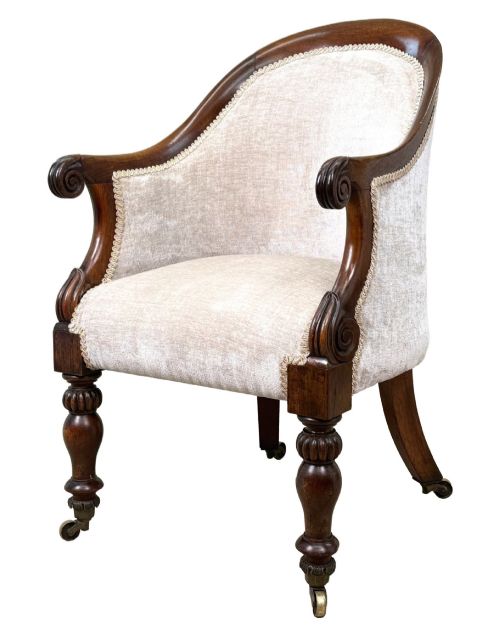
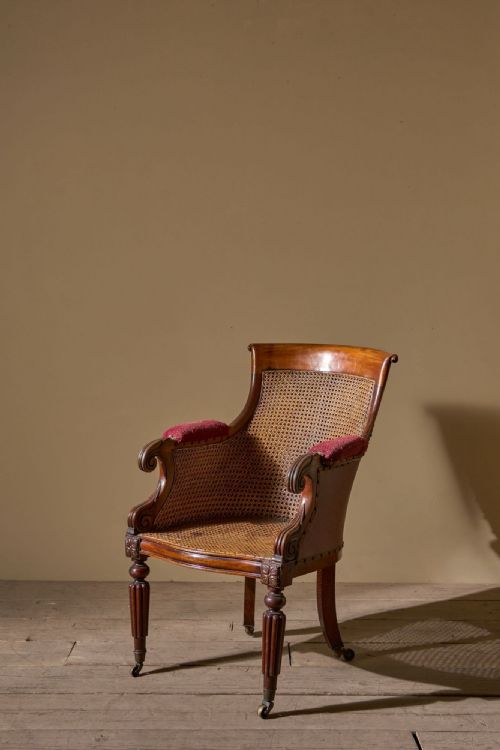
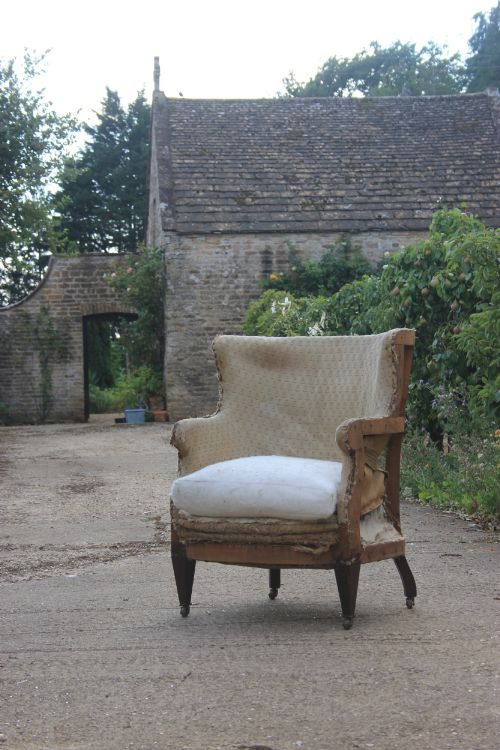
An antique barrel armchair wraps the sitter in a high, curved back designed to keep out draughts.
Defining the antique barrel armchair
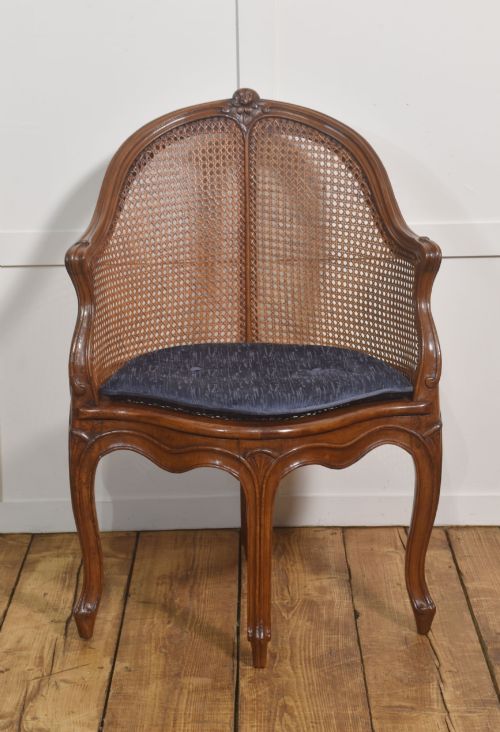
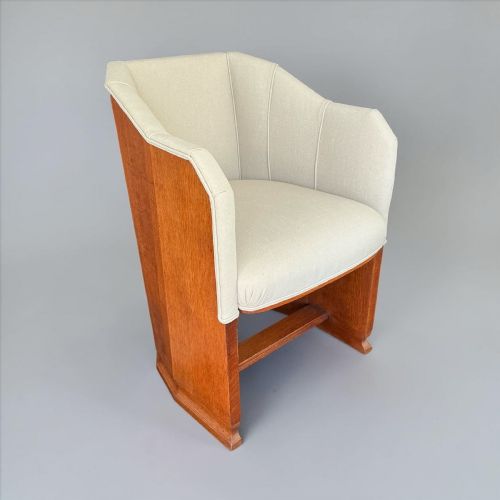
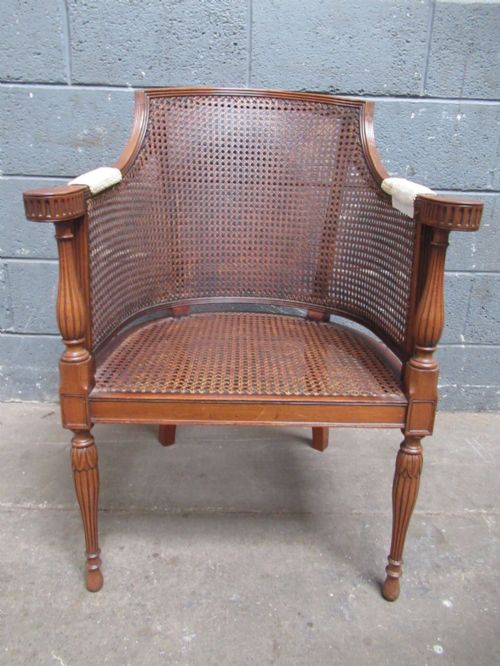
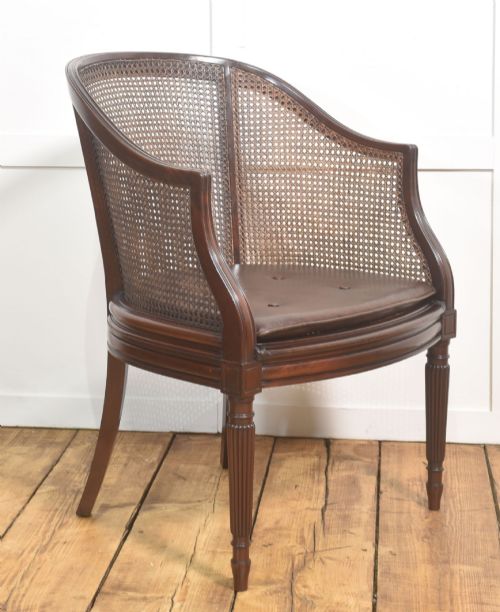
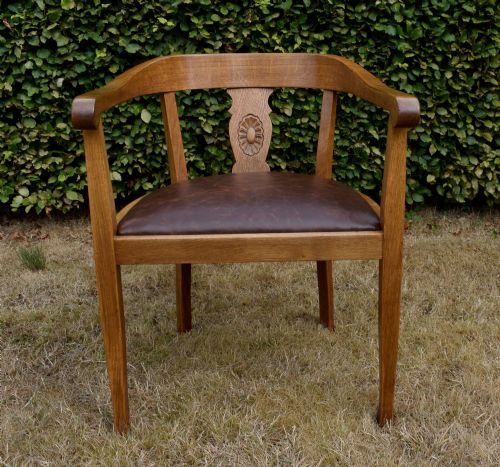
An antique barrel armchair is a seating form defined by its semicircular back enclosing the sitter in a continuous curve. The evidence shows these chairs appearing across several periods, from George III and Regency examples to Victorian and Edwardian pieces.
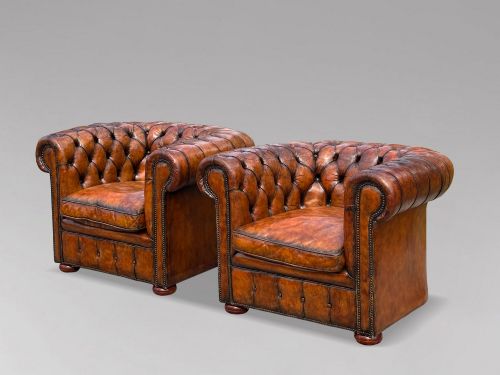
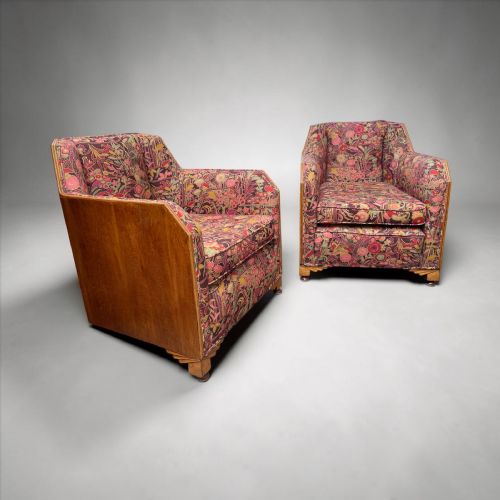
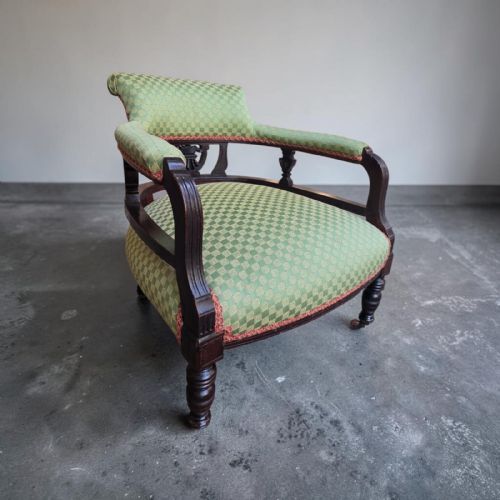
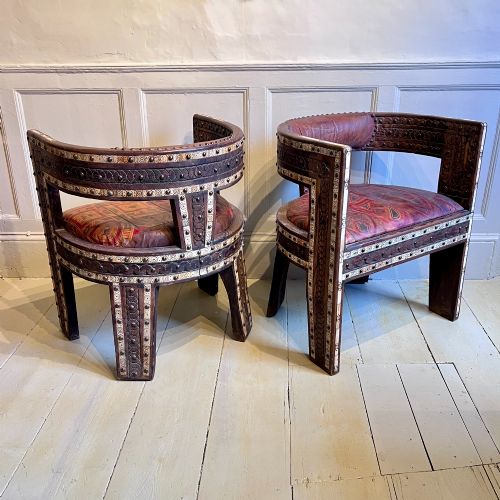
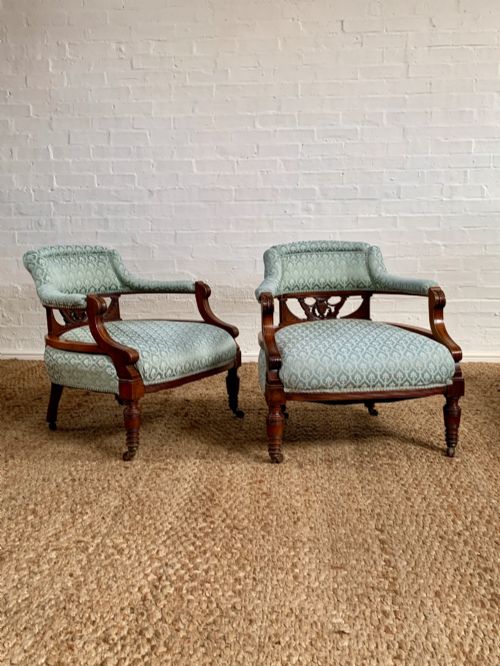
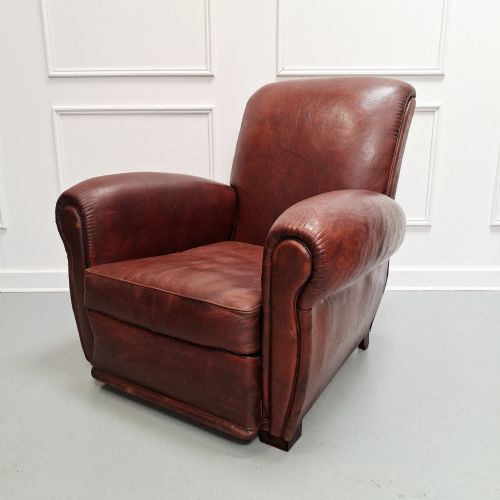
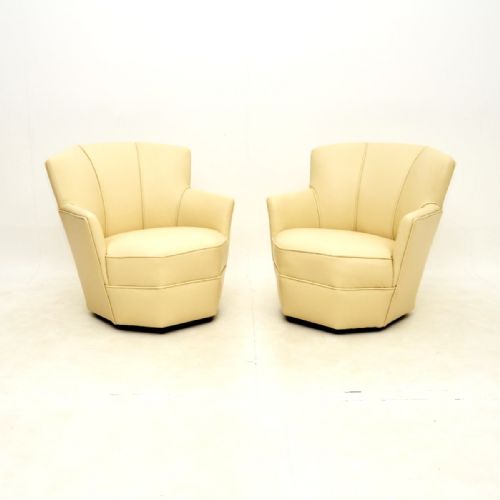
The most common version to meet on this page is the upholstered armchair, frequently covered in leather, fabric, calico, cotton, or velvet. Many examples take the form of porters chairs or library chairs designed for warmth and seclusion in large rooms.
Makers and workshops utilised various timbers, predominantly mahogany, alongside giltwood and brass details. Styles range from plain country house seating to refined Regency and Victorian designs with lyre fronts or inlay.
Construction and materials
Makers built the foundational frames of these chairs from sturdy timbers, with mahogany appearing frequently among the surviving pieces. Wood forms the structural skeleton that supports the deep, curved enclosure of the back.
Upholstery defines the surface of the barrel armchair, utilising materials such as leather, cotton, velvet, and calico. Some examples incorporate brass tacks to secure the upholstery or include giltwood accents on the frame.
Retail Price Guide 2026
Typical UK retail prices for barrel armchair, calculated from the Sellingantiques database of over a million retail prices indexed since 2003. This retail price guide relies exclusively on Sellingantiques data; no external sources or auction records are used, so the figures do not describe the wider market.
These draft-excluding chairs were originally engineered to keep lonely hall porters warm during long winter watches.
Distinctions in quality
The refinement of the timber and the execution of the frame define the upper tier of these chairs. Finer examples display carefully chosen mahogany, crisp carving, and integrated details like lyre fronts rather than plain structural supports.
The execution of the upholstery and the choice of covering material distinguish different grades of the form. Hand-dyed leather and rich velvet denote substantial workshop standards compared to simpler fabric coverings.
Gillows
The Antique Barrel Armchair Glossary
- Barrel back
- A seating form featuring a semicircular backrest that curves continuously around the sitter. This design evolved to block cold air in large, drafty rooms.
- Porters chair
- A tall, hooded armchair originally designed for hall porters to shelter them from drafts near front doors. These often feature fully enclosed sides and deep padding.
- Library chair
- A comfortable seating form intended for reading rooms and studies. These chairs prioritize padded support for extended periods of sitting.
- Lyre front
- A decorative furniture motif shaped like an ancient Greek lyre. This carving appears on the front supports of certain Regency period chairs.
- Giltwood
- Timber treated with gold leaf or gilt preparation on the surface. This finish adds bright decorative detail to the wooden frame.
Frequently Asked Questions
What is a barrel armchair?
A barrel armchair is a seat featuring a high, rounded back that curves around the user. The continuous enclosement creates a private seating space that traditionally shielded occupants from drafts.
Surviving examples appear in forms ranging from compact library seating to tall porters chairs upholstered in leather or velvet.
How were porters chairs used?
Porters chairs stood near household entrances where attendants monitored arrivals and controlled access. The high hooded back protected the sitter from cold drafts entering through the main doors.
Over time, these protective seats moved into libraries and living spaces for private reading and relaxation.
What timber is common?
Mahogany is the primary wood found in the construction of these chairs across Georgian, Regency, and Victorian periods. Workshops utilised its strength to support the heavy curved frames.
Other materials like giltwood appear on specific decorative elements, while the visible framework often remains secondary to the extensive upholstery.
How do I date a chair?
Dating relies on stylistic markers associated with specific eras like the Georgian, Regency, Victorian, or Edwardian periods. Details such as lyre front legs, inlay work, and specific wood grains point to particular decades.
Upholstery materials also provide clues, though many chairs have received replacement coverings during their long histories.