

Victorian Tub Armchair
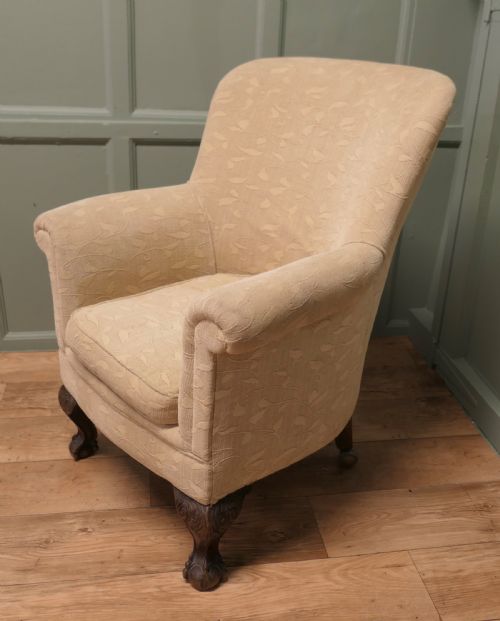
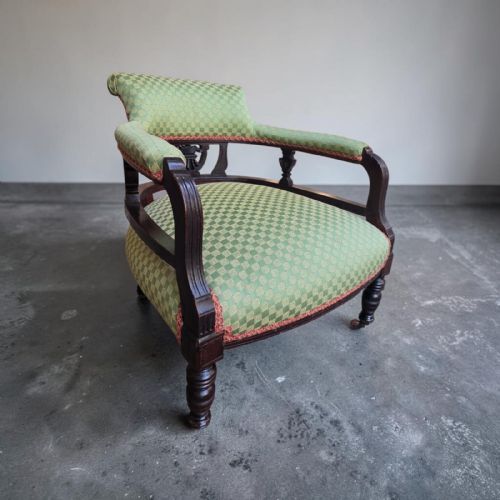
A victorian tub armchair wraps the sitter in a low, curved back designed for comfort and intimacy.
Victorian Tub Armchair
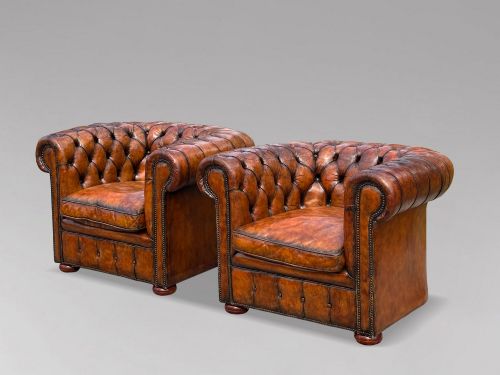
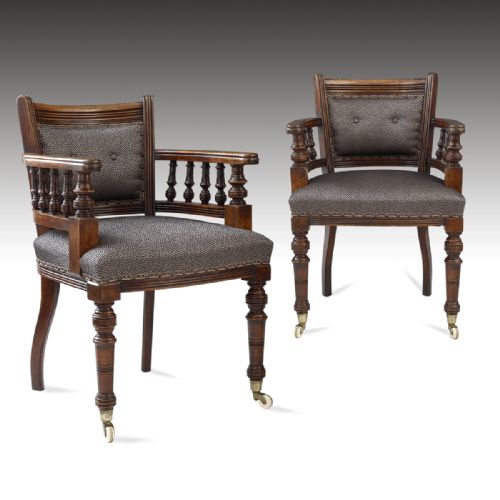
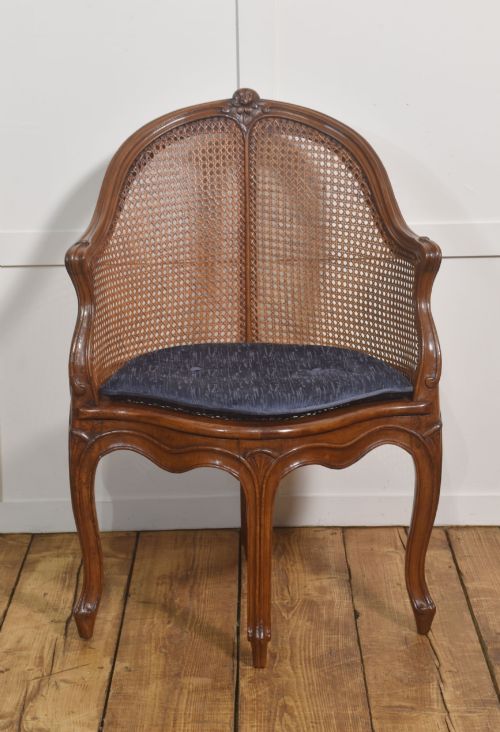
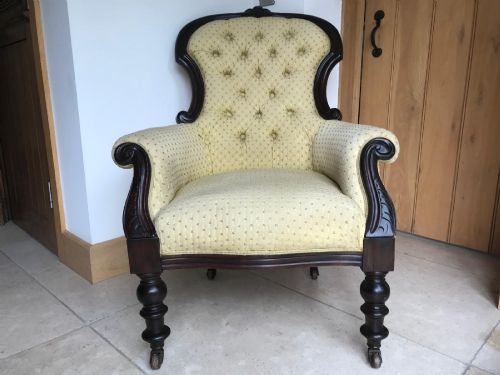
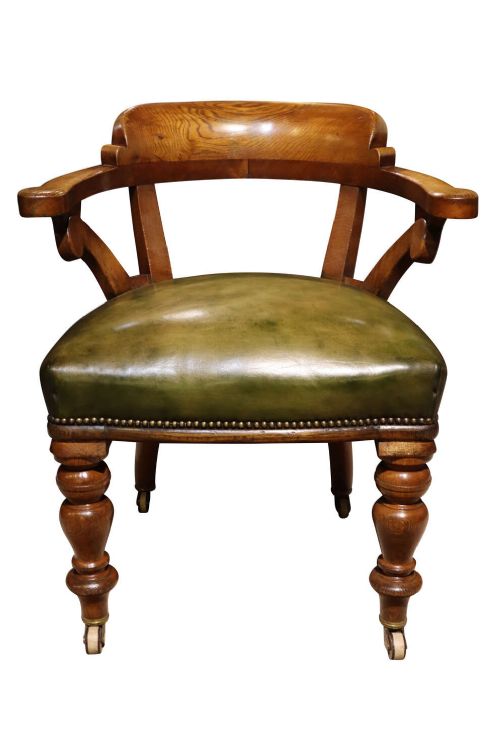
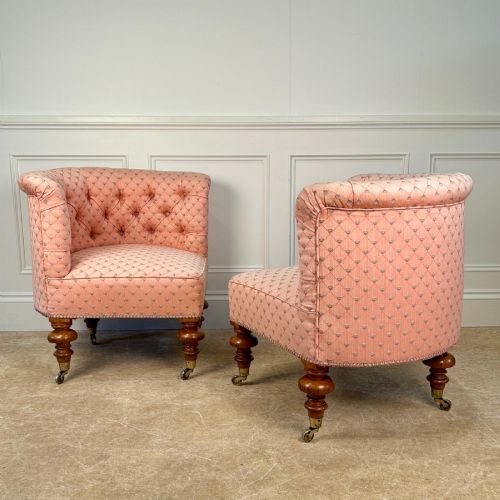
A victorian tub armchair combines a rounded, enclosing back with a low seat designed for parlour, library or bedroom use. These chairs frequently emerge from the nineteenth century upholstered in leather or fabric, sometimes featuring deep buttoning.
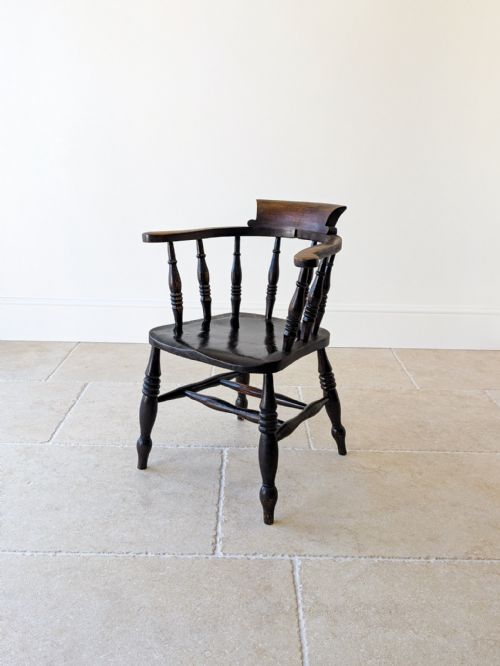
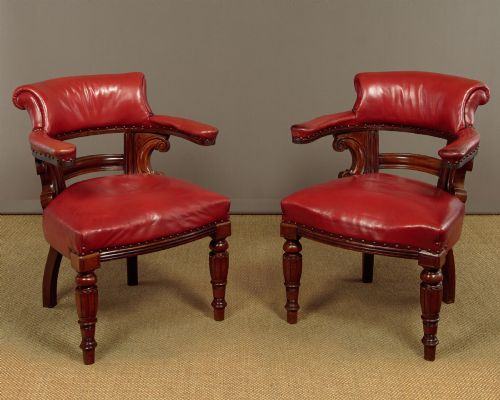
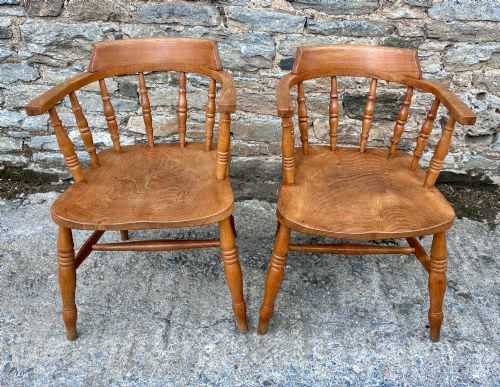
Makers fashioned these pieces in woods such as mahogany, walnut, oak, beech and elm, drawing on styles from the Regency period through to the Aesthetic Movement and Gothic Revival. The evidence shows frequent overlap with captain chairs, library chairs and nursing chairs sharing the curved profile.
The most typical examples encountered on this page date between eighteen fifty and nineteen hundred, reflecting the height of Victorian domestic seating design. Buyers select these chairs for their compact proportions and supportive backrests.
Materials and construction
Cabinet makers constructed frames from solid timbers including mahogany, walnut, oak, beech and elm, occasionally employing rosewood or ebonised finishes. Turned wooden legs frequently incorporated brass castors to allow smooth movement across carpeted rooms.
Upholstered variants utilised horsehair stuffing secured over coil springs within the curved tub back and seat platform. Leather, fabric, cane and velvet served as the primary exterior coverings, hand-tacked to the wooden frame.
Victorian Tub Armchair Retail Price Guide 2026
Typical asking prices for victorian tub armchair among the pieces listed under this phrase on Sellingantiques today, from the lower quarter to the upper quarter. They describe what is for sale here now, not the wider market.
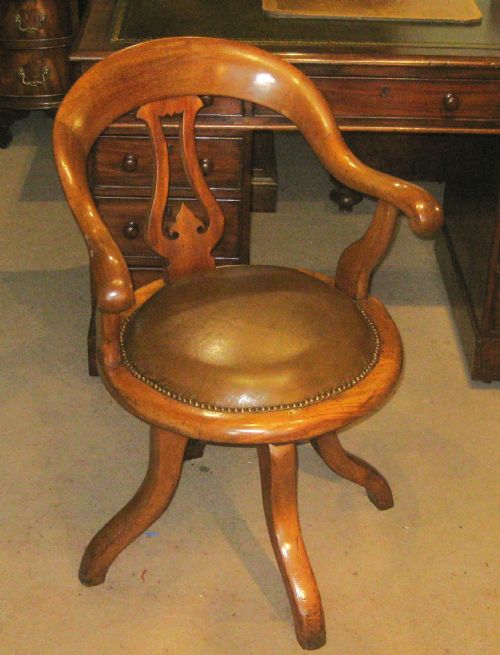
Ebonised conversation seats allowed two sitters to chat back-to-back while revolving in matching tub armchairs.
Assessing quality and craftsmanship
Superior examples display crisp carving on exposed show-wood frames and precise joinery at the curved back joints. The weight and selection of dense timbers such as mahogany and walnut distinguish finer library and desk variants from simpler country elm pieces.
The integrity of the internal stuffing and the neatness of the upholstery finish dictate the standard of execution. Chairs bearing maker attributions or stamps reflect workshops of higher repute during the nineteenth century.
C Hindley And Sons·Howard And Sons·Gillows·Cope And Collinson
The Victorian Tub Armchair Glossary
- Tub chair
- An armchair featuring a continuous curved back that wraps around to form low arms. This shape provides enclosed seating comfort.
- Button back
- An upholstery technique where deep depressions are formed by sewing buttons through the padding at regular intervals. This secures the internal horsehair stuffing and creates a diamond pattern.
- Show-wood
- Exposed wooden framing around an upholstered chair. This highlights the grain and carved details of timbers like walnut or mahogany.
- Smokers bow
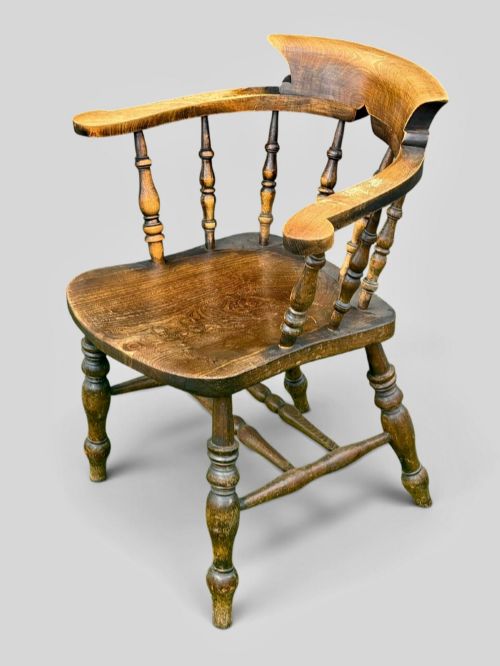
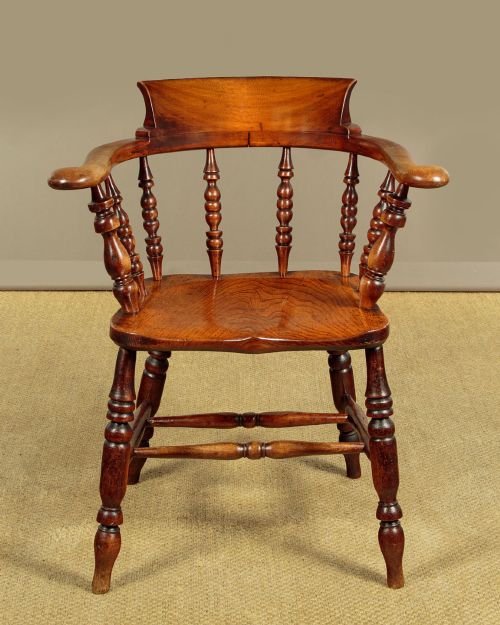
- A sturdy nineteenth-century wooden armchair with a low curved spindle back, closely related to Windsor chair forms. These often used elm, beech and ash.
- Castor
- A small wheel attached to the base of furniture legs to ease movement. Brass examples are frequently found on nineteenth-century library and desk chairs.
Victorian Tub Armchair: Frequently Asked Questions
What is a tub armchair?
A tub armchair is a seating form defined by its low, semicircular backrest that merges directly into the arms. This enclosed design offers a compact footprint suitable for studies, bedrooms and sitting rooms.
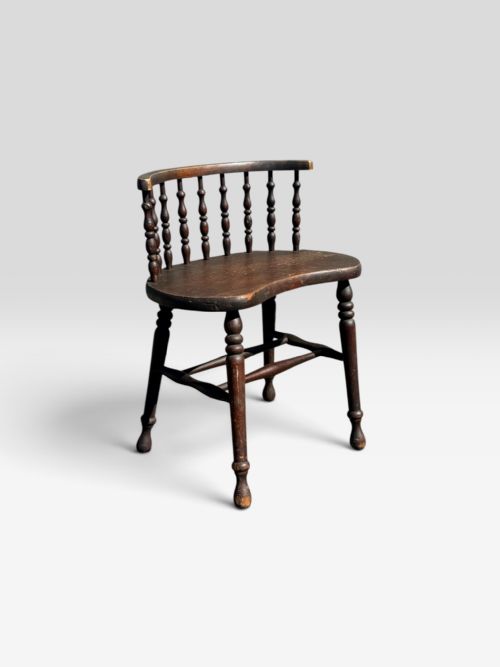
Nineteenth-century makers produced both fully upholstered versions and wooden framework designs with cane or spindle backs. Their rounded proportions distinguish them from standard square-backed parlour seating.
Where were these chairs used?
These chairs served multiple domestic spaces during the nineteenth century, including libraries, studies, dressing rooms and parlours. Revolving variants functioned specifically as office or desk chairs.
Upholstered nursing chairs provided low seating ideal for domestic tasks, whilst leather library chairs offered durable comfort for reading. Their modest scale allowed them to sit comfortably beside firesides or writing tables.
How do I identify a Victorian chair?
Identifying nineteenth-century origin involves examining timber types, construction methods and stylistic cues such as Gothic Revival motifs or button-backed upholstery. Secondary woods and hand-cut joinery provide further chronological clues.
Hardware such as brass castors and maker stamps can narrow down the manufacturing decade. Comparing the piece against documented cabinet-making styles helps confirm the period.
Are these chairs comfortable for daily use?
The curved back and supportive coil-sprung seats make these chairs well suited for contemporary seating. Their ergonomic proportions were originally designed for prolonged reading or working.
Original internal stuffing may require professional restoration to achieve optimal support for modern use. Leather and fabric surfaces also benefit from appropriate conditioning and care.