

Turned Leg Tub Chair
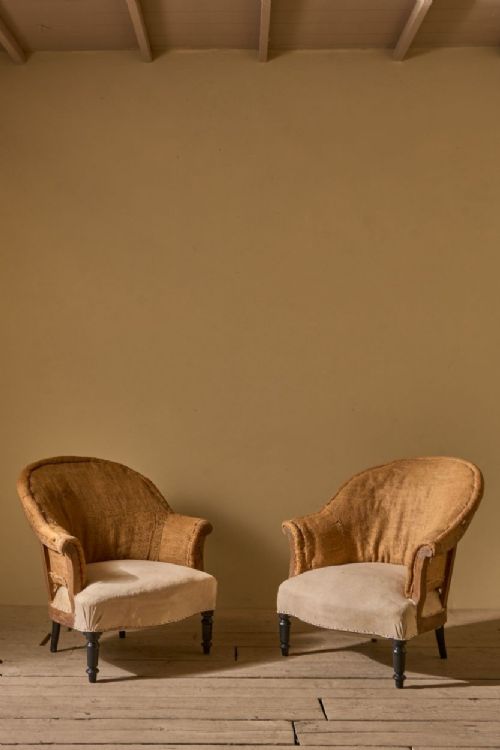
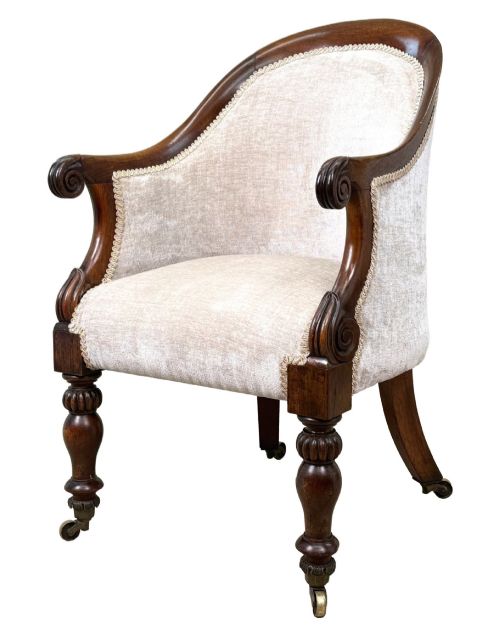
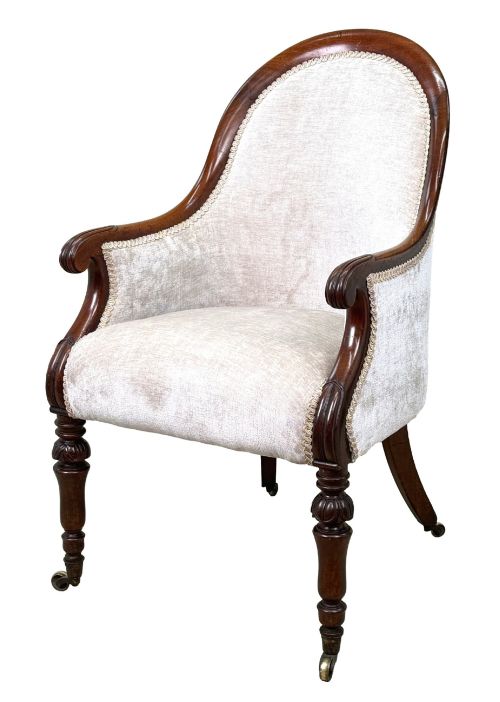
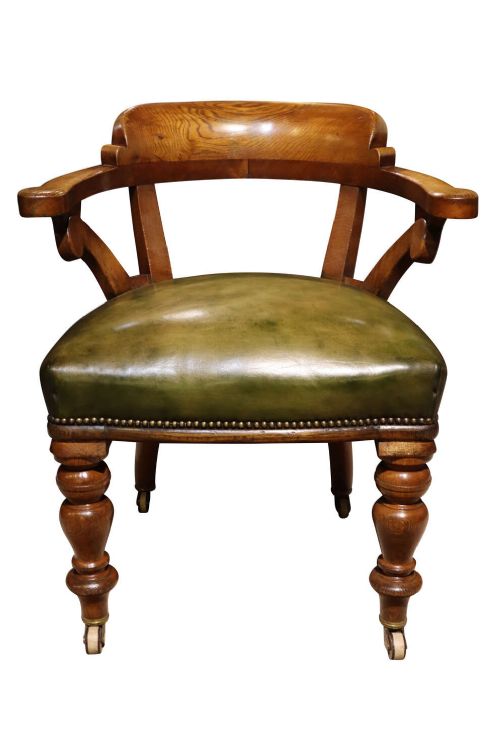
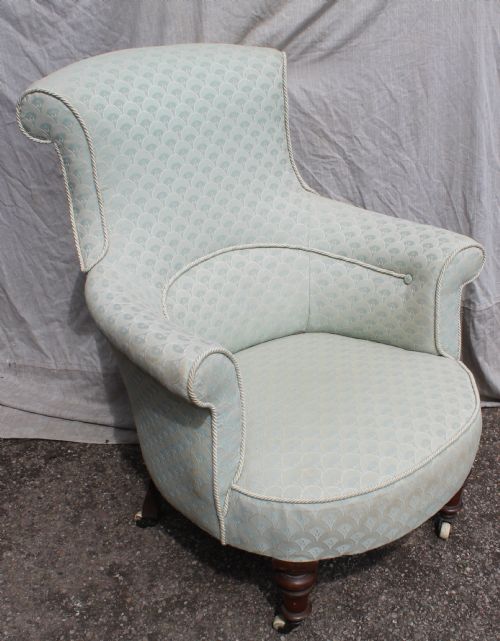
A turned leg tub chair brings solid nineteenth-century comfort and curved wooden lines to a library, desk or study.
Turned Leg Tub Chair
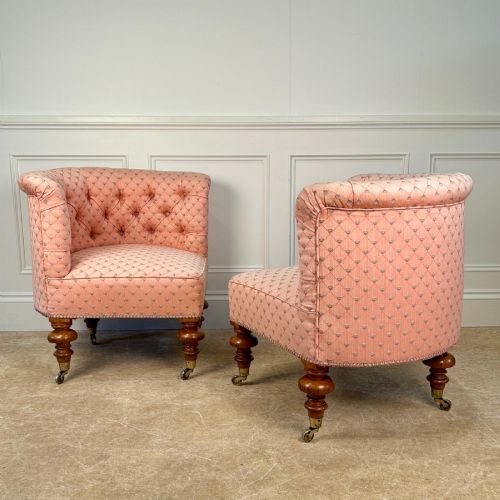
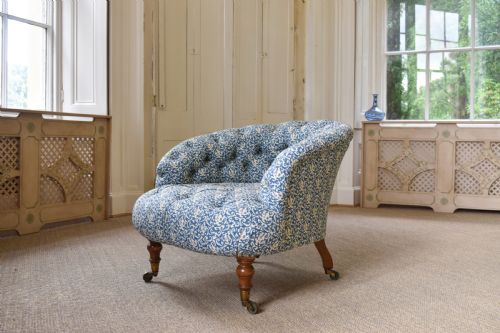
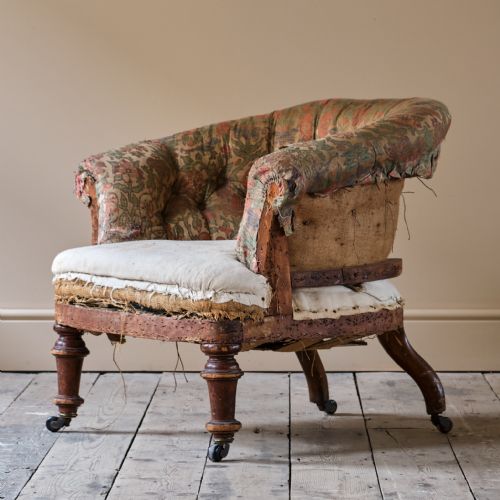
A turned leg tub chair combines a rounded, enclosing backrest with cylindrical or spindle-shaped wooden supports beneath the seat. These versatile seats function as library armchairs, desk chairs or fireside seating, appearing across the nineteenth century in forms from simple country styles to polished metropolitan designs.
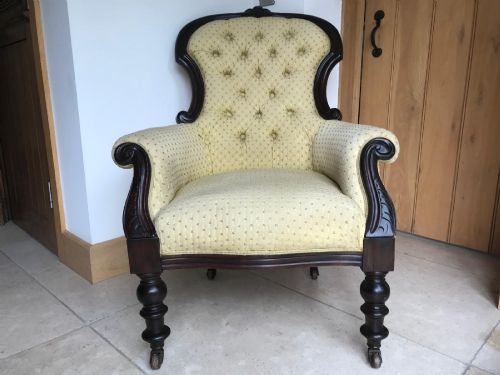
The versions most common on this page date from the Victorian and Regency periods, utilising timbers such as mahogany, oak, elm, beech and walnut. Many incorporate upholstered elements in leather, velvet, cotton or hessian, creating a supportive seat framed by curved woodwork.
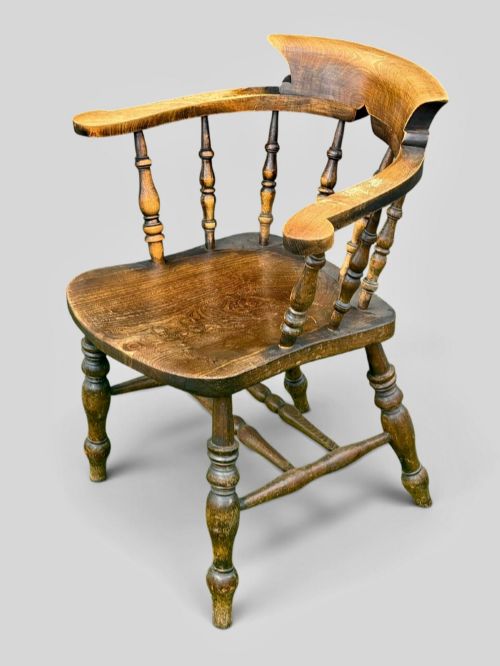
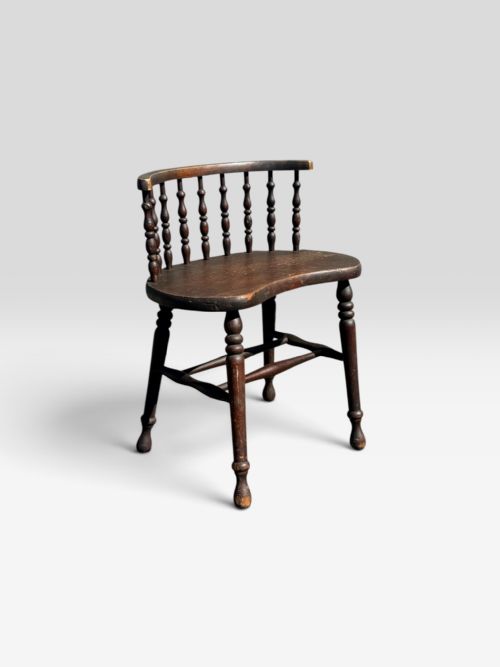
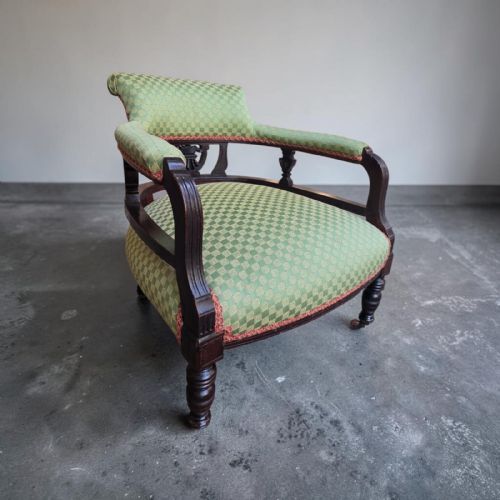
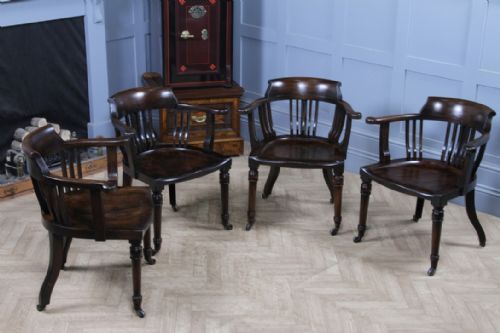
Makers adapted the basic tub and captain's chair form for various domestic and professional rooms, leading to variations with corner seats, low profiles or deep buttoned backs. The turned legs provide sturdy support while maintaining the classical proportions associated with period seating.
How they were made
Cabinetmakers shaped the characteristic legs using wood-turning lathes, producing cylindrical, reeded or faceted supports from dense hardwoods like mahogany, beech and oak. These legs join stout seat frames constructed from sturdy native timbers including elm and ash.
The curved tub backs rely on steam-bent wood or joined segments of timber shaped to cradle the sitter. Upholstered examples integrate internal webbing, stuffing and coverings of leather, velvet or fabric secured with traditional tacks.
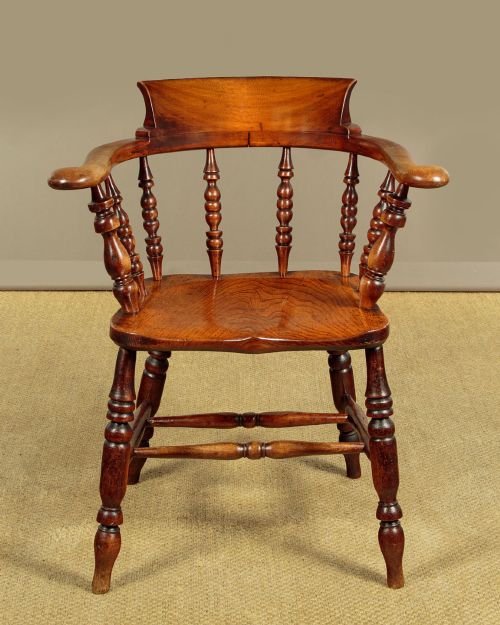
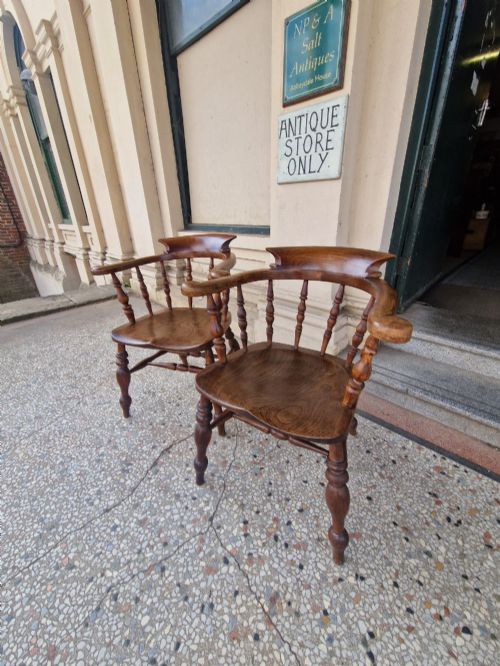
Several armchairs carry traces of historical tobacco smoke in their venerable elm seats, recalling long evenings in nineteenth-century offices.
What varies in quality
The refinement of the turned woodwork and the selection of timber dictate the distinction between simple utility seating and fine cabinet work. Elegant proportions, crisp turning details and secondary woods chosen for their grain rather than economy separate high-end library chairs from basic office or country forms.
Upholstery execution and internal construction also define the standard of the piece, with traditional hand-stitched stuffing and high-grade leather or velvet indicating superior original commissioning. Stamped makers' marks or attributions to prominent workshops elevate the standing of surviving examples.
Howard and Sons·Gillows·Miles and Edwards·Hindley and Sons·Hampton and Sons
The Turned Leg Tub Chair Glossary
- Tub chair
- A low, rounded armchair where the backrest curves continuously into the arms. This enclosed design offers draught-proof comfort.
- Bergere
- An enclosed armchair with a wooden frame and cane or upholstered panels. The back and sides are typically filled with tight woven cane or fabric.
- Smoker's bow
- A low-backed Windsor-style armchair with a continuous curved arm rail. These sturdy seats frequently feature elm seats and turned spindles.
- Reeded
- A decorative moulding consisting of parallel convex strips resembling bundled reeds. Cabinetmakers turned this pattern onto furniture legs.
- Simulated rosewood
- Painted or stained wood mimicking the rich grain and deep colour of genuine rosewood. This decorative technique used cheaper native timbers.
Turned Leg Tub Chair: Frequently Asked Questions
How do I identify a period tub chair?
Examine the timber, turning style and construction methods beneath the seat. Nineteenth-century examples display hand-turned legs and traditional joinery appropriate to Regency or Victorian workshops.
Look for signs of age in the timber patina and upholstery backing. Makers often utilised native woods like elm and beech for country pieces, while metropolitan workshops favoured mahogany and rosewood.
Where were these chairs used historically?
These chairs served primarily in studies, libraries, offices and parlours where occupants required sturdy, supportive seating for reading or writing at a desk. Their enclosing backs provided protection from draughts in large rooms.
Lower desk and library variants allowed sitters to work comfortably near a fireplace or writing table. Captain's chairs and smokers' bows were common in professional offices and communal spaces.
Can I use a vintage tub chair at a modern desk?
Many nineteenth-century tub and captain's chairs fit standard desk heights, though seat heights varied compared to modern office furniture. Checking the clearance beneath your desk ensures a comfortable fit.
Their sturdy wooden frames and supportive armrests make them practical for daily seating. Adding an appropriate loose cushion can adjust the sitting height if necessary.