


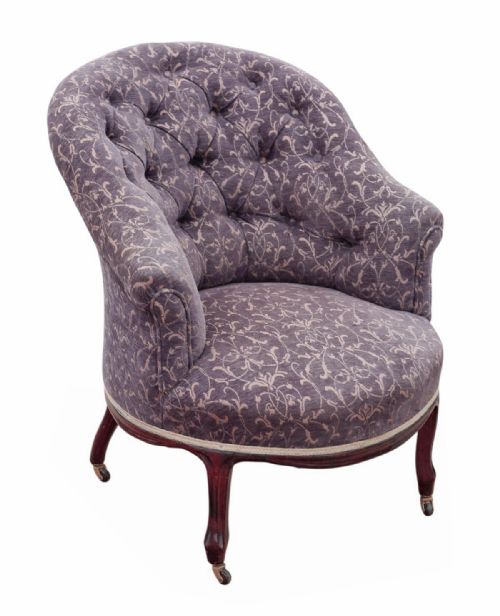

Low Back Tub Chair
A low back tub chair offers deep, curved seating designed for comfort, emerging in French and English varieties across the nineteenth and twentieth centuries.
Low Back Tub Chair
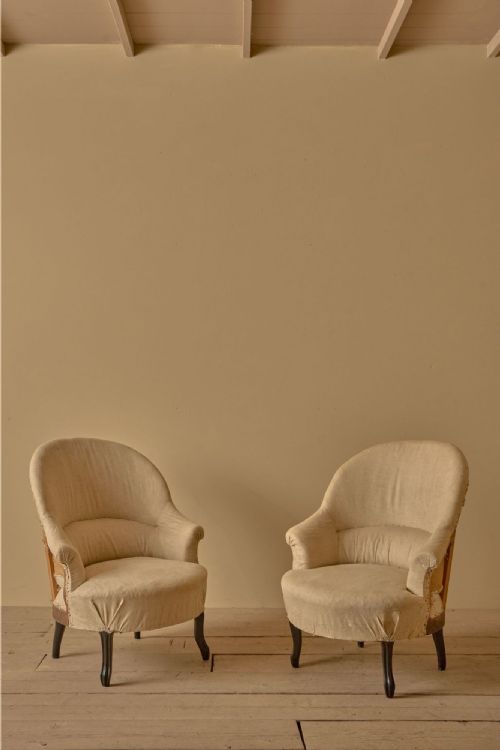
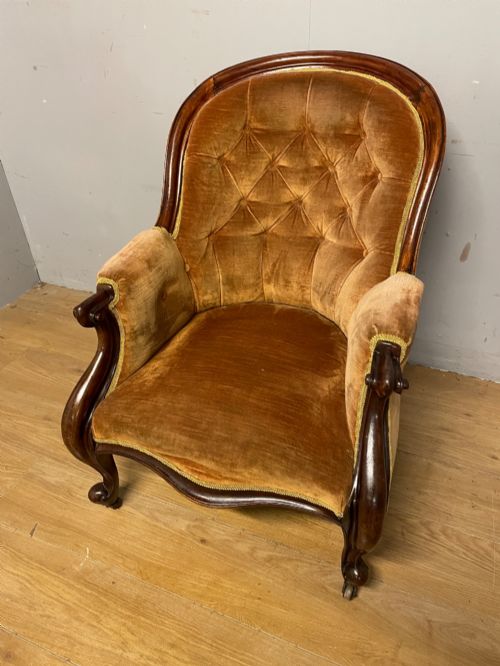
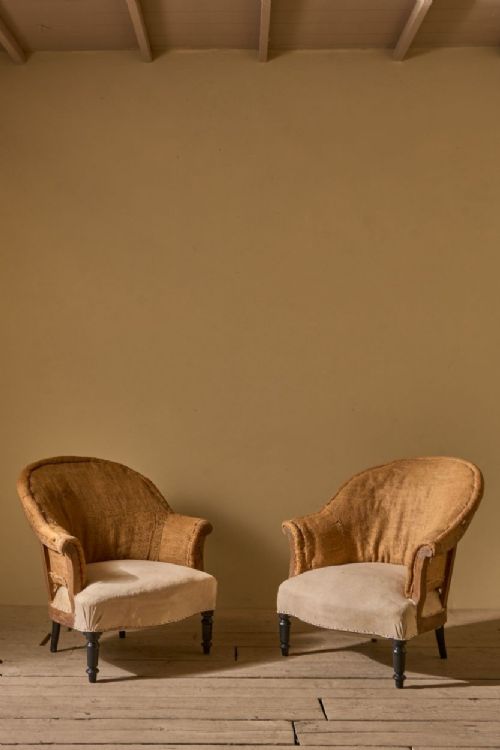
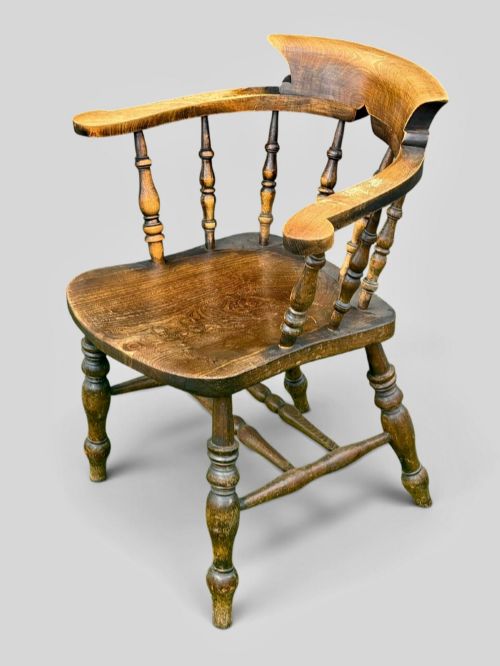
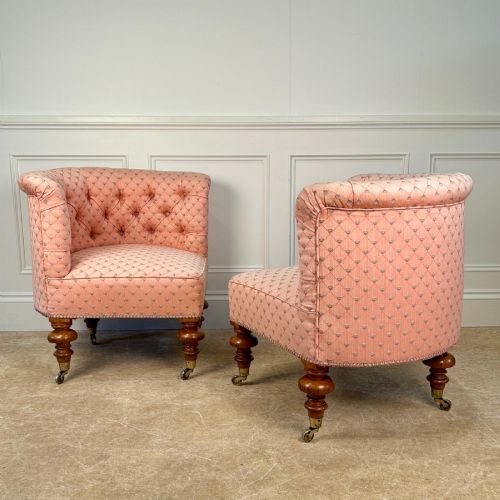
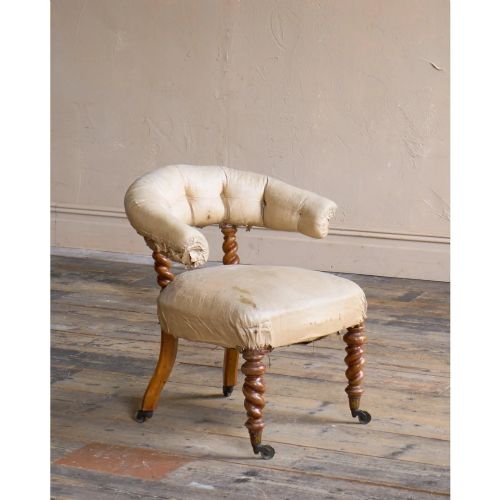
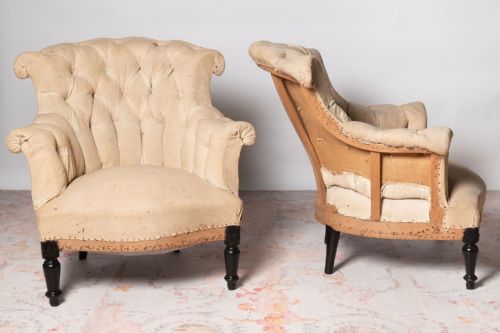
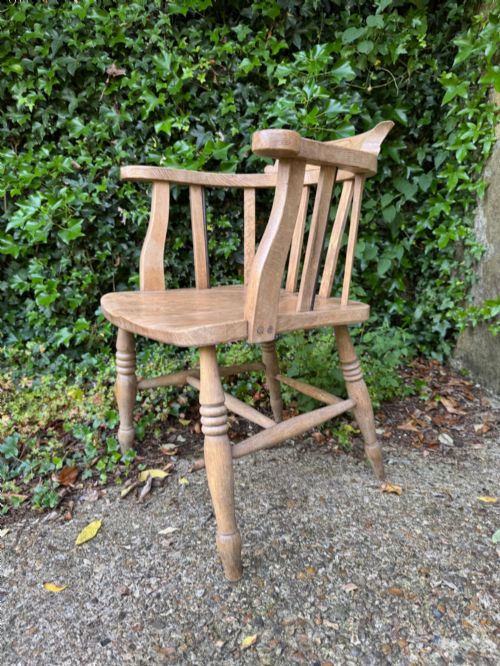
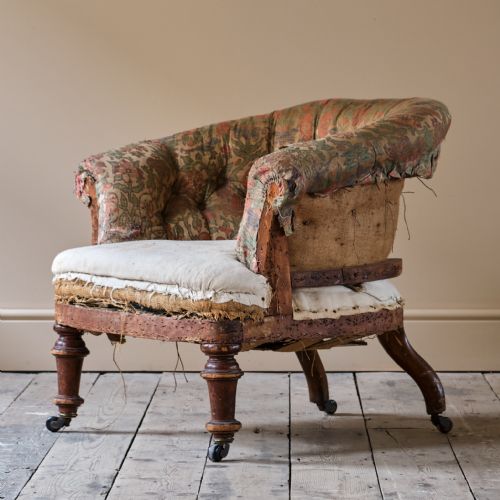
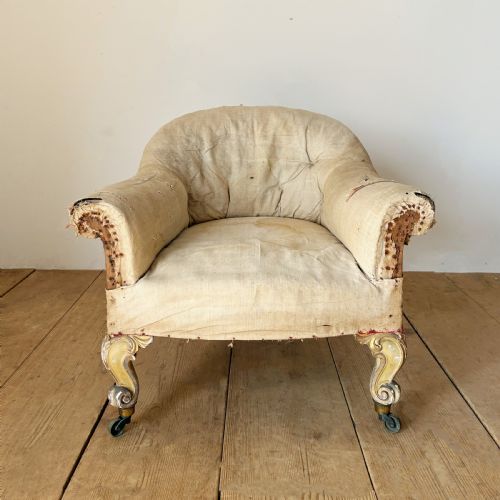
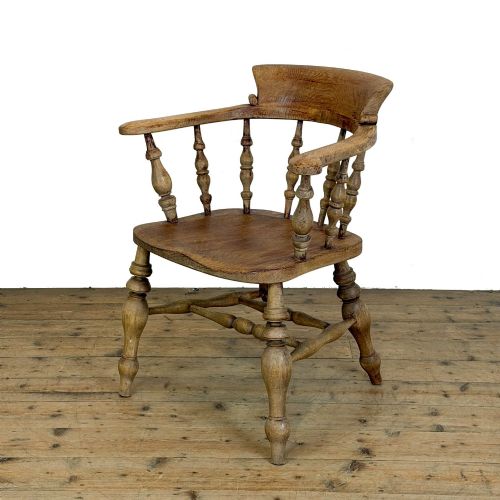
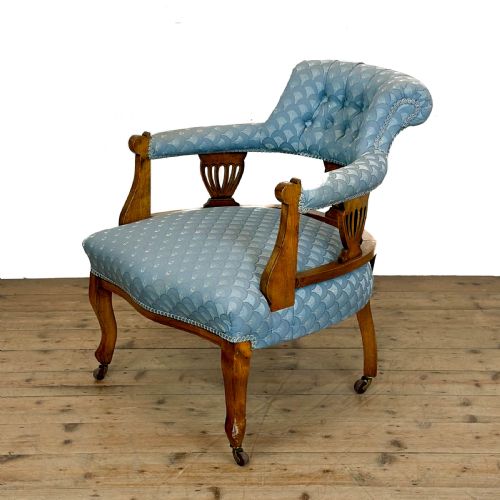
When searching for a low back tub chair, buyers encounter pieces spanning the Victorian, Edwardian, and 1930s periods, including French Napoleon III examples and English vernacular styles like smokers bows and captains chairs. These seating forms combine enclosed, curved backs with low profiles, appearing in configurations ranging from button-backed reading chairs to lacquered boudoir models.
The most common versions met on this page are nineteenth-century Victorian and Edwardian armchairs, often constructed from timbers such as mahogany, walnut, oak, beech, and elm. Many feature upholstered finishes in velvet, hessian, fabric, or leather, serving as functional desk chairs, accent pieces, or library seating.
How they were made
Maker construction relies on traditional timber framing, frequently combining solid woods like beech, elm, oak, and walnut for structural integrity and supportive armbows. Brass castors and gilt detailing occasionally accent the legs of finer parlour and French seating.
Upholstery techniques involve durable foundation materials such as hessian supporting sprung or padded interiors, finished in velvet, fabric, leather, or button-backed textiles. Wood surfaces receive polished, painted, lacquered, or ebonised treatments according to the prevailing style.
Periods represented span from the early Victorian era through the Edwardian period into 1930s Art Deco and French Napoleon III styles.
What varies in quality
Quality in these chairs rests upon the solidity of the timber frame and the precision of the joinery where the curved back meets the seat. Superior examples retain firm structural integrity without movement in the arms or legs, whereas lesser pieces suffer from loose joints or replaced components.
The standard of upholstery work and textile selection also defines the tier of the piece, from simple vernacular seating to finely sprung Victorian library chairs with intricate buttoning or stamped maker marks. Finer examples display refined carving, gilding, or choice timber grains like rosewood and walnut.
C. Hindley and Sons·Howard and Sons
The Low Back Tub Chair Glossary
- Tub chair
- An armchair featuring a continuous curved back and arms that form a protective enclosure. This design evolved to minimise draughts in nineteenth-century rooms.
- Smokers bow
- A sturdy vernacular wooden armchair with a low rounded back and turned spindles, commonly built from elm and beech. These chairs frequently served in domestic and commercial settings.
- Bergere
- An enclosed armchair with cane or wicker work panels set into a wooden frame. French models often pair this technique with gilt or painted finishes.
- Button-back
- An upholstery style where depressions are formed in the padding by stitches pulled tight and secured with fabric buttons. This technique provides tension and shape to Victorian easy chairs.
- Napoleon III
- A nineteenth-century French revival style incorporating ebonised finishes, gilding, and upholstered comfort. Pieces from this period often utilise hessian and rich velvet fabrics.
Low Back Tub Chair: Frequently Asked Questions
What is a low back tub chair?
A low back tub chair is an armchair characterised by a continuous curved backrest that wraps around the sitter to form low arms. These chairs appear in various nineteenth and twentieth-century styles, including Victorian upholstered pieces and wooden captains chairs.
They function as reading seats, desk chairs, or boudoir accents, combining enclosed comfort with compact proportions.
How do I date a Victorian tub chair?
Dating a Victorian tub chair involves examining the timber species, upholstery foundation materials, and stylistic cues such as button-backed padding or ebonised legs. Mid-nineteenth-century examples often employ rosewood or walnut, while later Victorian and Edwardian pieces frequently utilise mahogany, oak, or beech.
The presence of original hessian webbing, traditional hand-stitching, and specific revival motifs helps narrow the decade of production.
Where were smokers bow chairs used?
Smokers bow chairs originated as vernacular seating found in English country homes, vernacular pubs, and offices during the nineteenth century. Their sturdy construction using elm, beech, and alder provided durable everyday support.
Today, these low-backed Windsor derivatives function well as desk chairs or occasional seating in traditional and modern interiors.
Are French tub chairs different from English ones?
French tub chairs, particularly those from the Napoleon III period, often feature refined design elements such as gilt highlights, ebonised frames, and shaped walnut or beech structures. English variants tend to lean towards either sturdy vernacular wood construction or deeply upholstered Victorian easy chairs.
Both traditions prioritise curved enclosing backs, but French examples frequently emphasise decorative woodwork and formal upholstery.