





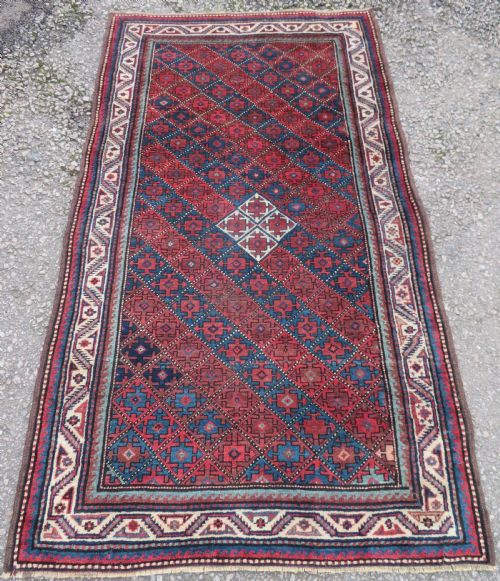


East Persian Rug
An east persian rug brings tribal character and durable wool into a room through intricate regional patterns.
East Persian Rug
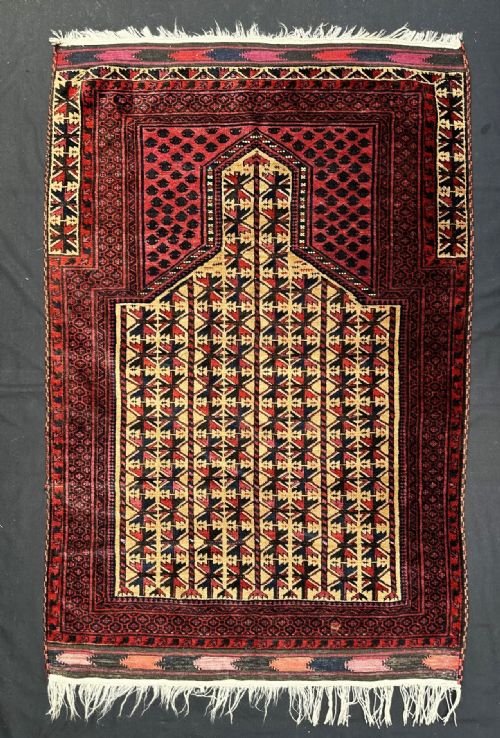
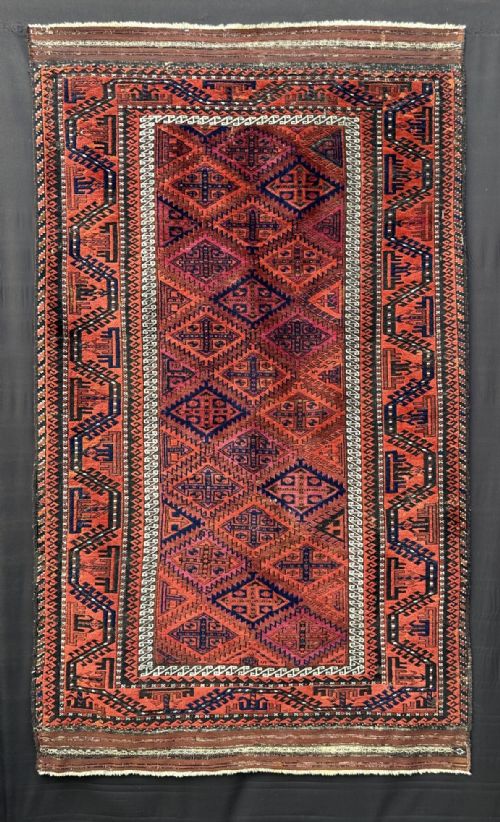
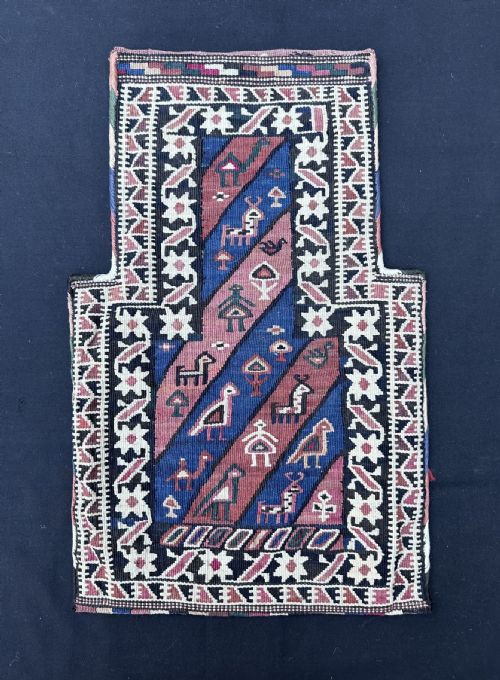
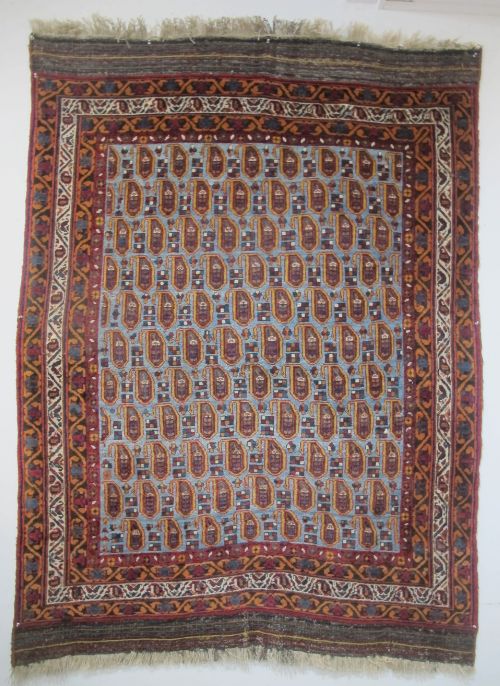
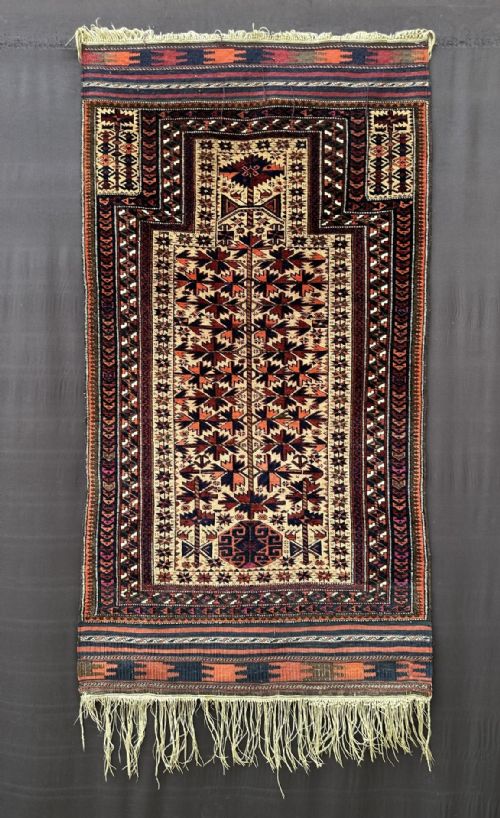
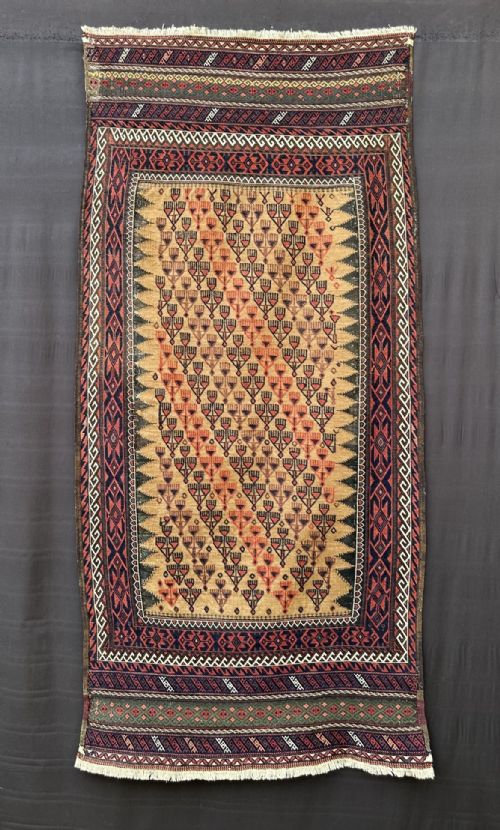
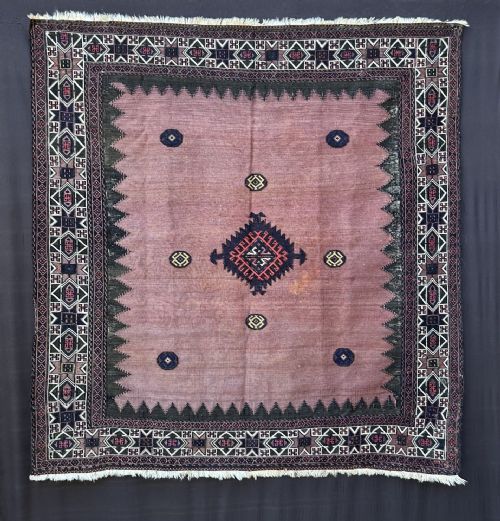
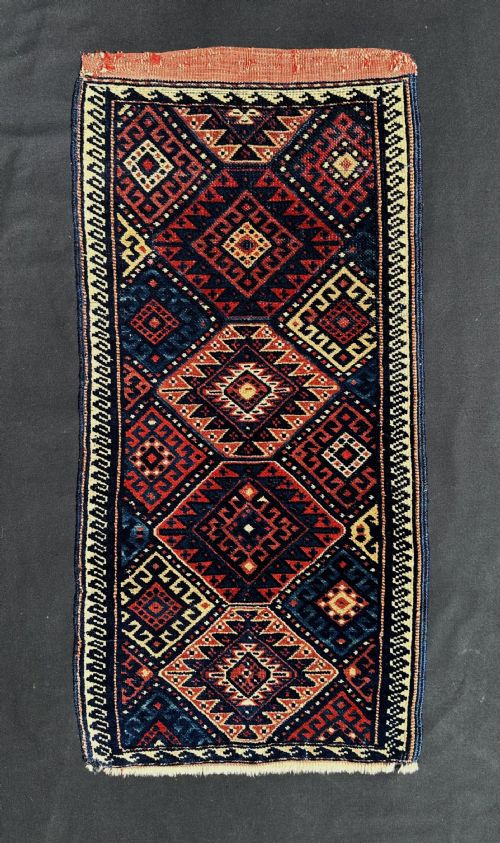
When you search for an east persian rug, you encounter woven works created by tribal groups and regional workshops across Khorassan and surrounding borderlands. The pieces on this page span from the late nineteenth century into the early twentieth century, taking forms such as prayer rugs, runners, and utilitarian bags. Tribal weavers from communities including the Timuri, Baluch, and Kordi produced much of the material recorded here.
You are most likely to meet smaller formats like area rugs, prayer rugs, and bag faces, alongside longer hallway runners and dining sofreh. These textiles reflect the specific visual vocabulary of regional groups rather than centralized court manufactures. Their designs range from geometric tribal motifs to classic all-over layouts and central tree of life patterns.
What Varies in Quality
Quality rests primarily in the handling of the wool and the precision of the natural dye palette. Superior examples display lustrous, hand-spun wool that retains its lanolin and absorbs dye with remarkable depth and variation.
Execution of the tribal design and fineness of the knotting also distinguish the higher tiers. A well-balanced composition and crisp drawing elevate a piece above standard domestic output.
East Persian Rug Retail Price Guide 2026
Typical asking prices for east persian rug among the pieces listed under this phrase on Sellingantiques today, from the lower quarter to the upper quarter. They describe what is for sale here now, not the wider market.
Listings feature natural dyes and hand-spun wool across periods spanning from 1870 to 1920.
The East Persian Rug Glossary
- Sofreh
- A flatwoven spread or cloth utilised for dining or meal preparation within tribal households. These textiles often feature striking geometric fields.
- Balisht
- A small pillow or pillow bag-face produced by nomadic groups for domestic comfort. They showcase concentrated tribal motifs in miniature formats.
- Khorassan
- A historic province in north-east Persia noted for significant carpet and rug production. The region encompasses numerous weaving tribes and major towns.
- Prayer-Rug
- A devotional rug featuring a mihrab or arch design indicating the direction of prayer. These pieces served personal religious observance.
- Tubreh
- A traditional tribal bag or feed sack woven for utilitarian transport. They display durable construction and dense geometric ornament.
East Persian Rug: Frequently Asked Questions
How do I clean an east persian rug?
Gentle surface brushing and professional specialist cleaning preserve the natural wool fibres and dyes.
Avoid harsh chemical treatments or soaking that can damage the historical foundation.
Where were east persian rugs made?
They originated across Khorassan, Sistan, and the borderlands between north-east Persia and north-west Afghanistan.
Nomadic tribes and regional centres such as Meshed produced these varied textiles.
How can I tell tribal rugs apart?
Examine the specific structural characteristics, border motifs, and wool quality unique to groups like the Baluch or Kordi.
Regional colour palettes and distinct iconographic details help identify the weaving community.
Are these rugs suitable for hallways?
Longer formats and runner configurations function effectively in corridors and high-traffic areas.
The dense hand-spun wool provides natural resilience against wear.